

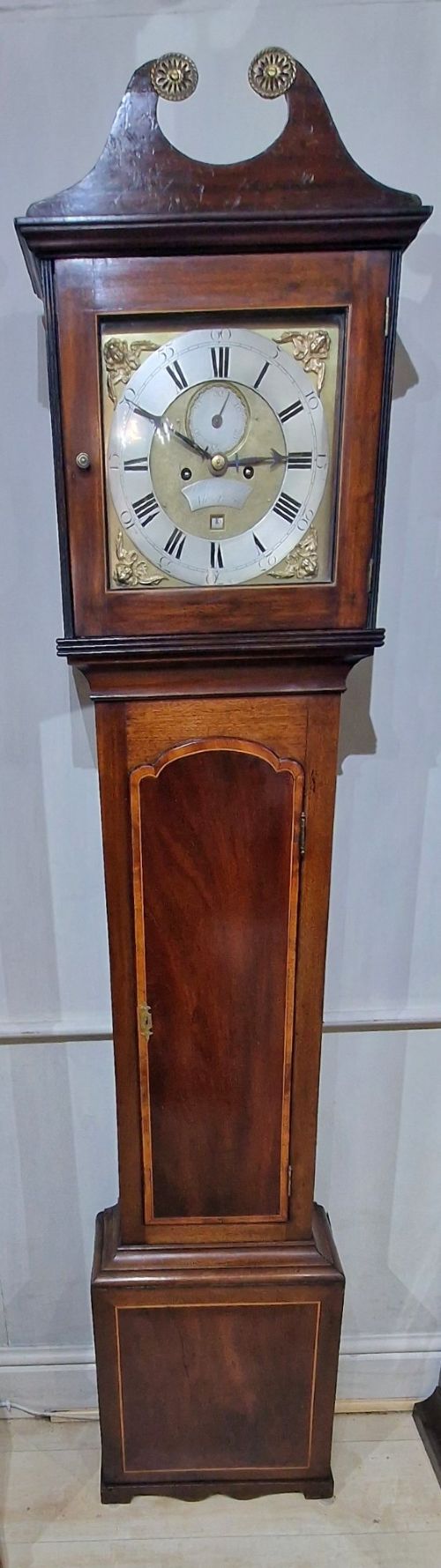
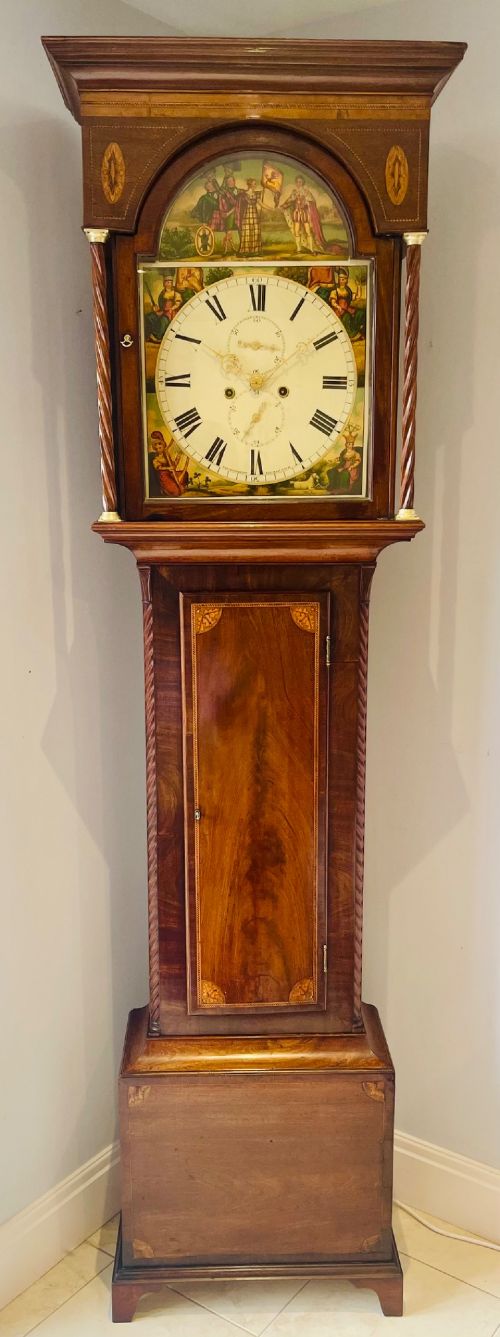
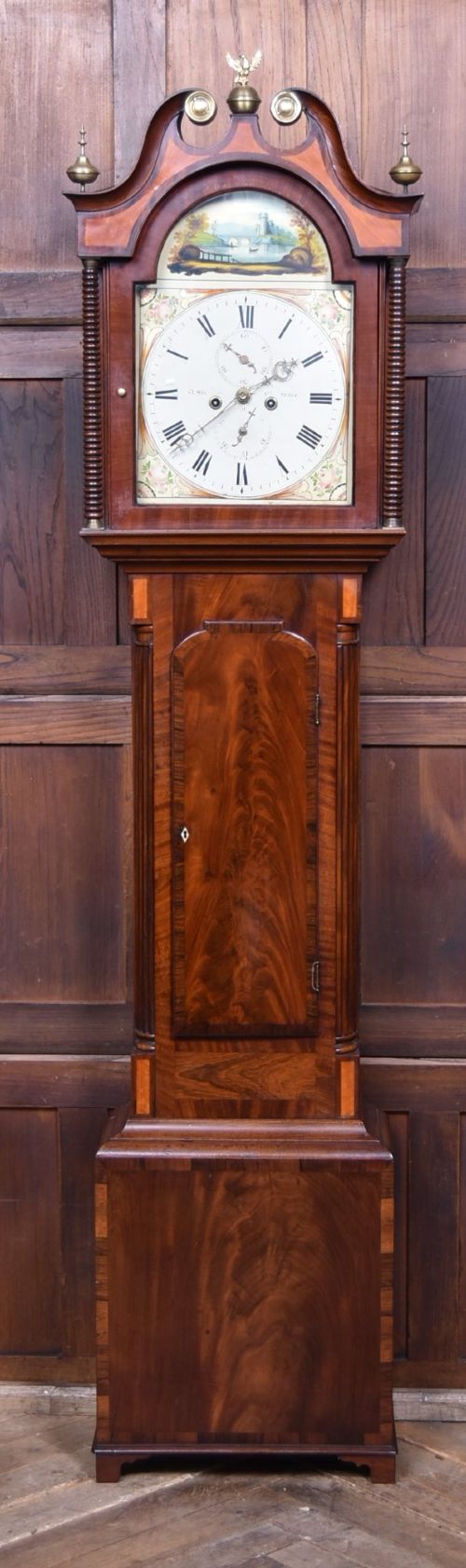

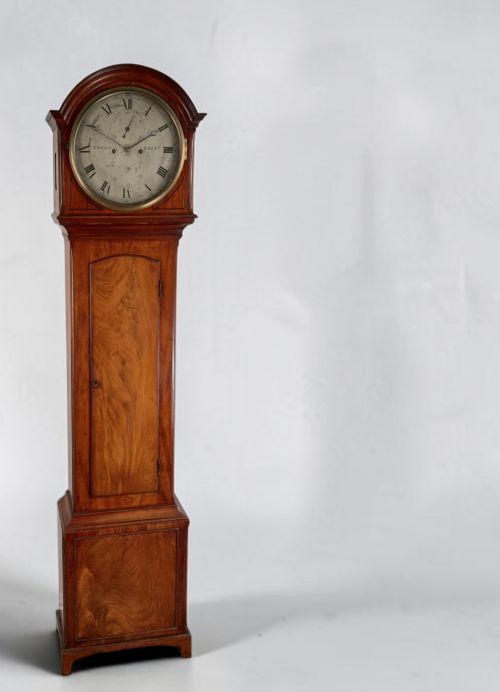



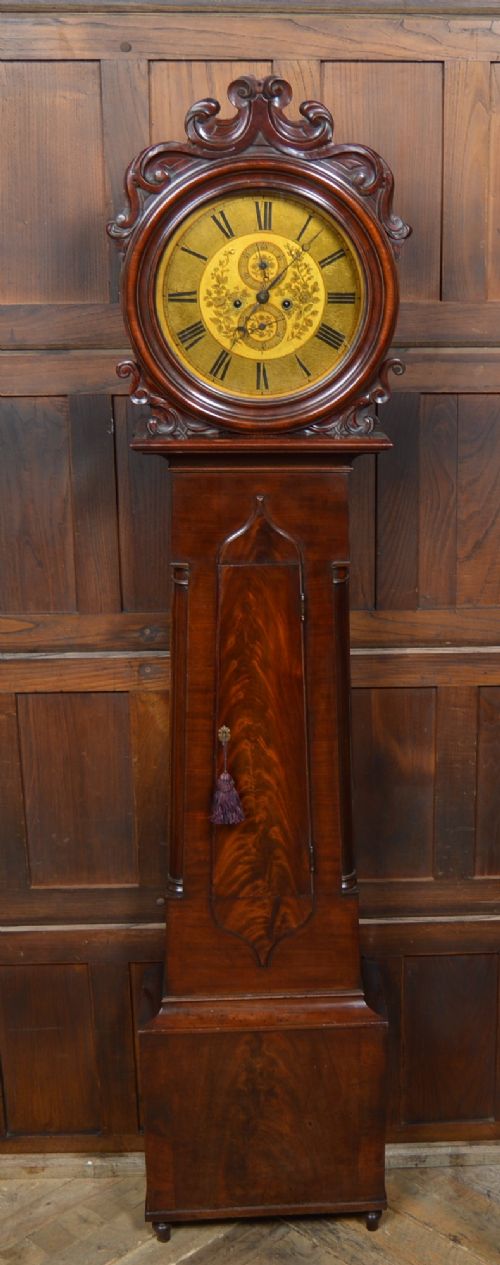
Scottish Mahogany Tallcase Clock
A Scottish mahogany tallcase clock brings striking regional cabinetry and precision timekeeping into a room, combining architectural presence with mechanical heritage.
Scottish Mahogany Tallcase Clock
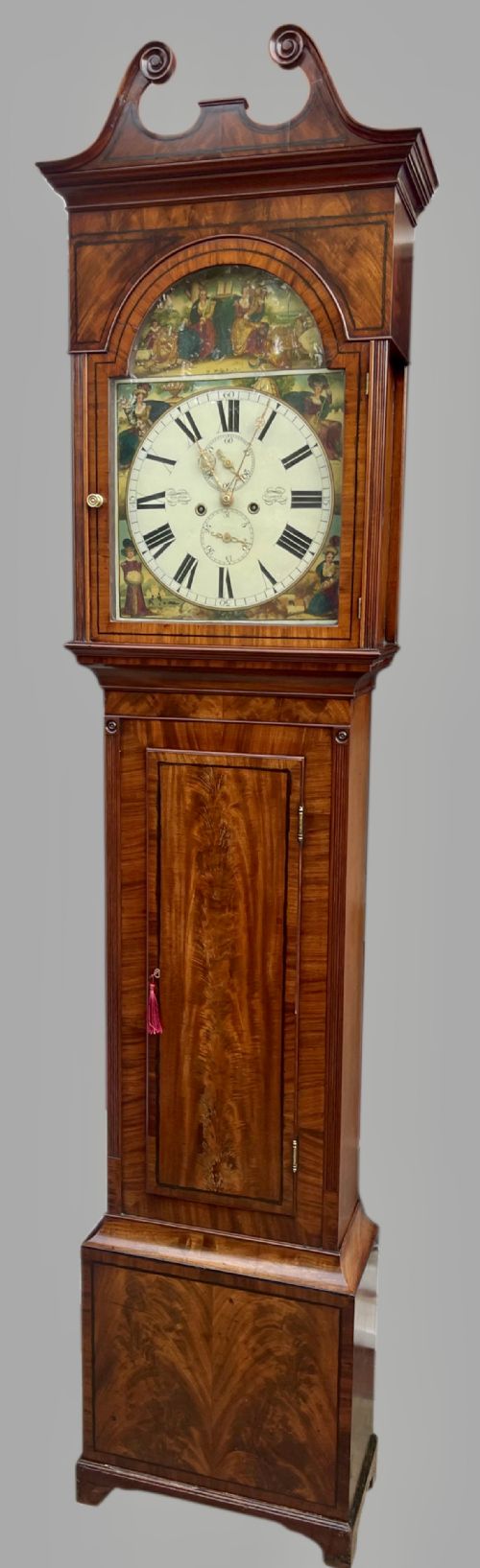
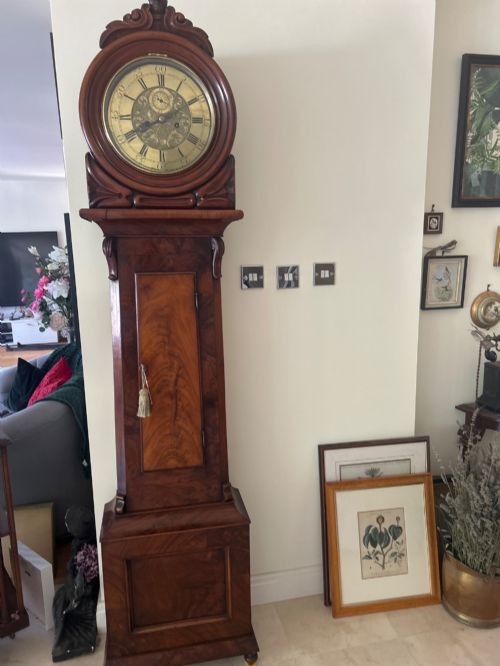
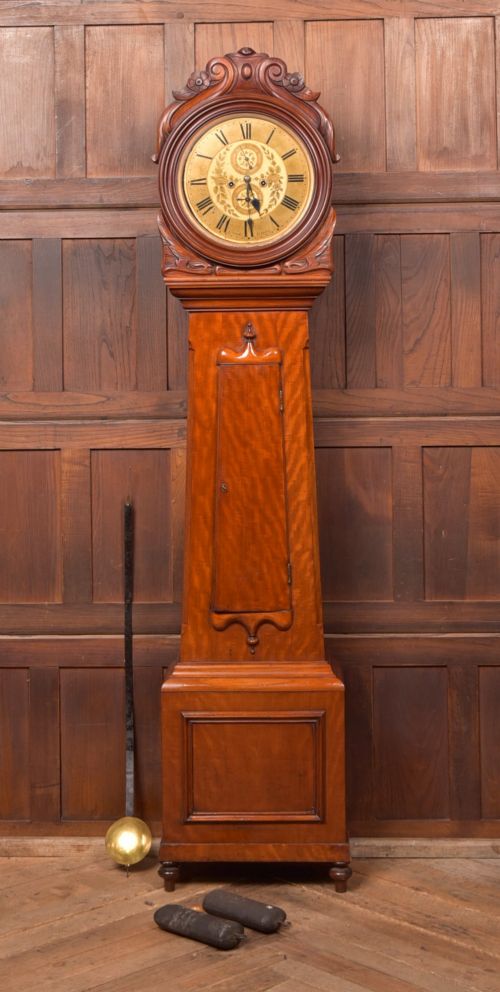
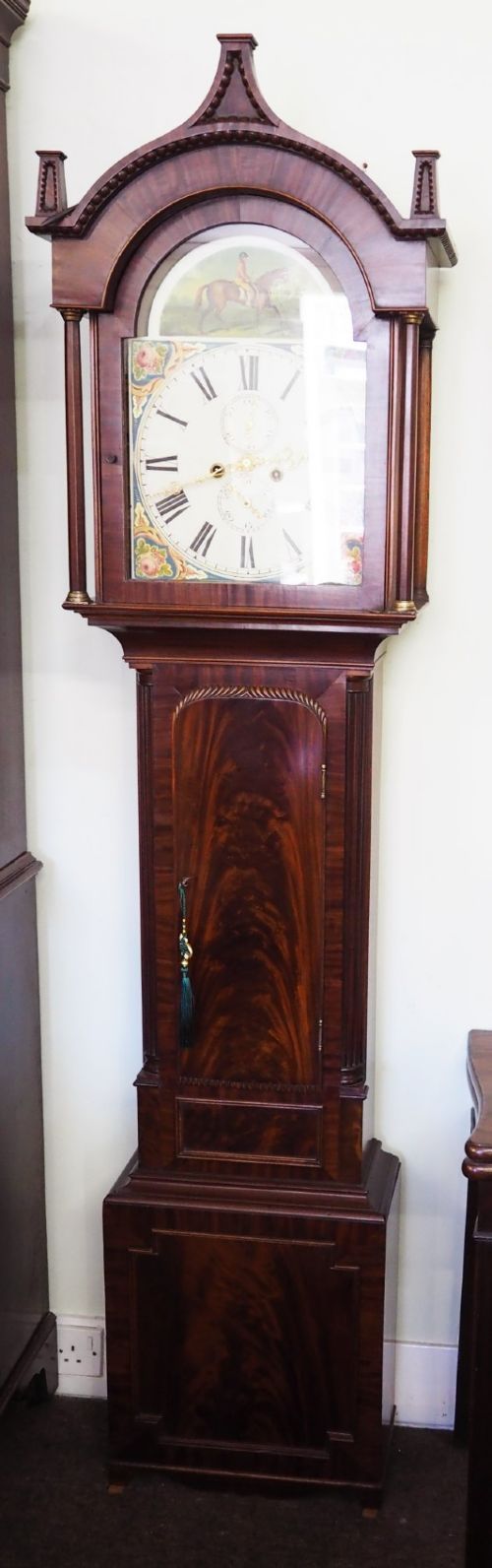
When you search for a scottish mahogany tallcase clock, you encounter substantial floor-standing timepieces originating from the Georgian, Regency and Victorian eras. These pieces typically feature timber cases paired with brass, glass and painted iron dials, spanning forms from traditional longcase clocks to drumhead variations.
Judging quality and character
The distinction between pieces rests in the cabinetmaker's choice of veneers, such as figured or flame mahogany, and the crispness of the dial signwriting. Regional dial signatures by recorded makers add historical weight to individual pieces.
Proportion and case architecture dictate visual success, alongside the complexity of the movement, such as regulator mechanisms versus standard eight-day setups. Preservation of original timber surfaces and dial painting elevates specific examples.
Scottish Mahogany Tallcase Clock Retail Price Guide 2026
Typical asking prices for scottish mahogany tallcase clock among the pieces listed under this phrase on Sellingantiques today, from the lower quarter to the upper quarter. They describe what is for sale here now, not the wider market.
Listings incorporate examples from Georgian, Regency and Victorian periods, utilising mahogany, flame mahogany, brass, glass and painted iron.
Green of Edinburgh·D. Straiton, Montrose·Tait, Peebles·Robb, Montrose·Andrew Thom·Joseph Gibson Ecclefechan·David Morice of Auchtermuchty·Whitelaw of Edinburgh·John Breakenrig·Ninian Davidson of Dunse·William Chisholm Of Aberdeen·W M Smith Of Leith·Aitchison of Glasgow
The Scottish Mahogany Tallcase Clock Glossary
- Drumhead
- A clock featuring a circular dial housing mounted atop a tall mahogany trunk. This distinct regional form appears frequently in nineteenth-century Scottish pieces.
- Regulator
- A high-precision timekeeper designed for extreme accuracy. These movements often feature specialised dial layouts and refined weight-driven mechanisms.
- Flame mahogany
- A veneer cut from the branch forks of the mahogany tree, creating a distinctive flamelike pattern. Cabinetmakers utilised this timber on the principal surfaces of high-status cases.
- Longcase clock
- A tall, weight-driven pendulum clock housed in a wooden case consisting of a trunk and a hood. Also referred to historically as a grandfather clock.
- Eight-day
- A clock movement requiring winding once a week. This mechanical capability represents a step up in complexity from thirty-hour alternatives.
Scottish Mahogany Tallcase Clock: Frequently Asked Questions
What is a Scottish drumhead clock?
A drumhead clock is a specific variation featuring a circular, drum-shaped dial housing set atop a tall wooden trunk. These pieces emerged during the nineteenth century in Scotland.
They combine the traditional weight-driven longcase mechanism with a distinctive, rounded upper profile distinct from square-dial models.
How do I identify a regulator longcase?
Regulator clocks are built for high-precision timekeeping rather than domestic convenience. They often display simplified, highly readable dials and sophisticated internal gear trains.
These pieces were constructed by skilled makers for locations requiring exact time measurement.
What periods do these clocks cover?
The pieces span the Georgian, Regency and Victorian eras, stretching from the late eighteenth century through to the late nineteenth century. Cabinet styles evolved accordingly from restrained Georgian lines to heavier Victorian proportions.
Regional Scottish cabinetmakers adapted prevailing British design trends to local workshops.
How do I care for a mahogany tallcase?
Keep the clock away from direct sunlight and dramatic humidity changes to protect the mahogany veneer and internal wooden components. Regular professional servicing ensures the mechanical movement stays in working order.
Ensure the tall case stands firmly on level flooring to maintain the proper swing of the internal pendulum.