

Scottish Fine Art
When you search for scottish fine art, you uncover centuries of painted portraits, landscapes, and textiles rooted in northern heritage.
Scottish Fine Art
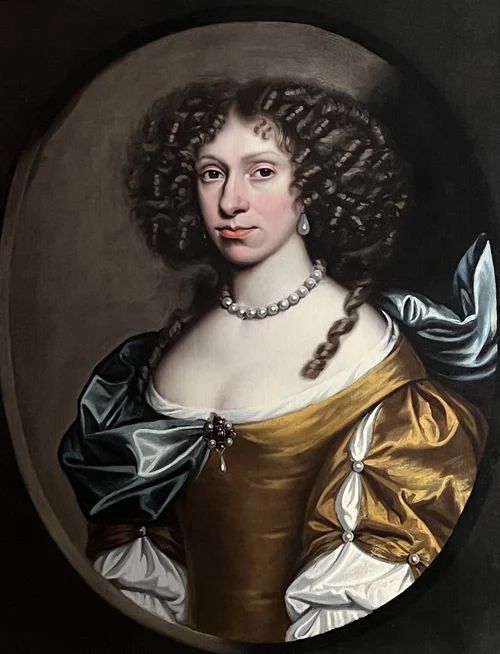
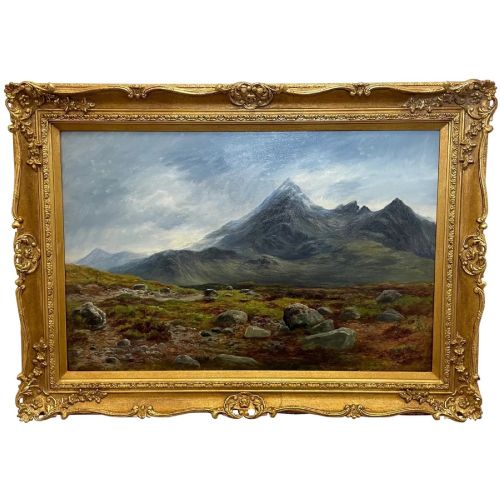
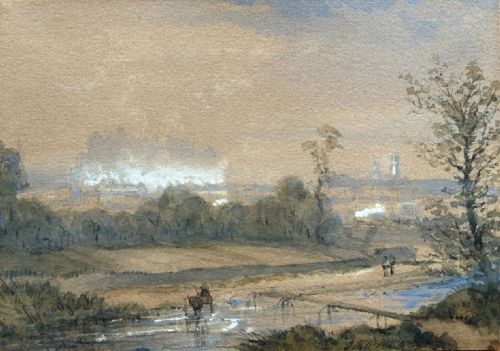
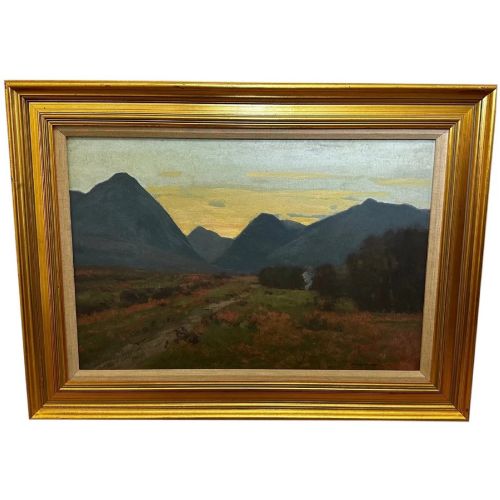
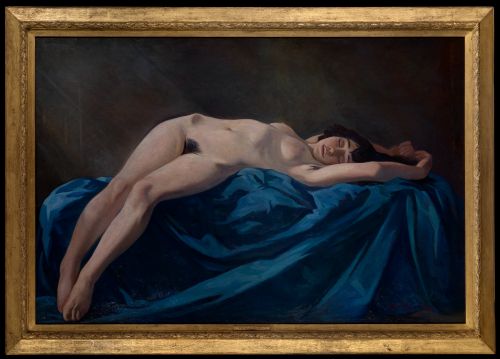
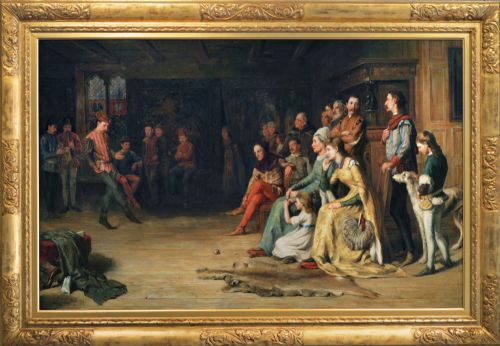
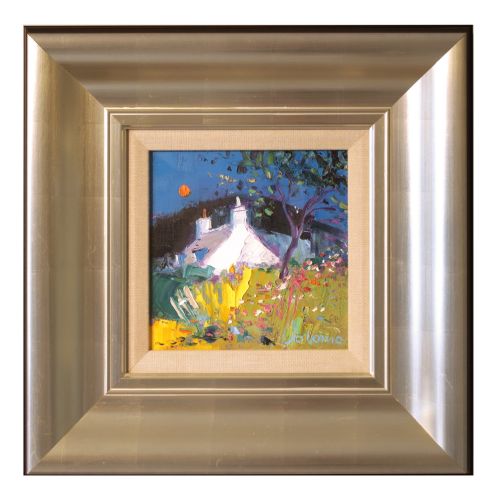
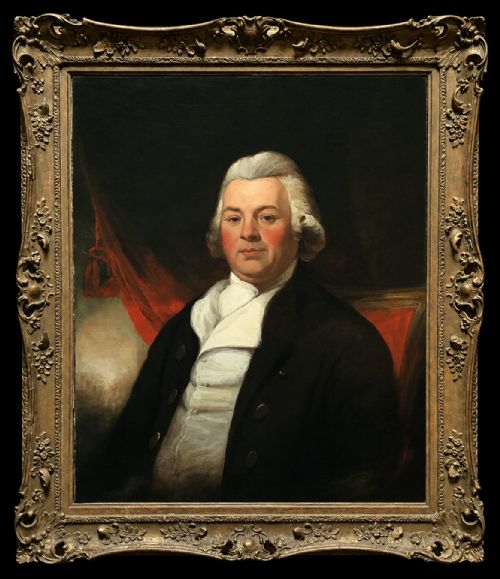
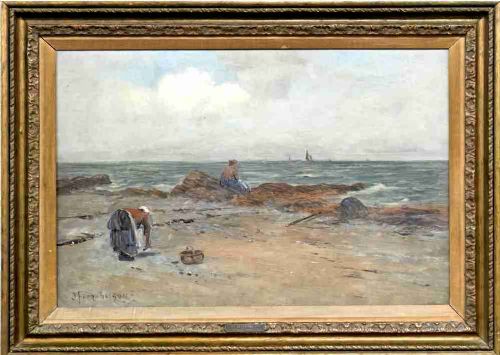
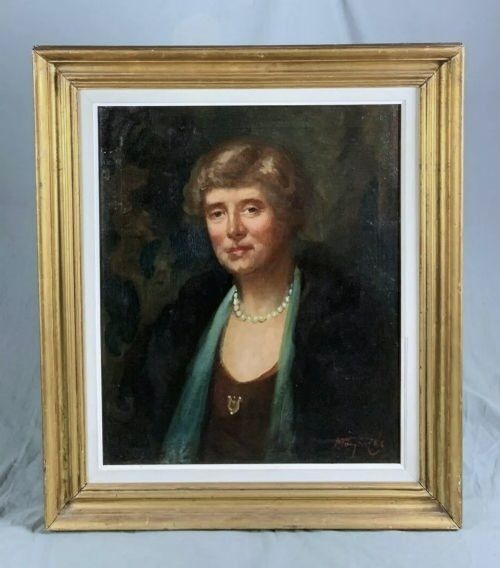
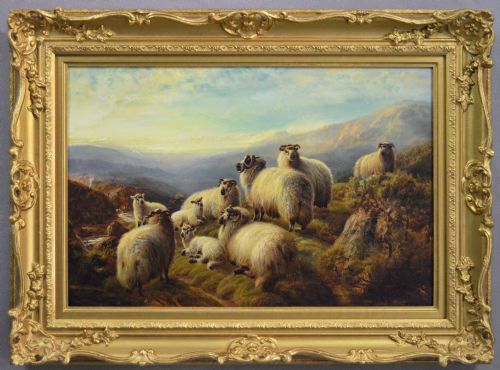
Scottish fine art encompasses oil paintings, watercolours, and portraiture created across the seventeenth, eighteenth, nineteenth, and early twentieth centuries. The selection leans heavily towards oil on canvas and wood panel formats depicting both rugged Highland landscapes and formal sitters.
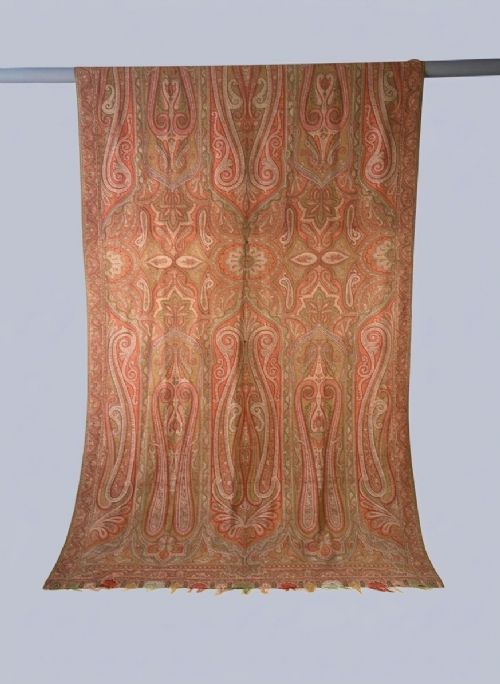
Beyond traditional canvases, the category stretches to include regional portrait miniatures, genre historical scenes, and even carved walnut sculpture. Buyers will also encounter fine examples of textile craftsmanship, such as large wool shawls originating from Paisley.
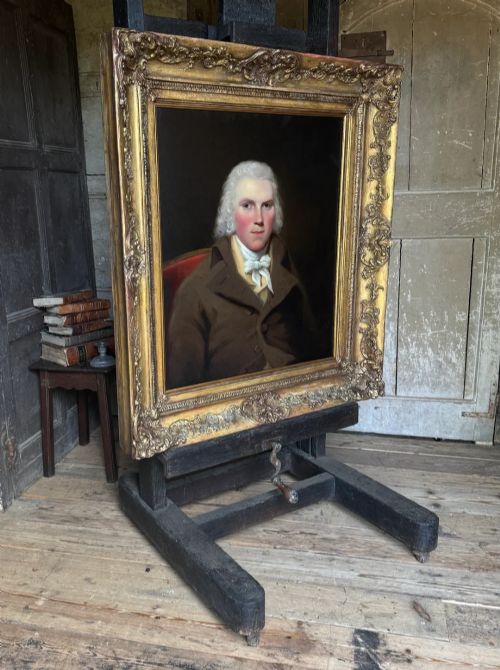
The regional schools and individual academies shaped a distinct local aesthetic that captures the shifting light and topography of the north. Works range from intimate domestic studies to large formal portraits commissioned by nobility and physicians.
Materials and Techniques
The primary medium across these works is oil paint applied to stretched canvas, prepared wood panels, or occasional boards. Artists utilised traditional layering techniques to build depth, particularly visible in landscape foliage and the heavy drapery of formal portraits.
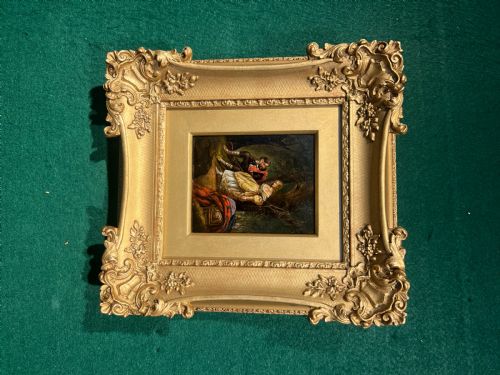
Textile works rely on fine wool and intricate weaving traditions, exemplified by Paisley production methods. Giltwood frames frequently accompany the paintings, constructed with carved wooden mouldings finished in gold leaf.
Listings feature portraiture, landscapes, and textiles spanning from the seventeenth century through to the mid-twentieth century.
Markers of Quality
Quality rests in the handling of light, brushwork confidence, and the anatomical accuracy of portrait subjects. Master painters command a fluency that renders fabric textures and facial expressions with striking immediacy, whereas lesser works rely on stiff, formulaic compositions.
The preservation of the original surface, minimal restorative overpaint, and the survival of a matching period gilt frame elevate the standing of a canvas. Materials matter too, as finely woven canvas supports and seasoned wood panels endure the centuries with fewer structural fractures.
David Scougall·William Beattie-Brown·Tom Campbell·George Houston·James Hamilton·George Watson·Joseph Farquharson·Alexander Wellwood Rattray·George Henry Paulin·Archibald Kay·Sir David Murray·John Horsburgh·John A. Houston·Robert Buchan Nisbet·John Douglas Perrett·Tom Seymour·William McCance·Sir George Reid·George Melvin Rennie·Duncan Cameron
The Scottish Fine Art Glossary
- Oil on Canvas
- A traditional painting medium where pigments bound in drying oil are applied to a woven fabric support stretched across a wooden frame. This combination allows for rich blending and textured impasto application.
- Giltwood
- Timber carved and coated with a thin layer of gold leaf or gold powder. It provides reflective, ornate borders for paintings and mirrors.
- Genre Painting
- The pictorial representation of scenes from everyday life, typically depicting ordinary people in domestic or social settings. These works often carry subtle narrative or moral undertones.
- Portrait Miniature
- A small, highly detailed portrait executed on vellum, card, or ivory, popular for personal keepsakes. They demand exceptional brush control due to their diminutive scale.
- Wood Panel
- A rigid wooden support used by artists before canvas became dominant, offering a stable surface for detailed brushwork. Oak and mahogany were frequently selected for this purpose.
Scottish Fine Art: Frequently Asked Questions
How do I identify a Scottish landscape painting?
Look for specific regional geography, such as Skye, Arran, or Highland glens, often named directly in the title or artist inscriptions. The palette frequently captures northern light conditions with muted earth tones combined with luminous skies.
Many works bear signatures of members from recognised northern institutions like the Royal Scottish Academy. Comparing the topography and the artist's known sketching grounds confirms the regional attribution.
What framing is appropriate for these paintings?
Period giltwood frames with moulded gesso ornamentation suit nineteenth-century canvases best. The gold leaf should display honest patination and minor wear consistent with age rather than modern refinishing.
Ensure the rebate inside the frame accommodates the canvas without pinching the edges. Original framing often bears framer stamps on the reverse wood, adding historical context to the piece.
How should I care for an antique oil painting?
Keep canvases away from direct sunlight, heating vents, and damp walls to prevent paint cracking and wood warping. Maintain a stable room temperature and humidity level to protect the structural integrity of the canvas and stretcher bars.
Dust the surface gently with a soft, dry artist brush rather than using damp cloths or chemical cleaners. For deep cleaning or structural repairs, consult a professional paintings conservator.
How can I distinguish eighteenth-century portraits?
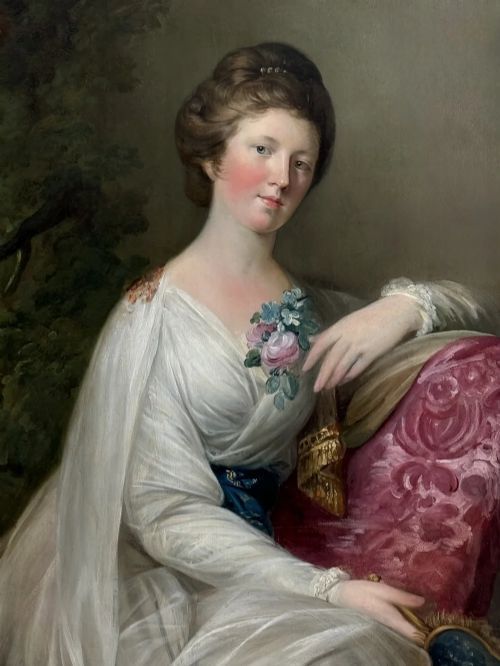
Eighteenth-century portraits typically feature sitter attire, hairstyles, and lace collars characteristic of the Georgian era. The canvas preparation on older works often exhibits coarser weaves and heavier tack margins on the reverse.
Inscribed plaques on the frame or handwritten notes on the stretcher bars frequently record the sitter's identity and lineage. Comparing costume details with known portraiture conventions helps narrow down the decade.