



Brown Tone Landscape Painting
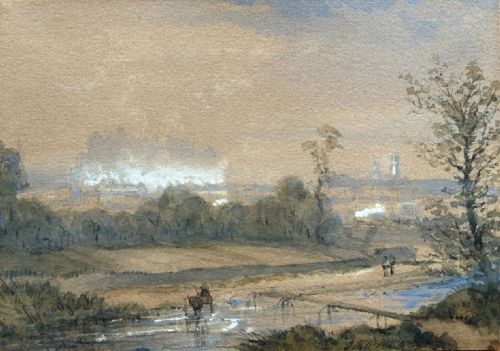
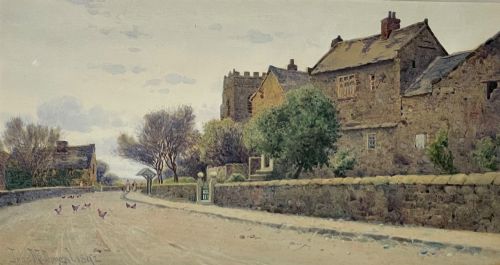
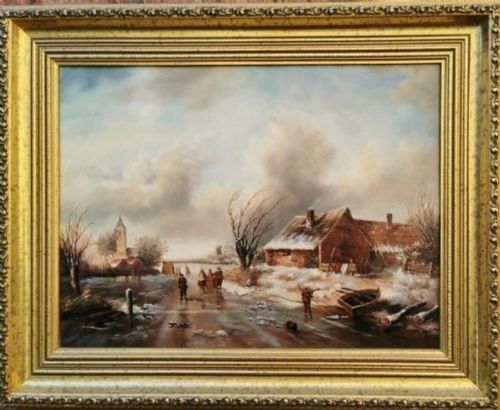
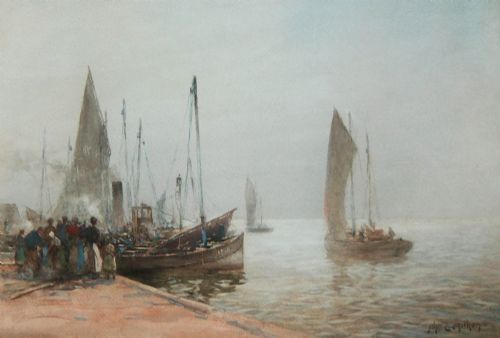
Brown tone landscape painting works with subdued earth pigments to capture rural scenery, moorland and historic village views.
Brown Tone Landscape Painting
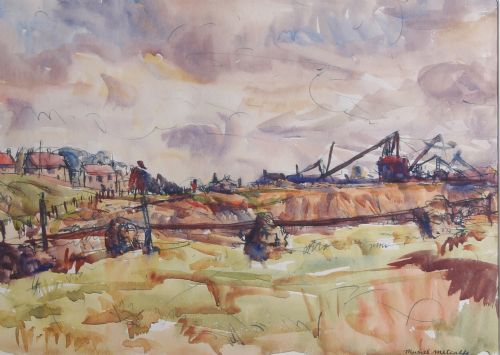
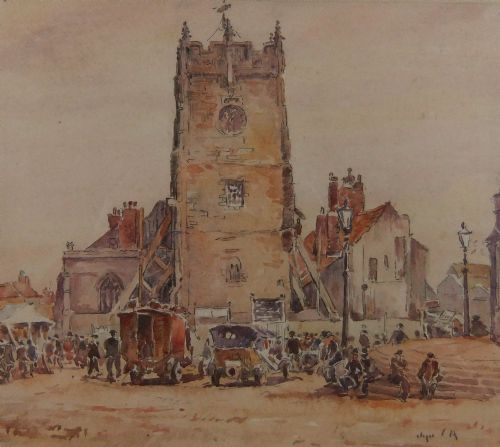
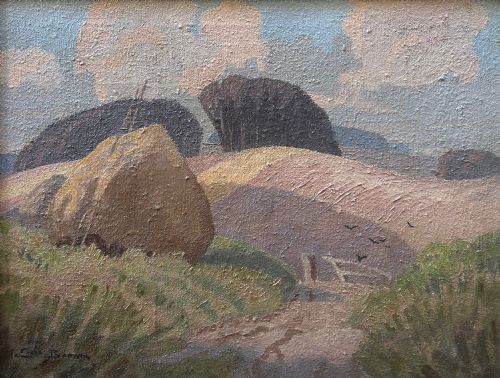
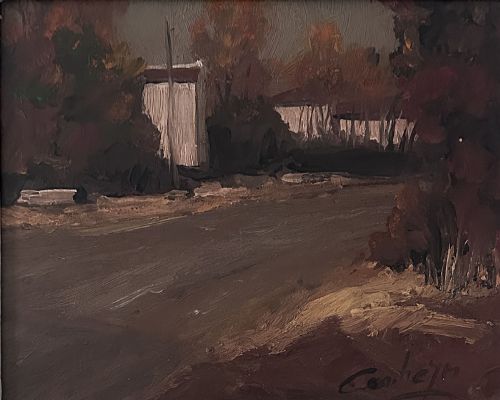
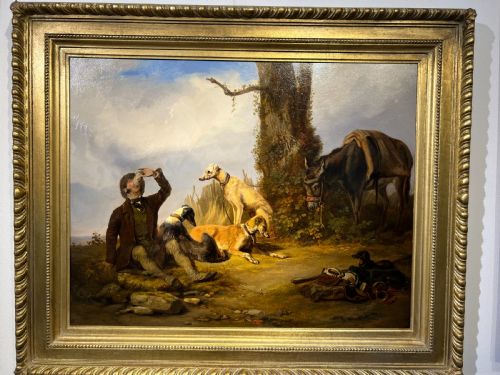
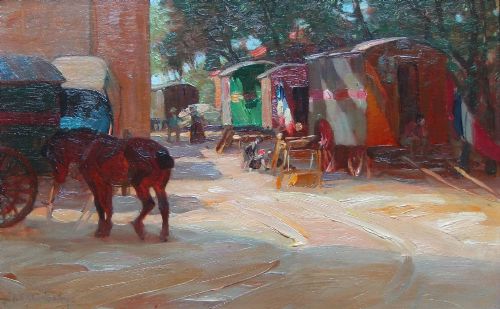
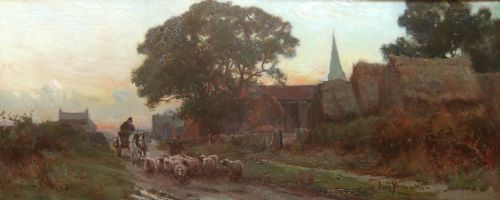
A brown tone landscape painting brings together historical scenes rendered in muted palettes, featuring rural vistas, coastal harbours and agricultural settings. Buyers exploring this selection encounter works originating predominantly from the nineteenth and early twentieth centuries.
The objects span oil paintings on canvas and wood panel alongside delicate watercolours on paper. Scottish Highland views, Yorkshire river scenes and farmyard subjects dominate the groupings.
Materials and technique
Artists relied on oil paint applied to woven canvas or rigid wood panels, building up deep amber and umber tones through layered brushwork. Alternatively, watercolours on paper utilised diluted washes to establish atmospheric light.
Framing preserves these historic works, while signed signatures and attribution notes connect individual pieces to established regional schools of painting.
Brown Tone Landscape Painting Retail Price Guide 2026
Typical asking prices for brown tone landscape painting among the pieces listed under this phrase on Sellingantiques today, from the lower quarter to the upper quarter. They describe what is for sale here now, not the wider market.
Listings feature works created across the nineteenth and twentieth centuries, utilising canvas, paper, wood panels, oil paint and watercolour.
Assessing quality
Depth of composition and sureness of brushwork differentiate the more accomplished examples from standard topographical records. Mastery over tonal gradation creates atmospheric weight within the scenery.
Condition of the support material, whether canvas or paper, and the preservation of original pigments dictate the visual integrity of each artwork.
John R Prentice·Tom Campbell·John McDougal·James E Aitken·Muriel Metcalfe·John Smith Atherton·Eric Brown·Sir Edwin Henry Landseer·Paul Ehrenberg·Owen Bowen·Alfred George Morgan·Gyrth Russell·Raimond Louis Lecourt·W E Evans·George Armfield·John Atkinson·William Greaves·H Wallace·John Frederick Herring·Louie Stanley Maurice Prince·John Syer·Frank Hyde·Pierre Emmanuel Dielmans·Fred Stead·William Manners
The Brown Tone Landscape Painting Glossary
- Canvas
- A heavy woven fabric stretched across a wooden frame to serve as a support for oil paint. It provides a textured surface that holds layered pigments securely over centuries.
- Wood panel
- A rigid board utilised as a painting support instead of fabric. Panels offer a smooth, stable ground particularly common in earlier smaller landscape works.
- Watercolour
- A paint consisting of pigment suspended in a water-soluble binder applied to paper. Artists use translucent washes to achieve delicate atmospheric effects.
- Impressionism
- A style of painting that focuses on the accurate depiction of light and its shifting qualities. Practitioners often employ visible brushstrokes and open compositions.
- Provenance
- The documented history of ownership surrounding an artwork. Clear records help establish the authenticity and origin of historic paintings.
Brown Tone Landscape Painting: Frequently Asked Questions
What periods do these paintings represent?
The works span from the nineteenth century through the mid-nineteenth and early twentieth centuries. Victorian examples sit alongside 1920s and 1930s compositions.
Later pieces extend into the mid-twentieth century, including works from the 1950s and 1960s.
How should I hang an oil painting?
Secure the artwork to a sturdy wall using appropriate fixings matched to the weight of the frame. Avoid direct sunlight and damp environments to protect the canvas and pigments.
Keep pieces away from sudden temperature fluctuations caused by radiators or fires.
What subjects appear in these landscapes?
Common subjects include Scottish Highland views, Welsh valleys, Yorkshire harbours and agricultural farmyards. Artists frequently depicted rivers, bridges and moorland streams.
Human figures and working animals often inhabit the foregrounds of these rural scenes.
How do I distinguish watercolours from oils?
Watercolour paintings are executed on paper and sit behind protective glass to prevent moisture damage. Oil paintings utilise canvas or wood panels with thicker, textured paint layers.
Oils generally display a varied surface relief from the brushstrokes, whereas watercolours remain flat against the paper support.