

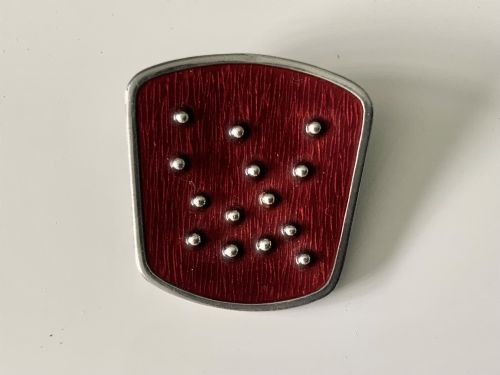


Scandinavian Silver Brooch
A Scandinavian silver brooch brings together clean metalwork and rich coloured enamel, offering wearable modernist design from the twentieth century.
Scandinavian Silver Brooch
A scandinavian silver brooch is a small decorative fastener created primarily across Norway and Denmark during the twentieth century, drawing on mid-century modern and sknvirke design movements. The selection here leans heavily towards mid-century production, particularly pieces produced in the 1950s and 1960s alongside earlier twentieth-century examples.
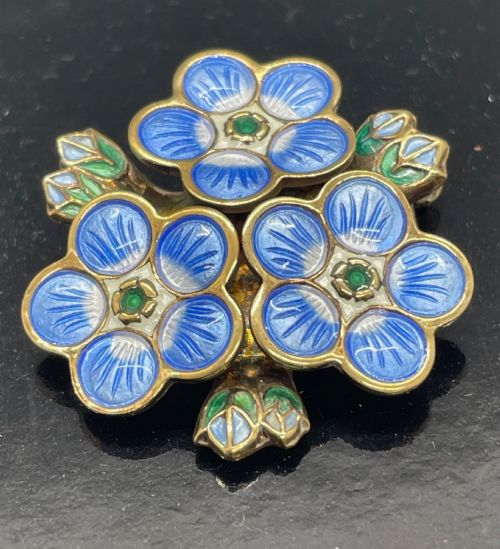
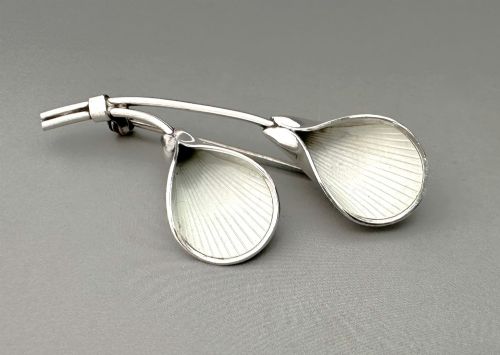
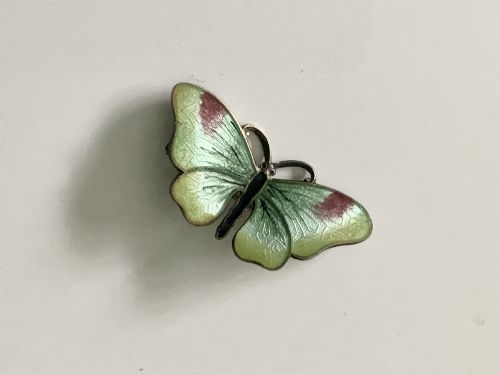
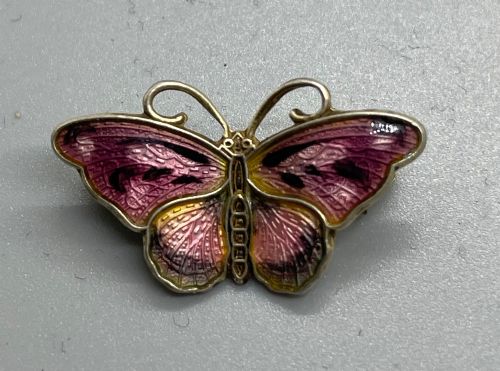
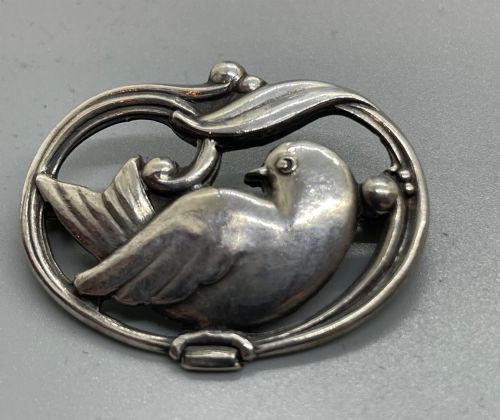
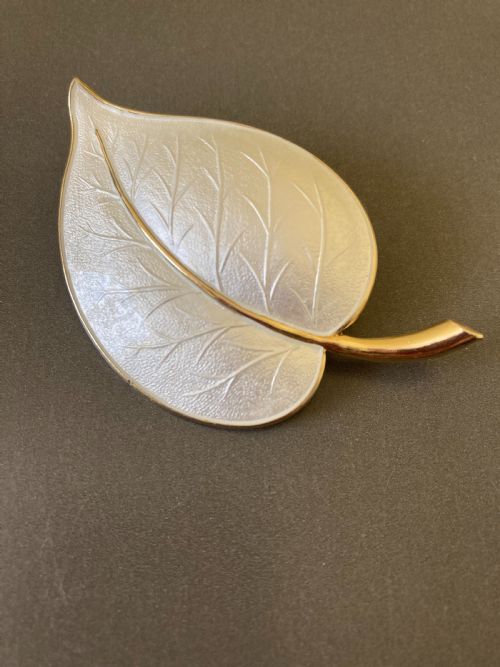
Makers frequently turned to nature for inspiration, resulting in frequent depictions of butterflies, flowers, leaves, and animals alongside abstract modernist shapes. Buyers will encounter various formats including bar brooches, cape clips, and sculptural pins designed to fasten garments.
While most inventory dates from the mid-century decades, occasional Victorian and Art Nouveau or Art Deco pieces appear, demonstrating a continuity of craft across multiple periods.
How they were made
Silversmiths utilised sterling silver and standard silver, frequently applying gold gilt or gold vermeil to the base metal to create rich tonal contrasts. Oxidised silver also appears in specific designs to accentuate depth and detail within the metalwork.
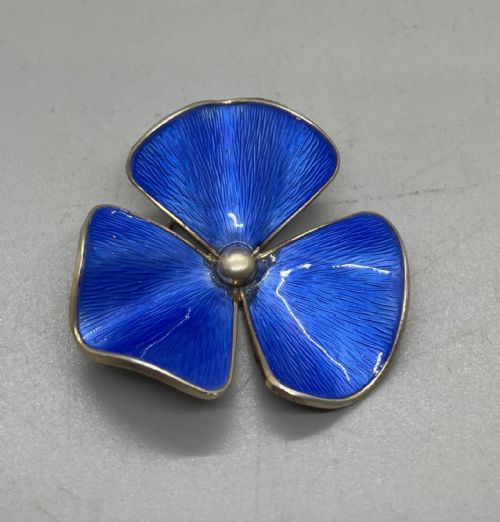
Vitreous enamel and guilloche enamel form the core of the decorative surface work, fused to the silver through high-temperature firing. Engine-turned guilloche patterns beneath translucent enamel create geometric light effects across wings and floral petals.
Scandinavian Silver Brooch Retail Price Guide 2026
Typical asking prices for scandinavian silver brooch among the pieces listed under this phrase on Sellingantiques today, from the lower quarter to the upper quarter. They describe what is for sale here now, not the wider market.
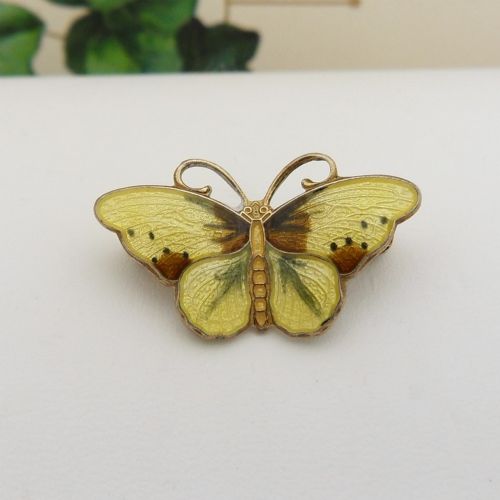
Several butterflies survived the twentieth century entirely intact, still waiting to land on a wool lapel.
What varies in quality
Quality rests in the precision of the guilloche engraving beneath the enamel and the complexity of the enamel work itself. Finer pieces demonstrate translucent colour gradients and perfectly smooth surface fusion without pooling or distortion.
Design execution and maker attribution separate standard production from exceptional examples. Works originating from recognised workshops command attention through crisper casting, superior stone or enamel retention, and distinct artistic styling.
Aksel Holmsen·Hroar Prydz·Georg Jensen·Gustav Gaudernack·David-Anderson
The Scandinavian Silver Brooch Glossary
- Guilloche enamel
- A decorative technique where the metal surface is mechanically engraved with intricate geometric patterns before translucent enamel is applied over the top. This allows light to reflect through the coloured glass in patterned waves.
- Sterling silver
- A silver alloy containing proportions of silver and other metals to ensure durability while maintaining a bright metallic lustre. Most pieces on this page utilise this standard.
- Silver gilt
- Silver that has been coated with a thin layer of gold on its exterior surface. This finish provides the appearance of solid gold while retaining a silver core.
- Sknvirke
- A Scandinavian design style spanning the late nineteenth and early twentieth centuries, comparable to Art Nouveau. It focuses on organic motifs and traditional Nordic craftsmanship.
- Vitreous enamel
- Glass powder fused to a metal substrate at high temperatures to create a durable, glossy coloured surface. It forms the vibrant panels seen across butterfly and floral motifs.
Scandinavian Silver Brooch: Frequently Asked Questions
How do I wear a vintage brooch?
These pieces fasten securely to lapels, scarves, jumpers, and coats using traditional pin stems and safety catches. Placing them on heavier wool fabrics or structured collars provides the necessary support for the weight of the silver.
Experimenting with placement allows the piece to function as both a functional fastener and a focal point of an outfit.
What periods do these brooches come from?
The inventory spans from the Victorian era and early twentieth-century Art Nouveau movements through to the prominent mid-century modern period of the 1950s and 1960s. Mid-century Scandinavian design forms the majority of the selection.
Earlier examples from the 1920s and 1930s reflect distinct stylistic shifts towards stylised flora and fauna.
How do I clean enamel jewellery?
Enamel requires gentle handling, using a soft cloth and lukewarm water to remove surface dust. Harsh chemical dips or ultrasonic cleaners should be avoided because they damage the glass surface and the underlying silver gilt.
Storing each brooch separately in a lined box prevents scratching between metal and enamel surfaces.
What motifs are most common?
Butterflies and floral sprays dominate the designs, reflecting a Scandinavian fascination with natural forms. Abstract modernist shapes and bar configurations also appear regularly across the mid-century selections.
Leaves, crowns, and figurative animal studies provide further variety for collectors focusing on specific themes.