

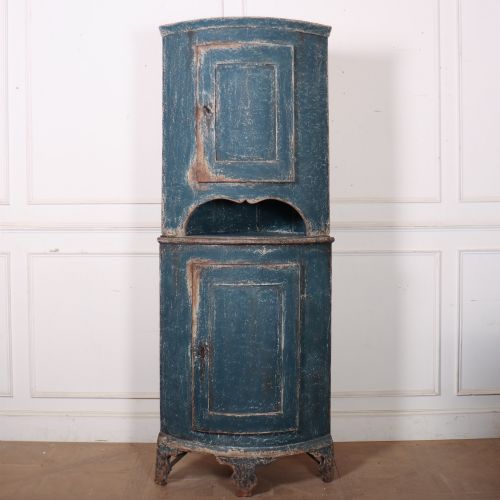


Scandinavian Pine Cupboard
A scandinavian pine cupboard brings rustic warmth and enduring utility to any room, offering generous storage wrapped in charming painted finishes.
Scandinavian Pine Cupboard
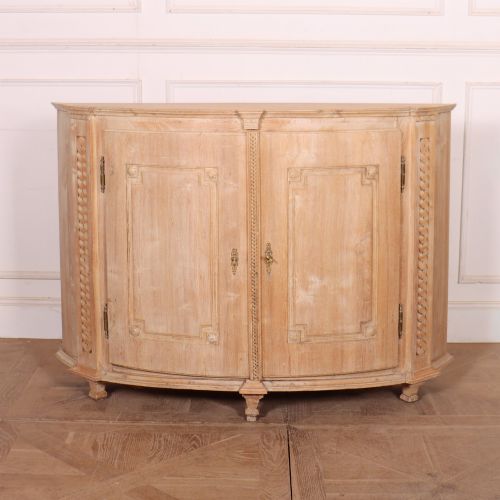
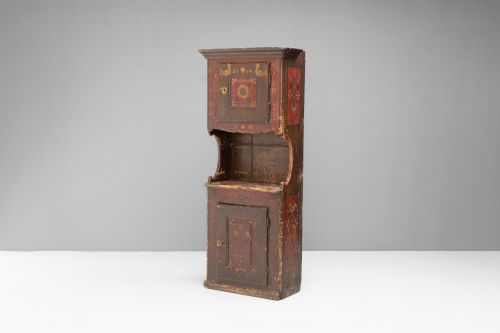
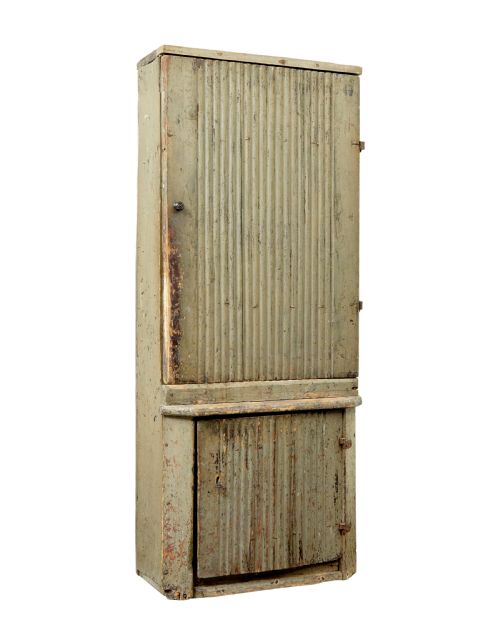
A scandinavian pine cupboard represents a tradition of practical domestic storage originating from northern Europe during the eighteenth and nineteenth centuries. These pieces encompass various forms including linen cupboards, wall cabinets, corner units, and larger kitchen dressers.
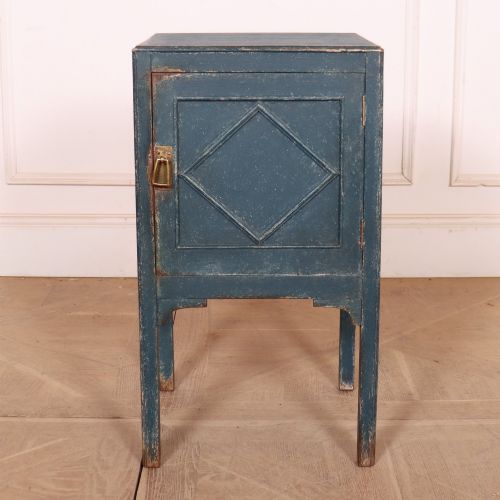
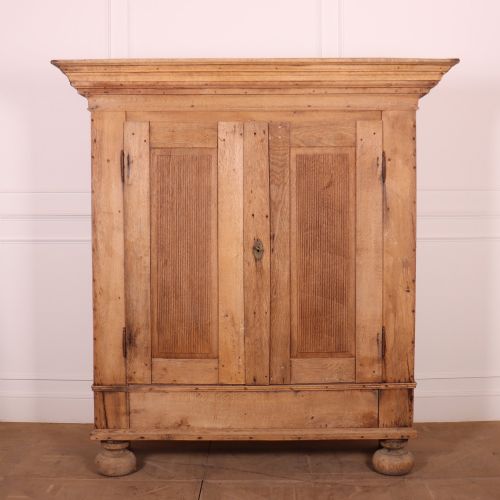
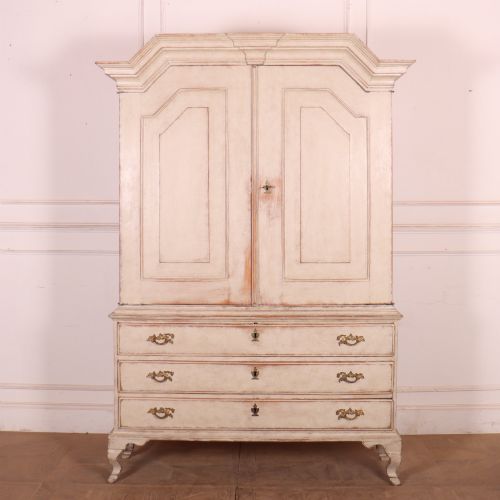
Buyers most frequently encounter nineteenth-century examples originating from Sweden, often featuring painted surfaces in muted tones. Forms range from narrow single-door cabinets to substantial double-door wardrobes and pieces raised on stands.
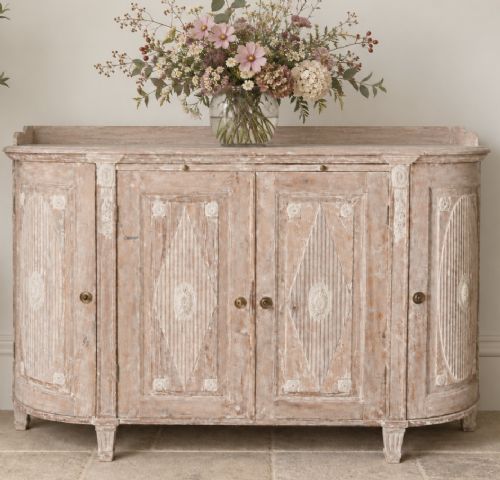
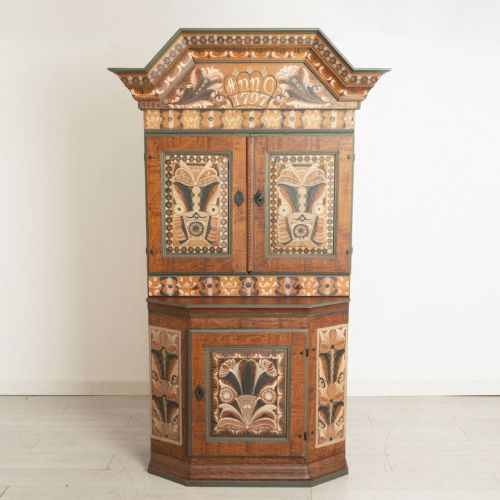
The selection includes specific regional styles such as Gustavian kitchen cabinets and folk art pieces displaying traditional decorative techniques. These items served essential functions in historic homes, storing textiles, kitchenware, and provisions.
Materials and construction
Makers utilised native pine as the primary structural timber, selecting softwoods that carpenters could easily shape, join, and paint. Iron and brass hardware such as hinges, latches, and key escutcheons secure the doors and drawers.
Surfaces frequently display layers of paint, including mineral paint, hand-mixed pigments, and traditional ragwork finishes. Artisans applied these decorative coatings to protect the softwood and brighten dimly lit northern interiors.
Scandinavian Pine Cupboard Retail Price Guide 2026
Typical asking prices for scandinavian pine cupboard among the pieces listed under this phrase on Sellingantiques today, from the lower quarter to the upper quarter. They describe what is for sale here now, not the wider market.
Listings span the eighteenth century through to the early twentieth century, encompassing Georgian, Victorian, and folk art traditions.
Distinctions in quality
Quality rests in the survival of original painted surfaces and the integrity of the timber joinery. Pieces retaining their early or scraped paint finishes demonstrate superior historical interest compared to later re-painted versions.
Proportion and decorative restraint separate standard utility pieces from finer examples designed in Gustavian or Scandinavian Baroque styles. Carved details, bonnet tops, and bowfronts indicate more ambitious cabinet-making.
The Scandinavian Pine Cupboard Glossary
- Gustavian
- The Swedish neoclassical style developed during the late eighteenth century, characterised by restrained symmetry and light-coloured paint.
- Ragwork
- A decorative painting technique using rags to apply or texture pigment onto pine furniture, creating mottled surface patterns.
- Bonnet top
- An arched or curved upper cornice found on tall cabinets and cupboards, adding height and architectural presence.
- Bowfronted
- Having a convex, curved front profile that softens the corners of a cabinet or corner cupboard.
Scandinavian Pine Cupboard: Frequently Asked Questions
How were these cupboards used historically?
These cupboards served multiple domestic storage needs, primarily holding household linens, kitchen provisions, and clothing in rural homes.
Larger double-door examples functioned as wardrobes or dressers, while smaller wall-mounted units kept everyday items within easy reach.
How do I identify a Gustavian piece?
Gustavian pieces typically display neoclassical design influences, drawing inspiration from French styles adapted with Scandinavian simplicity.
Look for fluted columns, understated carved details, and pale painted finishes that reflect light.
Are the painted finishes original?
Many pieces retain their original or early painted surfaces, sometimes revealed through careful scraping by conservators to expose historic layers.
Original ragwork, mineral paint, and folk art decoration distinguish period examples from modern decorative repainting.
How do I fit a tall cupboard into a modern room?
Narrow single-door cabinets and wall cupboards provide vertical storage without occupying excessive floor space in compact rooms.
Larger linen cupboards and armoires anchor larger spaces while offering deep interior shelving for modern storage requirements.