




Scandinavian Marriage Chest
A scandinavian marriage chest brings rustic folk art directly into a room, offering both practical storage and historical charm.

Scandinavian Marriage Chest
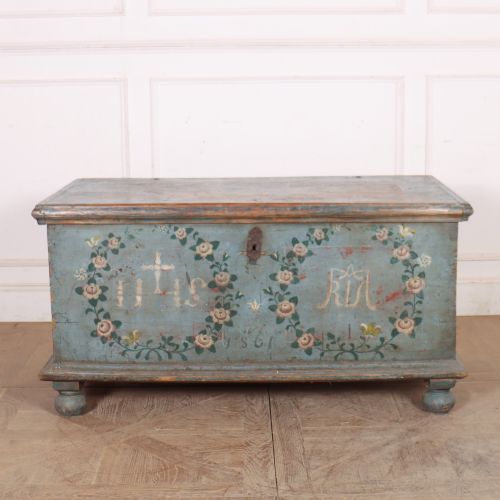
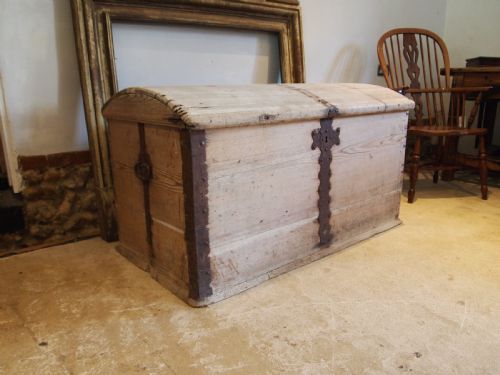
When you search for a scandinavian marriage chest, you encounter sturdy wooden boxes created to hold a bride's trousseau. These pieces predominantly originate from Sweden during the eighteenth and nineteenth centuries, taking forms such as dome-top coffers, blanket boxes, and shaped boxes on stands.
The items found here include traditional folk art designs and country pieces from the Georgian era through the mid nineteenth century. Most examples function as versatile storage chests, featuring hinged lids and substantial proportions suited for domestic use.
How they were made
Carpenters constructed these boxes primarily from solid pine and occasionally oak, joining the timber with traditional methods to withstand heavy daily use. Wrought iron hardware, including strap hinges and locks, reinforced the corners and lids of the coffers.
Workmen applied pigment and paint directly to the wood surface, often creating detailed folk art decorations. This painted finish defines the exterior appearance of the pieces, utilising natural earth pigments mixed into oil or milk paint bases.
Some nineteenth century brides received chests with hidden compartments inside, built specifically to guard secret love letters and wedding trinkets.
What varies in quality
The distinction between standard domestic utility pieces and finer examples rests in the complexity of the painted decoration and the survival of the original surface. Earlier eighteenth century items often display deeper patination and bolder folk art motifs compared to later nineteenth century iterations.
Structural integrity also separates the examples, noting how well the pine or oak boards maintain their alignment and how securely the wrought iron fixtures remain attached to the chest.
The Scandinavian Marriage Chest Glossary
- Coffer
- A heavy wooden box used for storing valuables, textiles, or personal belongings. These items typically feature flat or domed lids and sturdy iron carrying handles.
- Dome top
- A rounded lid construction that allows water or dust to slide off easily while providing extra interior clearance. This shape appears frequently on nineteenth century Swedish chests.
- Folk art
- Traditional decorative work produced by self-taught or rural artisans rather than urban workshops. These designs rely on regional motifs and local pigment colours.
- Pigment paint
- Colouring matter ground into a liquid medium and applied to wooden surfaces for decoration and protection. Such finishes define the visual character of Scandinavian country furniture.
- Wrought iron
- Iron beaten into shape by hand using a hammer and anvil, resulting in durable hinges, brackets, and locks. This material provides both functional support and decorative contrast on painted pine.
Scandinavian Marriage Chest: Frequently Asked Questions
What is a scandinavian marriage chest?
A scandinavian marriage chest is a wooden storage box traditionally given to a bride to hold her household linens and personal belongings. These pieces originate mainly from Sweden and date from the eighteenth and nineteenth centuries.
They combine practical timber construction with decorative painted surfaces, making them central items in rural Scandinavian households.
How were these chests used?
Families used these large coffers to store heavy textiles, blankets, and garments, keeping valuable fabrics safe from pests and moisture. The sturdy lids also allowed the boxes to serve as seating benches within the home.
Over time, they evolved from utilitarian storage units into cherished heirloom objects that displayed a family's status.
Where should I place a painted chest?
These chests fit well in hallways, living rooms, or bedrooms where their generous proportions provide useful surface space and hidden storage. Placing them away from direct sunlight and radiators helps protect the fragile painted pine surfaces.
Their folk art designs allow them to act as focal points in both traditional and contemporary interiors.
How do I date a painted coffer?
Dating relies on examining the construction methods, the type of wood, and the style of the painted pigment decoration. Eighteenth century pieces often show deeper patination and simpler, bolder folk art motifs, while nineteenth century examples frequently feature dome tops and detailed brushwork.
In some instances, makers painted specific dates directly onto the surface of the box.