
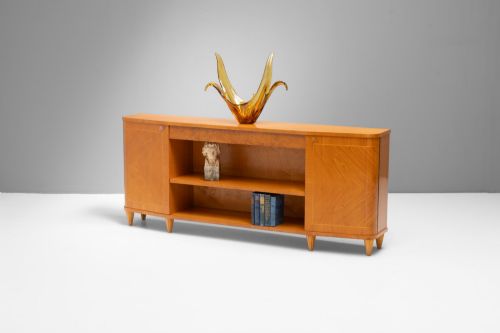
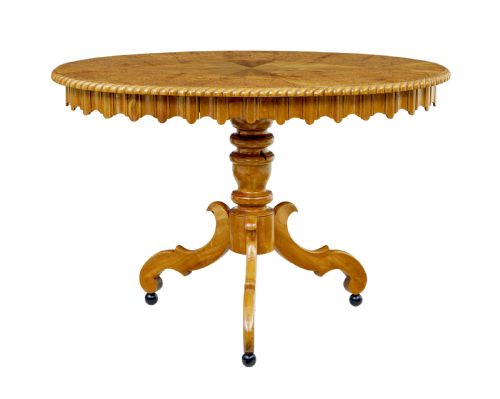
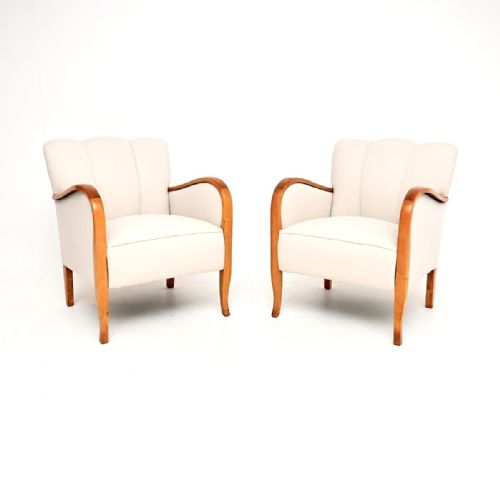
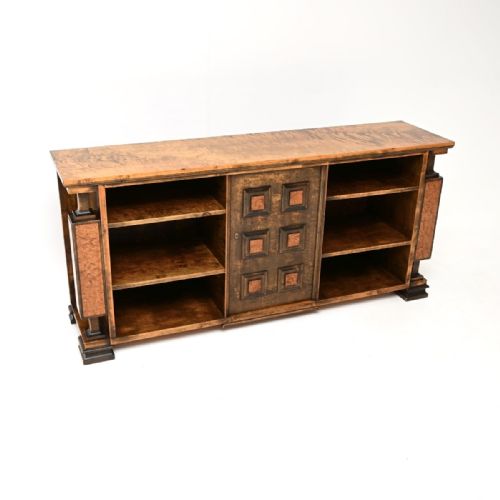



Scandinavian Birch Furniture
Scandinavian birch furniture comprises tables, chests and seating shaped from pale northern hardwoods across the eighteenth, nineteenth and twentieth centuries.
Scandinavian Birch Furniture
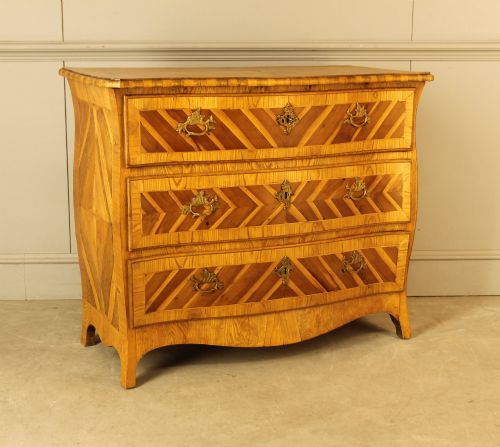
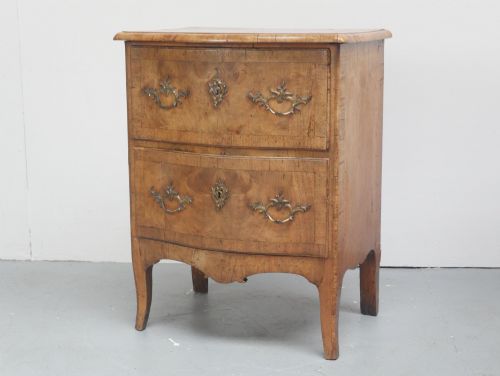
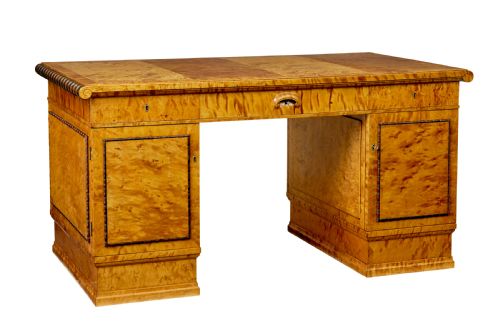
Scandinavian birch furniture spans a range of domestic forms including chests of drawers, armchairs, occasional tables, and secretaires. These pieces originate predominantly from Swedish workshops and trace periods from the eighteenth-century Rococo era through nineteenth-century Biedermeier and Empire revivals into twentieth-century Art Deco and Swedish Grace designs.
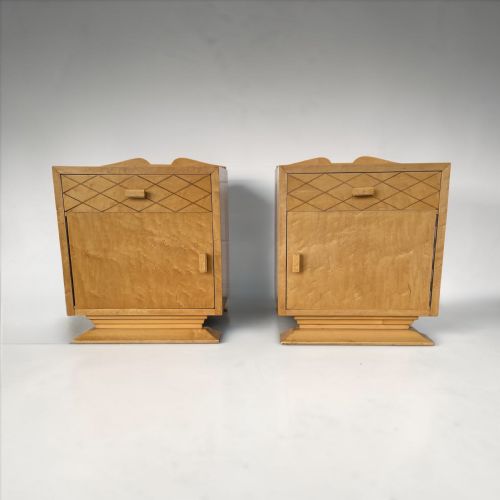
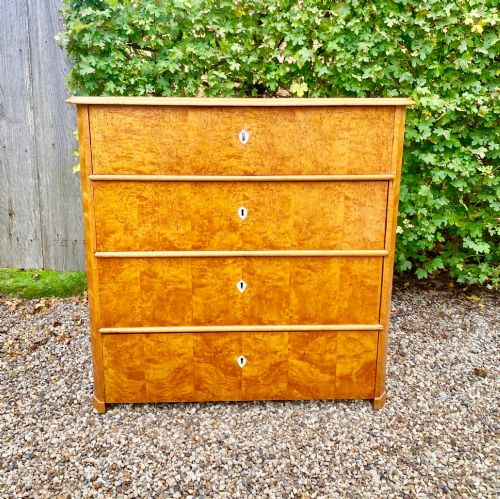
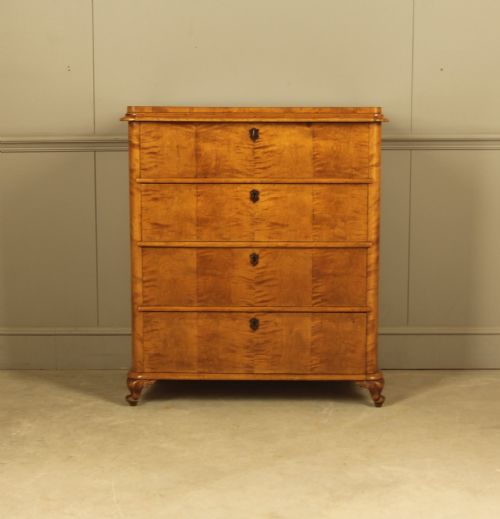
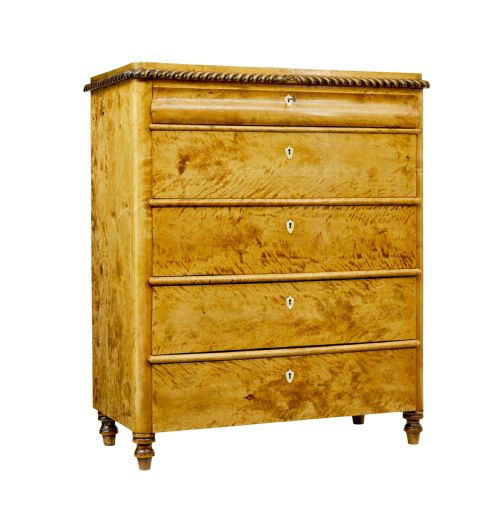
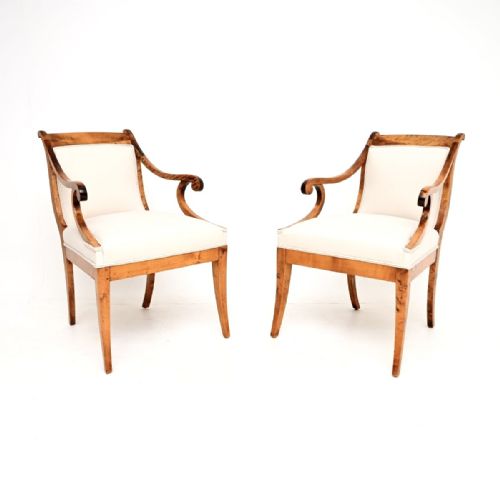
The version most commonly met on this page is the nineteenth-century chest of drawers, often constructed in varieties of figured timber such as burr, flame, tiger, or masur birch. Alongside these storage pieces, buyers regularly encounter seating such as armchairs and stools, plus occasional, centre, and bedside tables.
The design vocabulary shifts from ornate carved Rococo curves and classical Empire columns to the restrained geometric lines of Biedermeier and the streamlined planes of Scandinavian Art Deco. This variety reflects changing domestic interiors across the region while maintaining a consistent focus on pale native woods.
What varies in quality
Quality in these pieces rests primarily on the selection and matching of the timber veneers, where highly figured burr, masur, or flame birch displays exceptional depth and movement across a drawer front or table top. The skill of the cabinetmaker shows in how harmoniously these grain patterns align across multiple drawers or panels.
Construction methods and decorative restraint further separate examples, as finer pieces balance substantial proportions with refined proportions and subtle inlay work. The integration of secondary materials, such as well-cast brass mounts or fitted marble tops, distinguishes standard utilitarian items from finer studio or workshop productions.
Listings span periods from the 18th century to 1930, uniting classical Swedish Rococo and Biedermeier forms with later Art Deco and Swedish Grace designs.
Gemla Fabrikers
The Scandinavian Birch Furniture Glossary
- Masur birch
- A natural growth variation in birch timber producing a distinctive mottled, speckled figure that resembles tiny flame bursts across the surface. This highly decorative grain was prized by nineteenth-century Scandinavian cabinetmakers.
- Biedermeier
- A influential Central and Northern European style spanning the mid-nineteenth century characterised by clean lines, minimal ornamentation, and a focus on the natural beauty of wood veneers. Swedish interpretations often utilised pale birch timbers to brighten domestic interiors.
- Secretaire
- A cabinet or chest of drawers incorporating a fitted writing desk drawer with a drop-front panel and internal small compartments. These dual-purpose items were popular in nineteenth-century Scandinavian homes.
- Ormolu
- Gilded bronze ornamentation applied to furniture, though brass mounts are more commonly found on Scandinavian birch pieces of the period. These metallic accents highlight structural corners and key escutcheons.
- Rococo
- An eighteenth-century design style marked by asymmetrical curves, elaborate carving, and flowing organic forms. Swedish Rococo furniture often combined these lively contours with native pale woods.
Scandinavian Birch Furniture: Frequently Asked Questions
What is masur birch?
Masur birch is a natural variation of the birch tree that develops an irregular, speckled grain pattern. Cabinetmakers sliced this timber into veneers to create richly textured surfaces on nineteenth-century chests and tables.
The distinct pattern arises from local growing conditions and genetics within northern European forests. It remains one of the most identifiable surface treatments on Scandinavian case furniture.
How do I care for satin birch surfaces?
Keep nineteenth-century birch furniture away from direct sunlight and strong heat sources to prevent the timber from drying out or fading. Dust gently with a dry or very slightly damp cloth and avoid modern aerosol polishes.
Wax finishes can be renewed occasionally with a traditional beeswax formulation to maintain the natural sheen of the wood. Regular gentle care preserves the delicate honey tones characteristic of the timber.
How do I tell Biedermeier from Art Deco birch pieces?
Biedermeier furniture from the nineteenth century relies on classical proportions, warm polished wood surfaces, and subtle columns or pilasters. The aesthetic prioritises domestic comfort and showcases the natural grain of birch without excessive embellishment.
Twentieth-century Art Deco pieces introduce more geometric, streamlined silhouettes, sometimes pairing birch with contrasting dark woods like walnut or elm. These later designs reflect industrial modernity and the Swedish Grace movement rather than nineteenth-century revivalism.
Were these pieces painted originally?
While the majority of Scandinavian furniture displays natural or polished birch veneers, certain workshops produced painted variations. Simulated birch finishes involved hand painting ordinary timber to mimic the complex grain patterns of figured birch.
This technique allowed makers to achieve an expensive decorative effect using alternative structural woods. Surviving examples demonstrate skilled artisan brushwork designed to deceive the eye.