
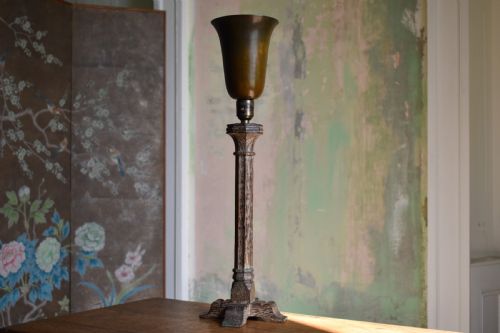


Light Wood Accent Table
A light wood accent table brings warmth and distinct grain to a room through pieces crafted in oak, birch, sycamore, and ash.
Light Wood Accent Table
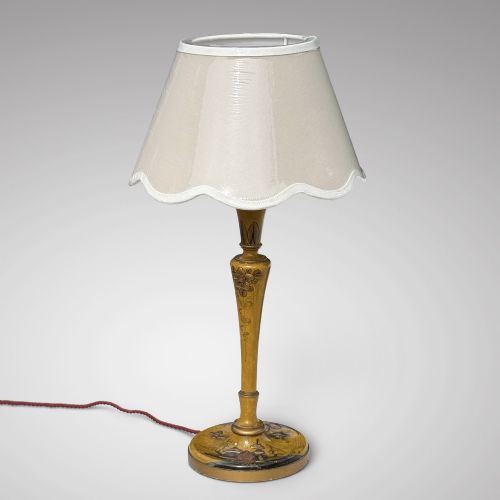
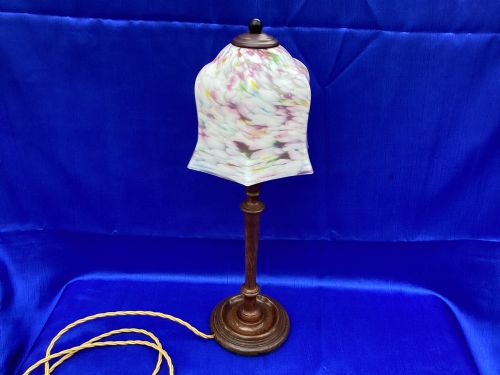
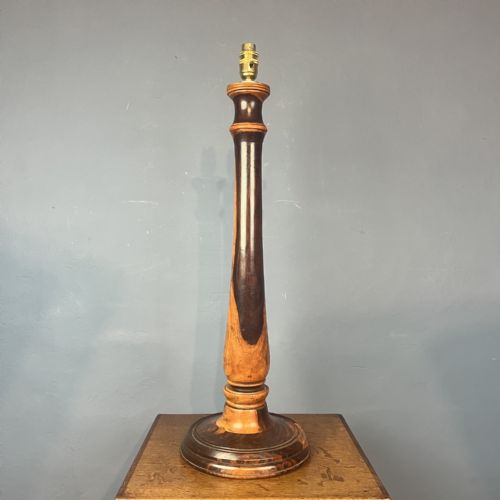
A light wood accent table encompasses side tables, occasional tables, and table lamps sourced across periods from the eighteenth century to the early twentieth century. Buyers seeking this phrase encounter practical small furniture and lighting rendered in pale timbers like birch, oak, ash, and sycamore.
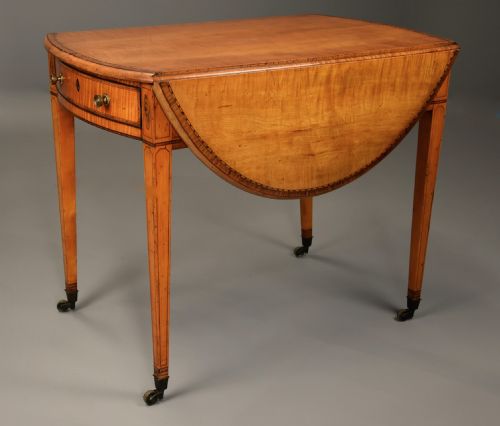
The selection ranges from Swedish birch occasional tables and English bleached oak lamp tables to Chinese elm side tables and solid fiddleback sycamore Pembroke tables. These pieces offer functional surfaces and illumination while showcasing natural timber tones.
Side tables and occasional tables provide compact surfaces for daily use, while table lamps cast focused light through bases formed from carved wood. Together they introduce understated organic texture into traditional and modern interiors.
Quality and craftsmanship
Quality rests in the selection of the timber and the skill of the carving or joinery. Finer examples display striking natural grain patterns, such as fiddleback sycamore or figured birch, paired with crisp, well-defined hand-carved details.
Construction integrity distinguishes superior pieces, evident in tight joints, original surface treatments, and substantial proportions. The balance between timber selection and decorative execution defines the lasting merit of each table or lamp.
Listings feature items spanning the eighteenth, nineteenth, and early twentieth centuries, constructed from oak, birch, ash, elm, sycamore, and mahogany.
The Light Wood Accent Table Glossary
- Fiddleback sycamore
- A timber featuring a wavy, rippled grain pattern that catches the light. This figured wood appears on select eighteenth-century surfaces.
- Bleached oak
- Oak treated to lighten its natural tone, yielding a pale, neutral finish. English makers utilised this process to modernise traditional furniture.
- Occasional table
- A small, movable table designed for specific, intermittent use in a room. These pieces include octagonal and folding variants from the early twentieth century.
- Giltwood
- Wood that has been coated with gold leaf or gold paint, frequently applied over gesso. This technique highlights carved details on lamps and frames.
- Pembroke table
- A small drop-leaf table with hinged flaps on either side. Eighteenth-century versions in solid timbers provide flexible surface space.
Light Wood Accent Table: Frequently Asked Questions
What periods do these light wood tables come from?
The pieces span from the eighteenth century through the nineteenth century and into the early twentieth century. Examples include Georgian, Victorian, and Arts and Crafts designs alongside revival styles.
Craftsmen across Europe and Asia produced these items using regional timbers like birch, oak, elm, and sycamore. Each period brings distinct construction methods and decorative finishes to the light wood aesthetic.
How do I style a light wood accent table?
A light wood accent table or lamp base integrates easily into neutral or colourful interiors by adding organic texture and warmth. Pair a birch side table beside a sofa or place an oak lamp table in a hallway for functional surface space.
Their pale tones complement both traditional antiques and modernist furnishings without overwhelming the room. Allow the natural grain to stand out by keeping surface items minimal and purposeful.
What is the difference between a side table and an occasional table?
A side table typically remains in a fixed position beside seating or against a wall to hold lamps or books. An occasional table is generally lighter and designed to be moved around a room as needed.
Both forms utilise pale timbers like ash, birch, and elm. Their compact footprints make them versatile additions to various living spaces.
How do I identify Swedish birch tables?
Swedish birch tables from the nineteenth and early twentieth centuries display a pale, blonde timber with a fine, uniform grain. They often feature clean lines influenced by neoclassical or rococo revival styles.
Makers valued birch for its bright appearance and sturdy properties, utilising it for octagonal occasional tables and paired side tables. The light tone remains a defining characteristic of these Scandinavian pieces.