


Scandinavian Accent Tables
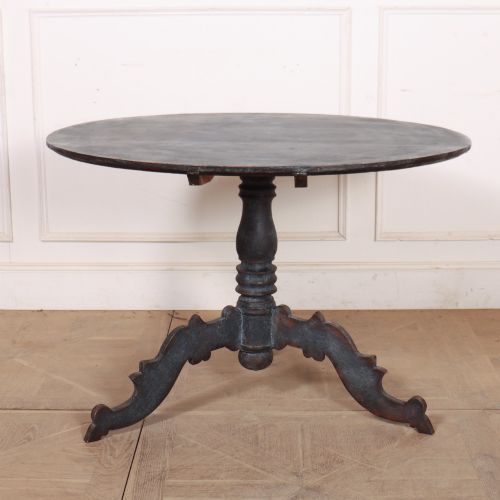
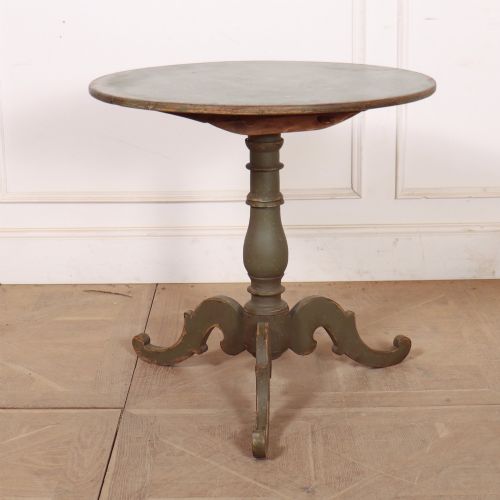
Scandinavian accent tables bring northern utility and understated form into a room, offering surface space through painted pine, birch and burr wood.
Scandinavian Accent Tables
When you search for scandinavian accent tables, you encounter compact side, lamp, occasional and tea tables created primarily in Sweden during the nineteenth and early twentieth centuries. These forms served practical household functions in northern European interiors, providing moveable surfaces for daily domestic life.
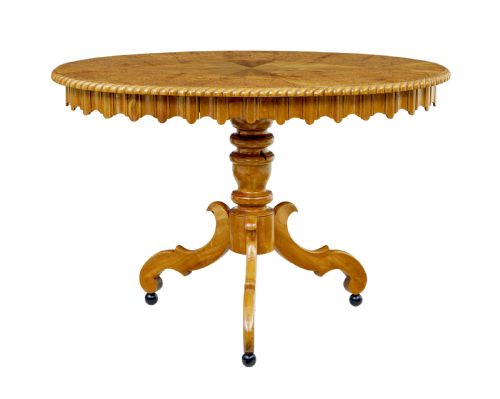
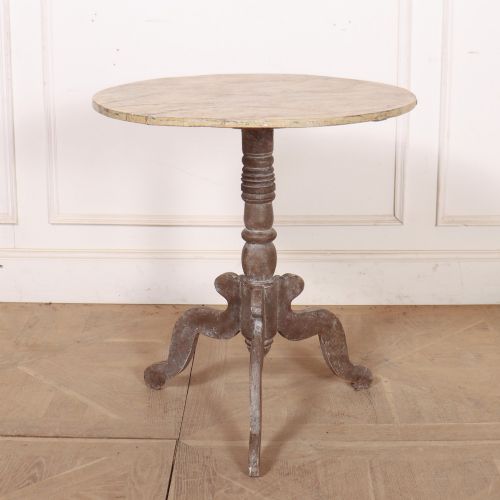
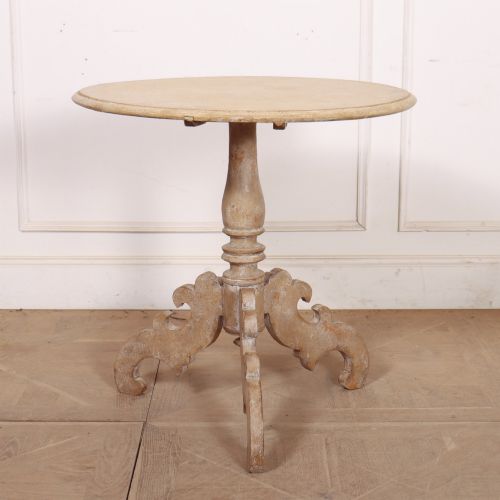
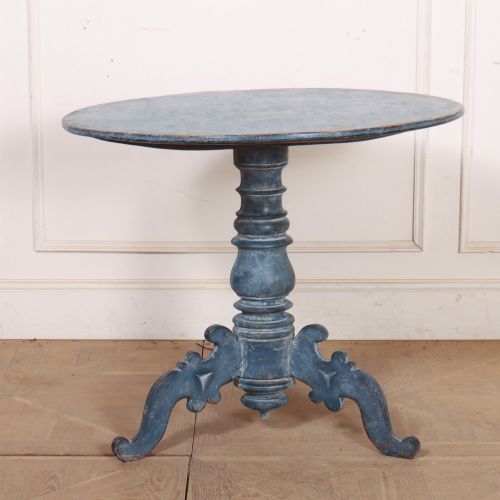
The most common versions met on this page are painted softwood lamp tables and richly figured birch occasional tables originating from nineteenth century workshops. Alongside these stand rarer regional expressions such as tilt top tables in alder root and folding ragwork painted designs.
Stylistic influences span from rustic country pieces to formal revivals including Gustavian, Biedermeier, Empire and Rococo Revival. Each piece reflects the specific aesthetic priorities of its period, moving from carved embellishment to cleaner geometric lines as the twentieth century approached.
How they were made
Cabinetmakers utilised indigenous northern timbers, pairing sturdy structural pine and softwood with decorative hardwood veneers like birch, burr birch, burr walnut and alder root. Timber selection dictated the character of the piece, contrasting plain painted surfaces against the lively figuring of natural grain.
Surface finish played a central role in construction, with many pine and softwood examples receiving layers of oil paint or decorative ragwork treatments. Tables built from figured hardwoods relied on French polishing or clear sealing to highlight the natural patterns within the burr and grain.
Makers occasionally turned humble alder roots into surprisingly expressive tabletops.
What varies in quality
The distinction between standard domestic items and superior examples lies in the precision of the timber selection and the sophistication of the finish. Finely figured burr birch and alder root veneers demand meticulous matching and application, elevating an everyday occasional table into a notable piece of cabinet work.
Structural integrity and the preservation of original painted surfaces also determine the standing of an individual table. Pieces that retain their early or original paint finishes without excessive modern intervention hold greater interest for collectors seeking authentic northern European furniture.
The Scandinavian Accent Tables Glossary
- Burr birch
- A growth formation on the birch tree that produces highly figured, swirling patterns in the timber grain. Cabinetmakers prized this material for veneering tabletops.
- Ragwork
- A decorative painting technique where cloths are used to apply or manipulate paint on a surface, creating mottled or textured patterns common on country furniture.
- Tilt top
- A table mechanism allowing the surface to pivot into a vertical position when not in use. This design saved space in compact nineteenth century rooms.
- Occasional table
- A small, moveable table designed for intermittent use around a sitting room or bedroom. The category encompasses lamp, tea and side tables.
- Gustavian
- The Swedish neoclassical style spanning the late eighteenth and early nineteenth centuries. It is characterised by restrained classical motifs and pale painted finishes.
Scandinavian Accent Tables: Frequently Asked Questions
How do I use a Scandinavian accent table?
These compact pieces fit easily beside seating arrangements to hold lamps, books or cups during daily use.
Their modest proportions also allow them to function effectively as bedside stands or decorative display surfaces in narrow hallways.
Are these tables sturdy enough for daily use?
Traditional construction methods using solid pine, birch and hardwood ensure reliable stability for everyday domestic placement.
Care should be taken with antique painted finishes and veneered surfaces to avoid moisture damage from un-placematted glasses.
How do I identify a painted table's period?
Paint analysis and the underlying timber preparation reveal clues about when a piece was manufactured and finished.
Nineteenth century country pieces often show layered hand applied finishes, while later examples adopt more uniform industrial techniques.
What is the difference between an occasional table and a side table?
The terms largely overlap in antique cataloguing, describing small moveable surfaces intended to stand against walls or beside chairs.
Occasional tables sometimes feature specific mechanical elements like tilt tops, whereas side tables focus purely on static surface utility.