
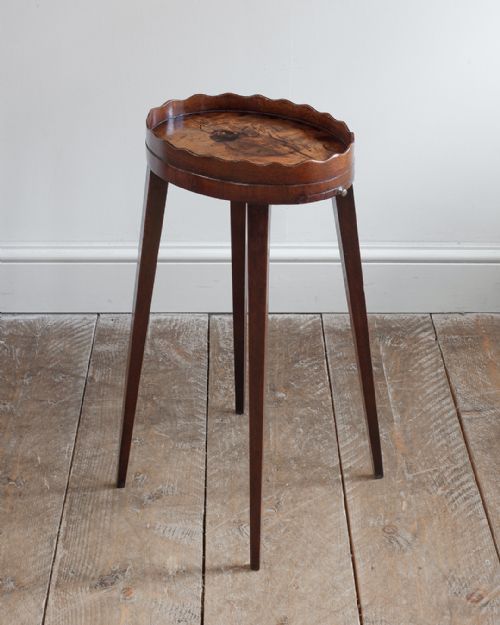
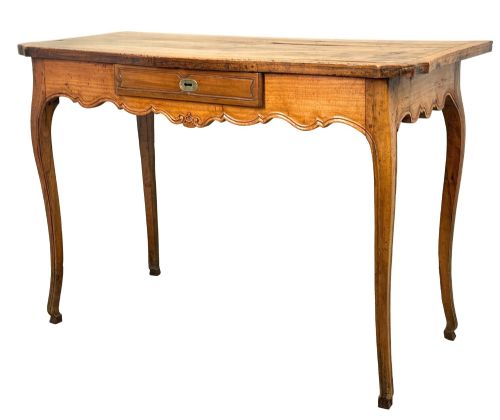
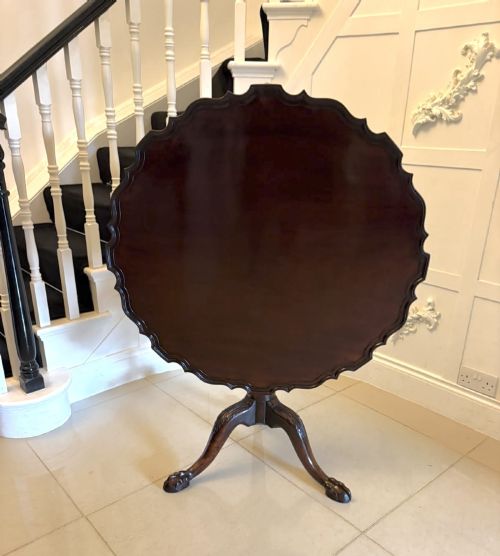
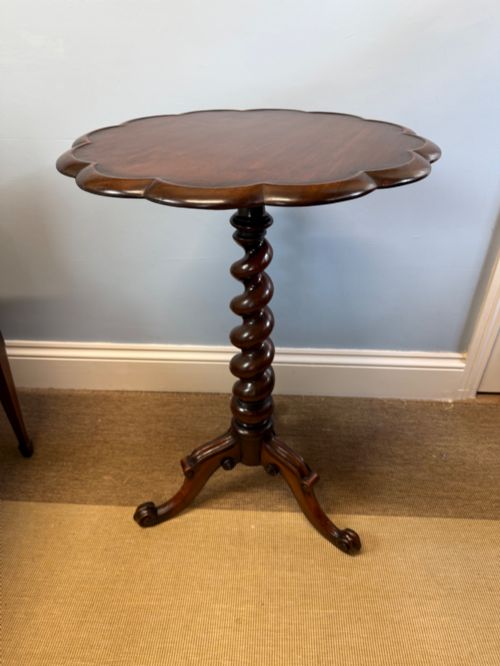
Scalloped Side Table
A scalloped side table brings sculptural edge and compact convenience to a room, offering a distinct alternative to straight-lined surfaces.
Scalloped Side Table
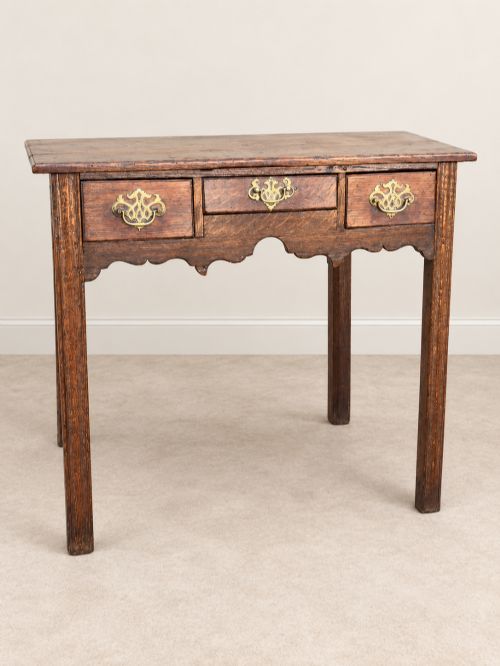
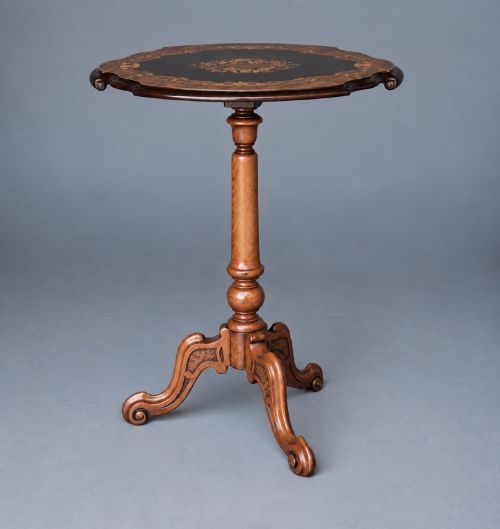
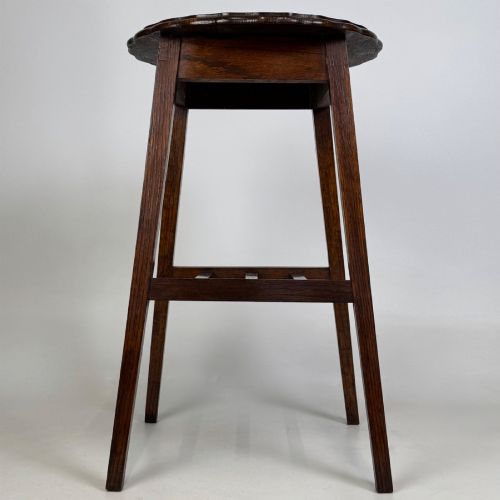
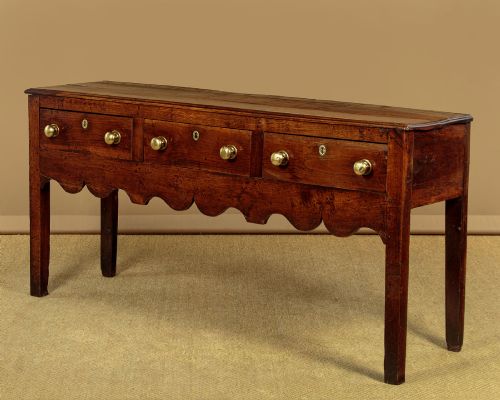
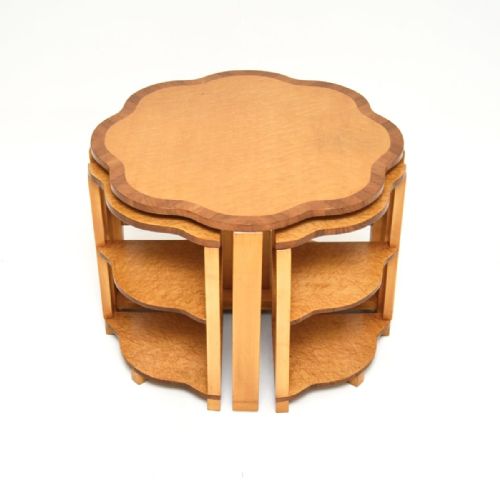
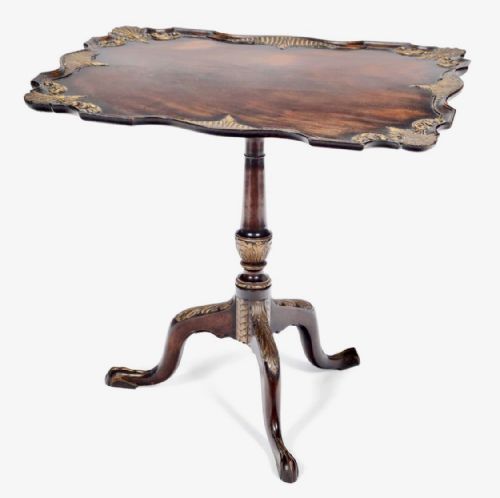
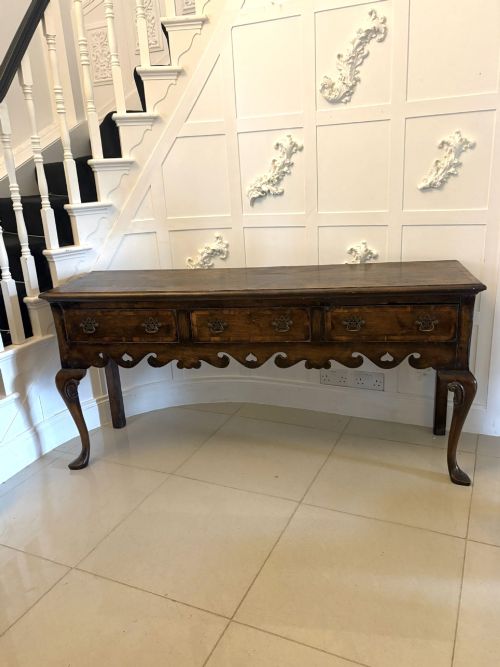
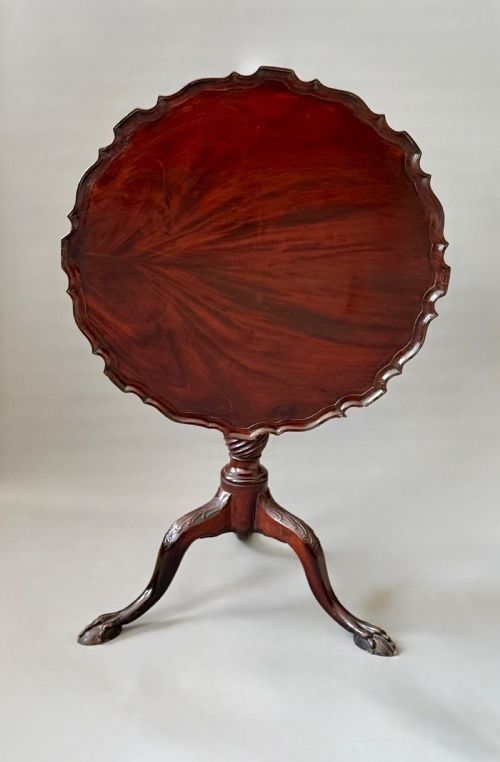
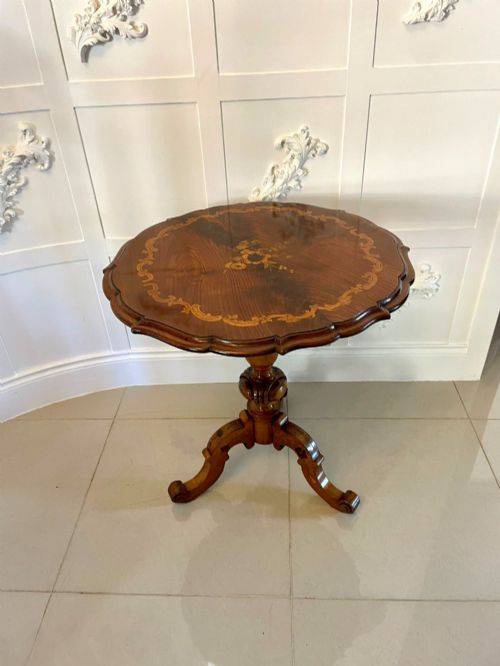
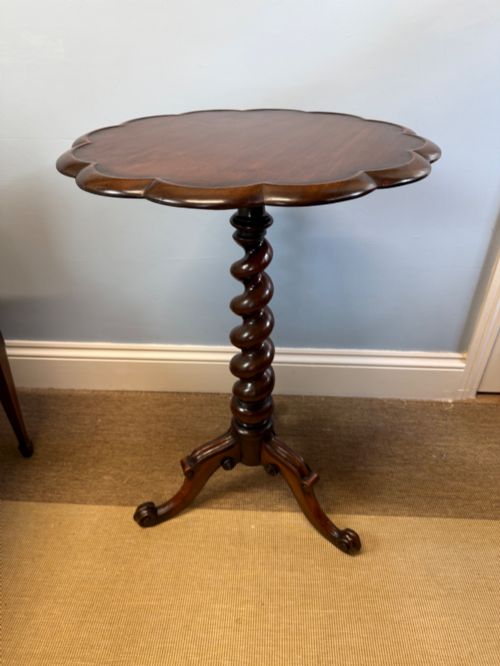
Makers and cabinetmakers produced these designs across Georgian, Victorian, Edwardian, and later twentieth-century phases, applying shaped edges to circular or oval tops. Buyers encounter everything from simple oak country pieces to highly decorative marquetry and tilt-top examples.
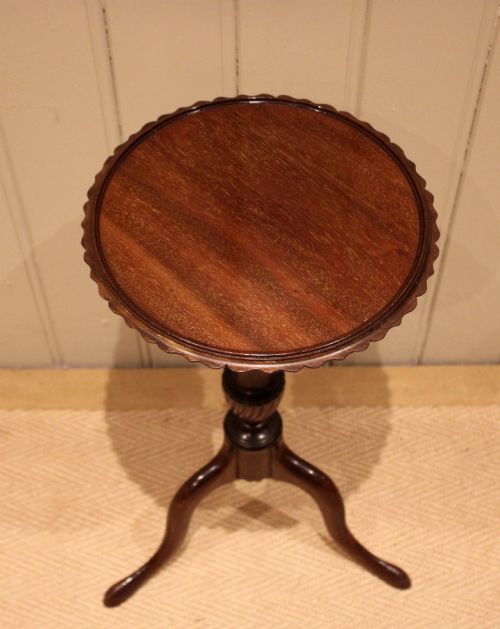
The profile often incorporates pie crust or scalloped borders, supported by pillar and tripod bases or cabriole legs. Such tables function effectively beside seating or in hallways, combining practical surface area with period character.
Materials and construction
Cabinetmakers utilised solid timbers including mahogany, oak, walnut, and fruitwood, frequently pairing them with decorative veneers such as burr walnut and birds-eye maple. Timber selection dictated the structural integrity and grain pattern of the top.
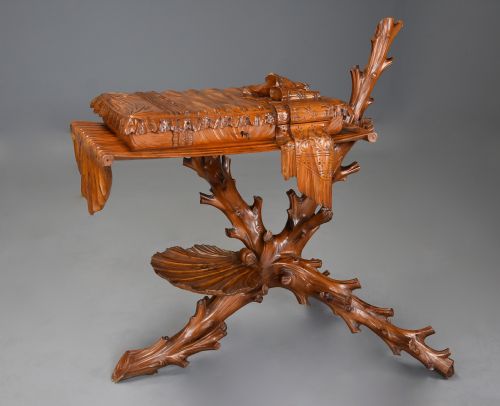
Carving and shaping formed the characteristic edge details, with artisans working by hand to create pie crust and scalloped profiles. Pillar supports often terminated in tripod legs, while brass fittings, inlay, and marquetry added ornamental detail.
Several tables include clever tilt-top mechanisms, once praised for keeping the surface safely out of reach of overly enthusiastic pets.
Judging execution
Quality rests in the crispness of the edge carving and the fluidity of the scalloped outline, where hand-shaped timber reveals the maker's skill. Superior examples display balanced proportions between the top, the central pillar, and the supporting feet.
The choice of timber and veneer determines the visual depth of the surface, particularly in figured walnut or rich mahogany. Joinery execution, stability in the tilt-top mechanism, and the integrity of any inlay separate standard production from exceptional pieces.
Gillows·Shapland and Petter
The Scalloped Side Table Glossary
- Pie crust table
- A small circular table featuring a raised, carved, and scalloped edge resembling pastry work. This decorative border prevents items from rolling off the surface.
- Tripod table
- A small freestanding table supported by a central pillar resting on three legs. These versatile pieces appeared frequently during the Georgian and Victorian periods.
- Tilt top
- A table mechanism allowing the surface to pivot ninety degrees for storage against a wall when not in use. It requires a stable catch or latch beneath the top.
- Low boy
- A small eighteenth-century dressing or side table fitted with one or more rows of drawers beneath the top. They were typically constructed in oak, walnut, or fruitwood.
- Marquetry
- The art of applying decorative veneer pieces to a structure to form geometric or pictorial designs. Craftsmen utilised various coloured woods to create contrast.
Scalloped Side Table: Frequently Asked Questions
Where should I place a scalloped side table?
These compact tables suit living rooms as lamp or coffee surfaces, or bedrooms as small bedside stands. Their shaped edges add visual interest when positioned beside armchairs or in empty hallway corners.
Because many examples feature narrow tripod bases or slender legs, they require modest floor space while providing a practical surface for books or lighting.
How do I care for antique wood surfaces?
Maintain timber surfaces by dusting with a soft, dry cloth and avoiding direct sunlight, which can fade mahogany and walnut veneers over time. Use coasters or mats to protect polished finishes from moisture and heat.
Occasional application of appropriate wax polish nourishes the wood and preserves the natural lustre built up over centuries of handling.
What is the difference between a wine table and an occasional table?
A wine table traditionally refers to a small, tall tripod table designed originally to hold a single glass or bottle during evening gatherings. They feature modest circular tops, often with scalloped or pie crust edges.
Occasional tables encompass a broader category of small, movable furniture pieces used intermittently for lamps, plants, or display across various domestic settings.
How can I identify a tilt-top mechanism?
A tilt-top table incorporates a clever catch block beneath the surface allowing the tabletop to pivot into a vertical position. This historical design saved valuable floor space in smaller eighteenth and nineteenth-century rooms.
When examining the underside, look for a traditional bird-cage or wooden catch mechanism that secures the tabletop firmly when lowered horizontally.