



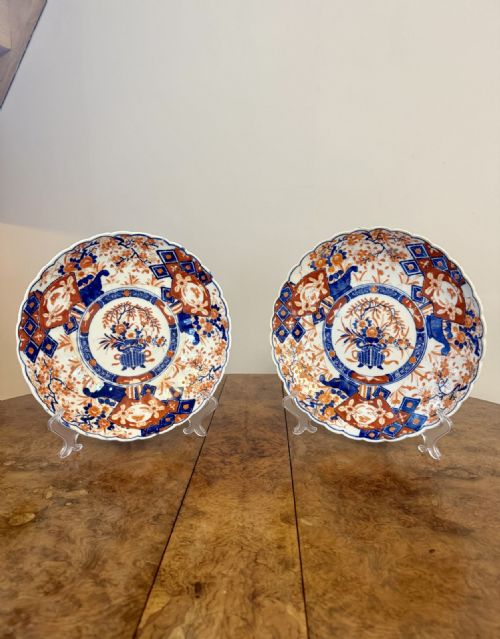
Scalloped Japanese Plate
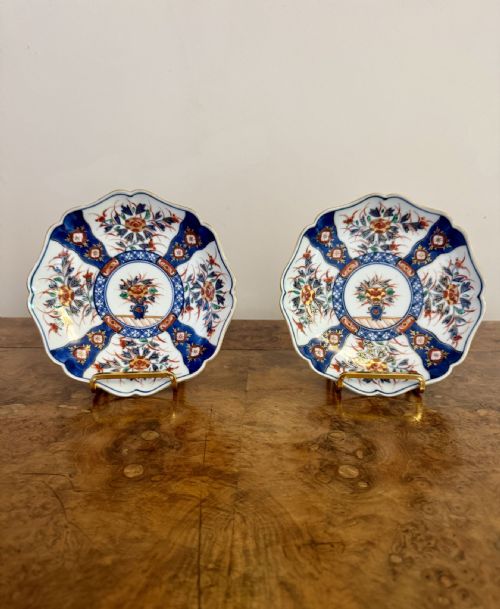
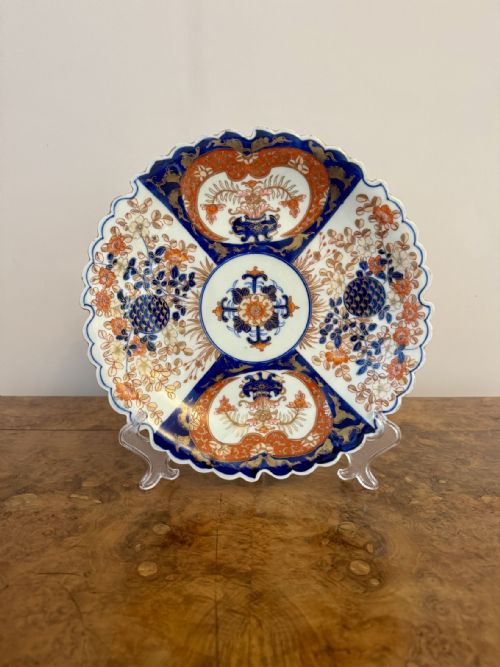
A scalloped japanese plate brings the bold palette of Meiji ceramics into a room, shaped with wavy rims that catch the light.
Scalloped Japanese Plate
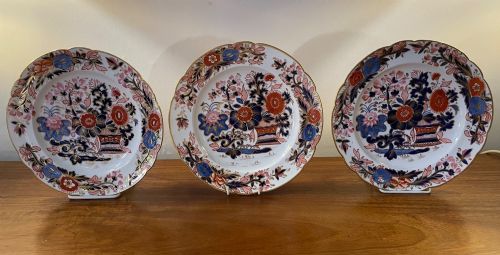
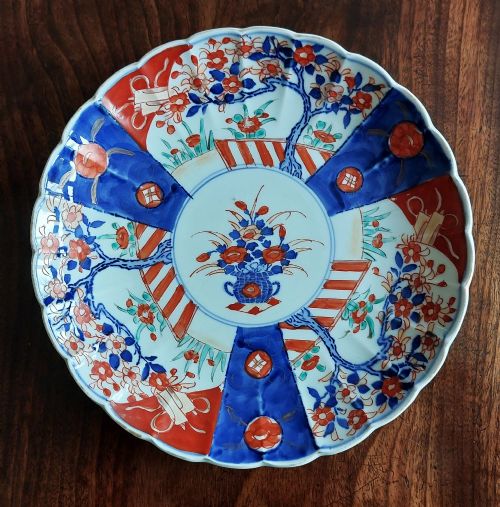
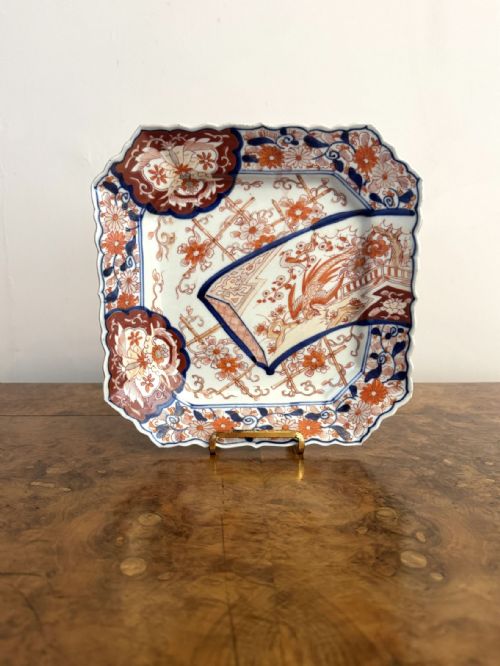
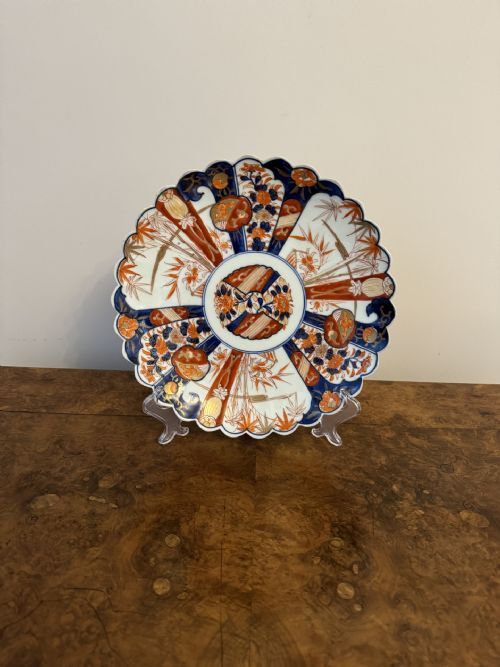
A scalloped japanese plate is a decorative ceramic piece designed for display or serving, most commonly found from the Meiji period and the nineteenth century. These items include chargers, dishes and wall plates shaped with indented rims, often bearing traditional motifs like exotic birds and floral patterns.
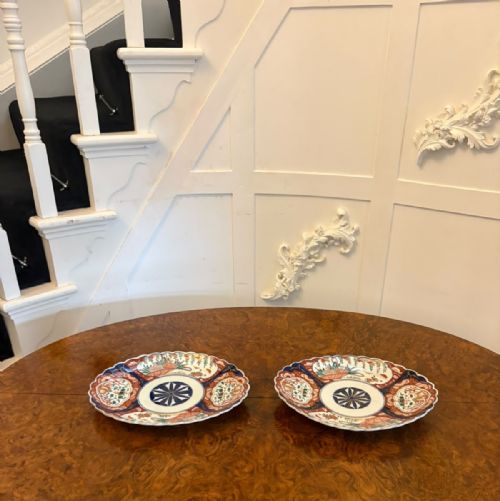
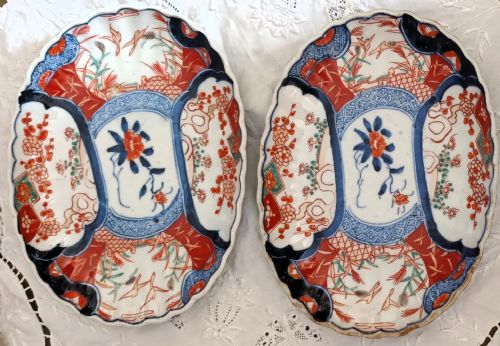
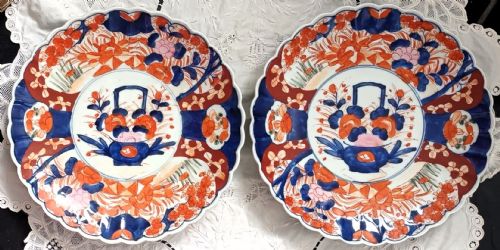
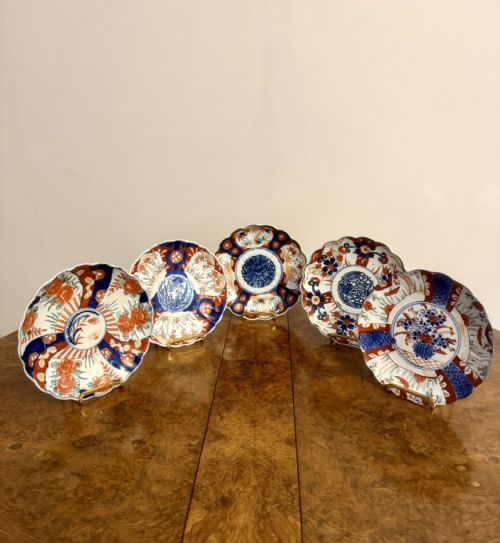
The version most frequently met on this page is the Japanese Imari plate, produced in porcelain with distinctive palettes. They appear individually, in pairs, or in matched collections spanning several pieces.
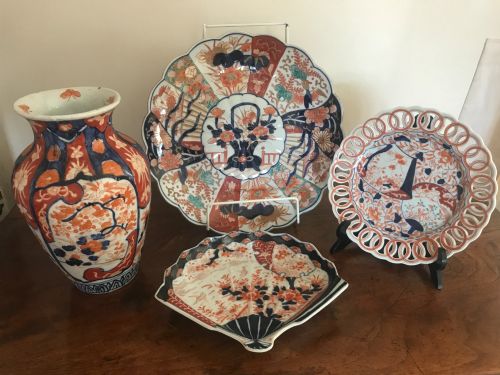
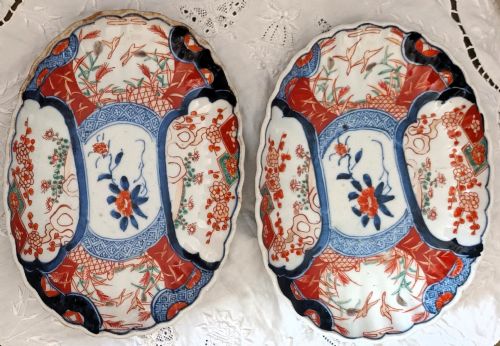
Beyond the standard round formats, forms include oval, square, hexagonal and shell-shaped bodies. Each variation retains the characteristic curved edge that defines the group.
How they were made
These pieces are built from porcelain and ceramic bodies, shaped by hand or mould before receiving their primary structures. The forming process creates the varied outlines, from standard circles to complex shell and hexagonal shapes.
Decoration relies on cobalt underglaze combined with enamel paint and gilding, utilising gold leaf and gilt highlights to accent the designs. Artisans hand paint motifs of birds, flowers and figures directly onto the glazed surface.
Firing in kilns fixes the pigments and glazes to the ceramic body, producing the durable finishes seen across the nineteenth century and Meiji era examples.
Periods represented on this page span from the early nineteenth century through the Victorian era and the Meiji period.
What varies in quality
The standard of a scalloped japanese plate rests upon the precision of the hand painting and the depth of the palette. Pieces at the upper end display crisp cobalt underglaze work alongside cleanly applied enamel and gold leaf.
Forming technique also divides the range, where evenly curved scalloped edges and well-balanced geometric shapes demonstrate superior workshop control. The clarity of the porcelain body and the richness of the decorative composition further distinguish finer examples.
The Scalloped Japanese Plate Glossary
- Imari
- A style of Japanese porcelain decorated in underglaze blue, iron red, and gold, named after the port from which it was shipped.
- Meiji Period
- The era in Japanese history spanning from eighteen sixty-eight to nineteen twelve, associated with extensive export ceramics.
- Charger
- A large decorative plate intended for display on a wall, sideboard or table rather than everyday dining.
- Cobalt Underglaze
- A blue pigment applied to the ceramic body before glazing and firing, creating a stable, deep tone.
- Gilt
- A thin layer of gold applied to the surface of the porcelain to highlight decorative details and edges.
Scalloped Japanese Plate: Frequently Asked Questions
How do I date a scalloped japanese plate?
Dating relies on examining the ceramic body, the style of the hand painting, and historical markers such as the Meiji period or nineteenth century origins. Imari palettes and specific potting techniques help narrow the production era.
Consulting the recorded periods in the listing details provides a reliable guide to when the item was made.
Are these plates dishwasher safe?
These antique ceramics feature delicate enamel paints, cobalt underglaze, and gold leaf applications that require gentle handling. Modern dishwashers and harsh detergents will damage the historic surfaces.
Cleaning should be limited to careful dusting with a soft, dry cloth to preserve the nineteenth century glazes.
How are pairs and sets identified?
Pairs and sets share matching motifs, identical dimensions, and consistent glazing styles that indicate they were produced together in the same workshop. Sellers group them based on these visual and physical similarities.
Collections often include multiple plates featuring related floral or avian designs suited for coordinated display.
What shapes do these plates come in?
While standard round formats with scalloped edges are common, the selection also includes oval, square, hexagonal, and shell-shaped variations. Each shape retains the characteristic wavy rim.
These diverse forms offer different visual options for wall mounting or cabinet display.