





Scalloped Edge Plate
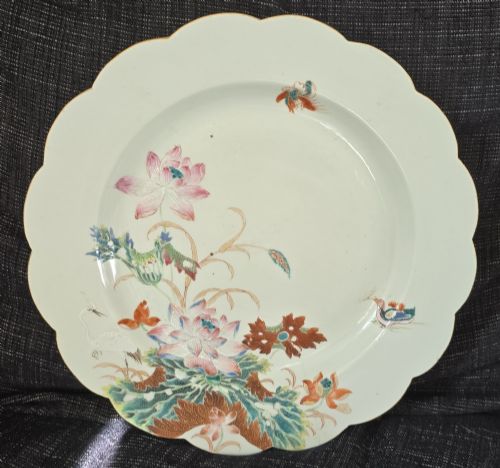
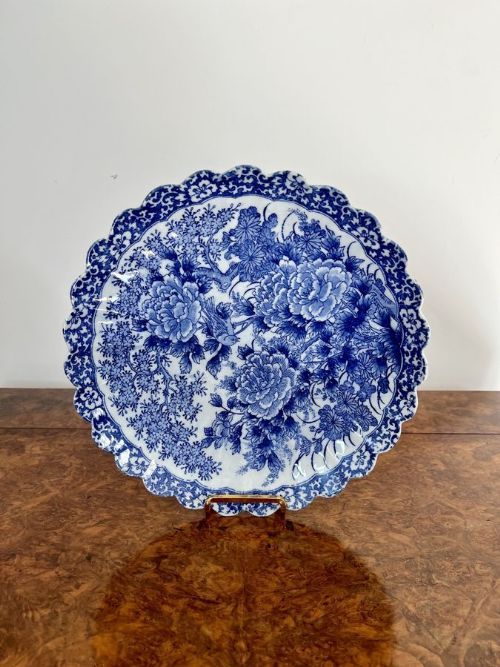
A scalloped edge plate brings a rhythmic outline to the table, and the pieces found here span delicate porcelain to tin-glazed earthenware.
Scalloped Edge Plate
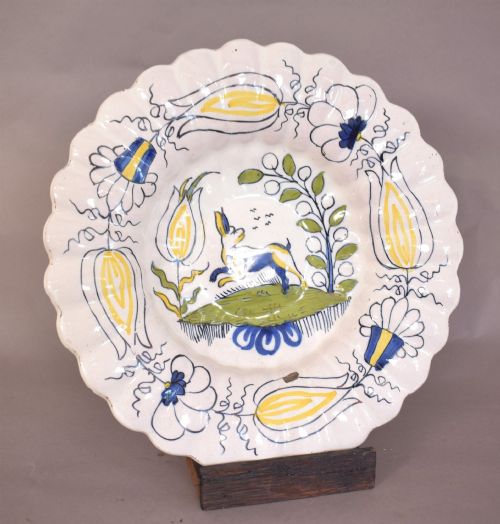
When you search for a scalloped edge plate, you encounter a variety of forms designed for both dining and display. The selection ranges from nineteenth-century earthenware and porcelain to seventeenth-century tin-glazed chargers.
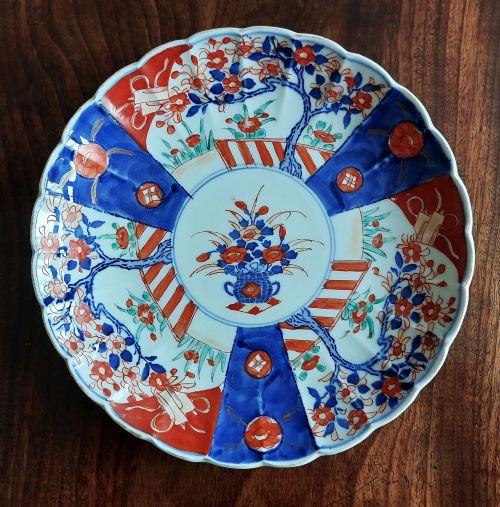
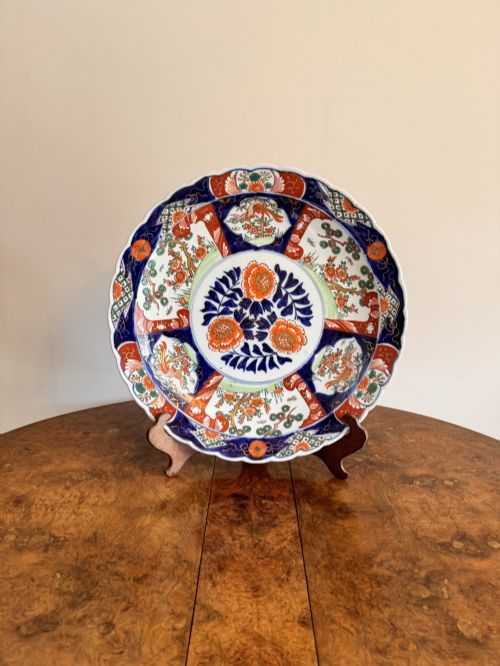
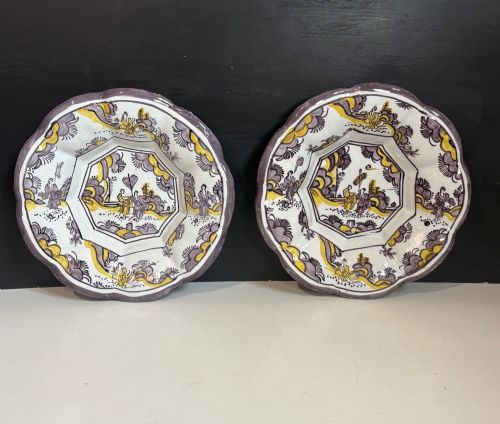
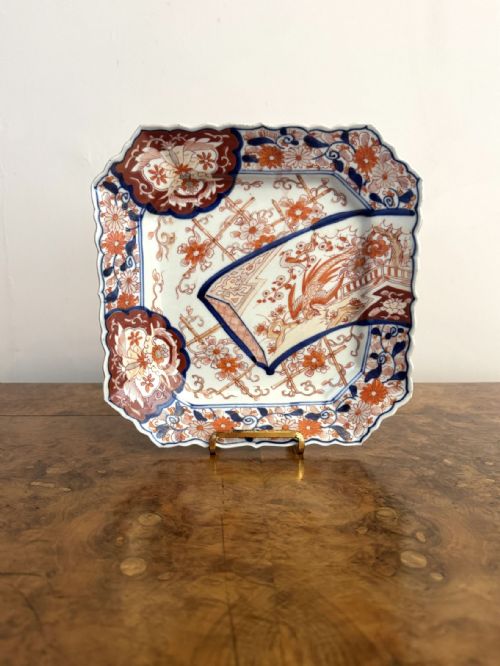
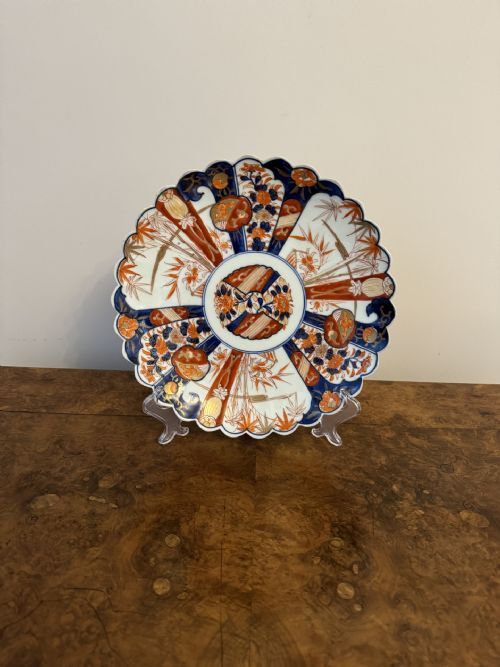
Japanese Imari pieces from the Meiji period appear frequently alongside English porcelain and French faience. These items serve as decorative dishes, chargers, and dessert plates that display shaped borders.
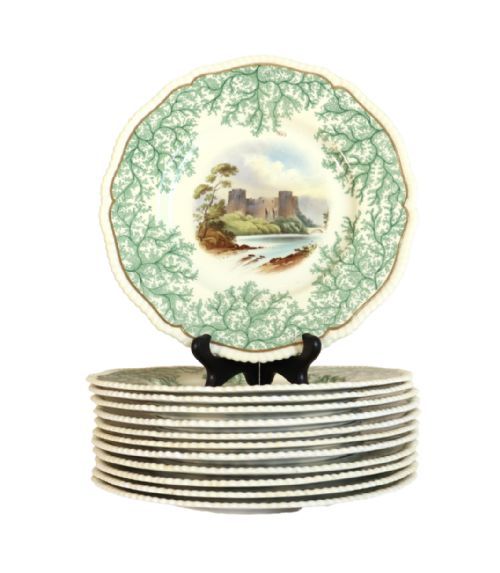
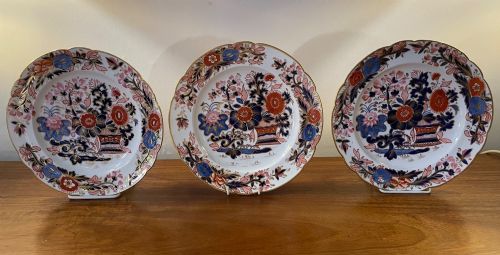
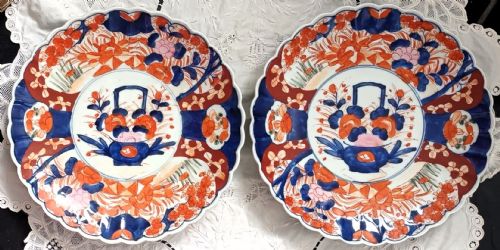
The periods represented stretch from the seventeenth century through the Victorian and Edwardian eras. Buyers encounter individual display plates as well as matched sets intended for formal service.
How They Were Made
Potters shaped these vessels in porcelain, earthenware, and ceramic before applying glazes and pigments. Cobalt blue, iron red, and gilding frequently define the decorated surfaces.
Tin-glazed earthenware required an opaque white enamel coating that received painted decoration before firing. Copper and silver plating also formed the base materials for metal hearth plates and serving trays.
Scalloped Edge Plate Retail Price Guide 2026
Typical asking prices for scalloped edge plate among the pieces listed under this phrase on Sellingantiques today, from the lower quarter to the upper quarter. They describe what is for sale here now, not the wider market.
Listings feature porcelain, earthenware, and ceramic materials spanning the seventeenth century through the Edwardian era.
What Varies in Quality
The crispness of the moulded or cut rim defines the initial distinction between standard vessels and finer examples. A well-executed scalloped edge maintains uniform curves that complement the painted motifs.
Hand-painted precision in the palette, particularly the registration of intricate Imari patterns and floral sprays, separates ordinary production from exceptional items. The retention of original gilding and enamel brilliance further elevates a piece.
Spode·Royal Worcester·Sevres
The Scalloped Edge Plate Glossary
- Imari
- A style of Japanese porcelain featuring a palette of underglaze blue, iron red, and supplementary gilding. This decorative scheme originated in Arita and was widely exported to Europe.
- Charger
- A large decorative plate or platter used primarily for display or ceremonial service rather than everyday dining. These substantial pieces often showcase complex pictorial scenes.
- Tin Glaze
- A ceramic glaze made opaque by the addition of tin oxide, providing a smooth white background for painted decoration. It characterises European delftware and faience.
- Meiji Period
- The era in Japanese history spanning from 1868 to 1912, noted for prolific porcelain production directed at international markets. Pieces from this time often exhibit detailed polychrome patterns.
Scalloped Edge Plate: Frequently Asked Questions
How do I care for antique plates?
Wash delicate porcelain and earthenware by hand in warm water using a mild detergent. Avoid soaking pieces with gilt highlights or enamel decoration to preserve the surface.
Store stacked plates with felt or cloth dividers between them to prevent rim chipping. Metal pieces require appropriate polish applied sparingly according to their specific composition.
Can I use these plates for dining?
Many nineteenth-century and twentieth-century porcelain plates remain robust enough for occasional dining use. Older earthenware and tin-glazed chargers are better suited for display.
Inspect the glaze for crazing or wear before serving food, particularly on pieces dating to earlier centuries. Modern detergents and dishwashers should be avoided entirely.
What defines an Imari palette?
The traditional Imari palette relies on a combination of deep underglaze cobalt blue and vibrant iron red. Artisans frequently added gold leaf highlights to enhance the visual depth of the design.
This aesthetic originated in Japan and influenced European kilns throughout the eighteenth and nineteenth centuries. The contrasting colours create a distinct decorative impact on scalloped rims.