





Scalloped Edge Ceramic Dish
These scalloped edge ceramic dish selections bring together centuries of intricate porcelain and earthenware craftsmanship.
Scalloped Edge Ceramic Dish
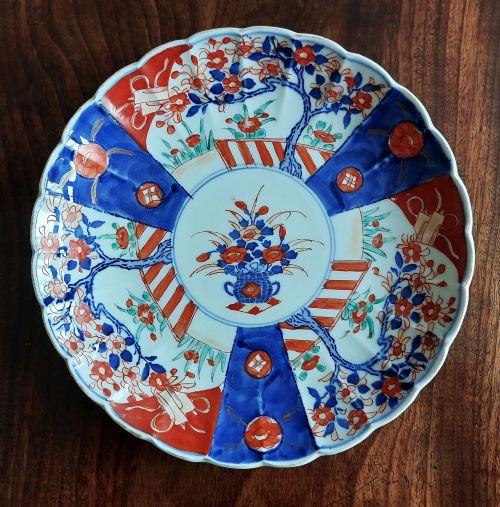
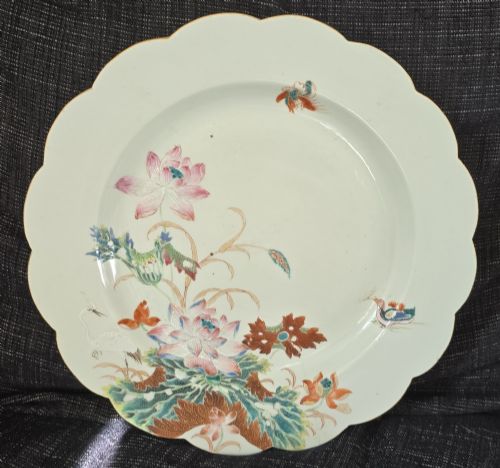
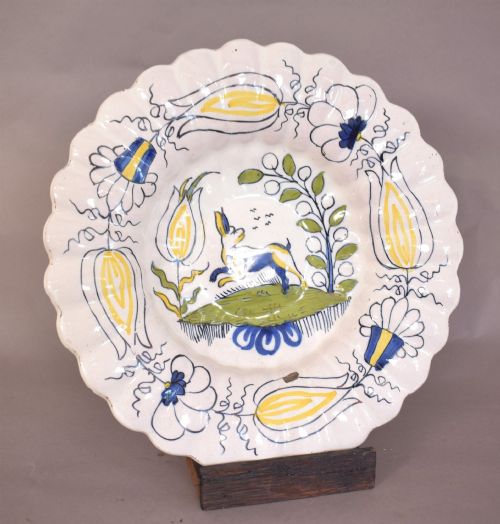
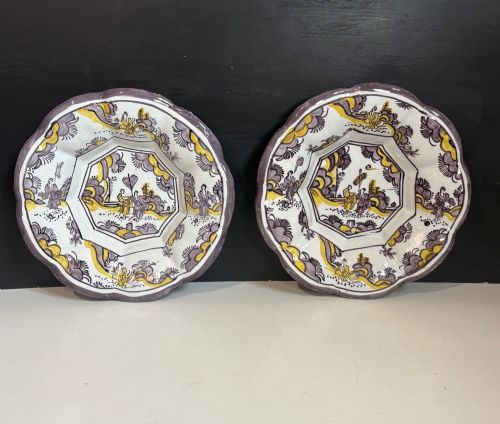
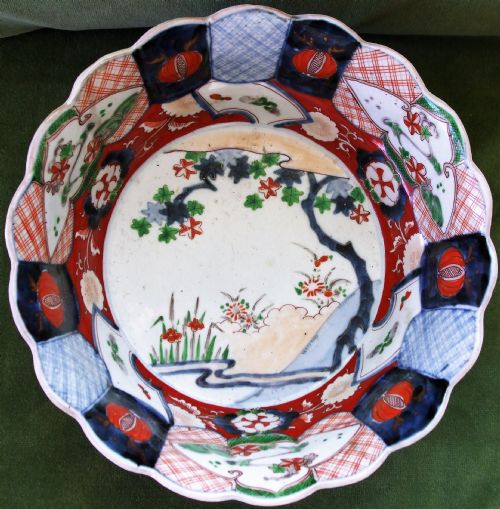
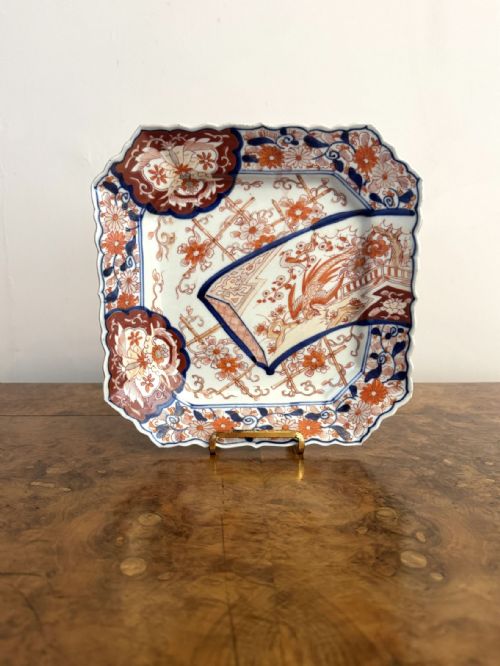
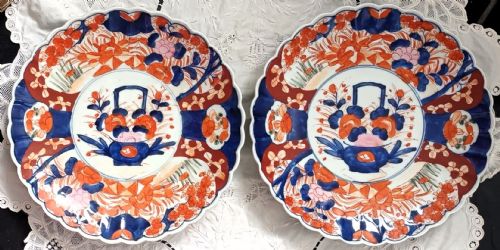
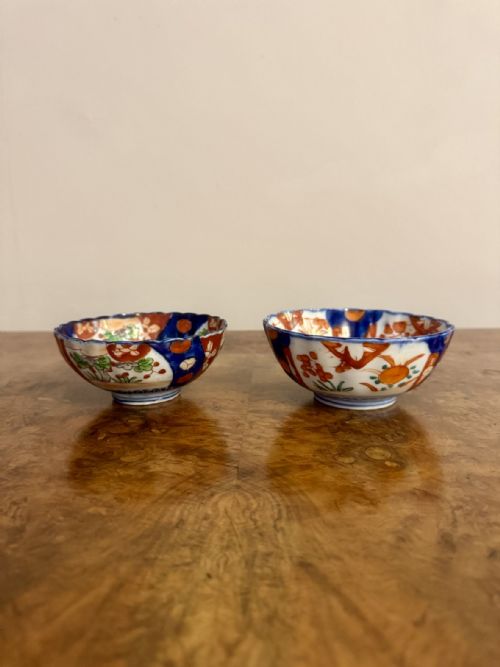
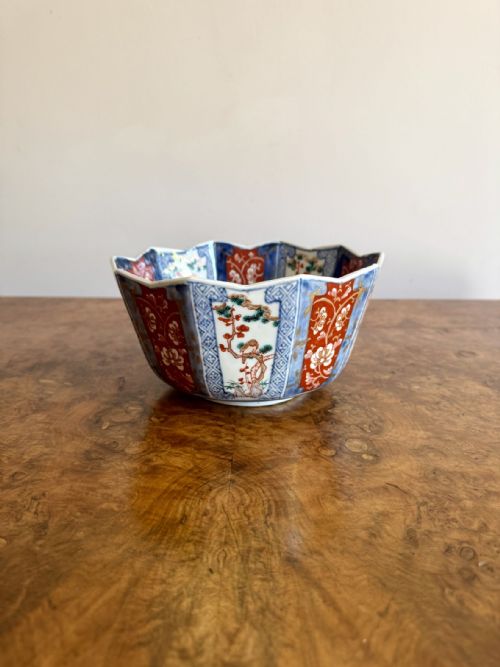
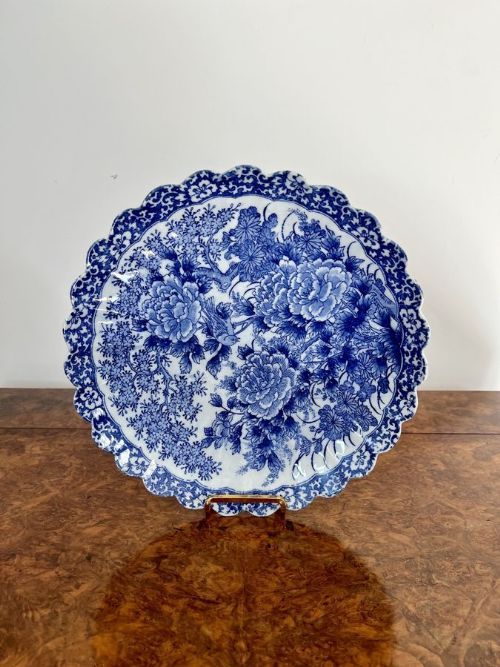
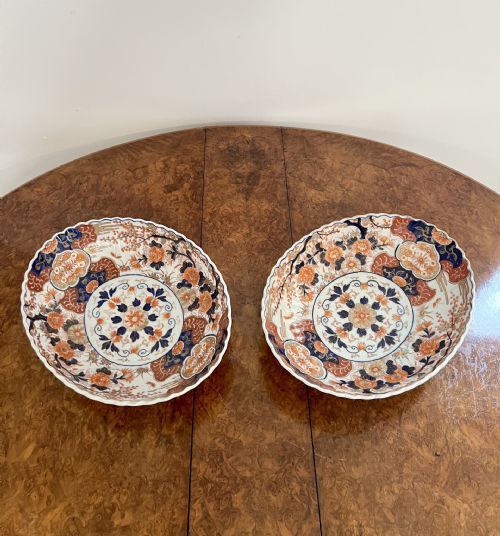
A scalloped edge ceramic dish encompasses a variety of antique forms, ranging from large chargers and serving platters to decorative bowls and plates. Buyers examining this page will frequently encounter Japanese Imari wares alongside European tin-glazed and earthenware pieces.
The objects span multiple periods, touching upon seventeenth-century Delftware, eighteenth-century French faience and Sevres porcelain, through to nineteenth-century Victorian and Edwardian examples. Japanese Meiji period pieces appear regularly alongside these European works.
Materials and Techniques
The pieces recorded in the listings rely fundamentally on ceramic bodies such as porcelain and earthenware, shaped into distinct fluted and scalloped profiles. Makers applied glazes including tin-glaze to seal the clay base before adding colour and detail.
Decoration often involved hand-painted cobalt blue and iron-red pigments, frequently heightened with gilding or gold leaf in the Japanese Imari tradition. Firing techniques varied according to the pottery tradition, producing durable surfaces across centuries of production.
Exotic birds peer from seventeenth-century tin-glazed surfaces, watching over dinner parties they have outlived by hundreds of years.
Standards of Execution
Quality in a scalloped edge ceramic dish rests upon the precision of the moulding and the crispness of the scalloped rim. Superior examples maintain symmetry in their lobed edges and display confident, well-defined brushwork in their painted surface decoration.
The finesse of the glaze application and the richness of any accompanying gilding distinguish finer pieces from standard production wares. Deeper saturation of colour and careful placement of complex pictorial scenes denote higher workshop standards.
The Scalloped Edge Ceramic Dish Glossary
- Imari
- A style of Japanese porcelain exported from the port of Imari, typically characterised by a palette of underglaze blue, iron red, and gilt. These wares became immensely popular in European interiors from the seventeenth century onwards.
- Charger
- A large decorative plate used historically for ceremonial display or as a base plate for courses at grand dining tables. They often measure significantly larger than standard dining plates.
- Faience
- European earthenware decorated with an opaque tin-glaze, usually painted with coloured oxides before firing. French and Dutch potteries produced notable examples of this technique.
- Meiji Period
- The era in Japanese history spanning from 1868 to 1912, noted for a surge in high-quality porcelain production destined for Western export markets.
- Tin-Glazed
- Earthenware coated with a glaze containing tin oxide, which dries to a white and opaque finish suitable for direct painting. This technique underpins much of early European earthenware development.
Scalloped Edge Ceramic Dish: Frequently Asked Questions
What is an Imari dish?
An Imari dish is a Japanese porcelain piece decorated in traditional iron-red, cobalt blue, and gold pigments. These items were produced for export and prized for their vibrant, ornate patterns.
Such dishes often feature floral or avian motifs, making them striking additions to antique display cabinets and wall mounts.
How were charger plates used?
Charger plates served primarily as decorative bases during formal dining or as grand serving platters for communal food. Their larger diameter allowed them to sit beneath smaller course plates.
In many historic homes, owners displayed these large plates on walls or dresser backs rather than using them for everyday dining.
What makes a scalloped edge?
A scalloped edge is formed by shaping the rim of a ceramic piece into a series of rhythmic, curved lobes or indentations. This technique requires careful manual trimming or specialised moulding before firing.
The resulting profile adds a decorative, organic silhouette to plates, bowls, and chargers alike.
How do I date a ceramic dish?
Dating a ceramic dish involves examining the characteristics of the clay body, the formulation of the glaze, and the painting style. Stylistic markers often point toward specific periods like the Meiji era or the eighteenth century.
Backstamps, where present, can also provide clues to the workshop or factory of origin, though many older pieces remain unmarked.