


Scalloped China Plate
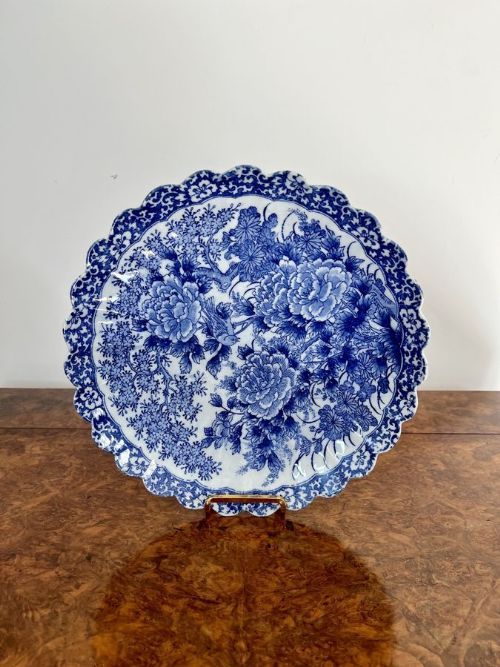
These scalloped china plate examples bring centuries of ceramic artistry to the table, offering distinct forms that collectors prize for display and daily service.
Scalloped China Plate
A scalloped china plate represents a refined category of ceramic tableware, spanning dessert plates, cabinet plates, and serving dishes. These pieces originate from diverse periods such as the Georgian era, the nineteenth century, and early twentieth-century workshops.
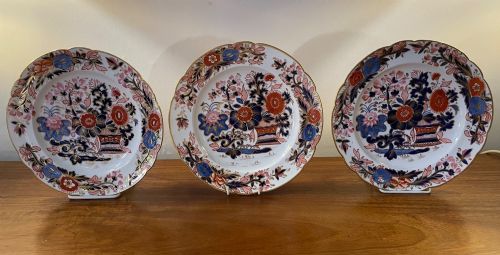
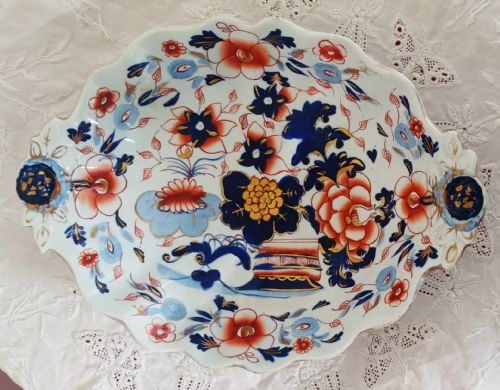
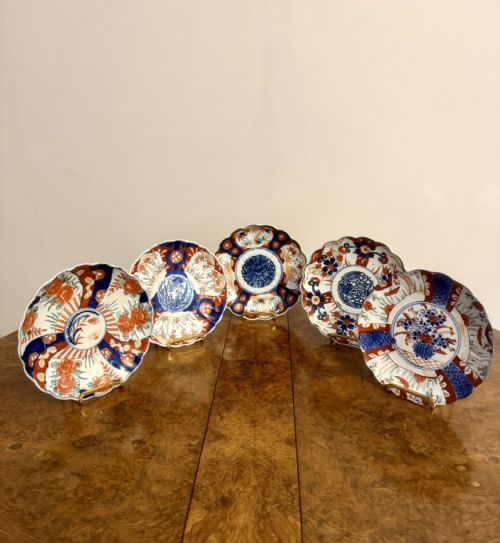
The version most commonly encountered on this page is the Japanese Imari plate, often dating around 1900, alongside English porcelain and ironstone wares. Makers range from European factories like Meissen and Worcester to historic Staffordshire potteries.
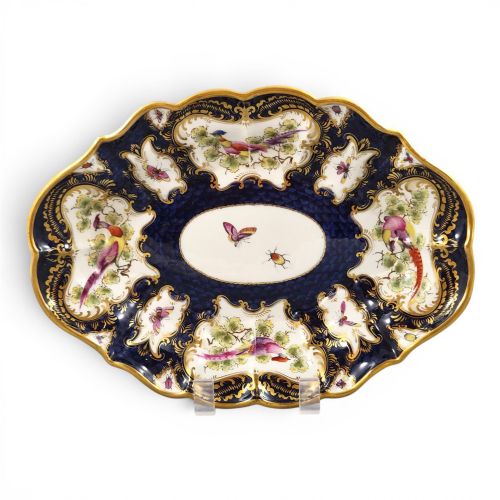
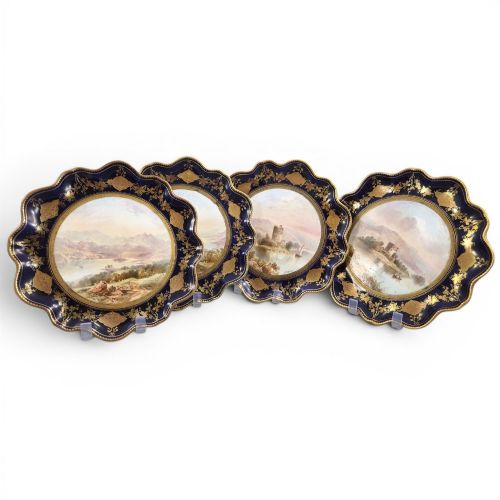
Forms vary from cabinet display items to large meat platters and dessert services. Each piece combines functional utility with decorative painted or printed motifs.
What varies in quality
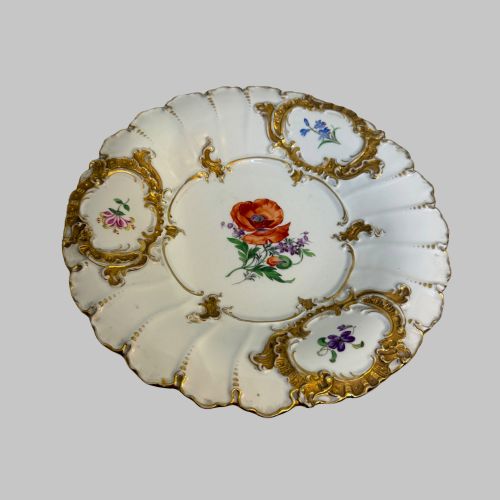
The refinement of the painted detail and the crispness of the moulded scalloped edge separate standard production wares from superior examples. Hand-painted brushwork by skilled artisans commands greater attention than routine transfer printing.
The purity of the porcelain body and the stability of the glaze preservation dictate the standing of an individual plate. Maker attribution, such as early Worcester or Meissen pieces, elevates the interest for serious collectors.
Listings feature porcelain, ironstone, and earthenware materials across Georgian, Victorian, and early twentieth-century periods.
Royal Worcester·Aynsley·Meissen·Worcester·Derby Porcelain·Sevres Porcelain·Coalport·Mason Ironstone·Wileman Foley Shelley
The Scalloped China Plate Glossary
- Imari palette
- A decorative style using underglaze blue, iron red, and gilt, originating in Japan and widely copied in Europe. This palette creates a rich, contrasting surface appearance.
- Ironstone
- A dense, durable type of earthenware patented in the nineteenth century for heavy domestic use. It resists chipping while accepting intricate patterns.
- Comport
- A raised dish or bowl used for serving fruit or desserts at formal dining tables. These elevated vessels add vertical interest to a table setting.
- Streublumen
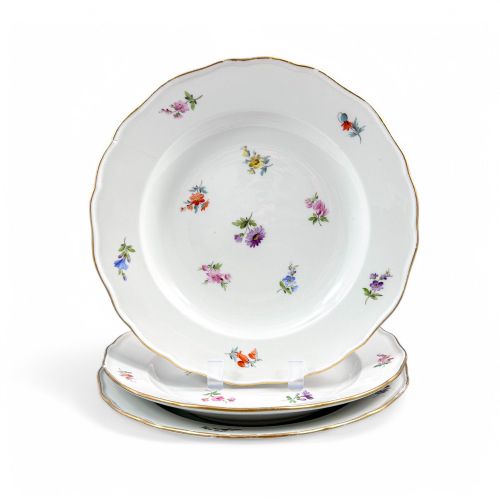
- A scattered floral decoration pattern often found on eighteenth and nineteenth-century European porcelain. Individual small flower motifs are dispersed across the white ground.
Scalloped China Plate: Frequently Asked Questions
How do I date a scalloped china plate?
Dating relies on maker marks stamped or painted on the reverse, stylistic indicators like Georgian or Victorian borders, and the composition of the ceramic body.
Porcelain bodies and ironstone weights changed across the eighteenth and nineteenth centuries, helping specialists place pieces within specific decades.
Can I use antique plates for dining?
Many sturdy ironstone and porcelain plates remain robust enough for careful daily use, though fragile cabinet pieces suit display better.
Handwashing protects delicate overglaze enamels and gold leaf gilding from harsh dishwasher detergents and heat.
What is the difference between porcelain and ironstone?
Porcelain is a vitrified, translucent ceramic fired at high temperatures, whereas ironstone is a heavy, opaque earthenware designed for durability.
Ironstone plates generally feel thicker and heavier in the hand than fine porcelain cabinet pieces.
How do I display cabinet plates securely?
Wall-mounted wire hangers with protective rubber tips or plate grooves inside display cabinets keep pieces secure.
Ensuring proper weight distribution prevents slipping while keeping the decorative scalloped edge fully visible.