

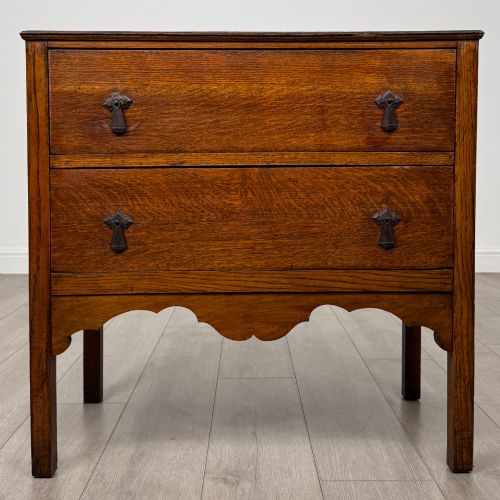
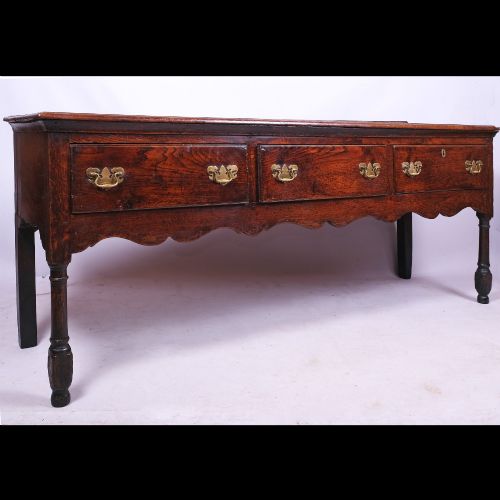
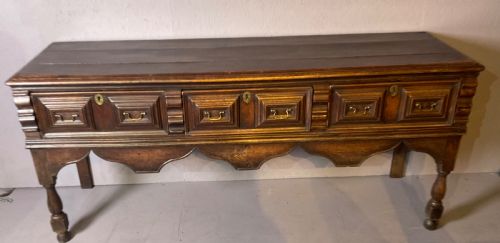

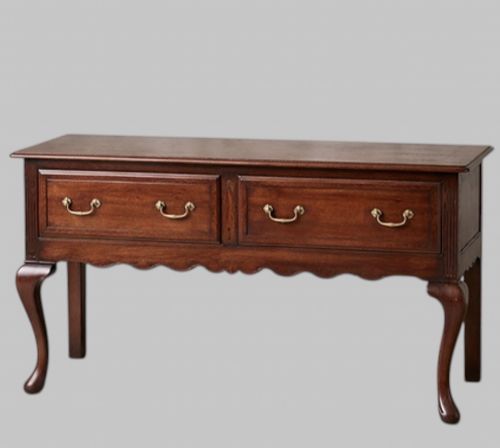


Scalloped Apron Oak Dresser
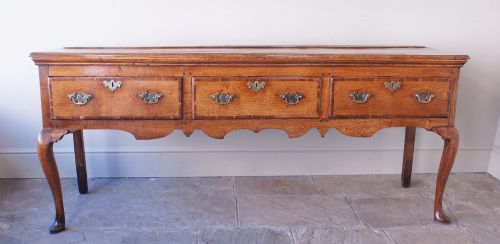
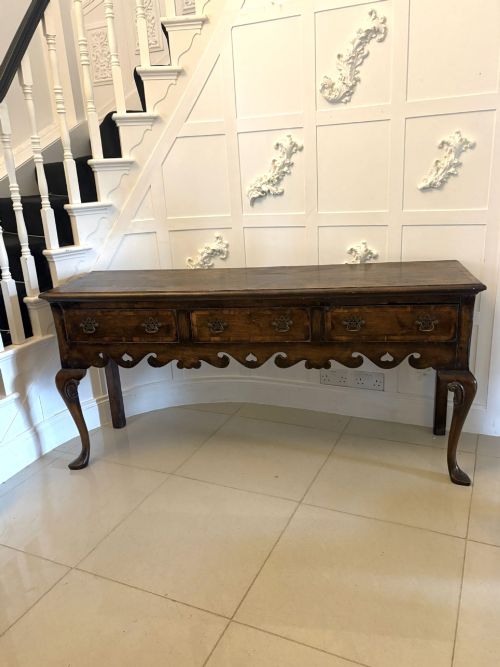
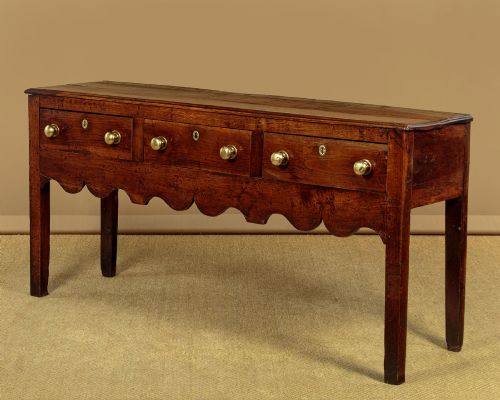
A scalloped apron oak dresser brings timeless utility and timber warmth to an interior, combining generous surface space with characteristic shaped woodwork below.
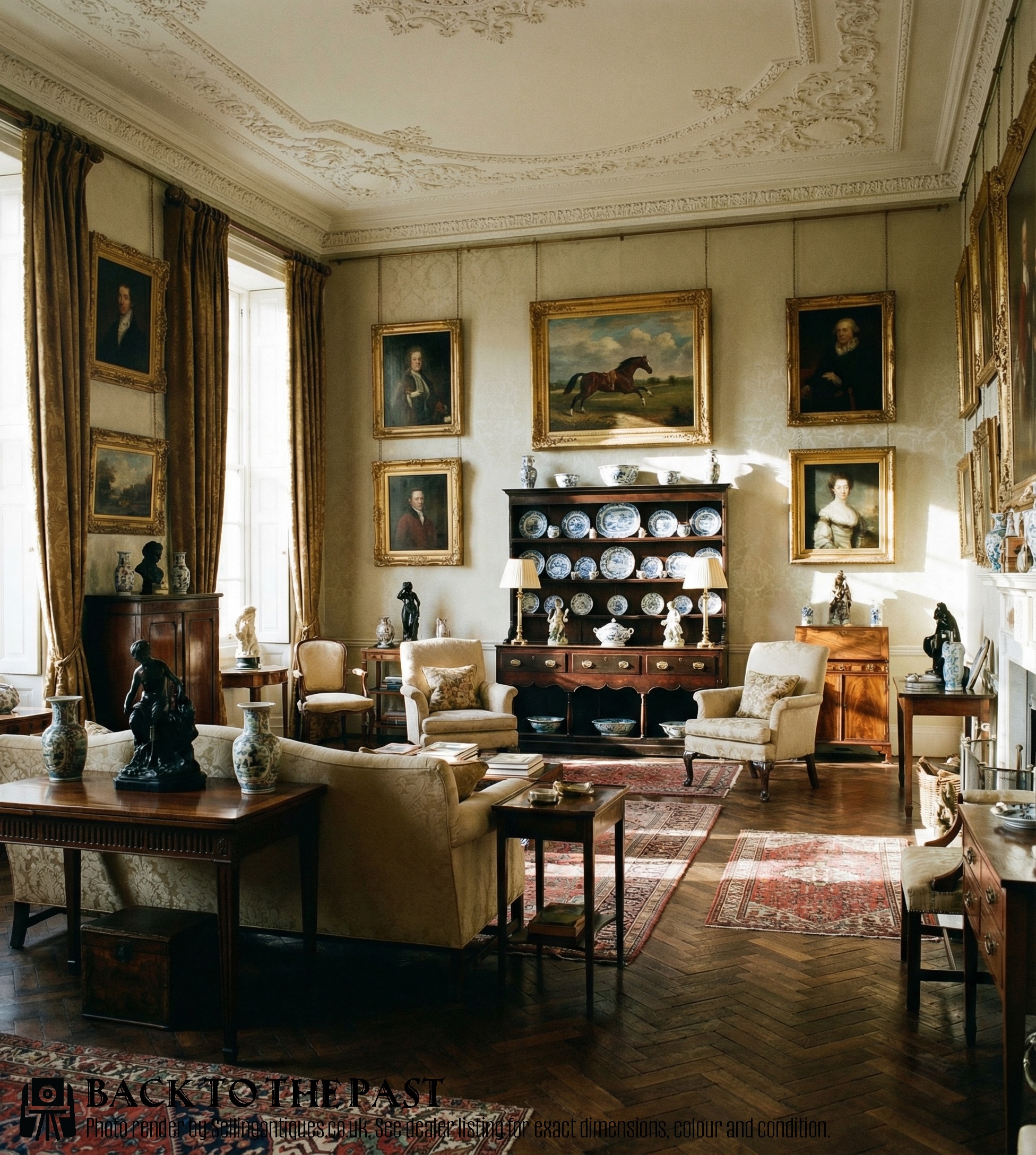
Scalloped Apron Oak Dresser
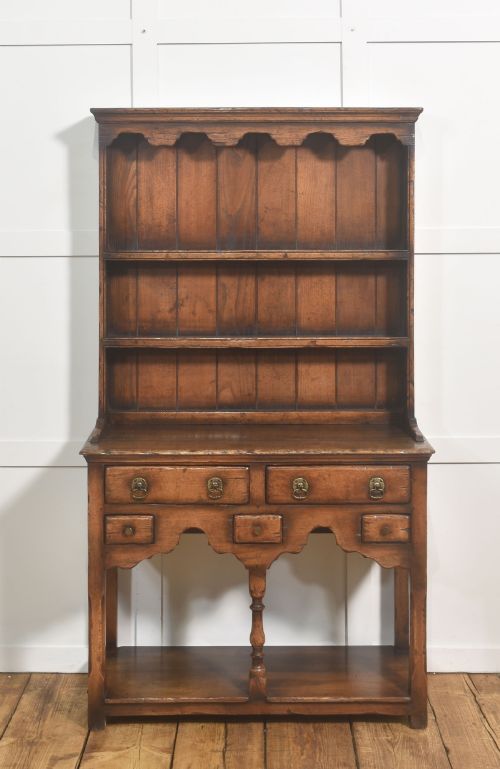
A scalloped apron oak dresser represents a specific intersection of vernacular storage furniture, spanning periods from the late seventeenth century through to the Edwardian era. When exploring a scalloped apron oak dresser, buyers encounter forms ranging from open potboard bases and Welsh dressers with plate racks to serving dressers and console tables. The examples available here lean heavily into seventeenth, eighteenth, and nineteenth-century traditions, alongside specific revival pieces.
Most items meeting this description present as dresser bases or sideboard configurations constructed in solid oak or limed oak. Alongside British vernacular styles, related regional interpretations such as French provincial pieces and serpentine commodes appear within the selection. Each piece provides deep surface utility, whether fitted with upper plate racks or maintained as a low serving base.
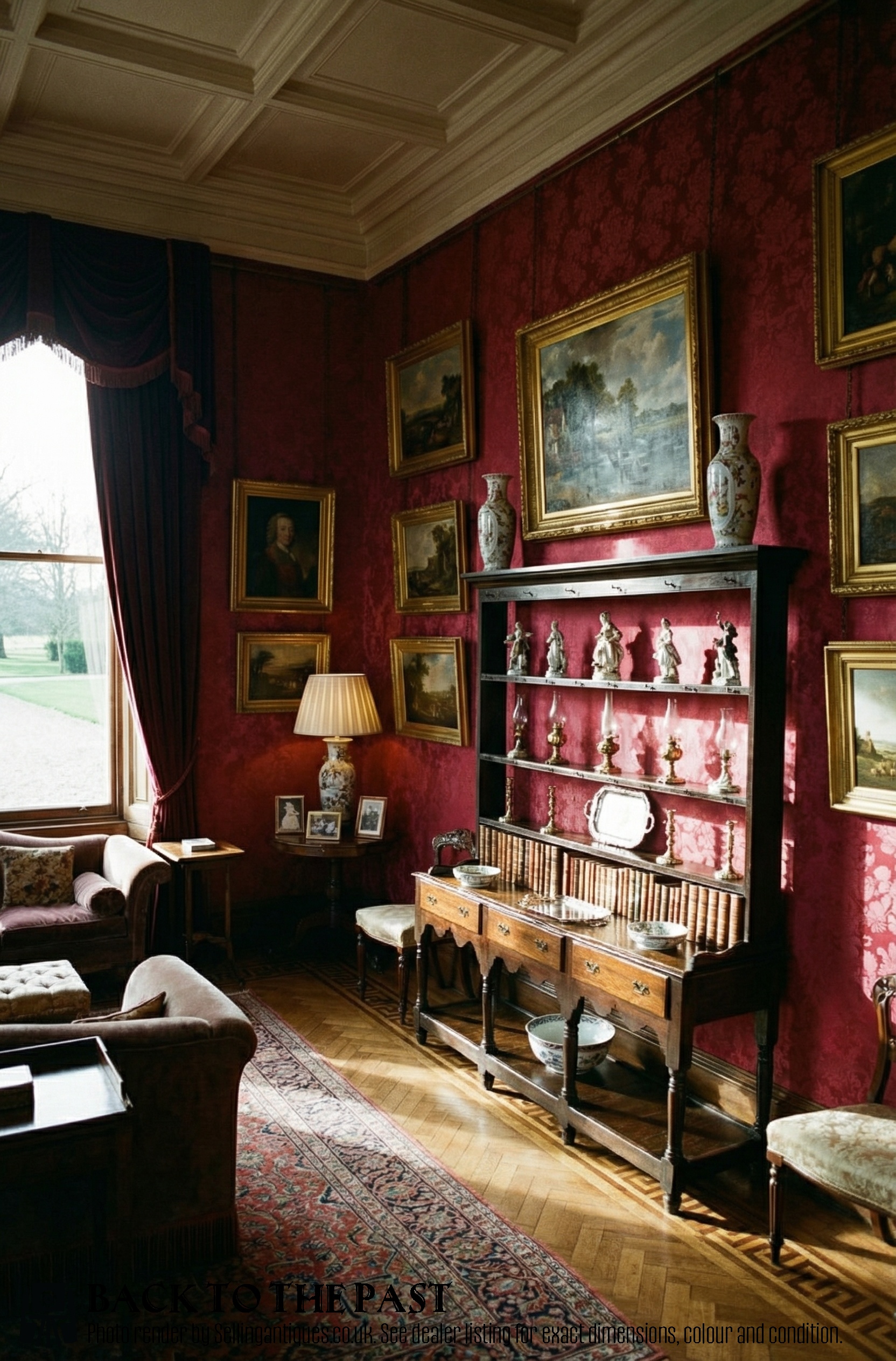
Judging Quality in Oak Furniture
Quality rests in the integrity of the timber selection and the precision of the structural joinery rather than surface ornamentation alone. Superior examples maintain their original drawer linings, backboards, and hardware, showing minimal timber replacement over centuries of use.
The articulation of the shaped apron distinguishes standard utilitarian furniture from finer regional work. Well-executed curves demonstrate careful hand-working that respects the grain of the oak without splitting or weakening the frame.
Scalloped Apron Oak Dresser Retail Price Guide 2026
Typical asking prices for scalloped apron oak dresser among the pieces listed under this phrase on Sellingantiques today, from the lower quarter to the upper quarter. They describe what is for sale here now, not the wider market.
Materials recorded across the inventory include solid oak, limed oak, fruitwood, brass, and standard metal hardware.
The Scalloped Apron Oak Dresser Glossary
- Apron
- The decorative timber member that runs horizontally beneath the drawers of a dresser base, often curved or scalloped in regional pieces.
- Pot Board
- A low lower shelf built into a dresser base, traditionally used for storing pots and heavy kitchen utensils.
- Plate Rack
- The upper shelving superstructure attached to a dresser, designed to display ceramic plates upright.
- Dresser Base
- The lower section of a dresser comprising drawers and cupboards, usable independently as a sideboard or serving table.
- Limed Oak
- Oak timber treated with a lime compound to fill the pores and produce a pale, pickled surface finish.
Scalloped Apron Oak Dresser: Frequently Asked Questions
What is a scalloped apron?
A scalloped apron is the decorative shaped timber panel situated directly beneath the drawers of a dresser base. It breaks the straight horizontal line of the furniture with curved cutouts.
Cabinetmakers utilised this detail to add decorative refinement to utilitarian storage pieces, particularly in regional English and Welsh workshops.
How do I date an oak dresser?
Dating relies on examining construction methods, tool marks, timber shrinkage, and hardware styles across the carcase. Seventeenth-century examples often display pegged frame structures and heavier moulding profiles.
Later eighteenth and nineteenth-century iterations introduce different drawer dovetailing and subtler proportions, while revival pieces mimic these earlier traits with modern machinery marks.
Can I use a dresser base in a dining room?
A dresser base serves exceptionally well as a dining room sideboard for storing tableware, linens, and serving dishes. The wide surface top accommodates serving platters during meals.
Many collectors prefer these low bases over full dressers when ceiling height is limited or when they wish to display art above the furniture.
What maintenance does old oak need?
Historic oak requires minimal intervention beyond dusting with a dry cloth and occasional application of traditional beeswax to nourish the timber. Direct sunlight and sudden humidity changes should be avoided to prevent wood splitting.
Allowing the wood to breathe preserves the natural patina accumulated over centuries of domestic use.