




Satsuma Ware Vase
A satsuma ware vase brings intricate hand-painted detail and rich gilding into a room.
Satsuma Ware Vase
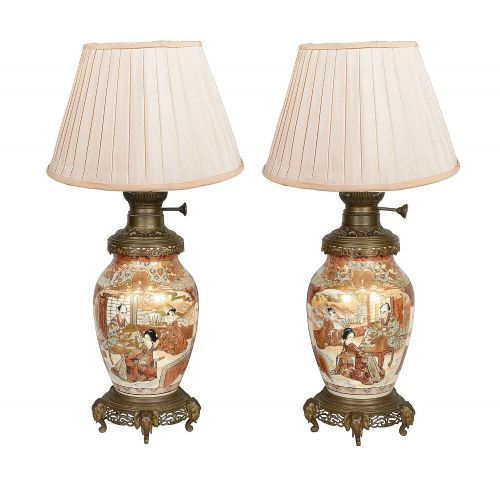
When a buyer searches for a satsuma ware vase, they are looking at ceramic vessels originating from Japan, most commonly dating from the Meiji period through to the early twentieth century. These pieces encompass forms ranging from small miniature vases and bottle shapes to large decorative jars, table lamps, and urns.
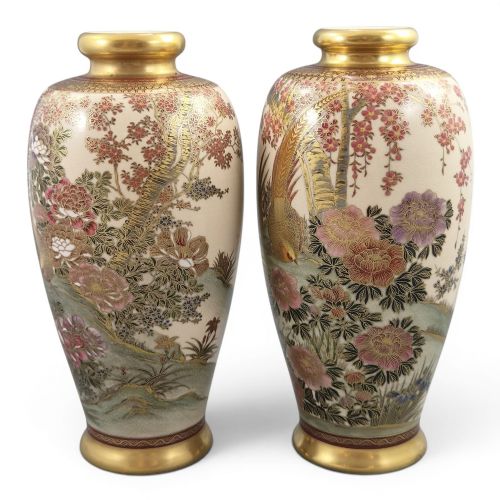
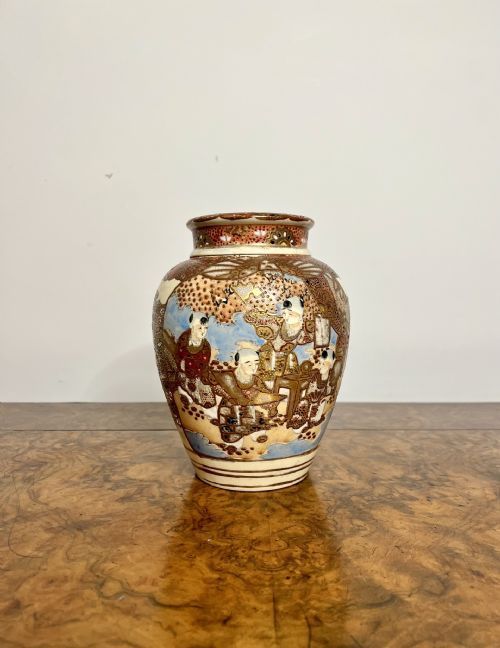
The version most frequently met on this page is the nineteenth-century Meiji period piece, often richly decorated with figures, landscapes, or traditional motifs. These earthenware items frequently appear in pairs or as single large display objects, reflecting the output of major workshops and kiln centres such as Kyoto and Kobe.
How they were made
The primary material underpinning these objects is earthenware or pottery, providing a porous ceramic body that receives detailed hand-painted designs. Artisans built up the surface decoration using enamel colours combined with generous amounts of gold leaf and intricate raised gilding known as moriage.
Certain pieces also incorporate structural adaptations such as wooden or brass elements, particularly when converted into table lamps, or silk and fabric components in associated display settings.
Listings feature earthenware bodies decorated with enamel, gold leaf, and moriage across the Meiji, Taisho, and Showa periods.
What varies in quality
The distinction between ordinary production and the finest work lies in the precision of the brushwork and the complexity of the figural or natural scenes depicted. Pieces bearing signatures from renowned makers or specific workshops demonstrate superior artistic control and refined application of enamel and gold leaf.
Scale and ambition also dictate the tier of a piece, with monumental forms, exhibition-quality detailing, and intricate multi-figure compositions representing the upper echelon of the craft compared to simpler geometric or baseline floral patterns.
Manpei Kobe·Kinkōzan Kyoto·Kinzan·Hotoda·Chosei·Nanzan·Kinkozan·Seiko-en Chokei·Yamashu·Hakusan·Tagawa·Hododa·Hattori
The Satsuma Ware Vase Glossary
- Moriage
- A technique of applying raised slip or enamel dots and lines to create a textured, three-dimensional decorative effect on the ceramic surface. This method adds significant tactile depth to garments, borders, and floral elements.
- Meiji Period
- The era in Japanese history spanning from 1868 to 1912, characterised by a surge in decorative arts destined for export. Most antique vases found in trade date from this period of heightened artistic production.
- Shimazu Mon
- The crest or heraldic badge associated with the Satsuma clan, typically depicted as a cross within a circle. Its presence indicates a direct connection to the ruling lords of the region where the ceramic style originated.
- Earthenware
- A porous type of pottery fired at lower temperatures, forming the foundational body for traditional painted wares before the application of glazes and enamels. It requires careful handling due to its absorbent nature prior to glazing.
Satsuma Ware Vase: Frequently Asked Questions
How do I identify a Meiji period vase?
Meiji period vases are generally identified through stylistic markers such as dense figural processions, intricate gold leaf work, and traditional Japanese iconography characteristic of the late nineteenth century.
Examining the base for artist signatures, studio marks, or clan crests further helps place the piece within this historical window of production.
Are these vases made of porcelain?
While the majority of these items are constructed from a traditional earthenware body, some specific examples utilise ceramic or porcelain materials depending on the workshop and the exact period of manufacture.
Checking the weight and the nature of the unglazed footring usually reveals whether the underlying body is a porous earthenware or a denser ceramic.
How should I display a table lamp conversion?
Table lamp conversions should be positioned away from direct, harsh sunlight to preserve the delicate enamel colours and gold leaf highlights over time.
Ensure that any electrical components are fitted safely by a professional so the original ceramic body remains undamaged by the wiring.
What subjects are typically painted on these pieces?
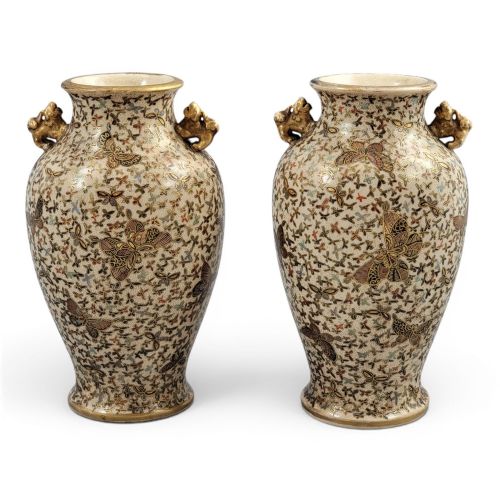
Common decorative themes include arhats, immortal figures, family scenes, wisteria gardens, and dense butterfly processions rendered in rich polychrome enamels.
Many designs also incorporate dragons, geometric borders, and detailed landscape vistas wrapping around the globular or hexagonal body of the vase.