




Salt Glaze Pottery Vessel
A salt glaze pottery vessel brings robust texture and historic character to a room, ranging from early German stoneware to Victorian utility.
Salt Glaze Pottery Vessel
A salt glaze pottery vessel comprises items designed for storage, service, and display, defined by a characteristic textured surface resulting from the salt-glazing process. When you search for a salt glaze pottery vessel, you encounter objects spanning multiple centuries, from early continental pieces to domestic British wares.
The selections available here include jugs, flagons, bottles, beakers, and ewers, alongside larger forms like barrels, jardiniere, and water filter urns. Forms range from utilitarian kitchenalia and tavern jars to highly decorative Victorian art pottery and exhibition pieces.
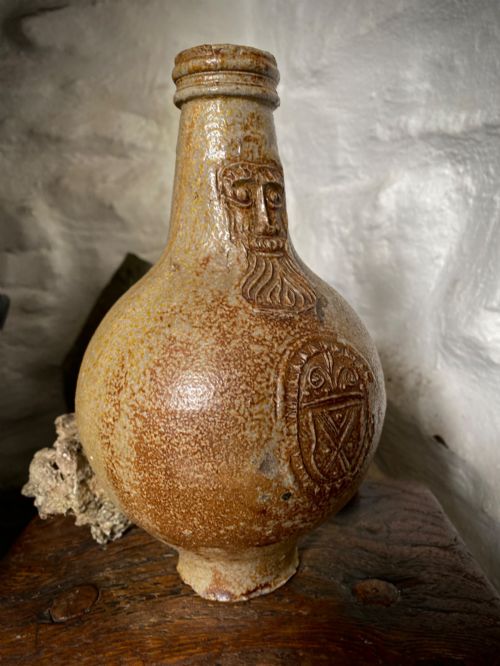
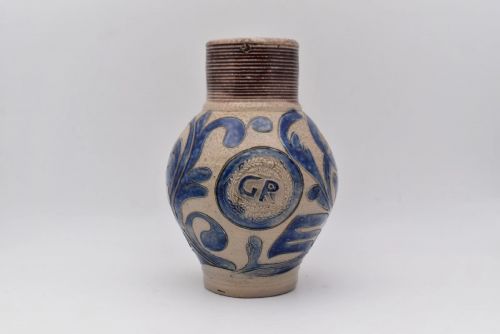
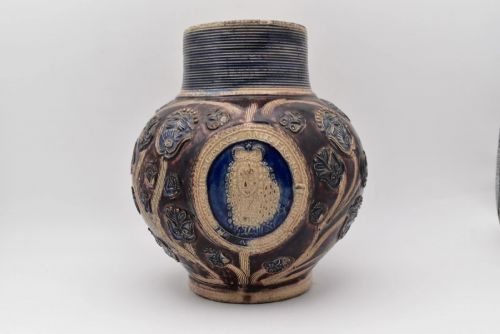
Origins stretch across British, German, and French production centres, incorporating historical periods from the sixteenth century through the Georgian and Victorian eras up to the twentieth century. Continental examples frequently display traditional medallions, royal ciphers, and mask decorations.
Materials and construction
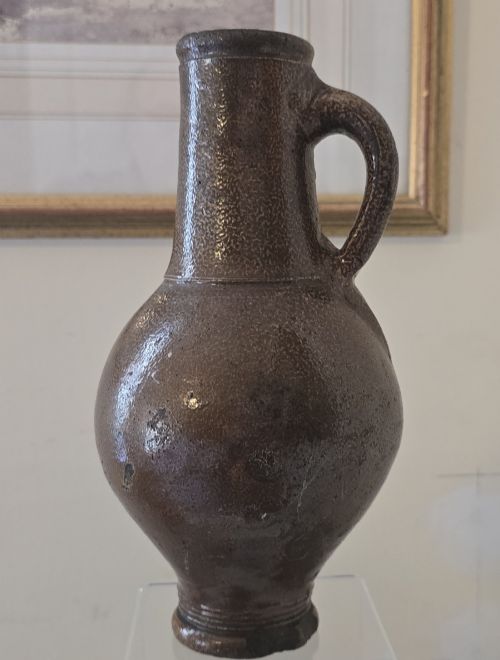
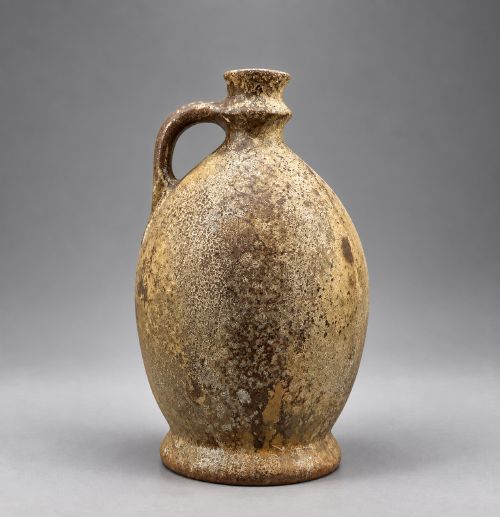
Makers shaped these pieces primarily from dense clay and heavy stoneware, materials chosen for their impermeability and durability. During high-temperature firing, common salt was introduced into the kiln, reacting with the silica in the body to form a durable, glossy, orange-peel texture.
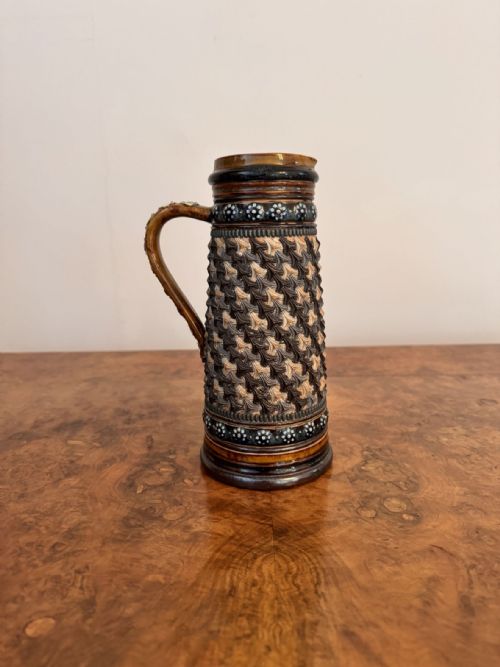
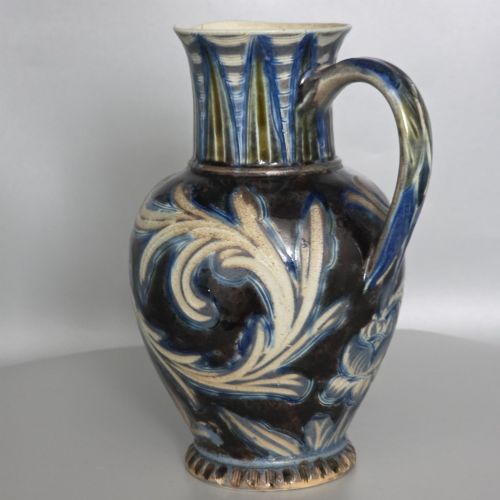
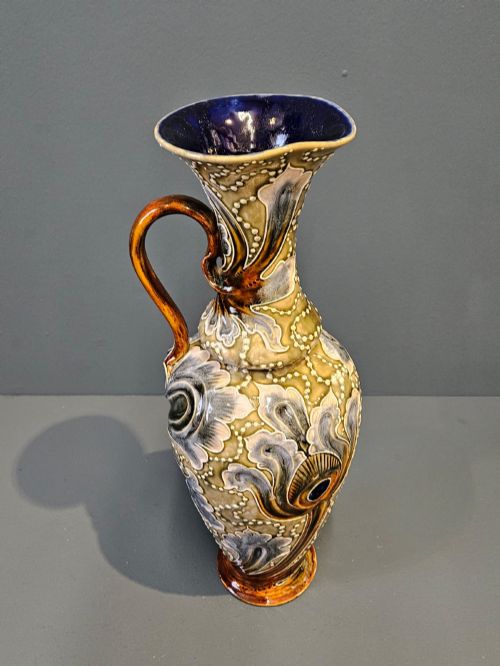
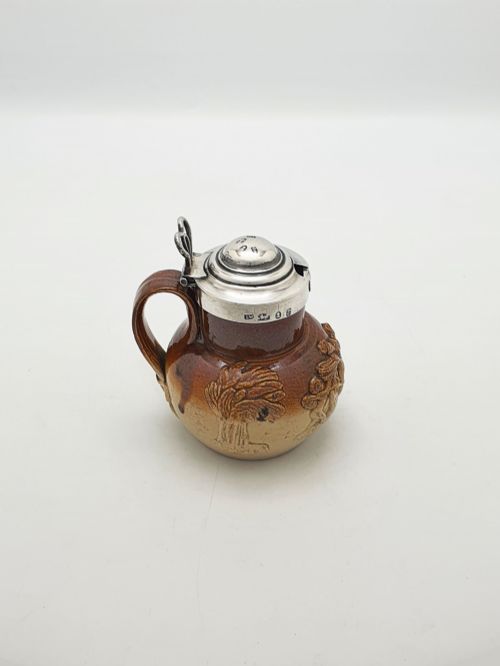
Decoration often involved cobalt blue pigment applied under the glaze, alongside incised patterns, cream sprigged reliefs, and occasionally applied sterling silver collars and hinged lids. Some works feature specialised stamps, maker ciphers, and hand-modelled mask details.
Salt Glaze Pottery Vessel Retail Price Guide 2026
Typical asking prices for salt glaze pottery vessel among the pieces listed under this phrase on Sellingantiques today, from the lower quarter to the upper quarter. They describe what is for sale here now, not the wider market.
Listings feature salt glaze pieces spanning from the 16th century through the Victorian era, utilising stoneware, clay, and cobalt.
Factors of distinction
Quality in these pieces is dictated by the crispness of the salt-glazed texture, the uniformity of the orange-peel surface, and the precision of any incised or sprigged ornamentation. Stronger examples maintain clear cobalt contrast and sharp relief details without obscuring the underlying clay body.
Provenance and attribution elevate certain pieces, particularly those bearing identifiable stamps from notable potteries or named artists. The integration of precious metal mounts, such as hallmarked sterling silver collars, distinguishes higher-grade utilitarian forms from standard production.
Doulton Lambeth·Fulham Pottery·Roger Guerin·Emily Stormer·C and A Painter
The Salt Glaze Pottery Vessel Glossary
- Salt Glaze
- A pottery glaze created by throwing common salt into the kiln during the high-temperature firing stage. This action produces a distinct pitted texture resembling the skin of an orange.
- Stoneware
- A dense, vitrified ceramic made from clay fired at high temperatures until semi-nonporous. It provides the robust structural body typical of these heavy vessels.
- Bartmann
- A type of German stoneware jug featuring a bearded mask applied to the neck. These pieces frequently date from the sixteenth and seventeenth centuries.
- Tyg
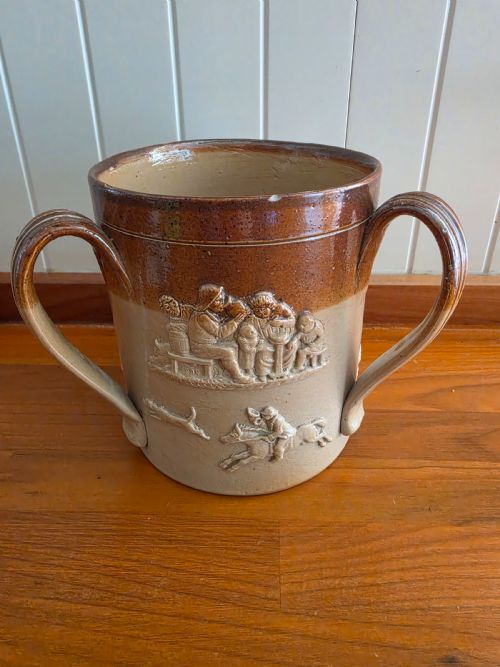
- A large drinking vessel featuring multiple handles designed for communal passing around a table. They appear in sturdy earthenware and stoneware bodies.
- Sprigged
- A method of decoration where small moulded clay reliefs are applied to the surface of an unfired vessel before glazing and firing.
Salt Glaze Pottery Vessel: Frequently Asked Questions
What is a salt glaze pottery vessel?
A salt glaze pottery vessel is a ceramic object fired with salt introduced directly into the kiln chamber. This traditional technique creates a durable, slightly pitted finish across stoneware jugs, flagons, and decorative items.
These pieces range from early continental tavern wares to ornate Victorian art pottery, prized for their historical resilience and distinctive textured surfaces.
How do I date an antique salt glaze piece?
Dating relies on stylistic markers, manufacturing techniques, and specific factory stamps or royal ciphers present on the body. Early German pieces often feature Westerwald masks or Bellarmine designs.
Later Victorian examples frequently incorporate stamped factory ciphers, artist signatures, or dated silver collars that narrow down the production period.
Were these vessels used for food storage?
Many of these pieces served practical domestic and commercial functions, acting as containers for wine, oil, vinegar, or turtle soup. Their dense stoneware construction made them ideal for holding liquids safely.
Other forms, such as puzzle jugs, beakers, and decorative ewers, were intended for communal dining, tavern use, or display rather than long-term pantry storage.
How should I display salt glaze pottery?
These robust stoneware items suit open shelving, sideboards, or stable surface placements where their weight and earthy tones stand out. Neutral backgrounds help highlight the subtle cobalt blue pigments and textured orange-peel glazes.
Grouping different forms, such as pairing tall flagons with smaller beakers or botanical jars, creates a balanced historical display within a room.