


Rustic Wooden Workbench
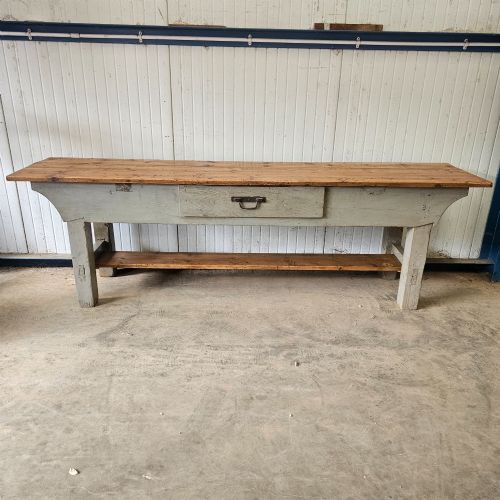
A rustic wooden workbench brings decades of honest service and heavy timber straight into a modern kitchen or living space.

Rustic Wooden Workbench
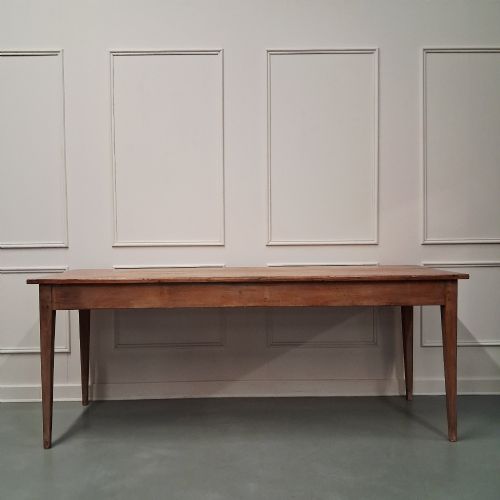
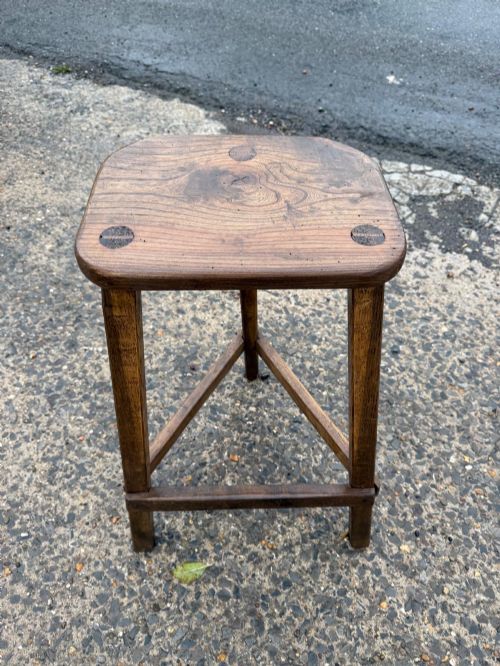
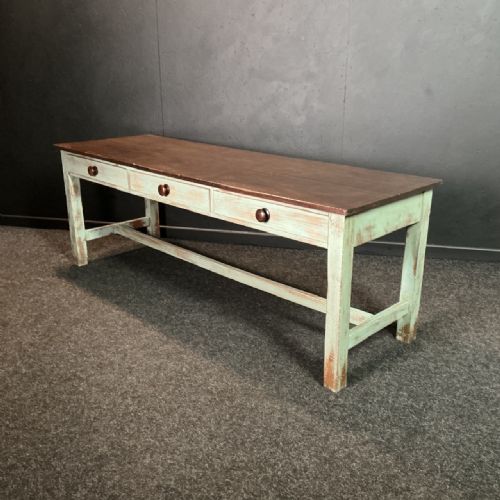
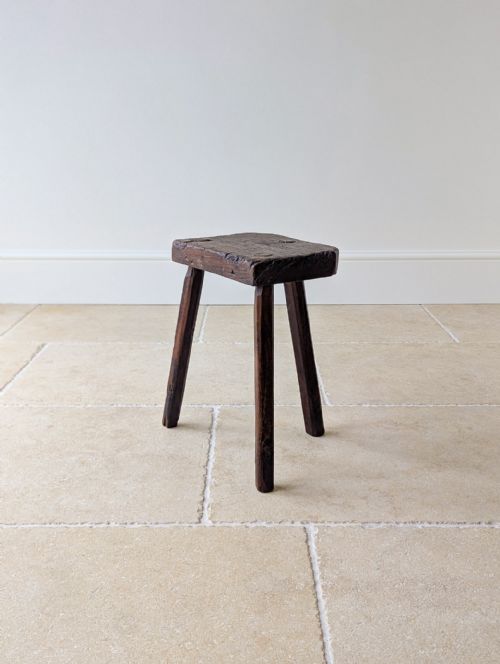
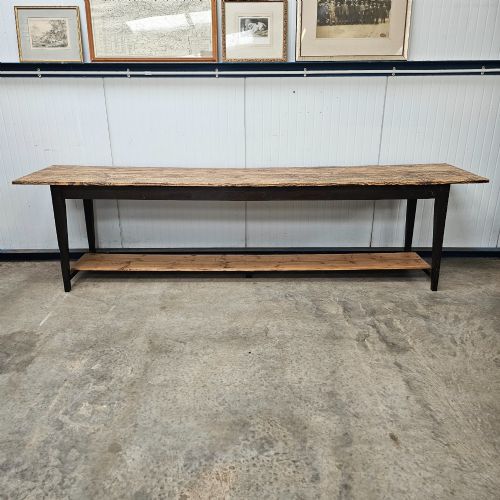
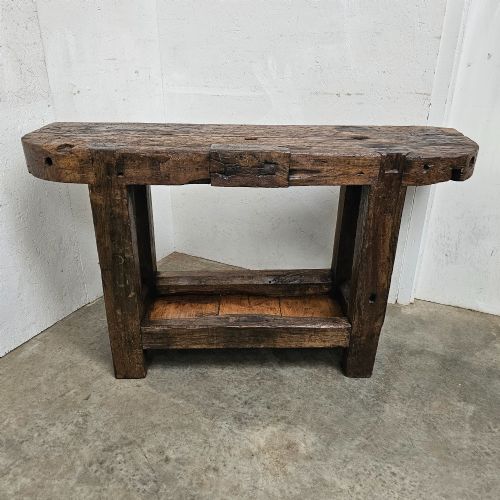
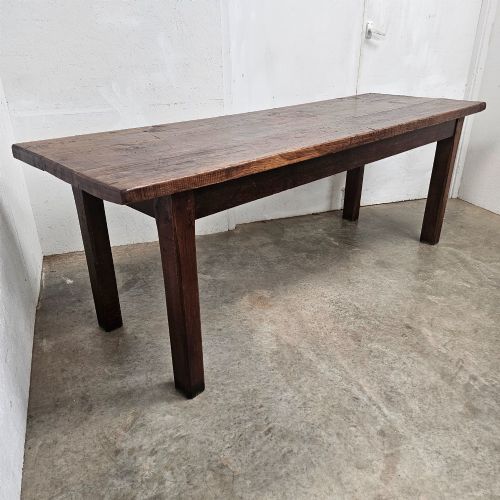
A rustic wooden workbench serves as a functional anchor, evolving from historical trade use into versatile domestic tables and preparation surfaces. When searching for a rustic wooden workbench, buyers encounter practical workshop pieces alongside related utility forms such as kitchen preparation tables, scullery tables, and harvest tables.
The pieces originating from this selection span from the early nineteenth century through the early twentieth century, incorporating Victorian and Edwardian periods. Regional variations appear across English, Welsh, Scottish, French, and Swedish workshops, spanning styles from French provincial to Victorian utilitarian.
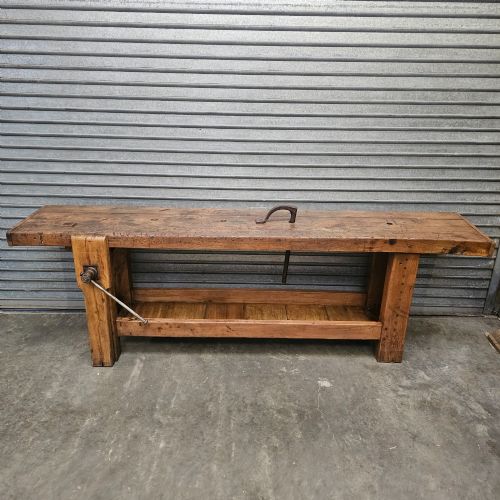
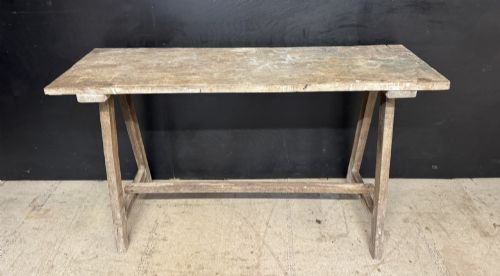
While dedicated workbenches feature built-in vices and two-tier storage, the wider category encompasses scrubbed top dining tables, console tables, and tavern tables. Pine and oak dominate the forms, frequently paired with elm, ash, and iron components.
Materials and construction methods
Joinery relies on solid domestic and imported hardwoods and softwoods, utilising thick pine, oak, elm, ash, and sycamore for heavy tops and structural frames. Carpenters built these surfaces to absorb the daily impact of manual trades, cheese pressing, and food preparation.
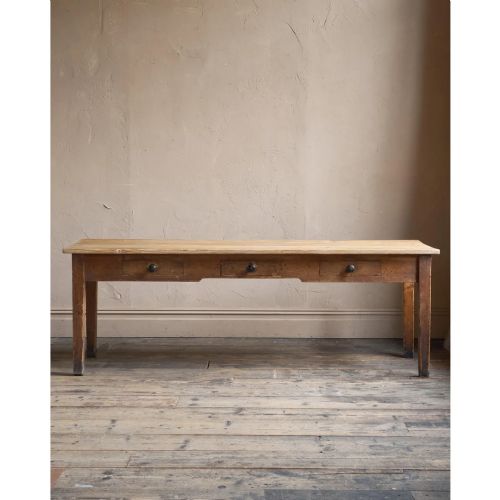
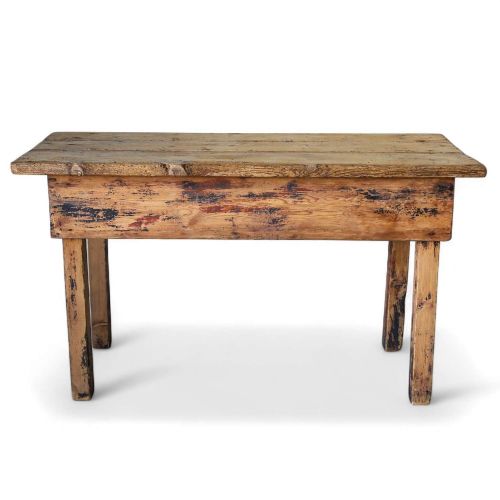
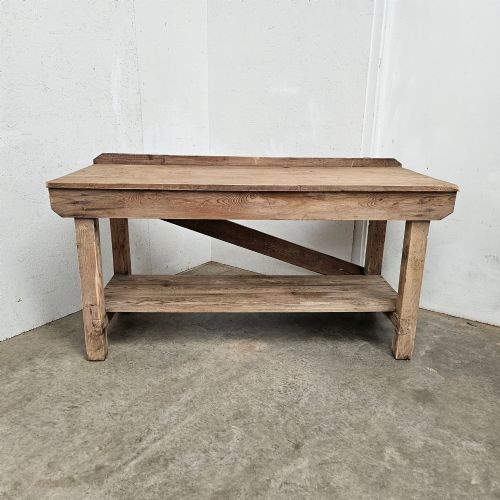
Surfaces show the effects of historic use, with scrubbed finishes, traces of old paint, and deep patination resulting from decades of manual labour. Iron vices, metal brackets, and substantial wooden stretchers provide the mechanical strength inherent in these utilitarian builds.
Rustic Wooden Workbench Retail Price Guide 2026
Typical asking prices for rustic wooden workbench among the pieces listed under this phrase on Sellingantiques today, from the lower quarter to the upper quarter. They describe what is for sale here now, not the wider market.
A French cobbler's bench brings centuries of leather dust and tiny embedded tacks straight into the sitting room.
What separates examples
Quality rests in the integrity of the timber and the honesty of the wear, where deep patination and thick, uncompromised top boards elevate an example. Heavy proportions, original iron vices, and untouched structural joinery distinguish superior workshop pieces from later adaptations.
The balance between utility and proportion dictates value, as longer formats like harvest tables and substantial cheese press tables require sound framing to prevent sagging. Surface treatment matters significantly, preferring scrubbed natural grain or genuine historic paint over artificial distressing.
The Rustic Wooden Workbench Glossary
- Scrubbed top
- A wooden surface washed repeatedly with soap and water over generations, removing varnish to leave a pale, clean grain. This finish is typical of kitchen and dairy tables.
- Patina
- The surface sheen and darkening acquired by wood and iron through decades of handling, exposure, and waxing. It serves as a visual indicator of age and continuous use.
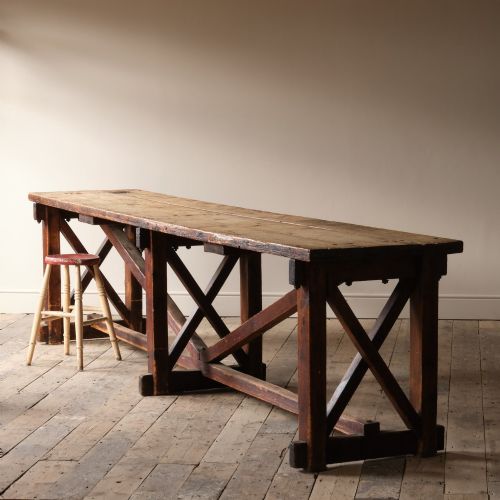
- Trestle table
- A table structure comprising two or more support frames connected by a horizontal beam or stretcher. This design allows maximum legroom along the length of the top.
- Primitive
- A descriptive term for furniture made by local tradesmen rather than urban cabinetmakers, prioritising unadorned utility over fashionable ornament.
Rustic Wooden Workbench: Frequently Asked Questions
What is a rustic wooden workbench used for today?
These pieces function primarily as kitchen islands, dining tables, or console surfaces in modern homes. Their deep timber tops provide robust workspaces for cooking, writing, or general display.
Buyers often place them in open-plan kitchens or hallways to introduce architectural weight and historical texture. The integrated lower shelves and drawers on specific models offer practical storage.
How do I clean a scrubbed wooden top?
Maintenance requires minimal intervention, usually involving a damp cloth and mild soap to clear away daily dust and debris. Harsh chemical cleaners strip the natural oils from historic timber and should be avoided.
Applying a clear beeswax periodically helps nourish the grain and protects the surface from moisture rings. Allowing the wood to breathe preserves the authentic texture built up over centuries.
How can I tell a French bench from an English one?
French workshops frequently employed fruitwoods, poplar, sycamore, and bleached oak, often incorporating distinct trestle bases or integrated wooden vices. Their proportions tend to reflect provincial dining and wine-making traditions.
English and Welsh variants typically rely on heavy pine, oak, and elm, featuring robust drawer banks or pot-board lower shelves. Regional vernacular details reveal themselves in the specific placement of stretchers and drawer joinery.
Are these benches suitable for daily dining?
Many worktables and harvest tables adapt seamlessly to dining use due to their generous proportions and stable frames. Benches with built-in vices require careful placement to ensure diners sit comfortably without obstruction.
The height and knee clearance vary significantly across artisan pieces, so checking specific dimensions prevents seating compatibility issues. Their durable construction easily withstands the rigours of family meals.