



Rustic Wooden Steps
Rustic wooden steps are sturdy utility items shaped from oak, pine, cedar, elm and softwood, offering functional charm and historical character for modern interiors.
Rustic Wooden Steps
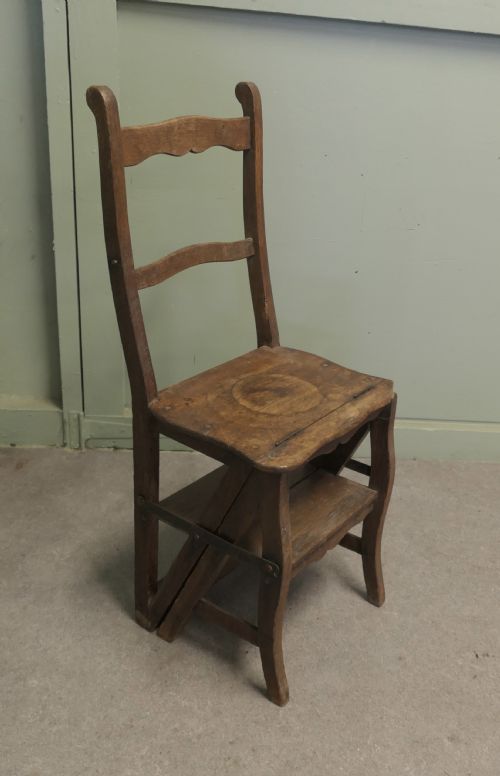
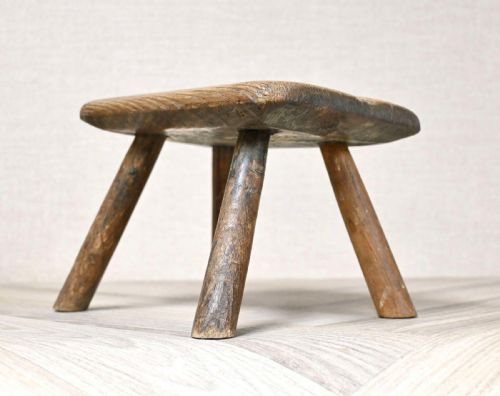
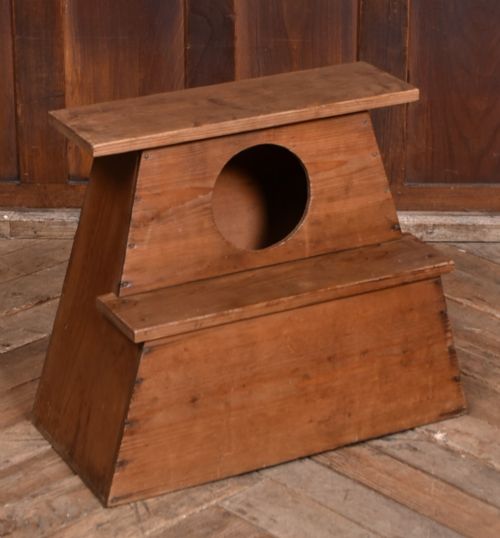
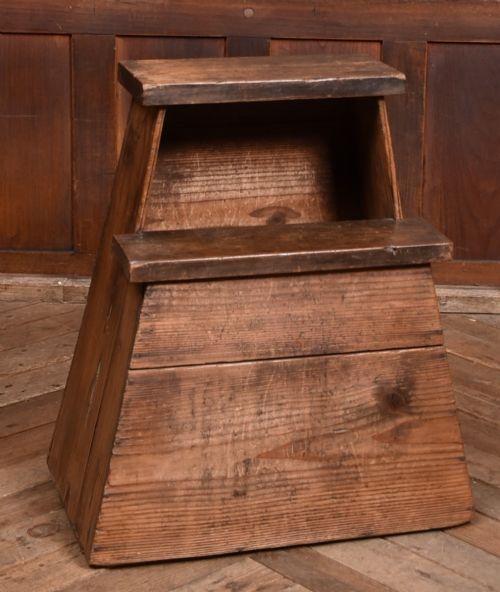
When you search for rustic wooden steps, you encounter practical items spanning the eighteenth century through to the early twentieth century, including Edwardian and Victorian periods. These pieces include library steps, step ladders, step stools and folding chairs designed for utility in homes, shops and railways.
The assortment on this page reflects various forms and origins, taking shape as tall loft ladders, kitchen library steps, French epicerie steps and industrial utility pieces. The utility and straightforward construction define the visual language of these items across styles such as rustic country, primitive country, Gothic revival and industrial utility.
How they were made
Makers utilised solid timbers such as oak, pine, cedar, ash, elm and softwood to build structures capable of heavy daily use. Joinery techniques relied on straightforward, robust construction methods suited to items intended for hard work in domestic and commercial settings.
Iron fittings and hardware frequently reinforce wooden joints and hinges, particularly on folding step ladders and metamorphic pieces. The combination of timber and iron provides the structural integrity required for climbing and stepping.
Listings feature items built from oak, pine, cedar, ash, elm and softwood across the 18th century, 19th century and early 20th century.
What varies in quality
The grade of timber and the integrity of the original construction set examples apart, with denser hardwoods like solid oak and ash offering superior durability compared to softer varieties. Surviving hardware, such as original iron hinges and brackets, also contributes to the authenticity and structural soundness of a piece.
Patina and surface wear dictate the visual appeal of these items, with untouched, aged timber surfaces showing deep character developed through genuine historical use. Alterations or replacement treads can shift the balance away from the original factory or workshop state.
The Rustic Wooden Steps Glossary
- Metamorphic
- A piece of furniture designed to transform from one form into another, such as a chair that converts into a set of ladder steps.
- Epicerie
- A style associated with French shop fittings, often applied to sturdy pine shelving and step units used in grocery stores.
- Library steps
- Free-standing stair structures traditionally used to reach high bookshelves in private and institutional libraries.
- Softwood
- Timber derived from conifers, such as pine and cedar, which appears frequently in utility ladders and simple country furniture.
- Primitive country
- A style characterised by simple, unadorned construction methods executed by local makers using readily available local materials.
Rustic Wooden Steps: Frequently Asked Questions
How were rustic wooden steps used originally?
These steps served practical roles in domestic, commercial and industrial settings, assisting workers and household members to reach high shelves, lofts and library books.
Many designs also fulfilled dual purposes, such as metamorphic chairs that provided seating alongside functional climbing steps.
How do I style wooden steps at home?
You can position shorter step stools and footstools as side tables or plant stands, allowing the aged timber grain to add warmth to a room.
Taller step ladders function well as vertical display shelving for books, linens or decorative objects in living spaces and bedrooms.
Are these steps safe to climb today?
Safety depends entirely on the structural integrity of the individual piece, the strength of the joints and the condition of the timber.
Heavier oak and ash library steps often retain solid load-bearing capacity, while lighter pine or antique softwood ladders suit display purposes better than active climbing.
How can I tell the period of wooden steps?
Dating relies on observing construction marks, timber types, nail or screw varieties and the overall design style associated with specific eras like the Edwardian period or the nineteenth century.
Makers often utilised specific hardwoods or industrial ironwork that reflect the manufacturing techniques of their respective decades.