

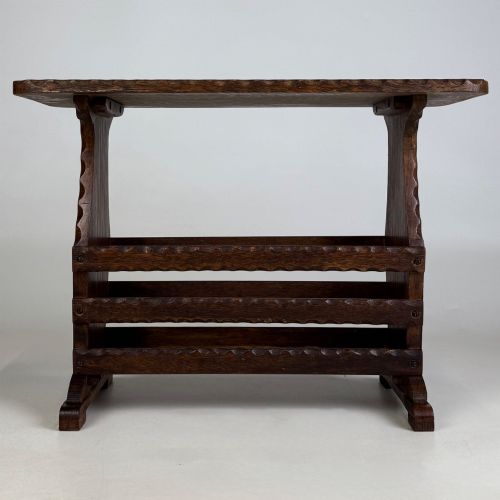
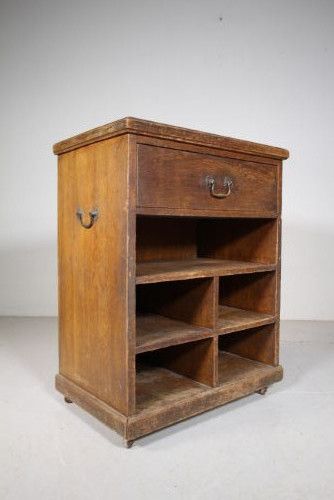
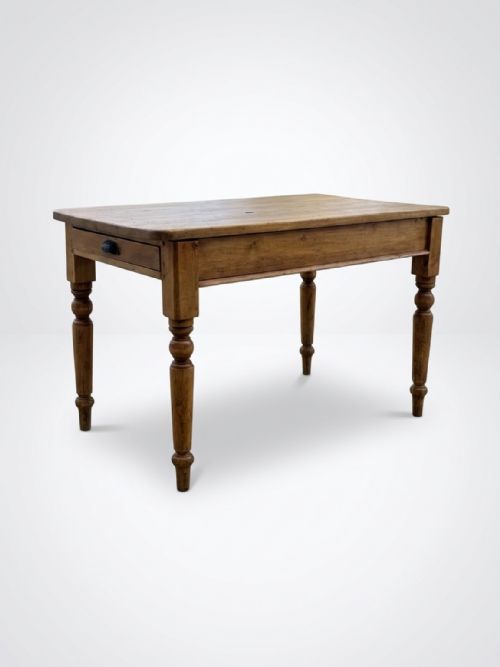
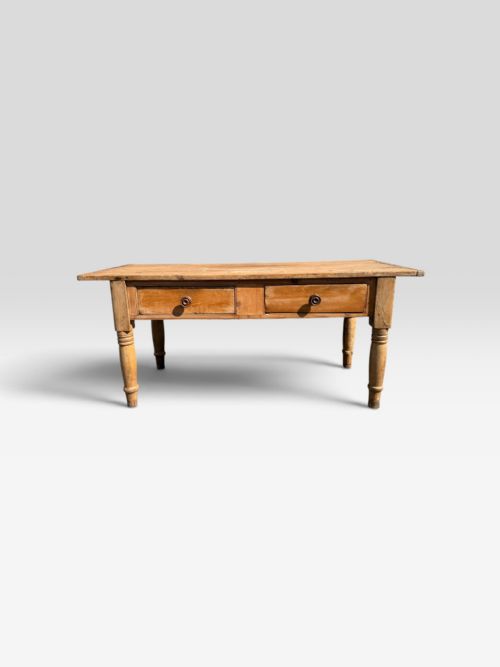
Rustic Wooden Side Table
A rustic wooden side table brings grounded utility and honest grain to a room, drawing on centuries of vernacular joinery.
Rustic Wooden Side Table
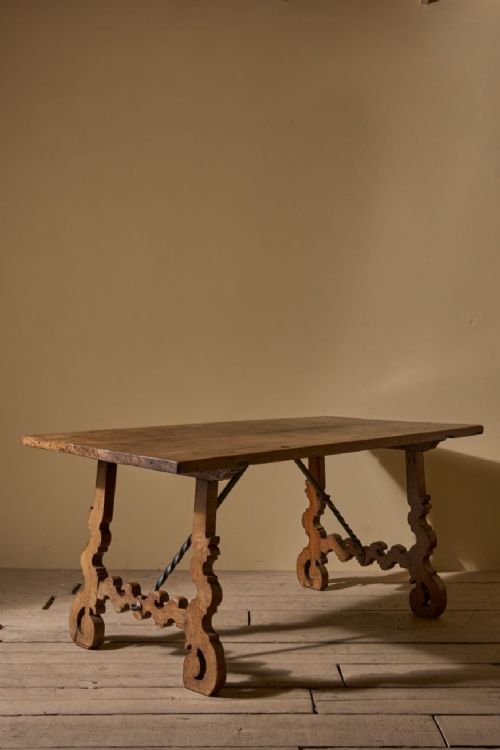
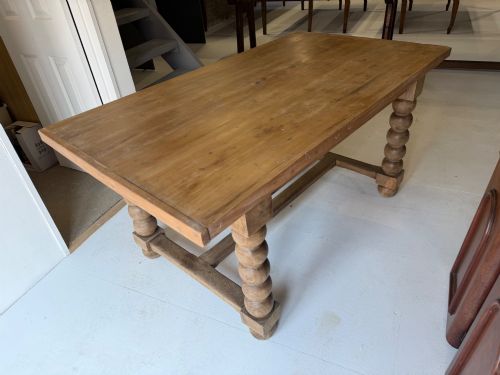
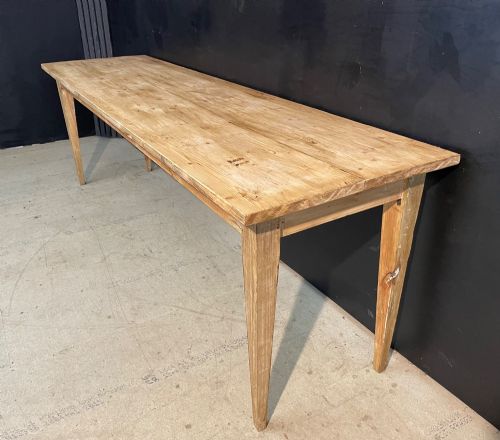
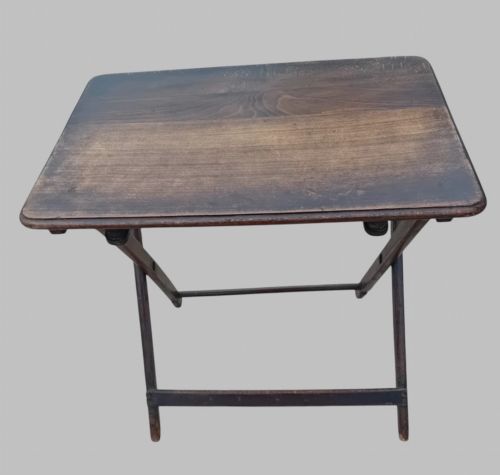
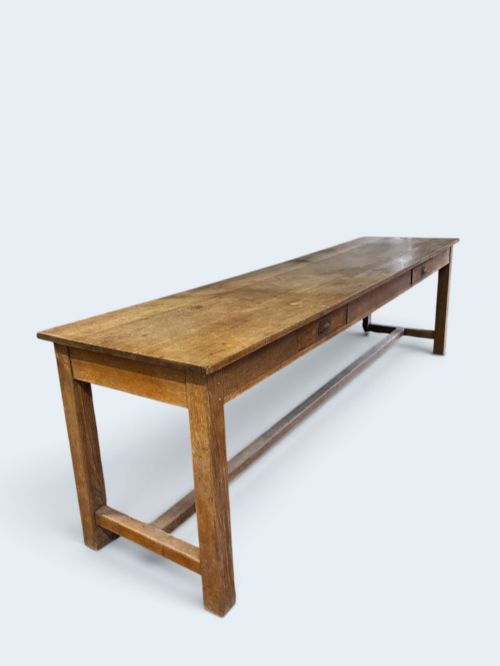
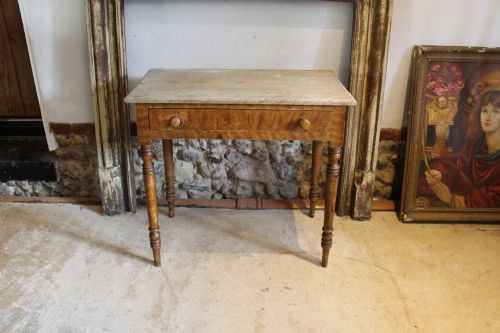
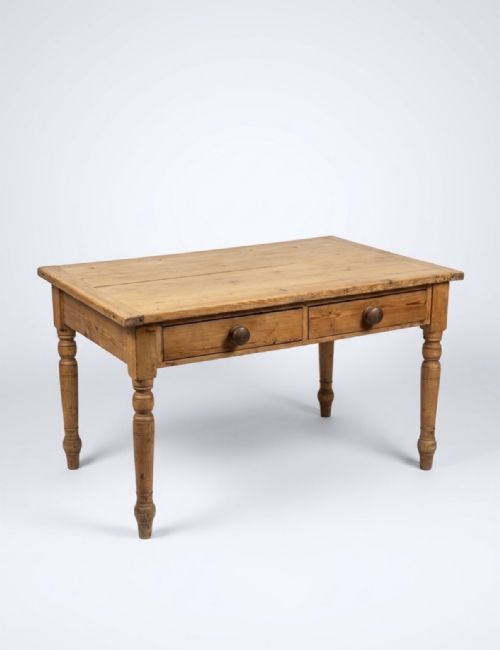
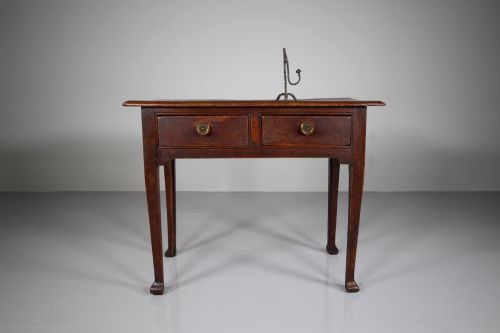
When you search for a rustic wooden side table, you encounter practical surfaces built for everyday domestic labour rather than formal parlour display. These utilitarian forms include side tables, console tables, serving tables, and prep tables designed for hard work in kitchens, sculleries, and country houses.
The pieces on this page span several centuries, with a strong showing of nineteenth-century and Edwardian examples alongside eighteenth-century formats. You will find sturdy oak, pine, elm, and fruitwood constructions shaped by regional traditions across England, France, and Wales.
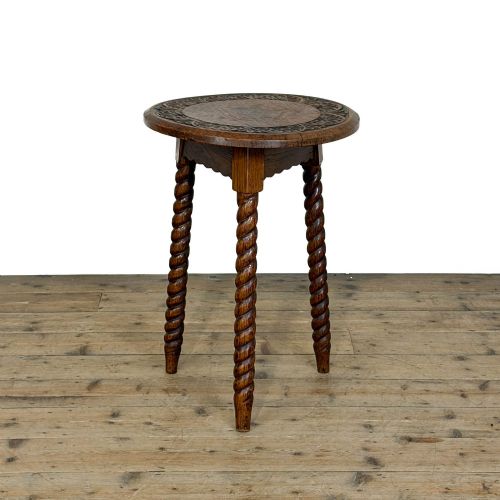
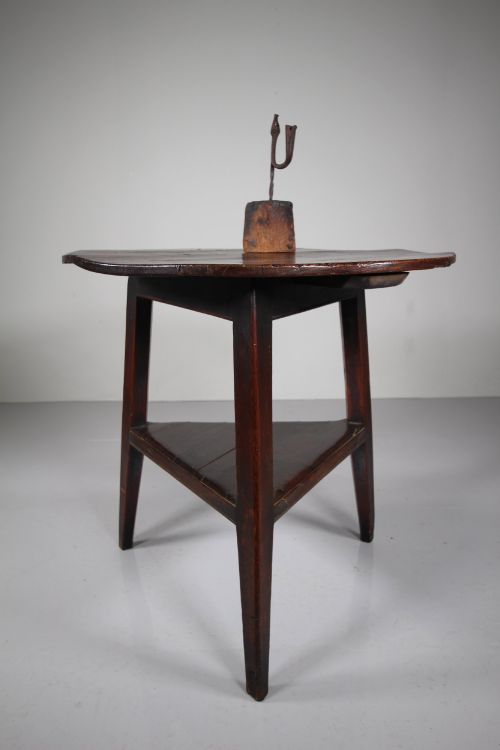
Many of these tables take simple, functional shapes such as cricket tables with three legs, low gate-leg designs, or small bedside cupboards. Their appeal lies in honest construction, visible grain, and the patination gathered through generations of domestic service.
Materials and construction methods
Carpenters relied on domestic hardwoods and softwoods like oak, pine, elm, beech, and fruitwood to build these functional tables. Timber was selected for strength and local availability, often joined with sturdy pegs or mortise and tenon joints designed to endure heavy daily use.
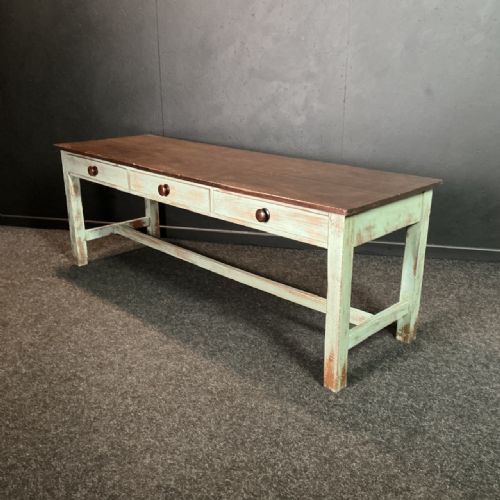
Surface finishes range from bare scrubbed timber and original scumble paint to later decorative coats and dark beeswax polishes. Iron brackets, brass fittings, and turned bobbin legs occasionally appear to reinforce joints or add modest detail to otherwise plain utilitarian forms.
Rustic Wooden Side Table Retail Price Guide 2026
Typical asking prices for rustic wooden side table among the pieces listed under this phrase on Sellingantiques today, from the lower quarter to the upper quarter. They describe what is for sale here now, not the wider market.
An eighteenth-century elm chopping block rests on its original gnarled legs, reminding us that work furniture often kept its rustic roots quite literally attached.
Evaluating quality and authenticity
Quality in these vernacular pieces rests on the integrity of the timber and the honesty of the wear. Tables that retain their original unstripped surfaces, untouched patination, and unaltered structural timbers command greater respect among collectors than those heavily restored or aggressively sanded.
The refinement of the joinery distinguishes standard utility work from finer regional craftsmanship. A well-balanced frame with tight joints and well-chosen timber for the top demonstrates superior maker skill, even when the overall design remains resolutely plain and functional.
The Rustic Wooden Side Table Glossary
- Cricket table
- A small, lightweight occasional table traditionally featuring three splayed legs to maintain stability on uneven cottage floors. This form dates back centuries in British rural interiors.
- Scumble paint
- A translucent decorative glaze applied over a base coat to mimic the grain of more expensive timbers or create a mottled aged effect. It appears frequently on nineteenth-century vernacular furniture.
- Joint stool
- A sturdy, low wooden seat or small stand constructed with pegged mortise and tenon joints rather than turned legs. These pieces doubled as small side surfaces in early households.
- Vernacular style
- Furniture built by local craftsmen to satisfy practical local needs without adhering to high-style metropolitan fashions. These objects prioritise utility, local materials, and straightforward construction.
- Gate-leg table
- A drop-leaf table with hinged flaps supported by swinging legs that pivot outward like a gate. This design allowed large surfaces to fold compactly against a wall when not in use.
Rustic Wooden Side Table: Frequently Asked Questions
How do I date an old wooden table?
Dating relies on observing construction marks, timber selection, and tool evidence left by the maker. Hand-sawn boards, pegged joints, and natural wear patterns offer reliable clues to an object's age.
Stylistic quirks and regional building traditions also help narrow the period. Comparing the joinery methods with dated examples helps confirm whether a piece belongs to the eighteenth, nineteenth, or early twentieth century.
What is a cricket table used for?
A cricket table served as a versatile moveable surface in modest homes for tasks like holding small lamps, books, or mugs. Its three-legged design kept it stable on uneven flagstone floors.
Today, these compact tables function easily as bedside stands or corner display surfaces. Their modest footprint makes them useful in smaller modern rooms.
Are painted rustic tables original?
Some pieces retain their original scumble or early decorative paint applied to protect the soft pine or hardwood beneath. Other items received later coats of paint during subsequent decades of domestic use.
Inspect the layers and wear around the edges to understand the surface history. Original finishes exhibit a soft, integrated patination that sits naturally within the grain.
How do I care for antique pine?
Pine and softwood surfaces benefit from occasional light dusting and gentle feeding with natural beeswax. Avoid placing them near direct heat sources or in damp areas that might cause the timber to warp.
Preserving the existing patination means avoiding harsh chemical cleaners or aggressive modern varnishes. Gentle maintenance keeps the dry, honest finish intact for years to come.