
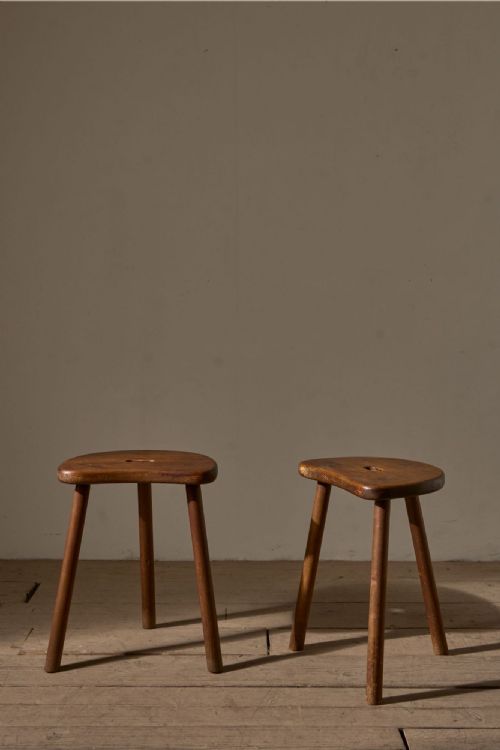
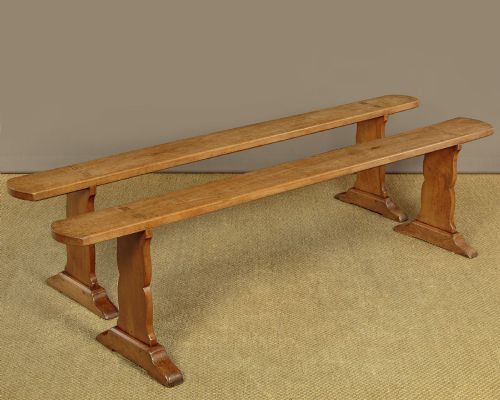
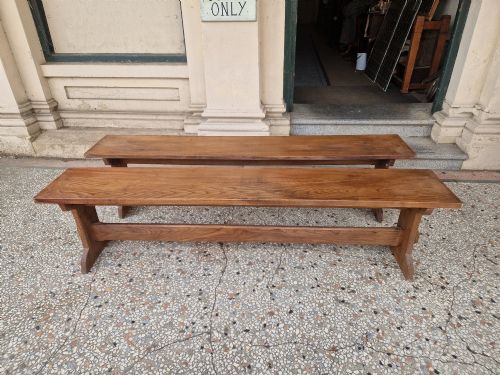


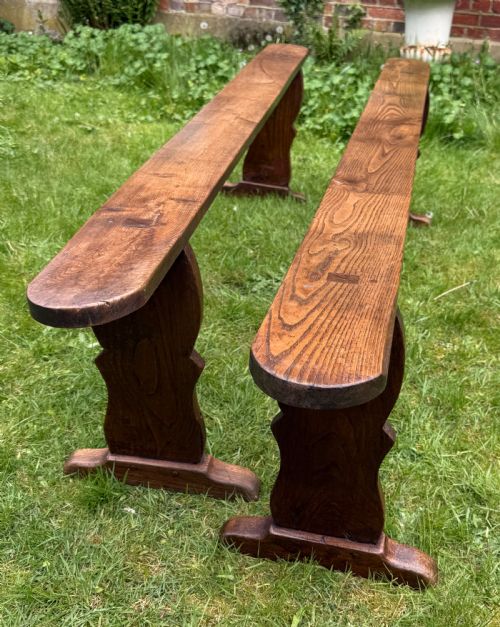
Rustic Wooden Seating Pair
A rustic wooden seating pair brings honest utility and vernacular character directly to domestic interiors through matched pairs designed for daily use.
Rustic Wooden Seating Pair
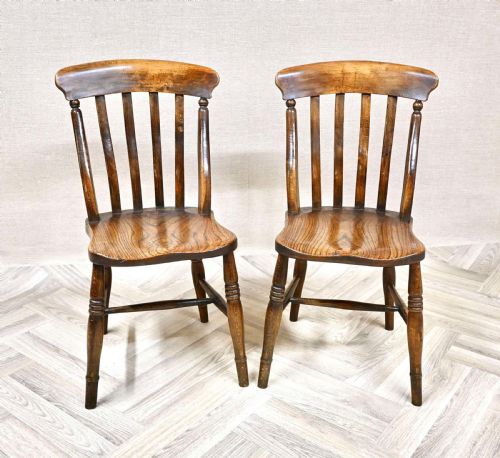
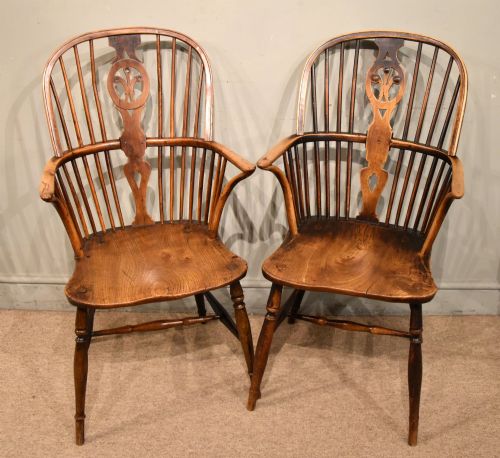
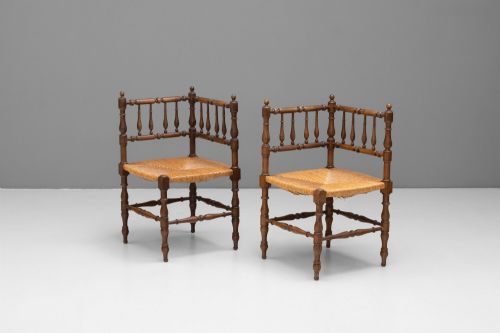
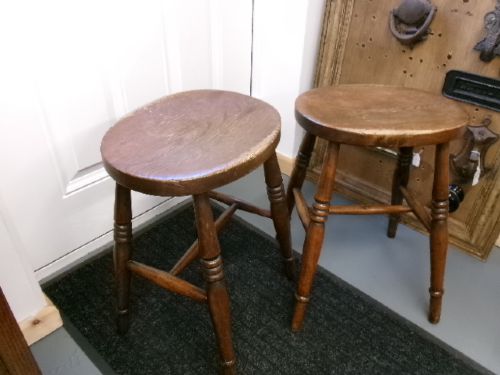
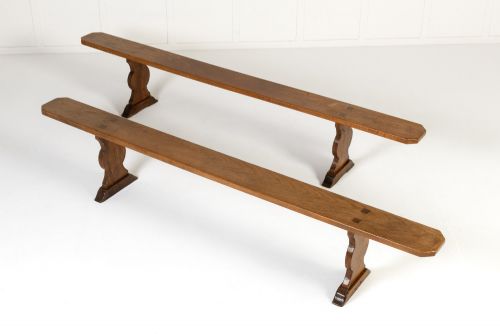
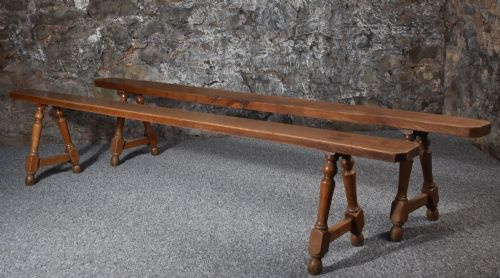
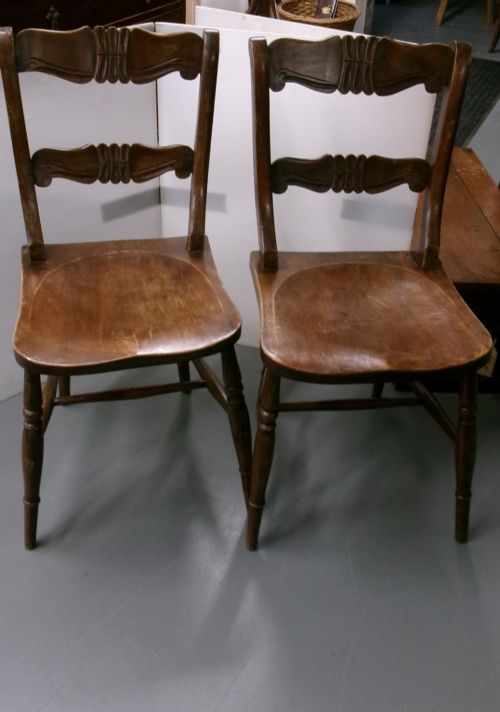
A rustic wooden seating pair encompasses matching chairs, benches, and stools originating from domestic, farmhouse, and workshop traditions. These forms date primarily from the Victorian and Georgian eras through to the early twentieth century, reflecting rural needs across English, French, and Scandinavian regions.
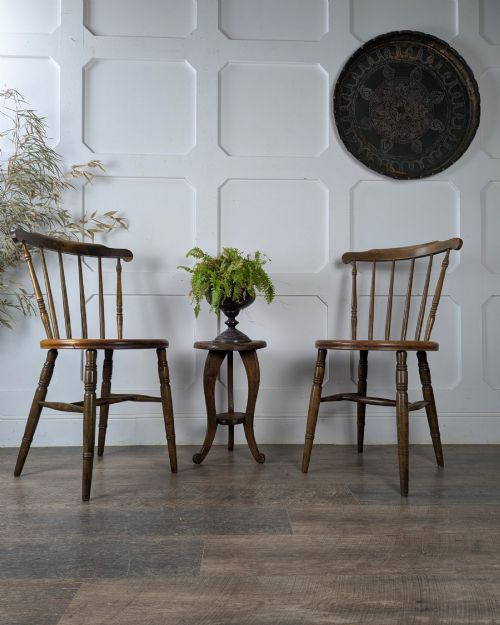
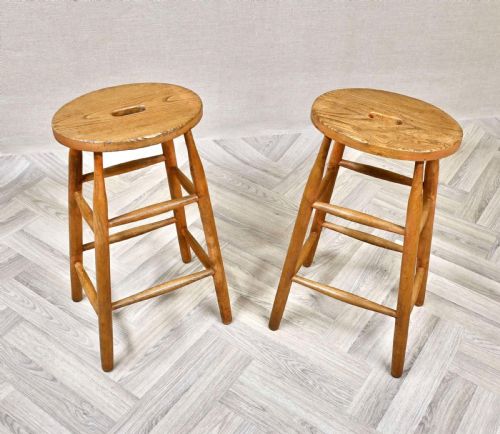
The selections on this page rely heavily on benches, kitchen chairs, armchairs, and stools configured as pairs. Elm, oak, and pine appear frequently alongside beech, ash, and cherrywood, creating balanced sets built for functional spaces.
Makers utilised local timbers and straightforward construction methods to produce durable seating for kitchens, halls, and dining rooms. The surviving examples demonstrate the regional variations inherent in vernacular furniture design.
Distinctions in craftsmanship
The hierarchy of quality rests upon the selection of timber and the integrity of the original construction. Dense heartwood and well-figured grain elevate a piece above standard utility furniture made from simpler planks.
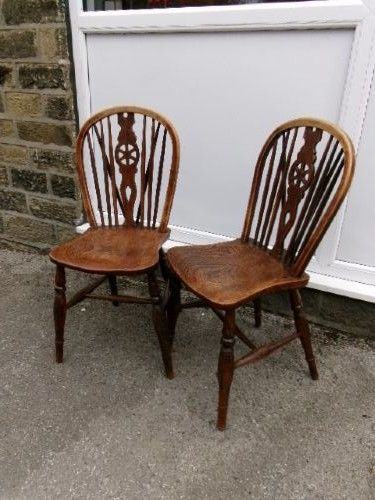
Proportion and comfort further divide standard workshop output from finer vernacular examples. Balanced turnings, well-carved wheelbacks, and harmonious pairings indicate maker skill and intentional design.
Listings feature timbers including elm, oak, beech, rush, pine, ash, hardwood, and cherrywood across eighteenth, nineteenth, and early twentieth-century periods.
Jack Grimble
The Rustic Wooden Seating Pair Glossary
- Windsor chair
- A chair built with a solid wooden seat into which the legs and back spindles are separately inserted. This form often includes a bowed top rail or a high stick back.
- Joint bench
- A sturdy wooden bench constructed with mortise and tenon joints secured by wooden pegs. These pieces rely on rigid framing rather than glued joints.
- Rush seat
- A woven seating surface created from dried marsh grasses twisted into cords. This traditional method provides a resilient and textured pad within a wooden frame.
- Wheelback
- A chair back featuring an ornamental pierced splat shaped like the spokes and rim of a cartwheel. This decorative motif is common in nineteenth-century kitchen seating.
- Vernacular furniture
- Objects made by local artisans using regional materials and traditional methods without high-style academic architectural influences. These pieces prioritize practical domestic use.
Rustic Wooden Seating Pair: Frequently Asked Questions
How were these pairs used historically?
These seating pairs served everyday domestic functions around dining tables, in hallways, and beside kitchen hearths. Benches accommodated multiple household members while chairs provided individual seating.
Their robust construction ensured they could withstand heavy daily use in demanding environments like country pubs and rural kitchens.
How do I care for antique wooden seating?
Maintain these pieces by keeping them away from direct heat sources and rapid humidity fluctuations which can dry out the timber. Apply occasional appropriate wax to nourish the antique wood surface.
Avoid harsh chemical cleaners and heavy moisture to preserve the original patina and grain structure built up over generations.
How can I tell the period of these pieces?
Dating relies on observing construction marks, timber choice, and stylistic details such as turnings, joint types, and fastener methods. Earlier pieces often feature hand-rived timbers and simpler pegged joinery.
Later nineteenth and twentieth-century examples incorporate machine-sawn components alongside traditional hand-finished elements.