


Late Victorian Country Chairs
Late victorian country chairs bring honest timber and sturdy vernacular form into daily use.
Late Victorian Country Chairs
Late victorian country chairs encompass functional seating from the nineteenth century, ranging from farmhouse kitchen armchairs to dining sets and fireside seats. These pieces emerge primarily from the late victorian period and the broader nineteenth century, reflecting robust domestic design.
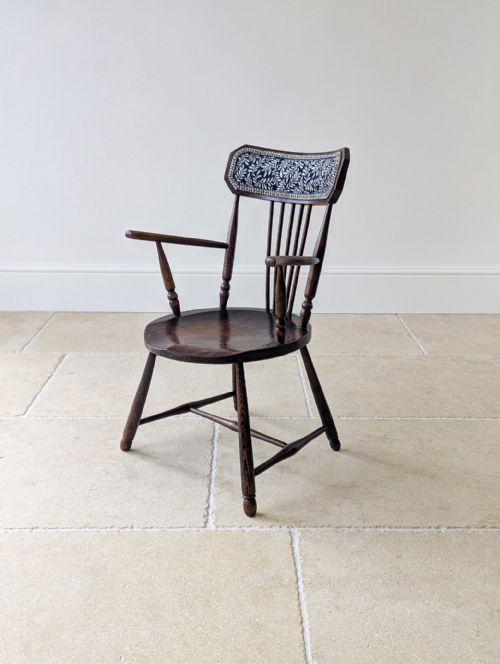
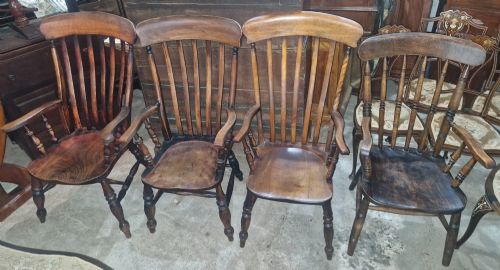
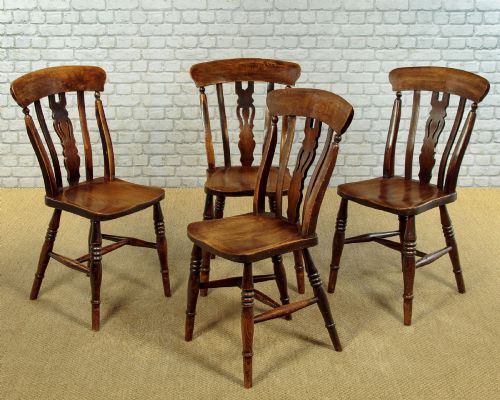
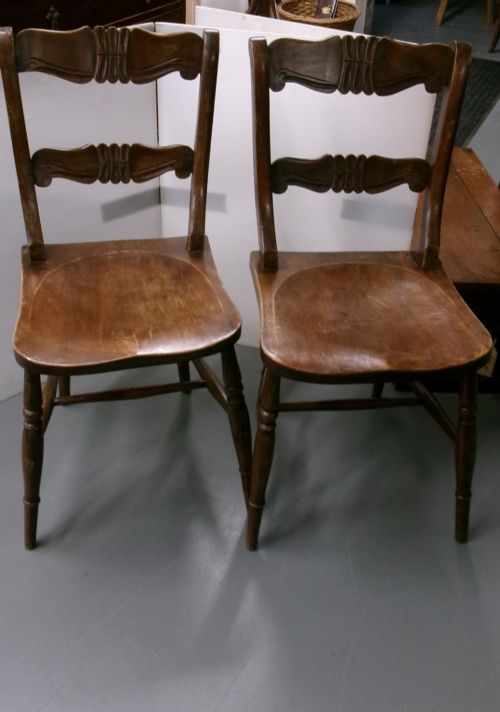
The most common version met on this page is the Windsor chair, frequently constructed from combinations of elm, beech, and ash. Buyers frequently encounter armchairs, carvers, and sets of kitchen dining chairs bearing the straightforward character of the era.
How they were made
Cabinetmakers and rural joiners utilised solid regional timbers such as elm, beech, ash, oak, and fruitwood to build these chairs for daily endurance. Turned spindles, carved wooden frames, and steam-bent components formed the structural foundation of Windsor and farmhouse seating.
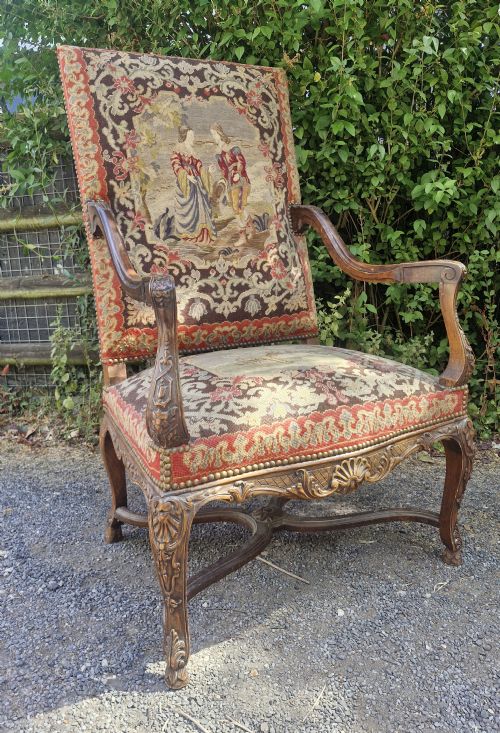
Seating areas frequently incorporated shaped solid elm seats, whilst some models featured rush seats or needlework upholstery. Brass details and applied textile work appeared on specific fireside and upholstered armchair variations.
Listings feature elm, beech, ash, oak, and fruitwood across nineteenth-century dining chairs and armchairs.
What varies in quality
The distinction between ordinary and superior examples lies in the selection of timber and the complexity of the turnings. Chairs featuring well-figured elm seats and balanced beech or ash spindles demonstrate higher craftsmanship.
Proportion and structural integrity dictate the standing of a piece within its type. Refined spindle backs and careful joinery separate standard utility seating from more considered arts and crafts or vernacular designs.
The Late Victorian Country Chairs Glossary
- Windsor chair
- A wooden chair built with a heavy solid wooden seat into which the legs and back spindles are direct-inserted. This form relies on turned members and bentwood components for strength.
- Carver
- An armchair, traditionally placed at the head of a dining table or utilised as a primary fireside seat. These pieces match the smaller dining chairs in a set.
- Rush seat
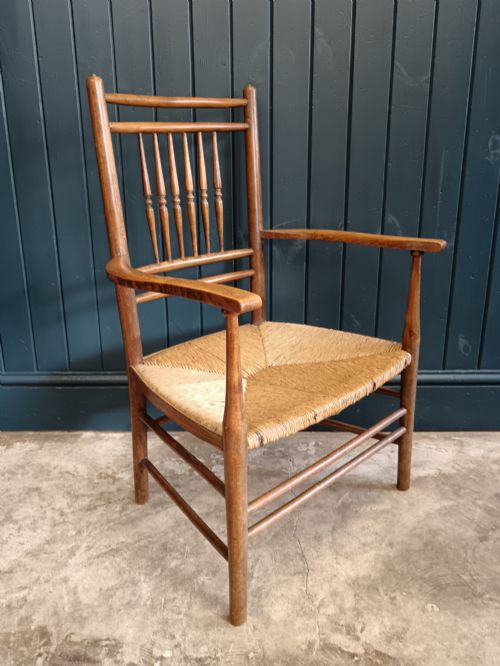
- A seating surface woven from dried marsh rushes, providing a flexible and traditional base for vernacular chairs. This technique appears on specific arts and crafts models.
- Spindle back
- A chair back constructed from a series of slender, turned wooden rods rather than a solid splat. This design lightens the frame while maintaining structural support.
- Os de mouton
- A decorative furniture framing style featuring scrollwork resembling sheep bone. This uncommon late nineteenth-century detail appears on specialised seating frames.
Late Victorian Country Chairs: Frequently Asked Questions
Are these chairs comfortable for daily use?
These chairs were originally built for practical domestic tasks in kitchens and farmhouses, offering solid wooden contours designed for sustained sitting.
Many examples feature shaped seats and supportive spindle backs that adapt well to modern living spaces.
Can I mix these chairs with a modern table?
The honest timber construction and varied vernacular forms of these pieces allow them to sit comfortably alongside contemporary dining tables.
Pairs or sets of farmhouse chairs introduce texture and warmth to modern interiors without looking out of place.
What is the difference between an armchair and a carver?
In traditional dining sets, a carver refers to the larger armchair designed for the head of the table, featuring supportive armrests.
General armchairs might serve fireside or desk functions rather than accompanying a standard dining set.