

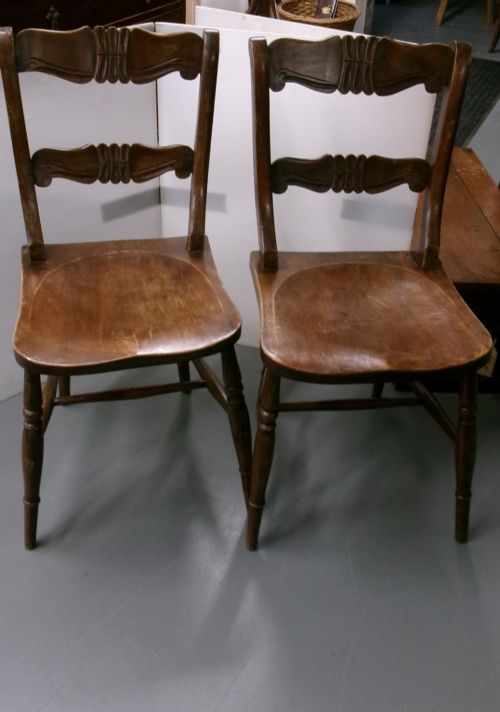
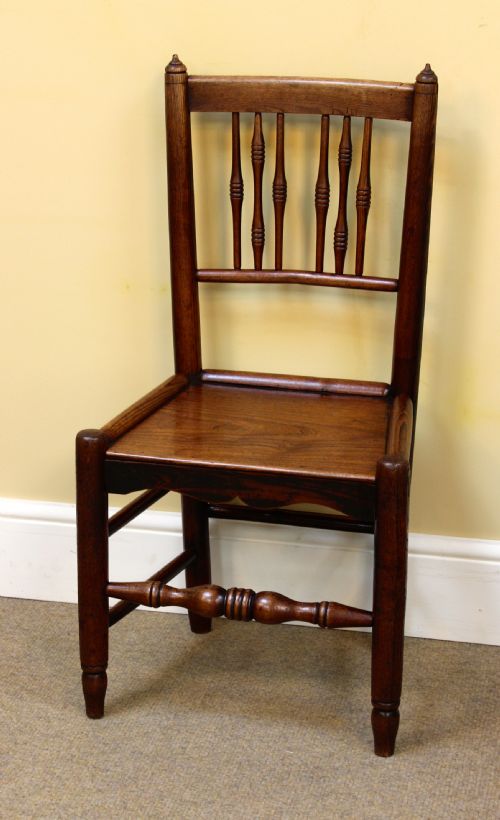


Victorian Timber Dining Chairs
These victorian timber dining chairs combine sturdy nineteenth-century construction with practical dining room seating.
Victorian Timber Dining Chairs
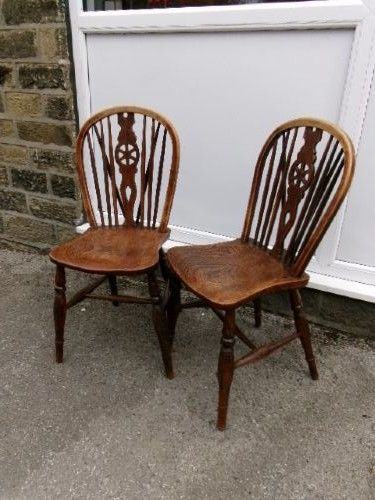
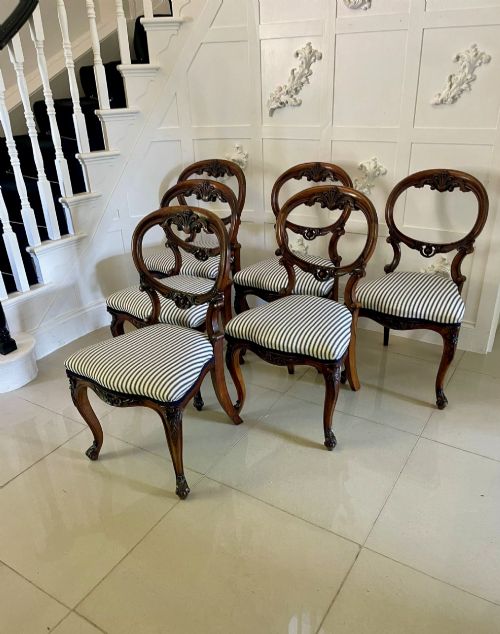
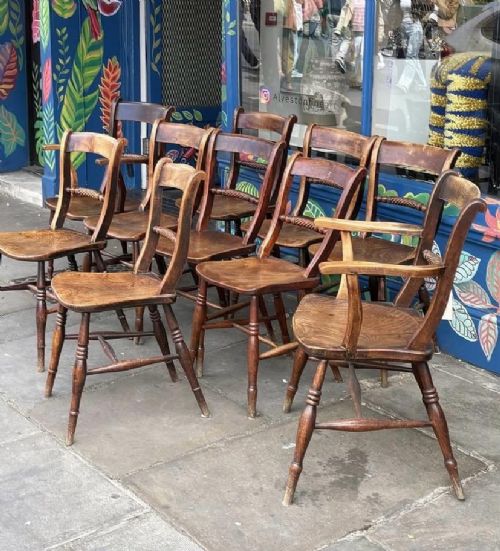
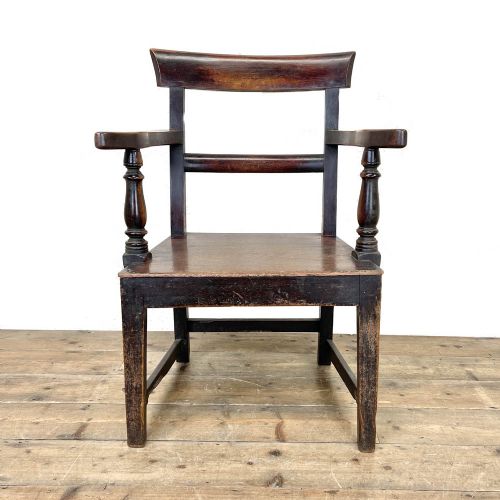
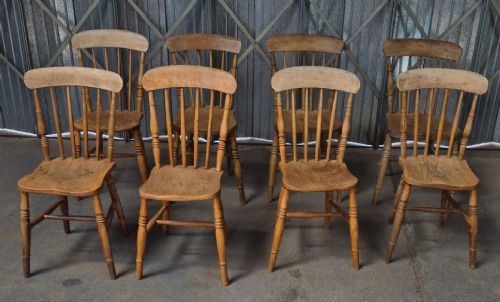
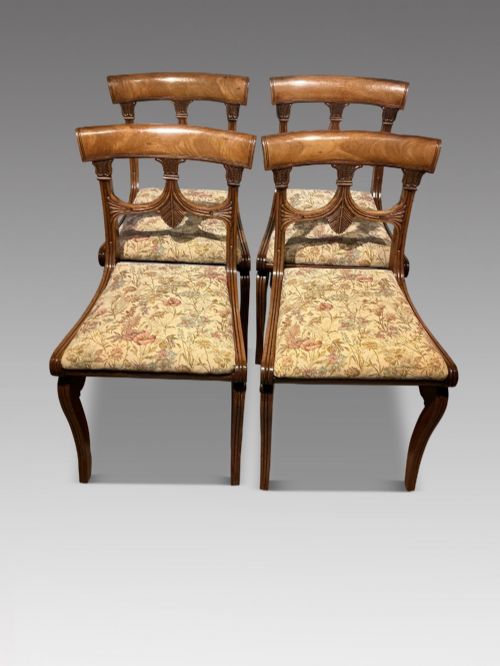
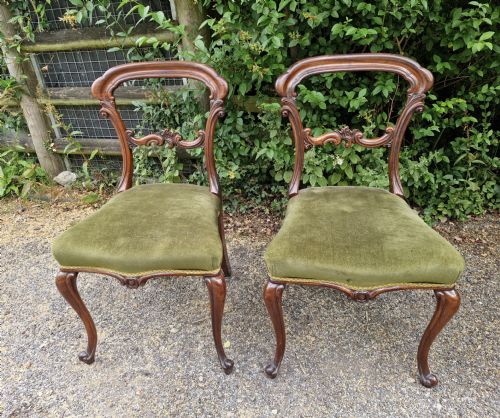
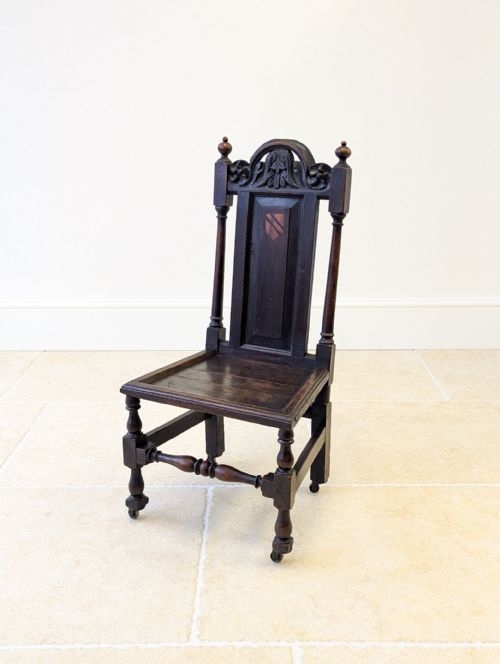
Victorian timber dining chairs comprise formal mahogany and rosewood sets alongside country elm, ash, and beech kitchen seating. Buyers searching for victorian timber dining chairs encounter everything from carved balloon-back dining sets to heavy oak hall chairs and stick-back Windsor designs.
Formal dining rooms rely on mahogany and rosewood frames with carved details, while farmhouse kitchens utilise resilient elm seats and beech spindles. Most examples originate from the nineteenth century, spanning from early Regency influences to late Victorian revivals.
Materials and construction
Cabinet makers utilised dense hardwoods like mahogany, rosewood, and oak for formal dining sets, applying carved ornamentation to splats and rails. Country workshops turned to local timber such as elm, ash, and beech, constructing robust kitchen chairs with pegged joints and steam-bent components.
Upholstery involved traditional stuffing materials covered in modern or period fabric and velvet, secured to drop-in or fixed seats. Turnings, mortise and tenon joints, and hand-carved crest rails define the structural integrity across both formal and vernacular pieces.
One listed carver set carries a direct historical link to Winston Churchill and Harry Warren House.
Judgement of quality
Quality rests on the selection of timber and the crispness of hand carving on the crest rails and balloon backs. Sets matched in timber grain and colour command greater attention than assembled near-sets collected over time.
Structural rigidity in the joints and the integrity of the original timber frame distinguish superior examples from heavily restored pieces. Refined proportion and the depth of carved detail separate formal dining chairs from simpler utility seating.
Marsh, Jones and Cribb·Harry Warren
The Victorian Timber Dining Chairs Glossary
- Balloon back
- A rounded, oval-shaped chair back popular in nineteenth-century dining chairs. This curved form provides ergonomic back support.
- Windsor chair
- A wooden chair featuring a solid saddle-seated base with spokes and spindles inserted directly into the seat. These country chairs rely on pegged construction.
- Hall chair
- A stiff-backed wooden chair designed for placement in an entrance hall rather than around a dining table. They frequently feature carved heraldic shields or solid timber panels.
- Stick back
- A chair design utilising thin wooden spindles forming the backrest. These vernacular chairs offer lightweight durability.
- Padouk
- A heavy tropical hardwood exhibiting a distinct reddish-brown tone. Cabinet makers utilised this timber for decorative carved furniture.
Victorian Timber Dining Chairs: Frequently Asked Questions
How do I clean timber chair frames?
Dust regularly with a dry cloth to prevent dirt accumulation on carved surfaces and joints. Apply occasional beeswax to nourish the timber grain.
Avoid chemical cleaning products that strip traditional finishes and dry out antique wood.
Are these chairs suitable for daily use?
Sturdy nineteenth-century dining chairs handle regular daily seating when joints remain tight and stable. Hardwood frames offer reliable structural support for modern dining tables.
Lighter kitchen chairs and delicate rosewood bedroom seats require more careful placement.
How do I spot a matched set?
Matched dining sets share identical timber grain patterns, carving depths, and leg turning styles across every chair. Individual pieces gathered over time show slight variations in colour and scale.
Larger sets of six or ten matching chairs indicate unified production.