

Rustic Wooden Sculpture
Rustic wooden sculpture gathers carvings and turned items from folk traditions, animal figures, and country workshops.
Rustic Wooden Sculpture
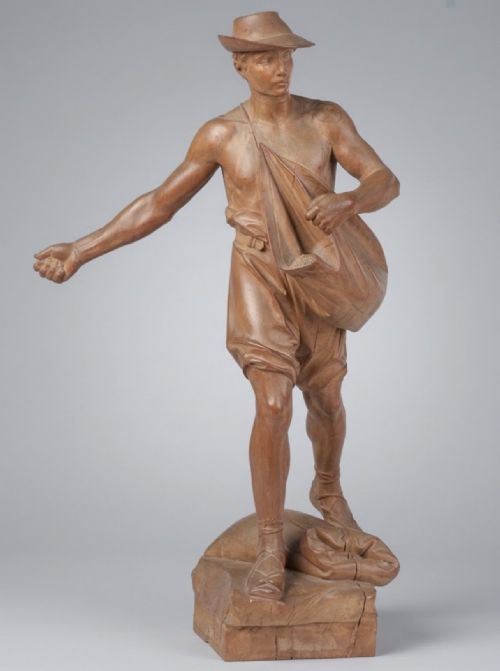
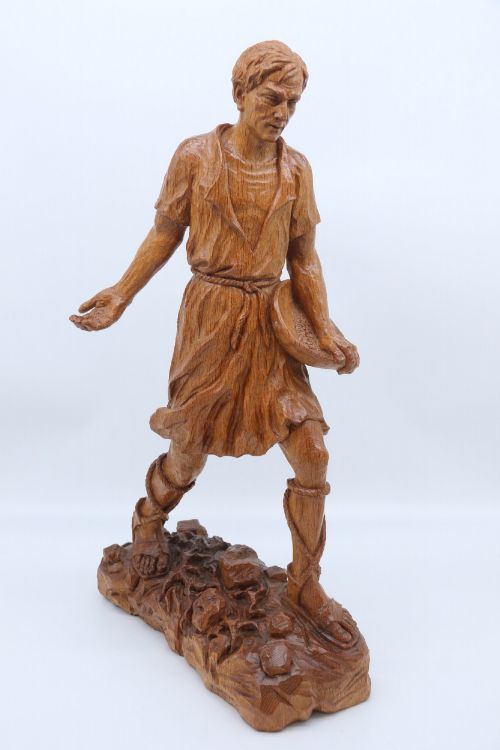
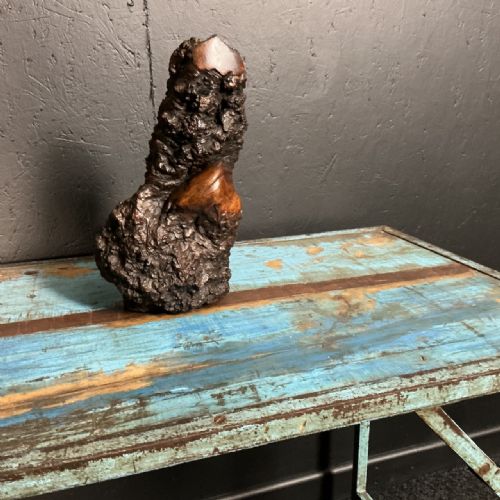
A rustic wooden sculpture encompasses handcrafted figures, animals, and utilitarian objects shaped from timber, pine, oak, and fruitwood. These pieces emerge from folk art traditions, regional workshops, and country houses across Europe, Asia, and America.
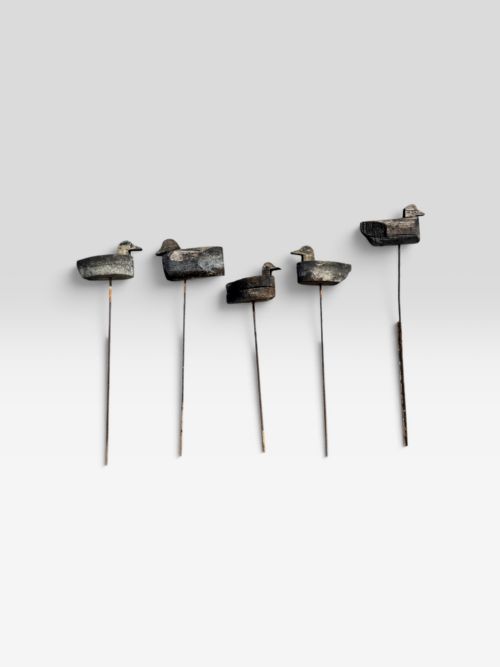
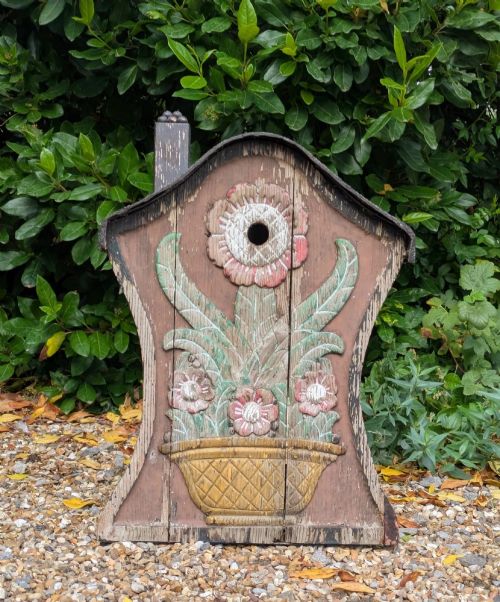
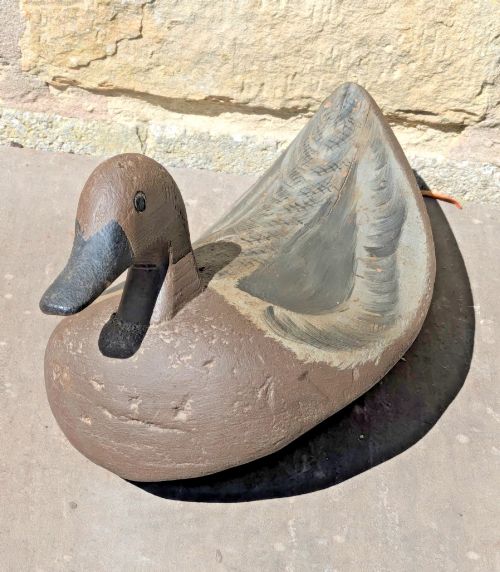
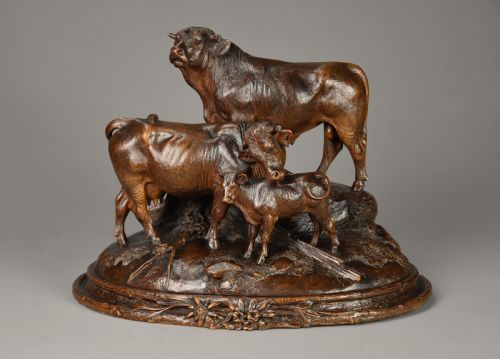
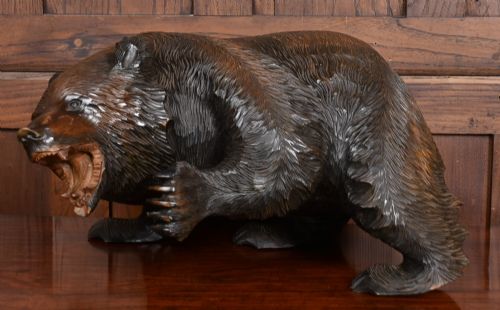
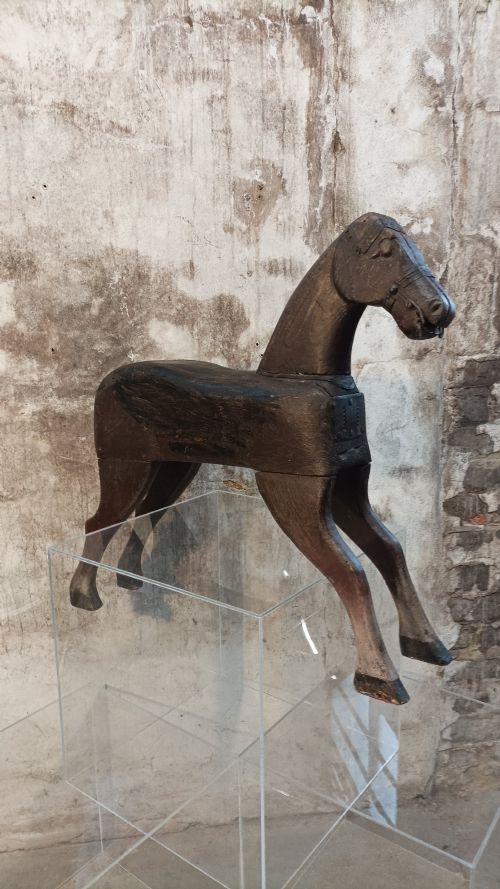
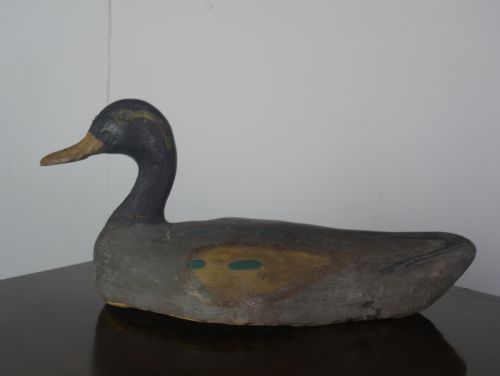
The items most frequently encountered include carved animal figures such as bears, horses, cattle groups, and waterfowl decoys, alongside bird boxes, whirligigs, and architectural fragments. Many reflect specific regional styles like Black Forest carvings, Japanese folk art, and Scandinavian country traditions.
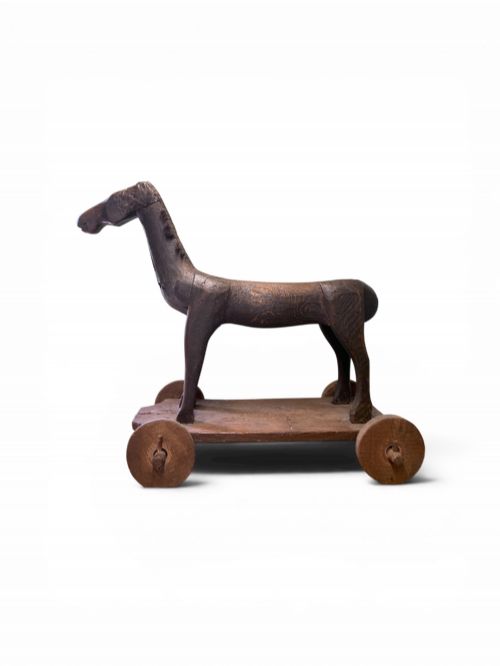
Dated examples span from the eighteenth century through the nineteenth century and into the early decades of the twentieth century. They range from naive domestic toys and trade displays to detailed continental carvings stamped by known workshops.
Judgement of quality
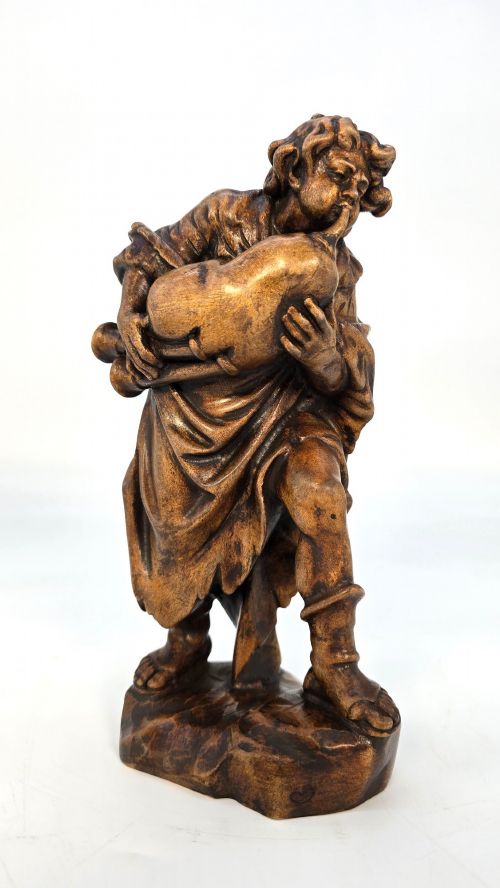
The strength of a rustic wooden sculpture lies in the confidence of its carving and the character of its form. Naive pieces depend on expressive proportion and uninhibited execution, whereas continental workshop pieces rely on anatomical precision and deep relief work.
Surface preservation dictates the visual impact of the piece. Retained original paint finishes, natural patina from age and use, and minimal intervention elevate an object above stripped or heavily restored examples.
Listings feature periods spanning from the eighteenth century through the 1930s, utilising pine, oak, fruitwood, and limewood.
J HUGGLER·Jules Buste Labatut
The Rustic Wooden Sculpture Glossary
- Decoy
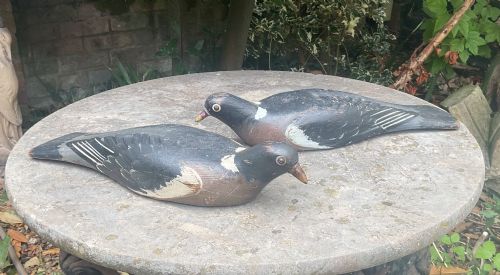
- A carved and painted bird or animal figure used historically in hunting or wildfowling. Many surviving examples are collected purely for their folk art aesthetic and surface wear.
- Black Forest carving
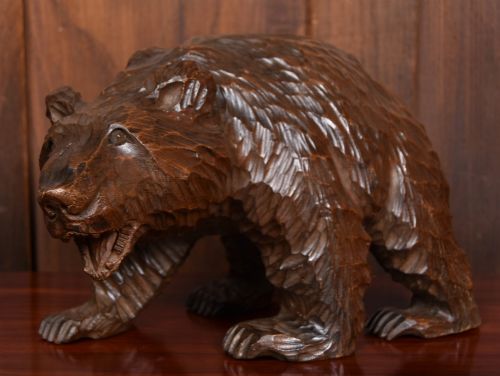
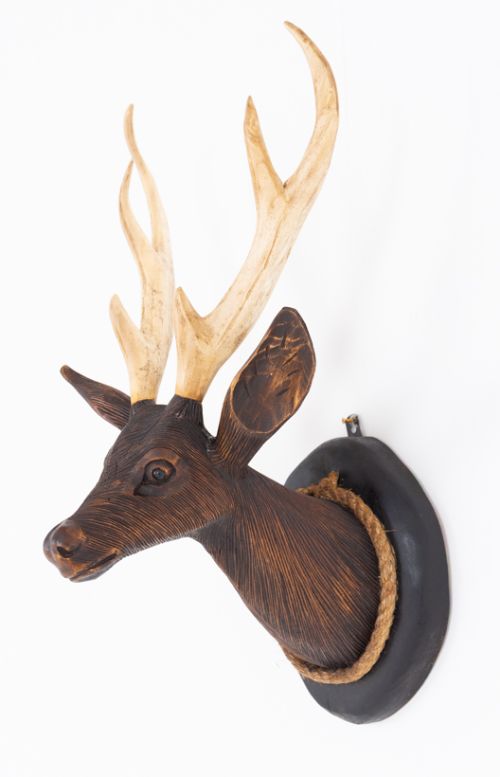
- A style of wood carving originating from the Brienz region of Switzerland and the Black Forest in Germany. These pieces typically depict bears, stags, and woodland animals in realistic or whimsical poses.
- Folk art
- Utilitarian or decorative objects made by self-taught or traditional craftsmen working outside academic art circles. The style prioritises utility and expression over strict naturalism.
- Naive
- A descriptive term for work lacking formal artistic training, resulting in charmingly simplified or exaggerated proportions. It appears frequently in early toys and country animal figures.
- Limewood
- A pale, close-grained timber favoured by carvers for its uniform texture and lack of pronounced grain. It allows for intricate undercutting and smooth finishing.
Rustic Wooden Sculpture: Frequently Asked Questions
What defines a rustic wooden sculpture?
These pieces are hand-carved objects originating from folk art traditions, country workshops, and rural industries. They encompass animal figures, decoys, architectural models, and trade items shaped from local timbers.
They gain their appeal from the directness of their making and the patination accumulated over generations of use and exposure.
How were decoy ducks used?
Decoys were placed on water or marshes by hunters to attract wildfowl within range. Makers shaped them from solid wood, often adding lead weights or hollow interiors to ensure stable floating.
Once retired from working duties, their weathered paint surfaces and simplified avian forms made them sought-after decorative objects.
How do I distinguish Black Forest carvings?
Black Forest carvings are characterised by naturalistic depictions of woodland animals, particularly bears engaged in human activities such as holding trays, standing as umbrella stands, or forming inkstands. They are typically rendered in rich limewood or walnut.
Most date from the nineteenth or early twentieth centuries and sometimes bear workshop stamps from Swiss or German carvers.
How should I care for antique wooden sculptures?
Keep wooden sculptures away from direct heat sources, strong sunlight, and rapid humidity fluctuations to prevent the timber from splitting. Dust them gently with a dry, soft brush rather than using wet cloths or modern polishes.
Allowing the wood to breathe preserves the original surface patination and historic paint layers.