

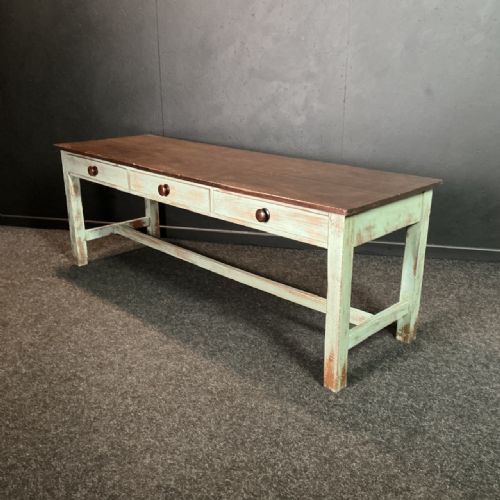
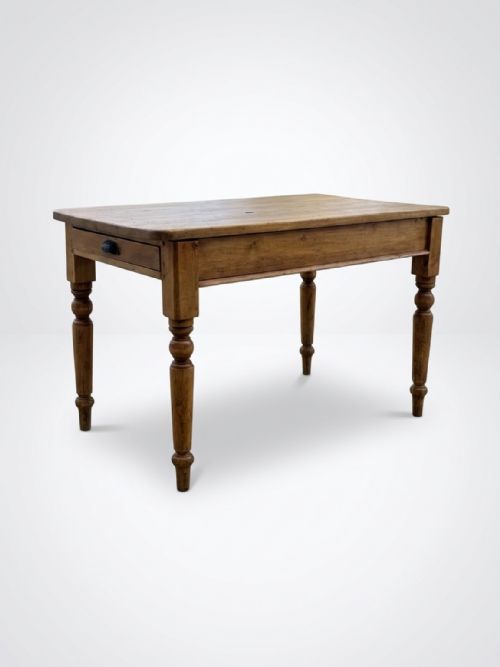
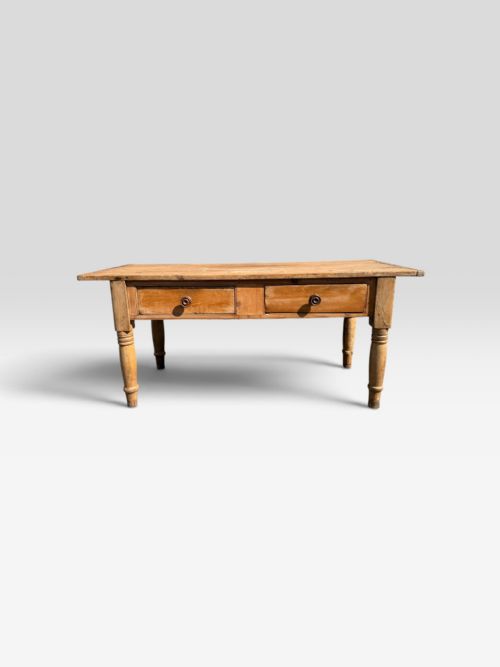
Rustic Wooden Drawers
Rustic wooden drawers bring honest character and practical storage into a room, offering sturdy pine and oak chests built for daily utility.
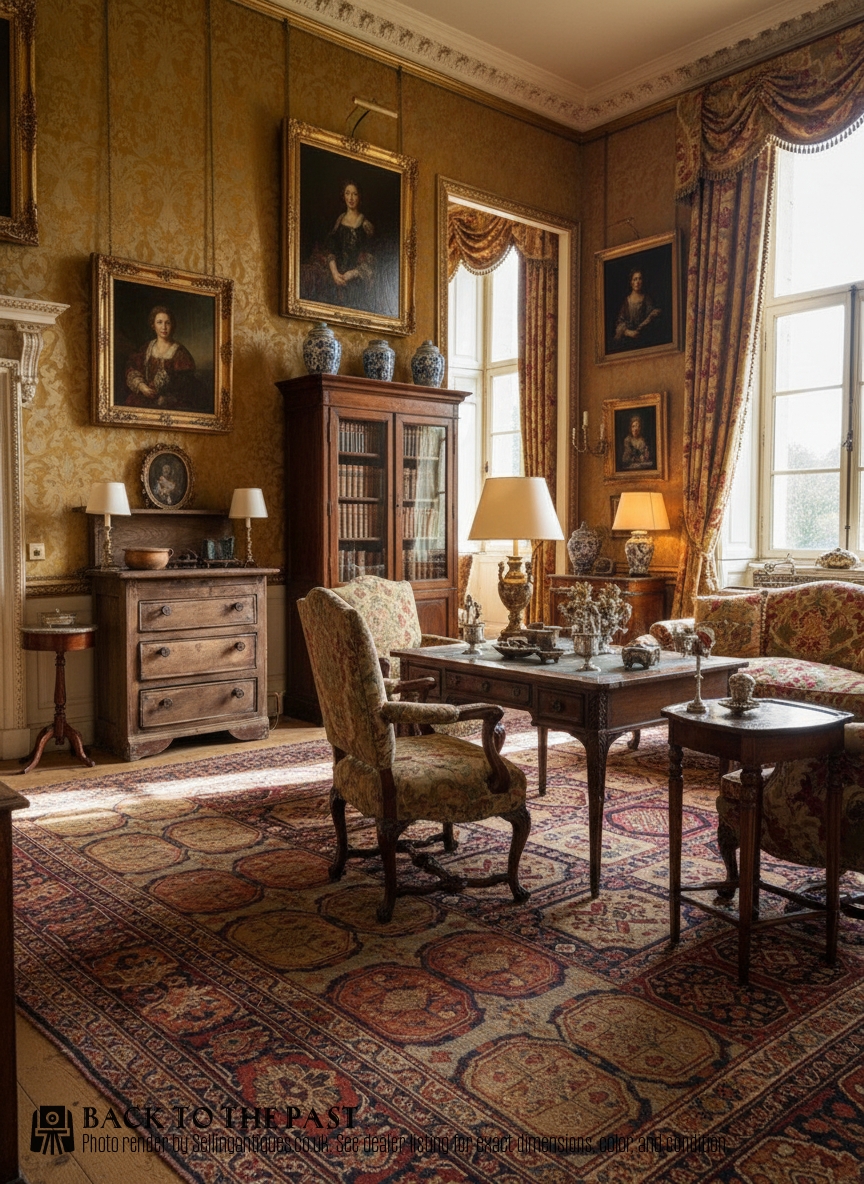
Rustic Wooden Drawers
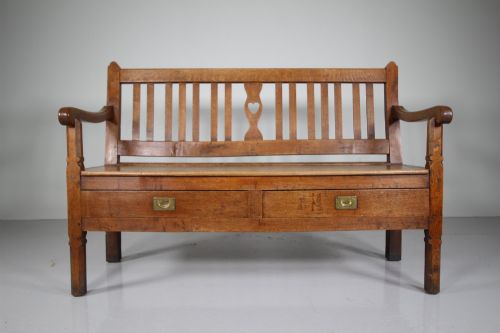
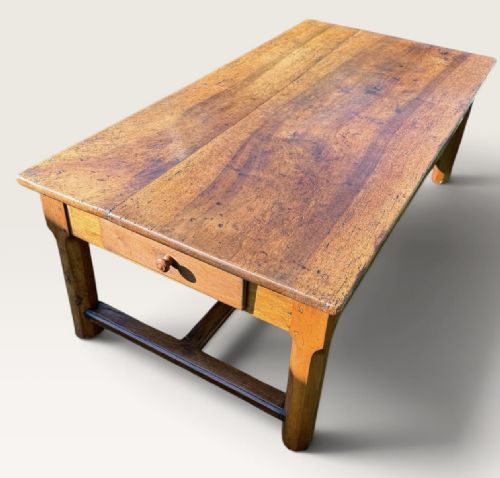
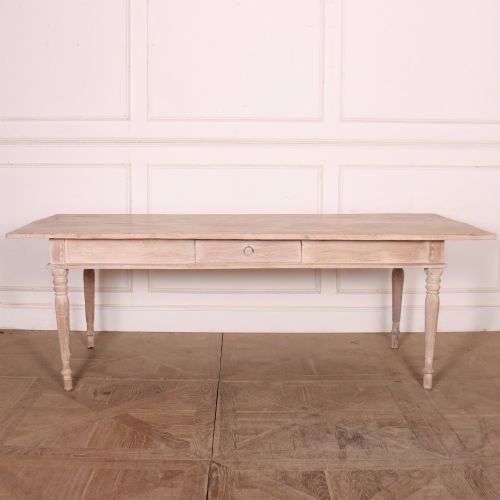
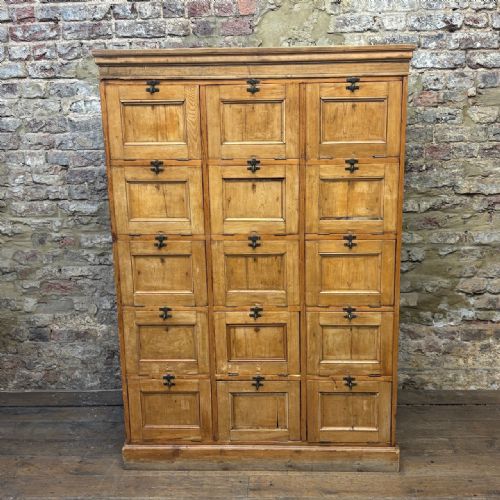
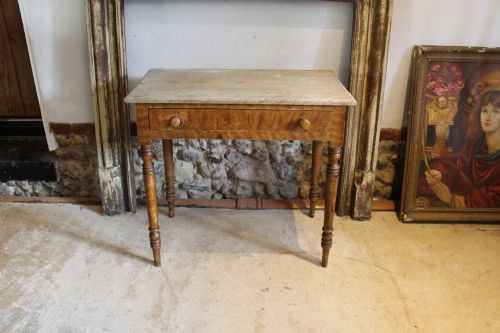
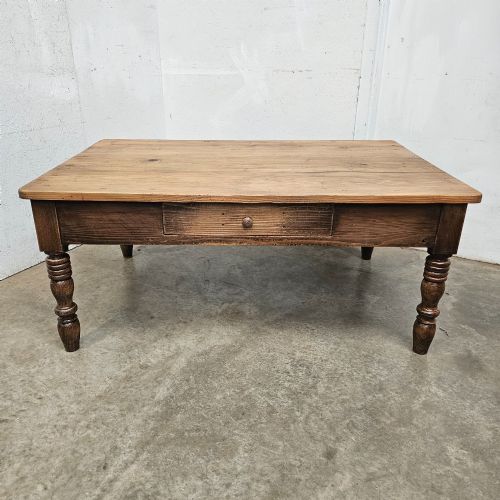
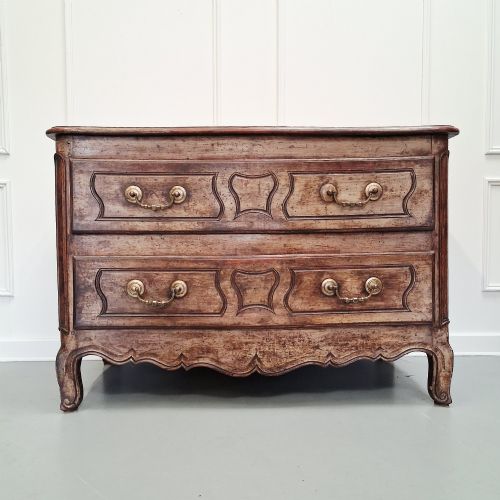
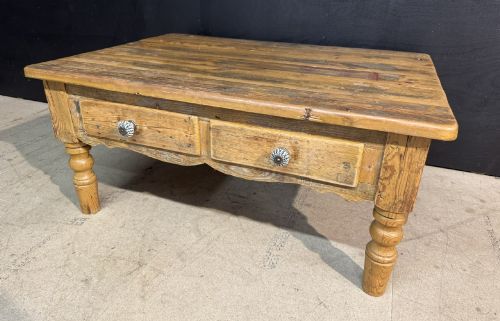
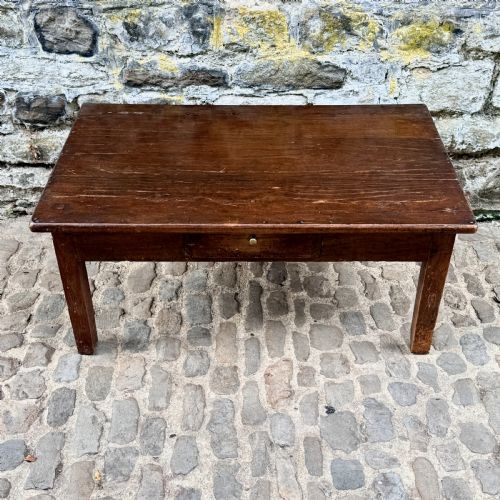
When you search for rustic wooden drawers, you encounter solid timber storage furniture shaped by utilitarian domestic needs rather than courtly fashion. These pieces include tall bedroom chests, low bedside units, and banks of drawers salvaged from commercial or domestic settings.
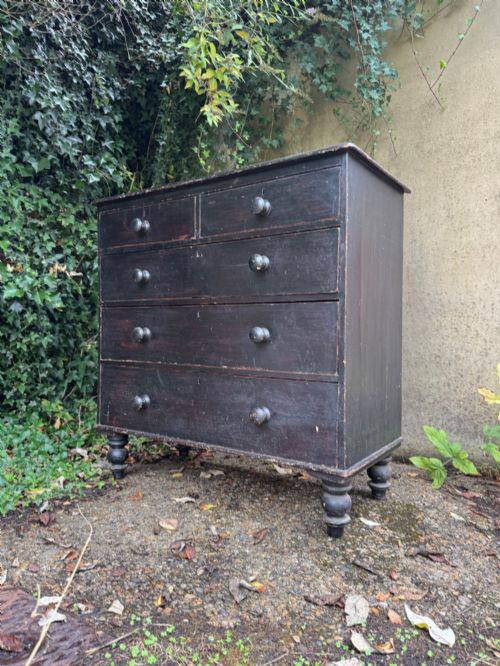
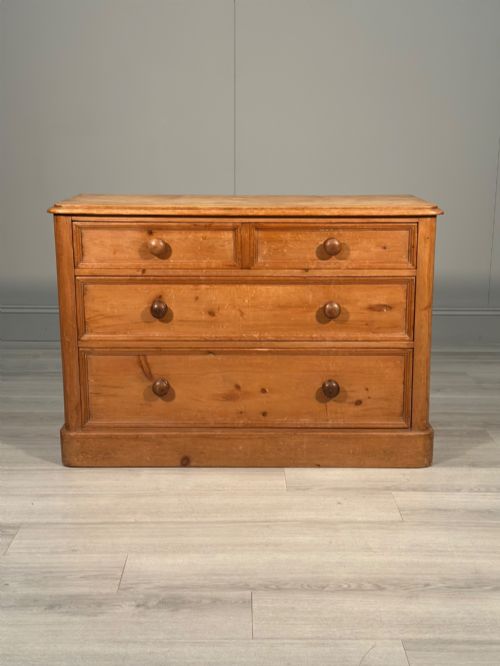
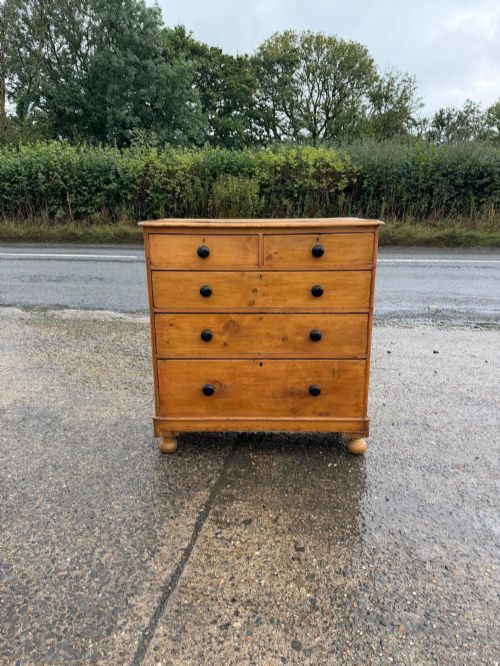
The most common examples on this page are Victorian and nineteenth-century pine chests of drawers, often featuring simple two-over-three drawer arrangements with turned bun handles. Alongside pine, you find occasional pieces rendered in oak, pitch pine, and fruitwood.
These items originate primarily from domestic country houses and provincial workshops across Britain and continental Europe. Their appeal lies in practical storage capacity combined with an unpretentious, aged surface aesthetic.
How they were made
Cabinet makers built these drawers using solid local timbers such as pine, oak, and pitch pine, selected for structural strength and availability rather than exotic grain. Boards were joined using traditional dovetail construction on the drawer boxes to withstand constant pulling and heavy loads.
Surfaces were frequently left untreated, waxed, or finished with early scumble paint applications that mimicked more expensive woods or added protective colour. Iron and brass hardware, including drop handles and key escutcheons, were fastened directly to the timber facades.
Listings span from the eighteenth century through the Edwardian era, with Victorian pine chests representing the most numerous form available.
What varies in quality
The distinction between ordinary and superior pieces rests on the integrity of the timber selection and the precision of the joinery. Better examples retain their original drawer linings, backboards, and handles without modern replacements altering the structural unity.
Surface preservation also dictates quality, separating pieces with honest, weathered patination and original waxed or painted finishes from those stripped down aggressively or altered over generations of use.
The Rustic Wooden Drawers Glossary
- Pine
- A soft, resilient coniferous wood commonly used for nineteenth-century country furniture and painted bedroom chests. It accepts wax finishes readily and develops a warm amber tone over time.
- Pitch pine
- A dense, resinous variety of pine characterised by a prominent grain pattern and exceptional durability. It was frequently utilised for robust nineteenth-century trunks and commercial storage furniture.
- Dovetail
- A traditional interlocking joint utilised at the corners of drawer boxes to ensure lasting strength under tension. Hand-cut variations display subtle irregularities that indicate early craftsmanship.
- Scumble
- A decorative paint technique involving translucent glazes dragged over a base coat to simulate wood grain or add mottled texture. It appears on regional nineteenth-century furniture to enhance plain timber surfaces.
- Bun handle
- A small, rounded wooden knob turned on a lathe and fixed to the centre of a drawer front. These projections are characteristic of Victorian chest designs.
Rustic Wooden Drawers: Frequently Asked Questions
What woods are common in these drawers?
Pine and oak form the vast majority of the timber seen across these listings, alongside denser pitch pine utilised for heavy-duty storage pieces. Cabinet makers selected these accessible woods for their strength and reliability in everyday domestic furniture.
Secondary woods such as fruitwood or ash occasionally appear in regional pieces or internal components. Each material reacts differently to historic wax finishes and atmospheric conditions over time.
How do I date a pine chest?
Dating relies on examining construction methods, nail types, and handle styles rather than relying solely on surface appearance. Hand-cut dovetails and solid timber backboards typically point towards nineteenth-century or earlier manufacture.
Later Victorian and Edwardian examples often incorporate machine-sawn elements and standardised hardware while maintaining traditional drawer configurations. Comparing the timber patination to the interior joinery helps confirm the period of origin.
Are painted finishes original?
Many nineteenth-century pieces feature either early scumble paint or later traditional decorative coats applied to protect the soft pine beneath. Original paint layers show appropriate wear patterns and craquelure consistent with age.
Stripped pine surfaces often reflect twentieth-century aesthetic preferences rather than the original factory state. Examining protected corners and drawer edges reveals traces of earlier surface treatments.
How do I care for waxed pine?
Waxed timber surfaces require occasional nourishment with traditional beeswax to prevent the soft pine from drying out or splitting. Avoid placing these chests near direct heat sources or in damp environments that affect the wood movement.
Routine dusting with a dry cloth preserves the soft sheen without stripping the historic wax build-up. Gentle maintenance protects the patination built up over a century of domestic use.