

Rustic Wooden Carver
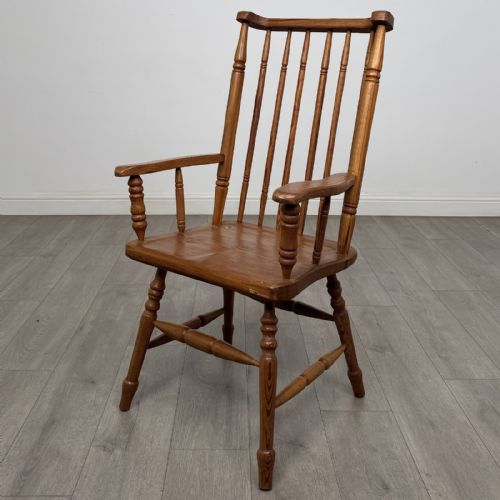
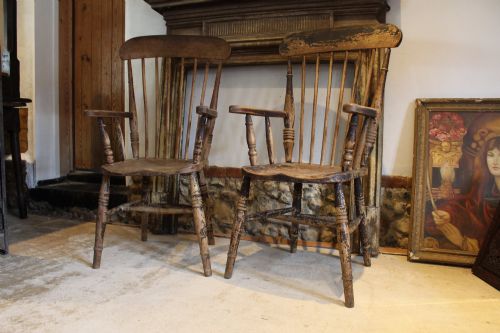
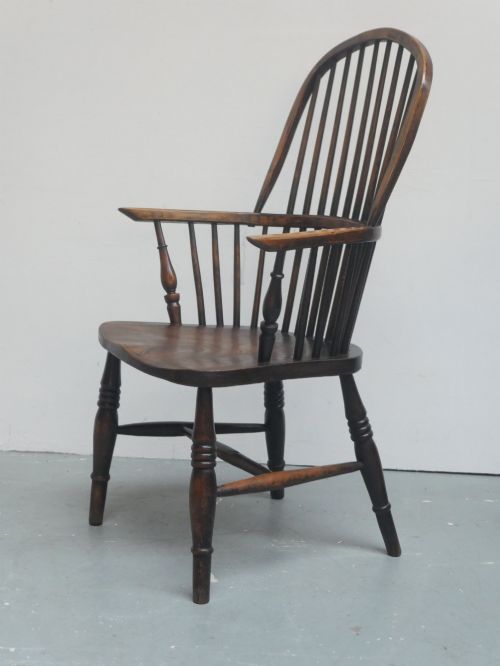
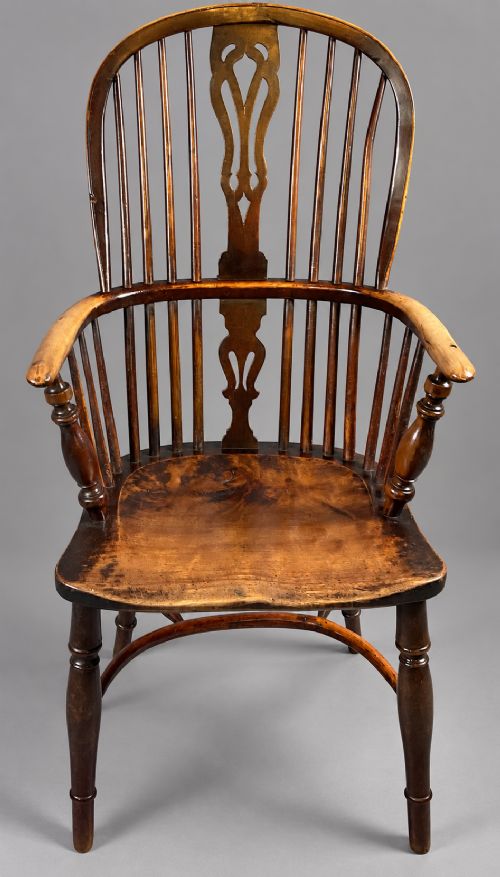
A rustic wooden carver brings honest vernacular design and sturdy timber construction straight into a modern interior.
Rustic Wooden Carver
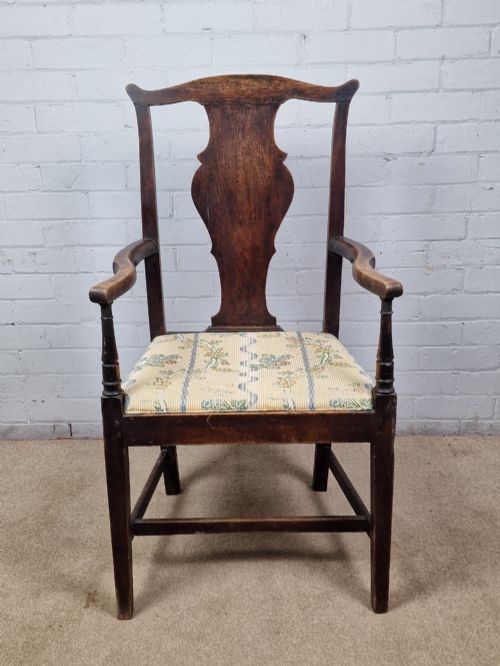
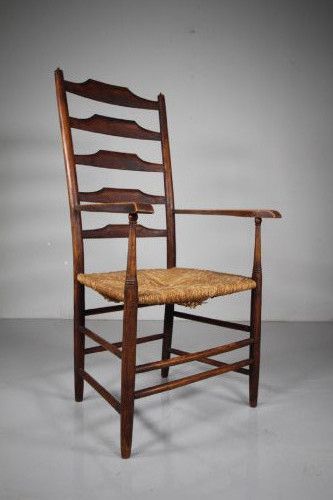
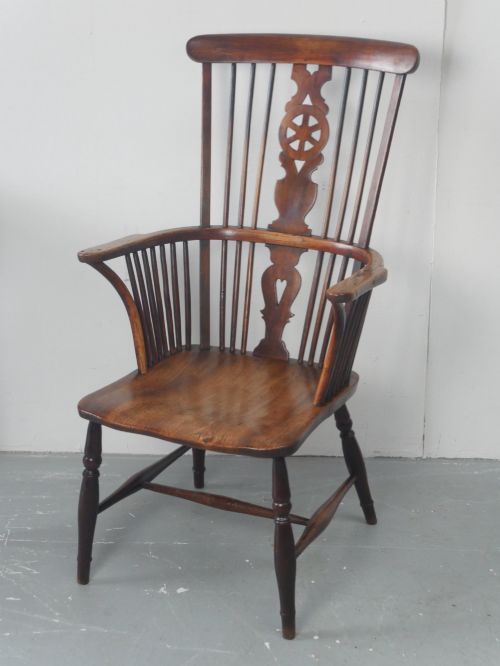
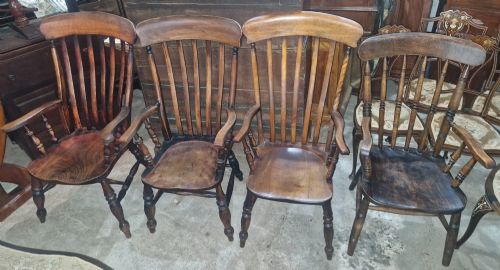
When searching for a rustic wooden carver, buyers encounter robust vernacular seating designed for functional everyday use rather than formal display. These pieces encompass sturdy armchairs, Windsor chairs, and ladderbacks originating from periods spanning the eighteenth century through to the early twentieth century.
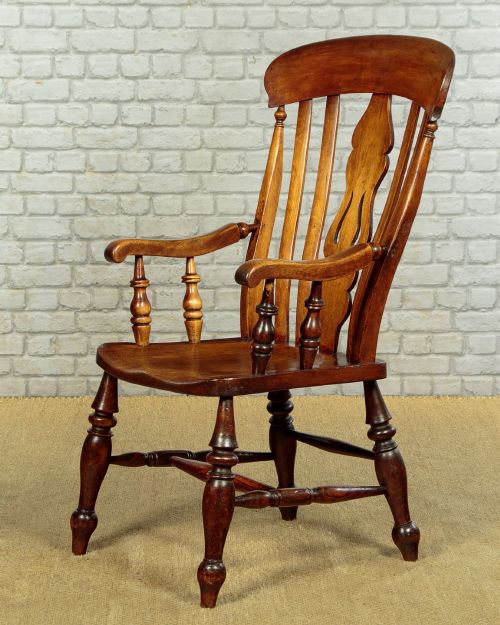
The versions most commonly met on this page are country armchairs and farmhouse carvers rooted in English regional traditions. They emerge from diverse styles such as Victorian country, Georgian country, and English country vernacular, reflecting practical rural craftsmanship.
How they were made
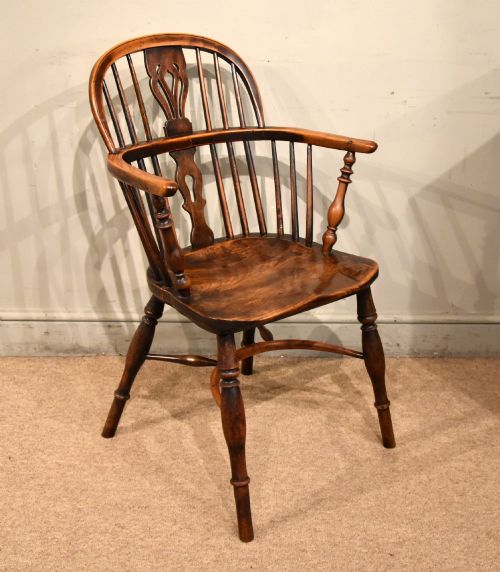
Maker-joiners utilised native timbers selected for strength and local availability, combining elm seats with ash, beech, or oak framing. Yew wood and fruitwood also appear in regional variations, matched with woven rush for seating inserts.
Construction techniques rely on traditional joinery methods suited to domestic and kitchen environments, from spindle and stick backs to steam-bent hoops and pegged frames.
Rustic Wooden Carver Retail Price Guide 2026
Typical asking prices for rustic wooden carver among the pieces listed under this phrase on Sellingantiques today, from the lower quarter to the upper quarter. They describe what is for sale here now, not the wider market.
What varies in quality
Quality rests upon the integrity of the timber selection and the retention of original regional characteristics. Pieces retaining deep patination and honest structural wear demonstrate superior character compared to heavily altered examples.
The fluidity of the turning, the balance of the stick or spindle arrangement, and the comfort proportioned into the arms and seat shape distinguish finer provincial workshop output from standard utility seating.
Philip Clissett
The Rustic Wooden Carver Glossary
- Windsor
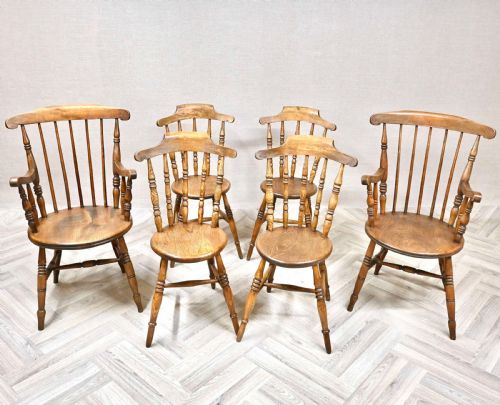
- A chair built with a thick solid wooden seat into which the legs and back sticks are independently tenoned. This form dominates regional English country seating.
- Vernacular
- Everyday objects made by local artisans using traditional regional methods and materials without high stylistic pretension. These items tell the story of domestic utility.
- Ladderback
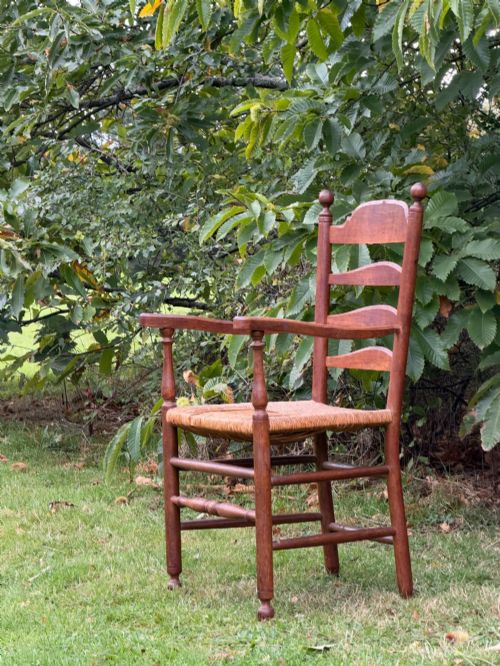
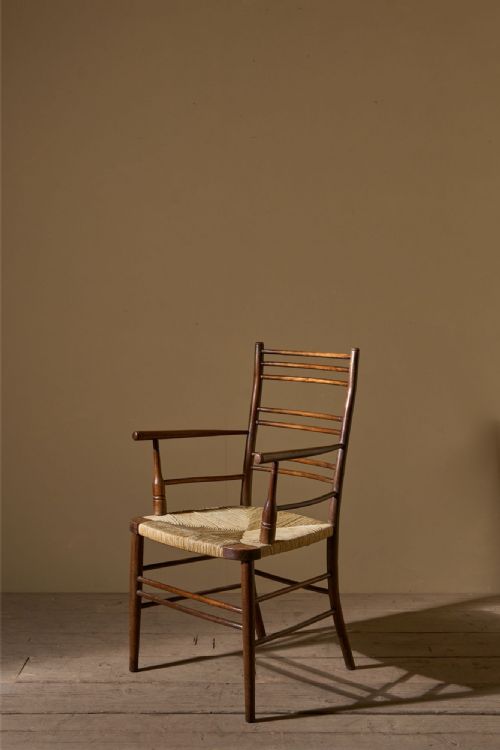
- A chair back constructed with horizontal arched slats between two upright posts. This style often supports a woven rush seat.
- Rush
- Dried marsh grass twisted into cord and woven tightly to form a flexible seat. It provides traditional comfort in vernacular chairs.
- Carver
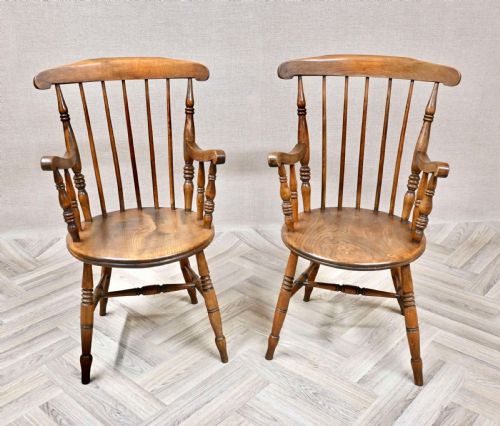
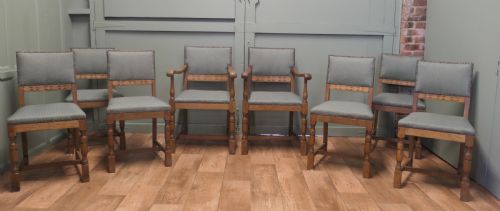
- An armchair designed to match a set of dining chairs, usually placed at the head of a table. These pieces offer larger proportions and supportive armrests.
Rustic Wooden Carver: Frequently Asked Questions
What is a rustic wooden carver?
A rustic wooden carver is a sturdy country armchair designed for everyday use in kitchens, farmhouses, and vernacular interiors. These chairs feature supportive armrests and robust timber construction.
They reflect regional woodworking traditions across various British periods, prioritising practical utility and honest regional style over formal elegance.
How do I date a country armchair?
Dating relies on observing construction methods, timber choice, and stylistic vernacular details such as spindle arrangements or hoop backs. Eighteenth-century examples often display deep patination and pegged joinery.
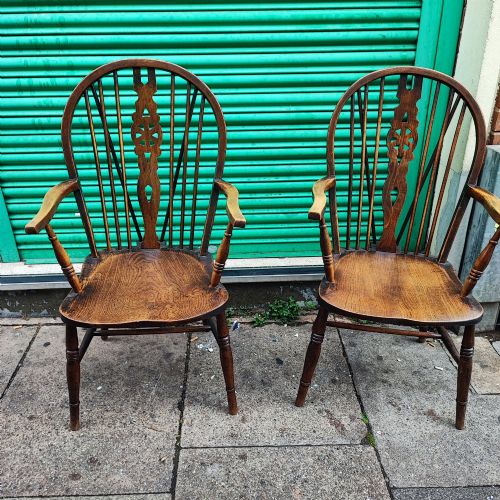
Nineteenth and early twentieth-century pieces incorporate industrial tools and specific regional regional quirks, such as wheelbacks or crinoline stretchers.
What woods were used for these chairs?
Traditional makers utilised native hardwoods that were locally abundant and durable. Elm frequently formed the thick carved seat base due to its resistance to splitting.
Ash, beech, oak, yew wood, and fruitwood provided the flexible spindles, legs, and framing required for everyday structural support.
How should I live with a wooden carver?
These chairs fit naturally into dining rooms, studies, or hallways as statement seating. Their robust timber construction makes them practical for daily use.
Keep them away from direct heat sources to prevent the historic wood from drying out or splitting over time.