




Rustic Wooden Bowl
A rustic wooden bowl is a practical vessel shaped by hand from timber, sought after for its tactile grain and honest domestic history.
Rustic Wooden Bowl
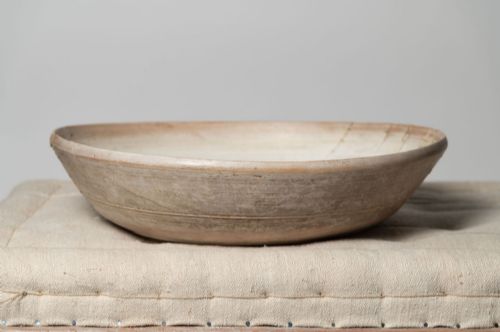
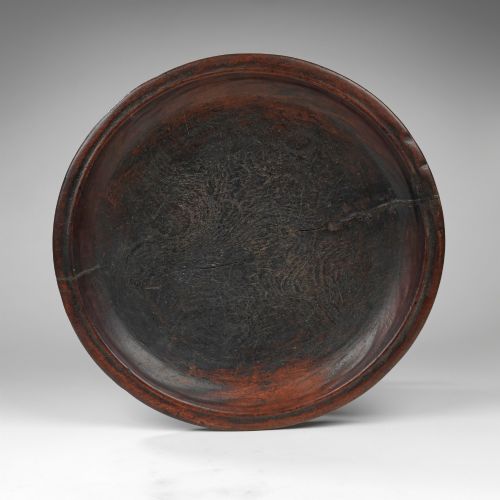
When searching for a rustic wooden bowl, buyers encounter everyday domestic vessels intended for utilitarian labour rather than formal display. These objects span several centuries, originating from English, French, Swedish, Norwegian, and Welsh workshops.
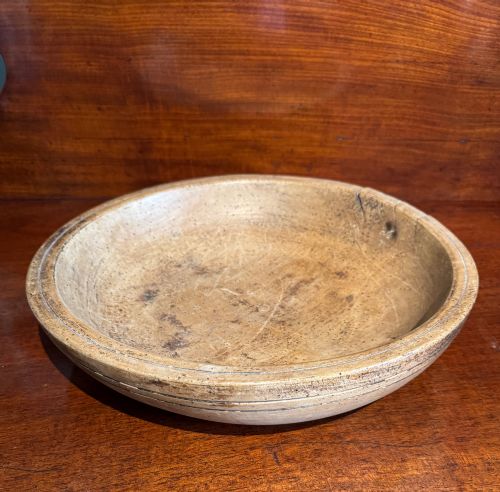
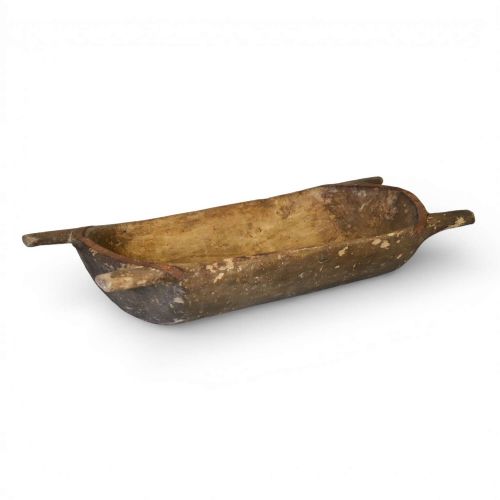
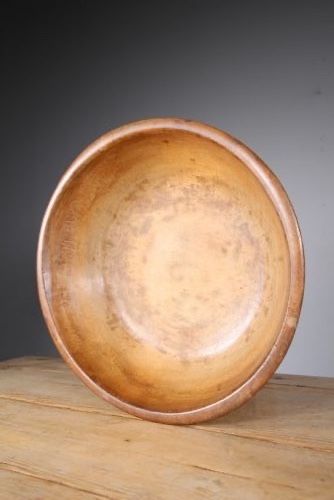
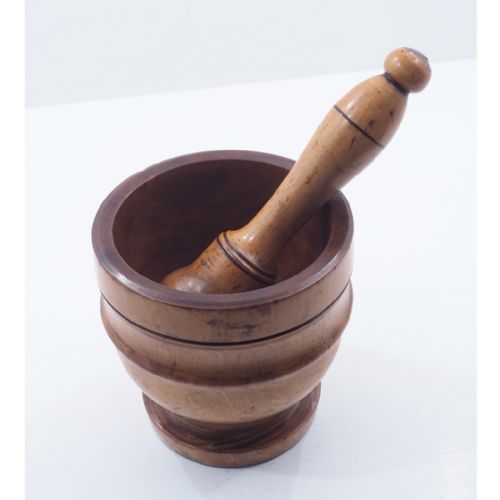
The most common form on this page is the dairy bowl, typically turned or carved from sycamore during the nineteenth century. Alongside these sit dough bowls, mortars, platters, and treen containers fashioned for rural life.
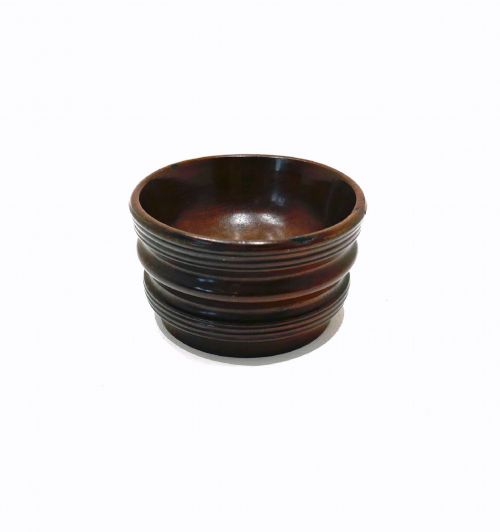
Pieces range from Georgian turned salt cellars to twentieth-century hand-carved bowls, showing the enduring utility of solid wood across diverse European and international traditions.
How they were made
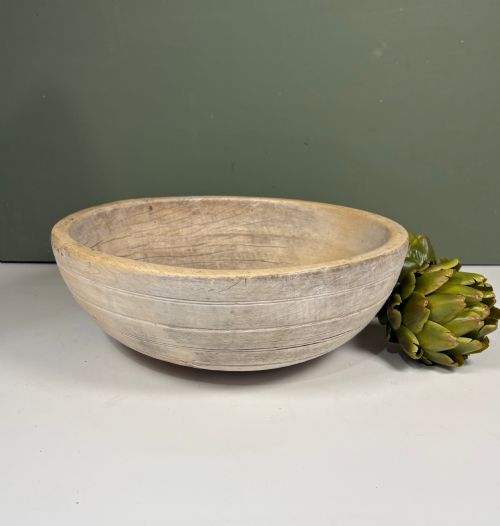
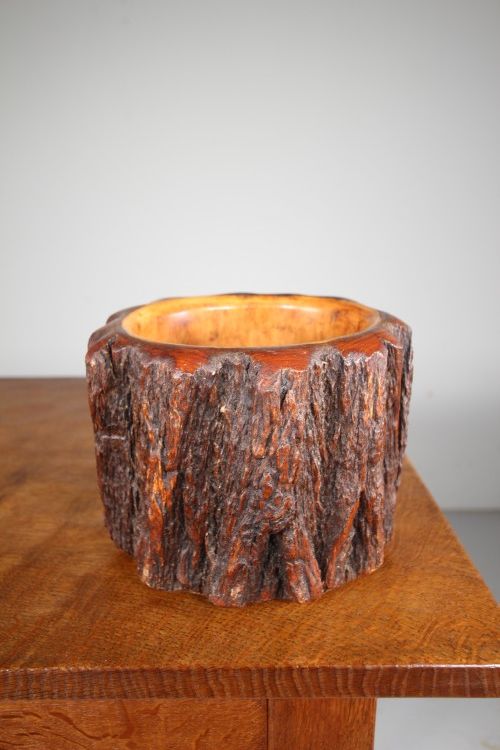
Craftsmen shaped these vessels from solid timbers such as sycamore, pine, ash, laburnum, olive wood, elm, birch, and shisham using turning lathes and hand-carving tools. Many dairy and kneading bowls were dug out directly from green timber to accommodate the natural movement of the wood as it dried.
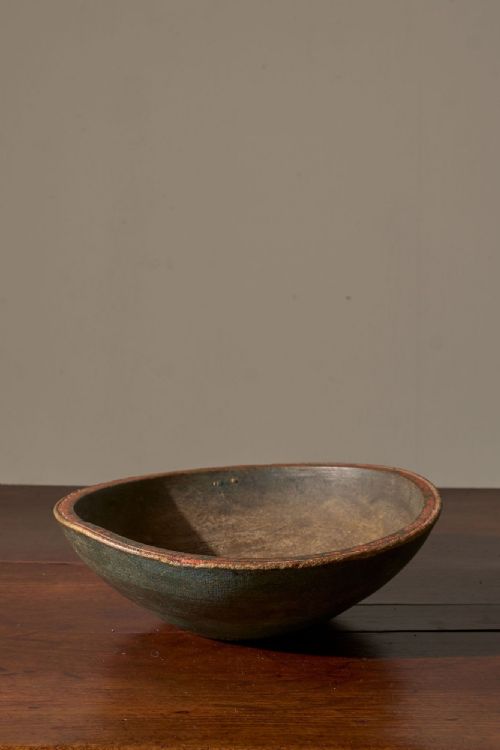
Surfaces often retain tool marks, hand polish, or traces of original paint applied to Swedish and continental examples. Iron fittings appear on specific items like mortars, while patination develops naturally through decades of use and handling.
Rustic Wooden Bowl Retail Price Guide 2026
Typical asking prices for rustic wooden bowl among the pieces listed under this phrase on Sellingantiques today, from the lower quarter to the upper quarter. They describe what is for sale here now, not the wider market.
Several items survive from eras when everyday kitchen equipment included a cat stand.
What varies in quality
Quality rests upon the integrity of the timber selection and the skill of the original turning or carving. Vessels displaying balanced proportions and fluid lines reflect superior handwork from regional makers.
Depth of patination and the survival of original painted surfaces distinguish exceptional examples. Pieces that retain their historic character without heavy modern restoration command greater interest from collectors.
The Rustic Wooden Bowl Glossary
- Treen
- Small handmade wooden domestic objects produced before the widespread use of ceramics and plastics. This category includes items like salt cellars, platters, and small containers.
- Dairy bowl
- A wide, shallow vessel utilised historically for setting milk and skimming cream. These are predominantly turned from sycamore.
- Patina
- The deep surface sheen and warm colour acquired by timber over generations of handling, cleaning, and exposure to oils.
- Kneading dough bowl
- A large vessel shaped for mixing and resting bread dough in domestic farmhouses. They often present deep circular cavities and flat bases.
- Laburnum
- A dense hardwood utilised in early treen for its contrasting dark heartwood and pale sapwood. It was favoured for small turned objects.
Rustic Wooden Bowl: Frequently Asked Questions
What were rustic wooden bowls used for?
These vessels served essential domestic functions in dairies, kitchens, and homesteads across Europe and beyond. They held milk for cream separation, contained bread dough during rising, or stored household provisions.
Over time, daily handling by cooks and dairy workers imparted the distinct patinas seen on the timber today.
How do I care for an antique wooden bowl?
Keep wooden vessels away from direct heat sources, radiators, and strong sunlight to prevent the timber from splitting or warping. Dust them gently with a dry cloth and avoid soaking them in water.
Applying occasional neutral food-safe oils can help maintain the moisture balance in unsealed historic wood surfaces.
How can I tell the period of a wooden bowl?
Dating relies upon observing tool marks, timber species, wear patterns, and regional turning characteristics. Georgian and eighteenth-century examples often display distinct lathe work and dense native hardwoods like laburnum.
Nineteenth-century dairy bowls frequently show heavy sycamore construction with soft, organic wear around the rims from decades of daily use.
Are painted wooden bowls genuine antiques?
Painted finishes appear on specific regional pieces, notably eighteenth- and nineteenth-century Swedish dairy bowls and vessels. Original paint layers exhibit craquelure, wear, and integration with the underlying timber consistent with age.
Inspect the surface closely under natural light to verify that the pigment matches the historic period of the turned wooden body.