
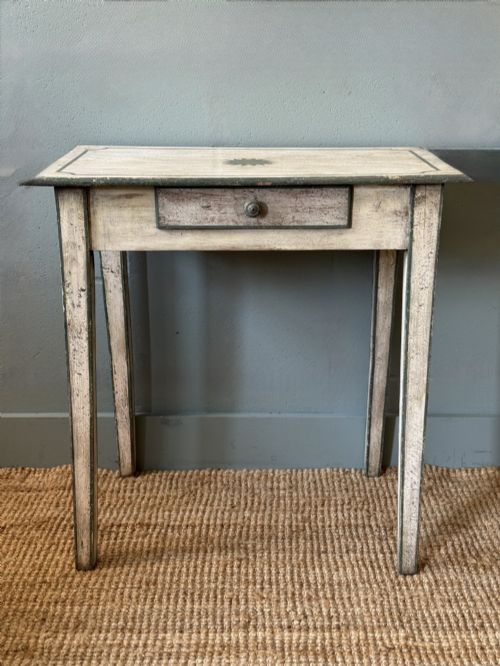
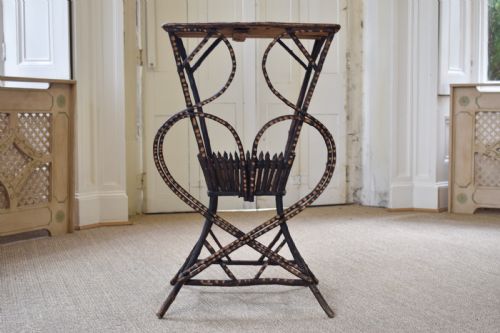
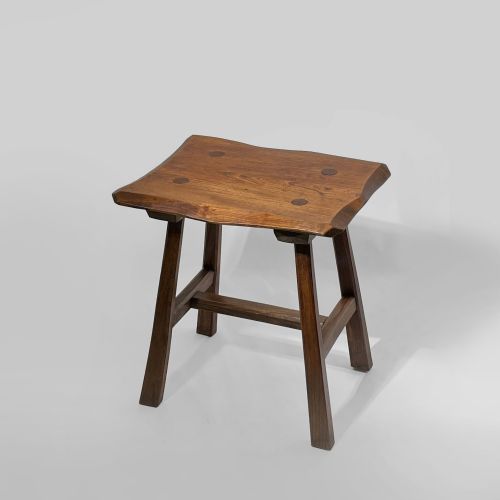
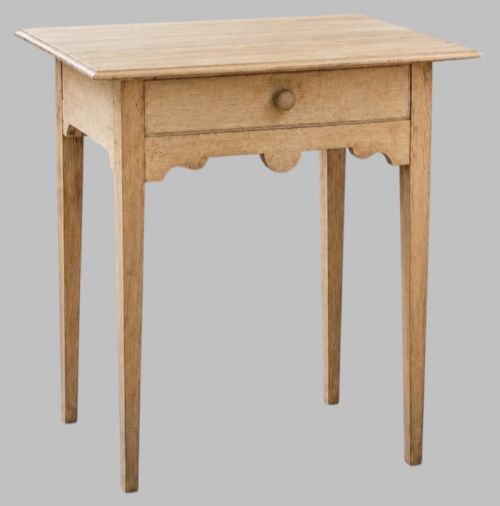
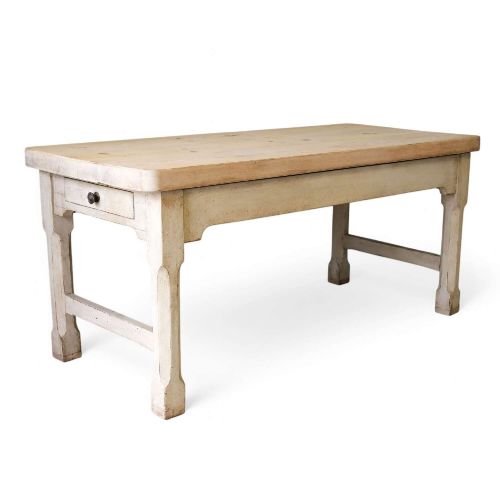
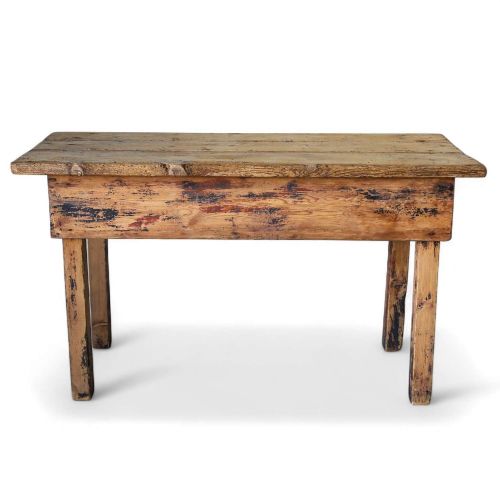
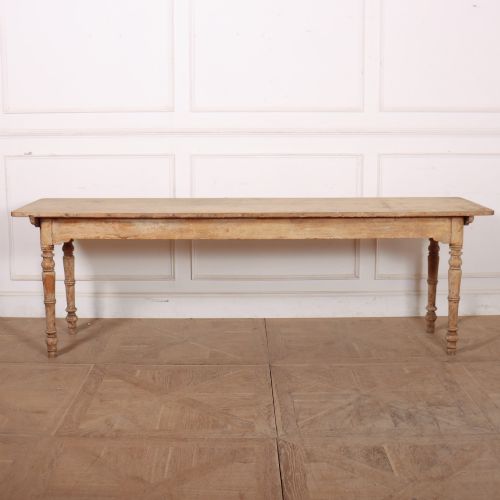
Rustic Timber Side Table
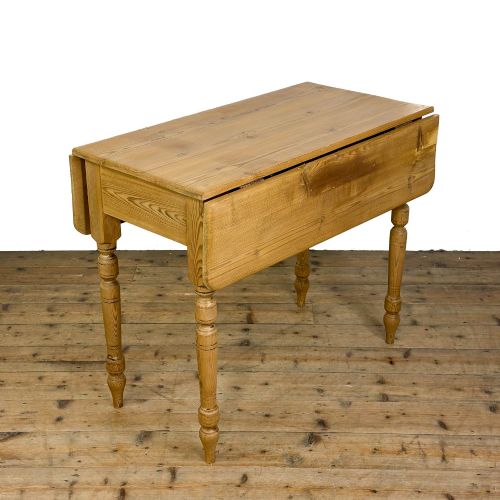
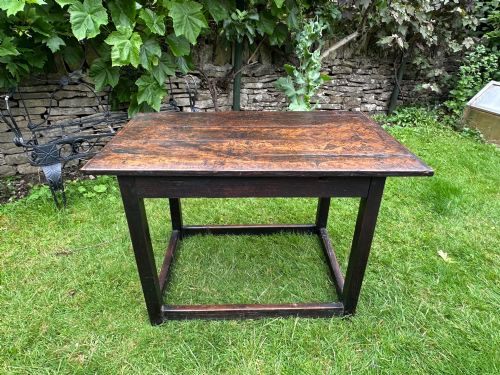
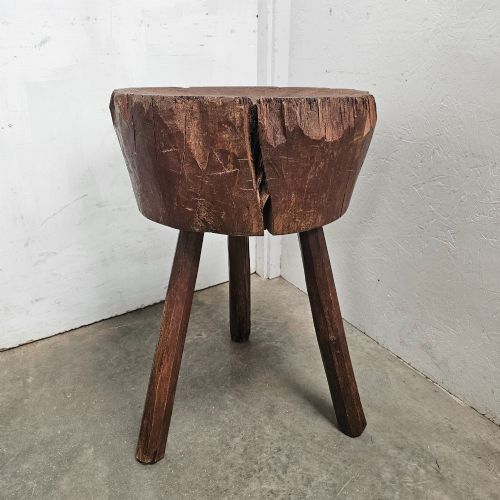
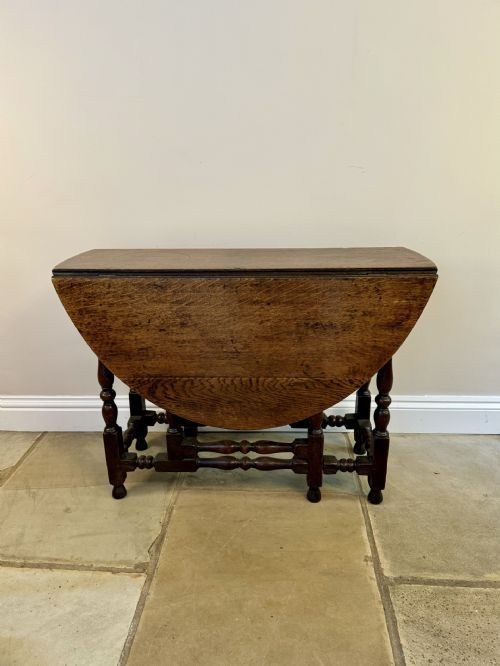
A rustic timber side table brings honest utility and straightforward warmth to a room through solid native woods and straightforward construction.
Rustic Timber Side Table
A rustic timber side table serves as a functional surface shaped by country makers using accessible local materials. These items emerge from domestic, agricultural, and workshop settings where practicality dictated the form.
The selection on this page centres on occasional tables, console tables, and small work tables drawn from centuries of country craftsmanship. Pieces range from early oak and elm examples to later pine and fruitwood versions.
Buyers seek these forms to introduce tactile texture and honest grain into contemporary or traditional interiors. Each piece carries the marks of daily utility rather than formal parlour polish.
How they were made
Constructors relied on solid planks of oak, pine, elm, and fruitwood joined with pegged mortise-and-tenon joints or simple turned legs. Carpenters utilised whatever timber was close to hand, combining ash, sycamore, and beech in a single frame.
Surfaces often show the tool marks of the adze, drawknife, or pit saw beneath centuries of wear and occasional later paint. Iron brackets or natural twig work occasionally reinforce the heavier timber frames.
Rustic Timber Side Table Retail Price Guide 2026
Typical asking prices for rustic timber side table among the pieces listed under this phrase on Sellingantiques today, from the lower quarter to the upper quarter. They describe what is for sale here now, not the wider market.
Listings feature pine, oak, elm, and fruitwood across centuries of country craftsmanship.
What varies in quality
Proportion and the integrity of the original timber frame determine the distinction between ordinary utility items and exceptional survivals. Tables retaining their unreduced plank tops and original surface patination command greater interest.
The balance of the legs and the harmony of the timber grain reveal the maker's eye. Heavy alterations or unsympathetic repairs diminish the character that collectors value in country furniture.
The Rustic Timber Side Table Glossary
- Cricket table
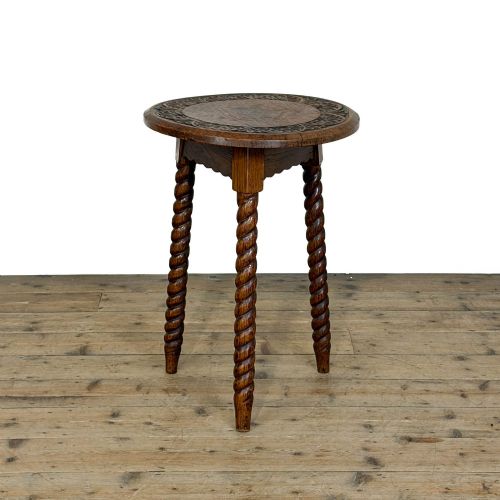
- A small three-legged occasional table, often featuring a round top and triangular underframe designed for uneven stone floors. This form traditionally sat beside the hearth.
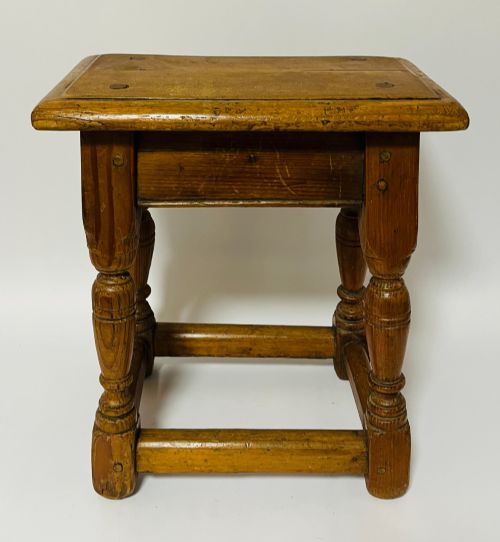
- Joint stool
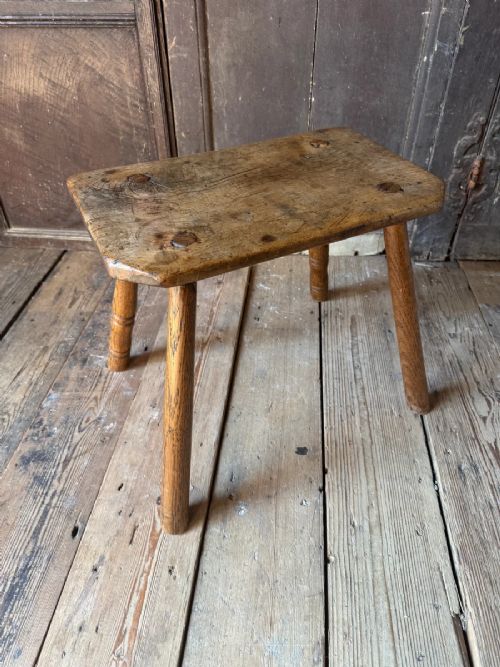
- A sturdy wooden stool constructed with mortise and tenon joints rather than turned components. Carpenters utilised these versatile pieces for seating or as low side surfaces.
- Plank top
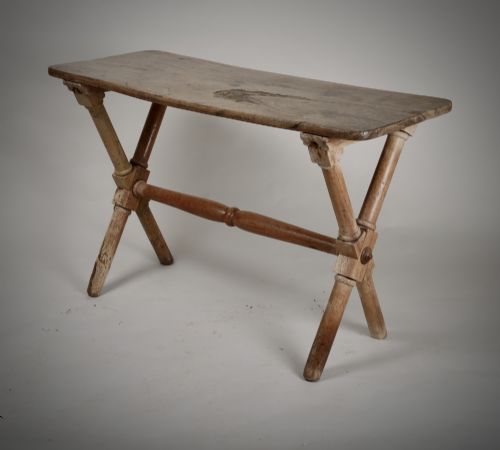
- A table top formed from solid boards joined edge to edge rather than veneered surfaces. These thick boards display natural grain patterns and heavy wear.
- Vernacular furniture
- Domestic and working furniture made by local craftsmen without reference to high-style metropolitan pattern books. These objects reflect regional traditions and available materials.
- Pot-shelf
- An open lower tier fitted between the legs of a serving or kitchen table. Makers added this shelf to hold heavy earthenware and culinary utensils.
Rustic Timber Side Table: Frequently Asked Questions
What is a rustic timber side table used for?
These tables function as practical surfaces for lamps, books, and daily objects in sitting rooms or hallways. Their modest scale allows them to fit easily beside seating or against narrow walls.
Historically, similar country tables served utility roles in kitchens, sculleries, and workshops. Today, they bring warmth and utility to modern domestic spaces.
How do I date a wooden side table?
Examination of the timber species, joint construction, and tool marks provides clues to a piece's age. Early examples often display hand-sawn board marks and pegged joints rather than modern fixings.
Surface patination and wear patterns also indicate age, though later coats of paint can sometimes obscure underlying construction details.
Are these tables suitable for everyday use?
Solid construction in native timbers like oak, elm, and pine makes these tables robust for daily living. Their working origins mean they were built to handle physical tasks.
Owners should protect dry timber surfaces from excessive moisture and extreme temperature fluctuations to preserve the wood grain.
What distinguishes farmhouse tables from side tables?
Farmhouse tables generally offer larger proportions intended for dining, food preparation, or workshop duties. Side tables and occasional tables provide smaller surface areas suited for resting objects.
Both categories share the same utilitarian construction methods and native wood materials typical of country workshops.