


Rustic Pine Cupboard
A rustic pine cupboard brings honest utility and warmth to a room, offering practical storage grounded in traditional domestic life.
Rustic Pine Cupboard
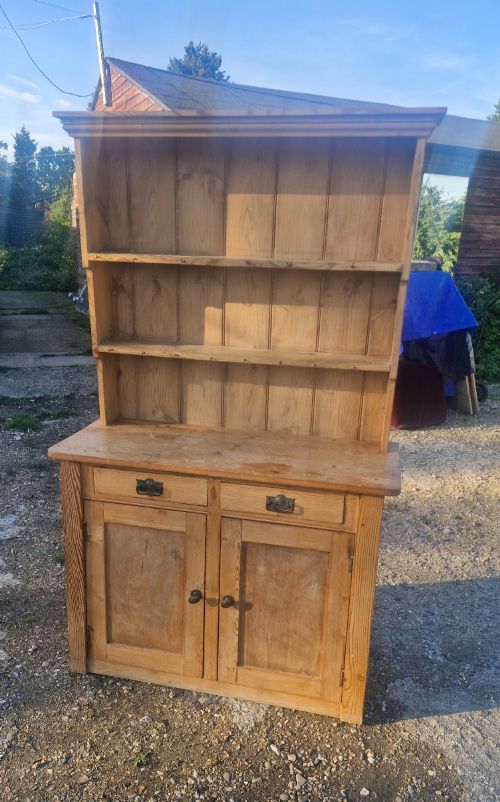
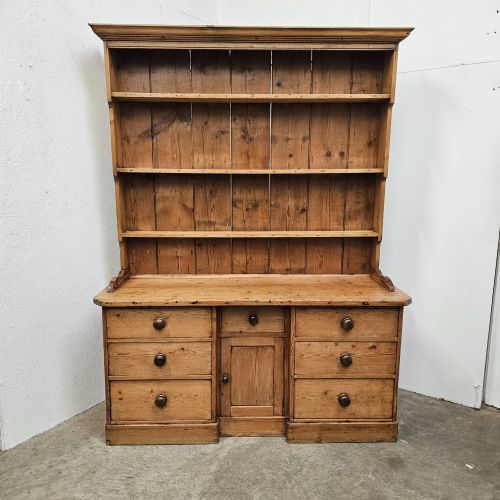
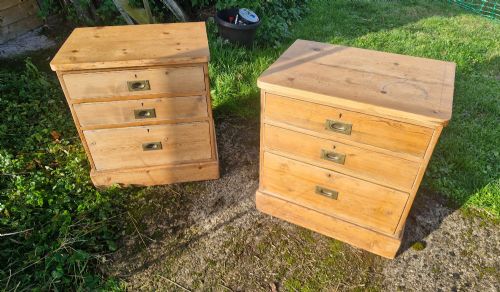
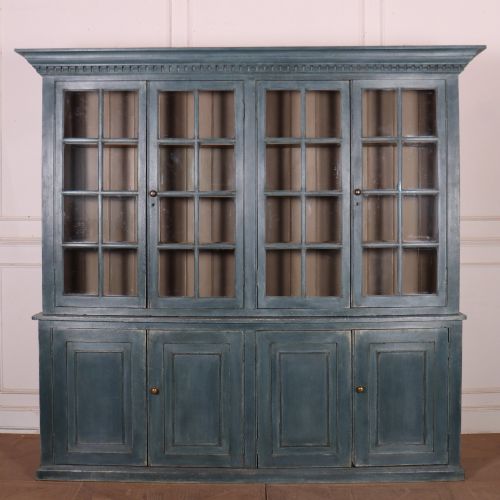
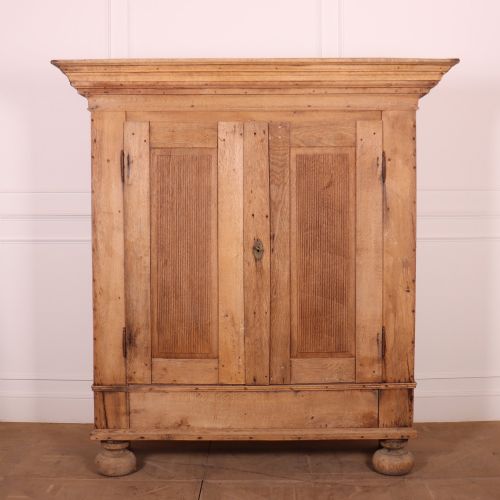
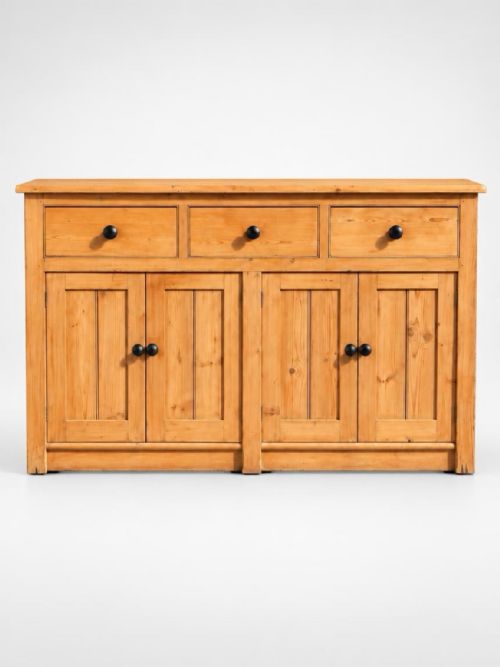
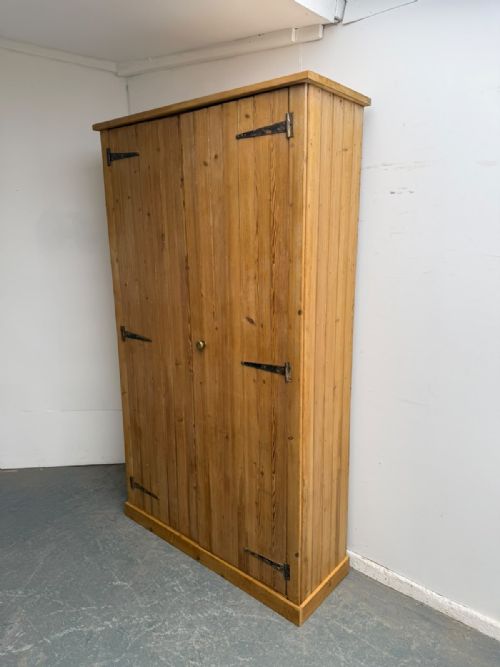
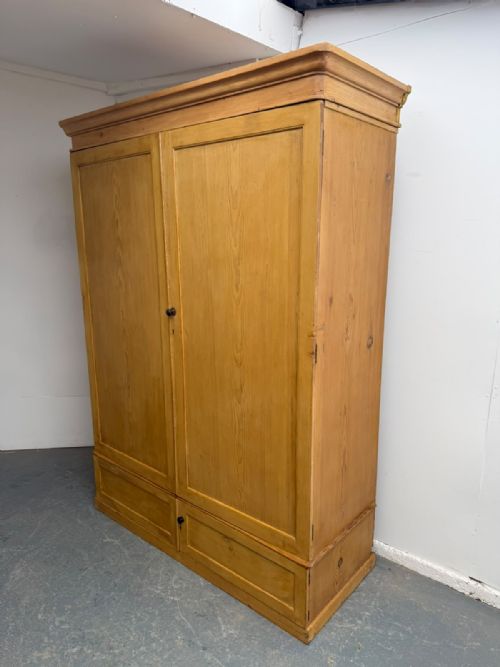
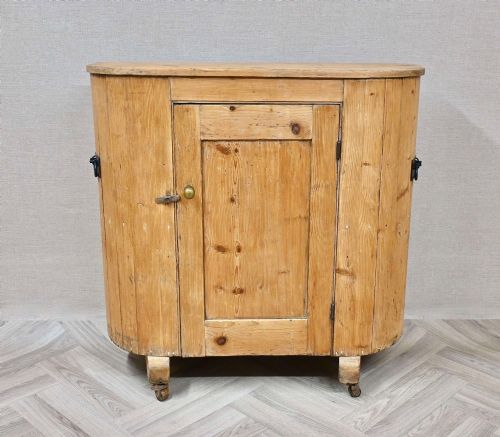
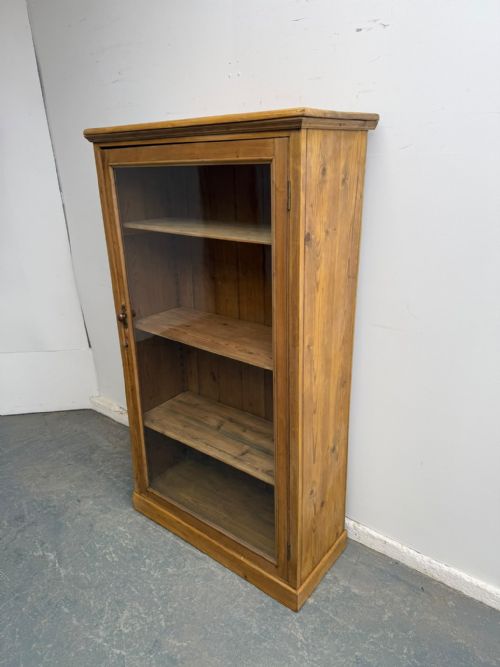
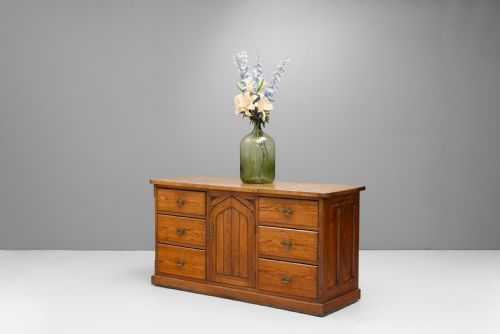
A rustic pine cupboard serves as a functional storage piece originating from domestic and farmhouse contexts across the nineteenth and early twentieth centuries. These items range from simple wall-hung lockers and tall housekeepers' cupboards to kitchen dressers and multi-drawer banks.
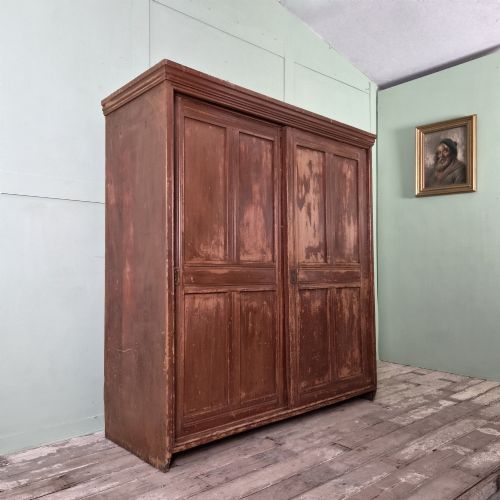
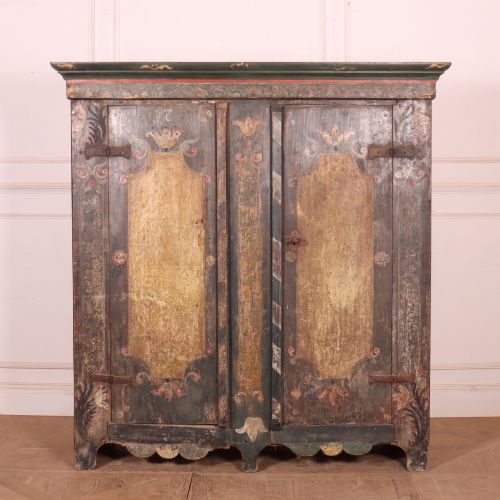
The version most commonly met on this page is the nineteenth-century pine wardrobe or kitchen cabinet, often built with knockdown construction for ease of transport. Many retain original painted finishes or bare waxed surfaces developed through decades of daily use.
How they were made
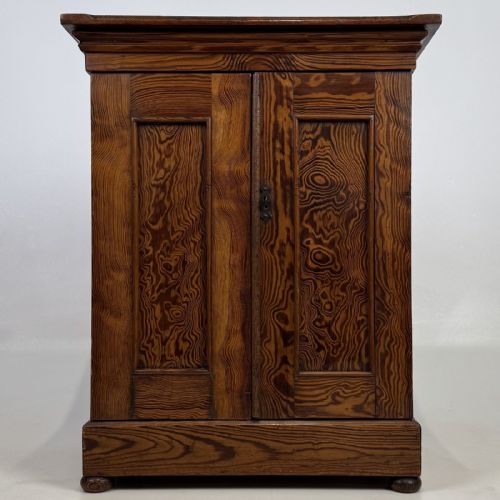
Makers constructed these pieces primarily from solid pine and pitch pine, selecting softwoods for their local availability and workability. Iron and brass hardware such as hinges, handles and escutcheons secured doors and drawers against heavy wear.
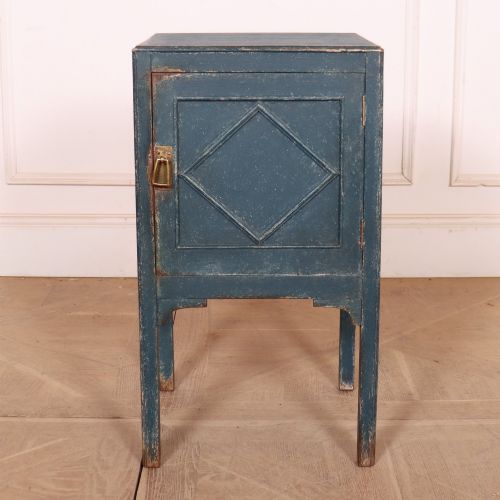
Joinery methods prioritized straightforward utility, utilising pegged joints, dovetailed drawer construction and panelled doors. Surfaces were frequently left bare to receive regular waxing, or finished in layers of paint that now show appealing patination.
Rustic Pine Cupboard Retail Price Guide 2026
Typical asking prices for rustic pine cupboard among the pieces listed under this phrase on Sellingantiques today, from the lower quarter to the upper quarter. They describe what is for sale here now, not the wider market.
Listings feature pieces spanning from the late 18th century through to the Edwardian era, incorporating regional English, Irish and French provincial styles.
What varies in quality
Quality rests upon the integrity of the original construction, including the weight of the timber and the precision of the joinery. Pieces that retain their original backboards, internal shelving and ironmongery command greater interest than those altered over time.
The character of the surface finish plays a significant role in distinguishing examples. Surviving original paintwork or deep, untouched wax patination elevates a piece above those stripped down to raw wood during later restorations.
The Rustic Pine Cupboard Glossary
- Knockdown
- A method of furniture construction using wedges or bolts that allows large wardrobes and cupboards to be fully dismantled for moving.
- Housekeeper's cupboard
- A large storage piece, typically featuring upper shelving enclosed by doors and lower drawers or cupboards, used for linen and provisions.
- Dresser base
- The lower section of a kitchen dresser, comprising a flat work surface above cupboards or rows of drawers.
- Escutcheon
- A protective plate surrounding the keyhole of a cabinet door or drawer, usually cast in brass or iron.
- Confiturier
- A small French cupboard traditionally used for storing jars of confit and preserves, often fitted with a single door and drawer.
Rustic Pine Cupboard: Frequently Asked Questions
How do I date a pine cupboard?
Dating relies on observing construction methods, hardware types and timber characteristics. Hand-cut dovetails and hand-forged iron hinges typically point to earlier periods, whereas machine-sawn elements and brass screws suggest later dates.
Changes in style, such as the transition from Georgian proportions to Victorian mass or Arts and Crafts simplicity, provide further chronological markers when combined with the condition of the wood.
Are these cupboards suitable for modern kitchens?
These cupboards integrate well into contemporary kitchens, offering substantial storage capacity for crockery, dry goods and cookware. Their robust construction handles daily domestic demands just as it did in past centuries.
Interior configurations often include adjustable shelves or hooks that adapt easily to modern storage requirements while retaining traditional exterior character.
How should I care for waxed pine?
Maintaining waxed pine involves dusting regularly with a soft, dry cloth and applying a traditional beeswax polish sparingly when the wood appears dry. Avoid placing these pieces near direct heat sources or damp areas to prevent timber movement.
Periodic buffing preserves the soft sheen and protects the surface from everyday moisture and handling.
What is the difference between pitch pine and standard pine?
Pitch pine contains a higher resin content than ordinary softwood pine, resulting in a denser, heavier material with a pronounced grain pattern. This timber resists moisture effectively and was frequently chosen for heavy-use furniture.
Standard pine offers a lighter weight and a softer, more uniform grain that absorbs wax and paint readily.