
Rustic Pine Blanket Box
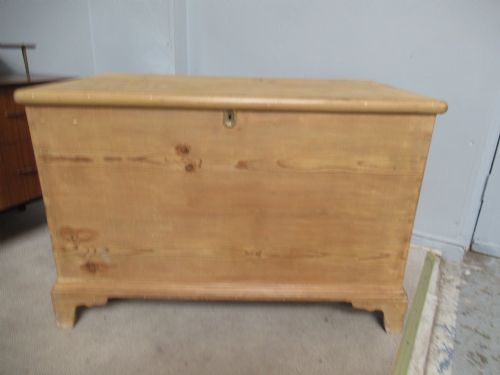
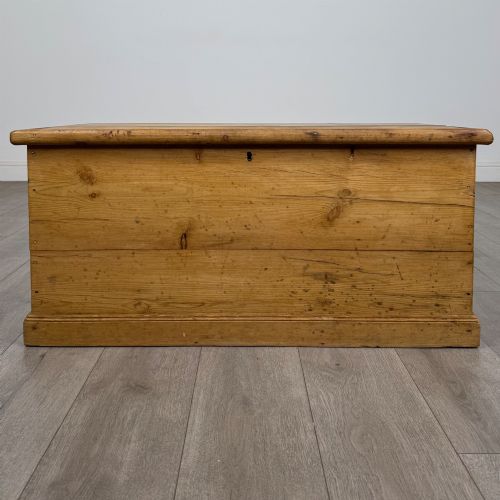
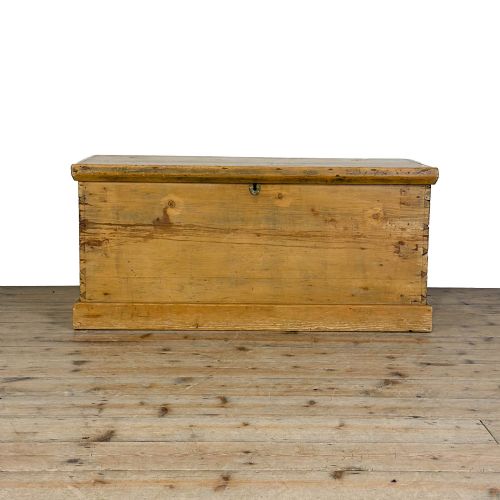
A rustic pine blanket box brings solid utility and honest domestic history into a room, offering robust storage with deep character.
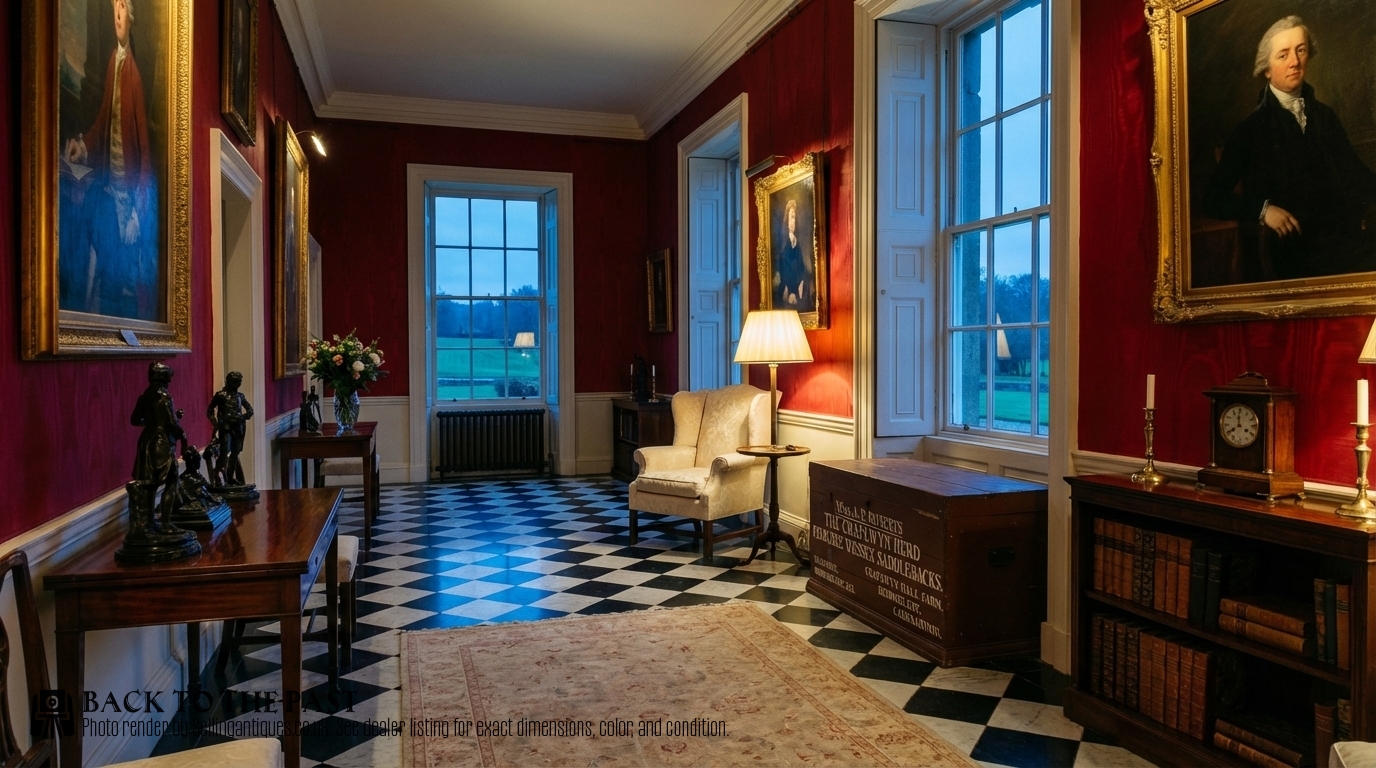
Rustic Pine Blanket Box
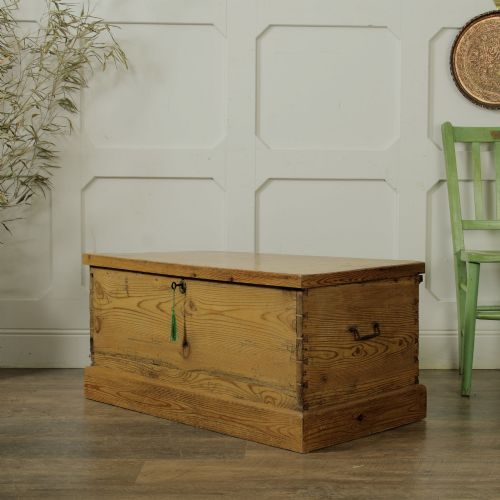
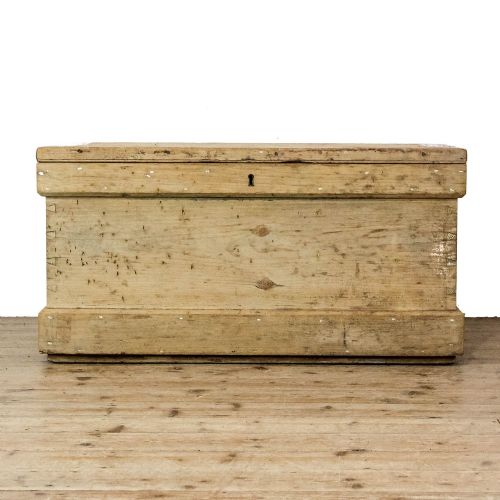
A rustic pine blanket box is a sturdy storage chest typically encountered in Victorian and 18th-century forms, often associated with country houses, farmhouses and regional folk traditions. These pieces served practical domestic purposes, housing textiles, tools or personal belongings in everyday settings.
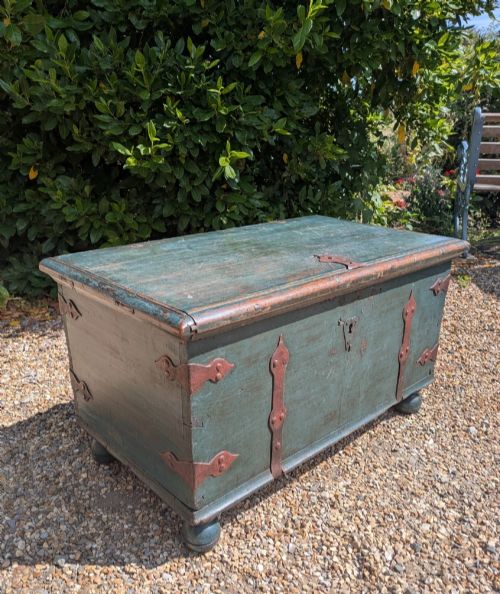
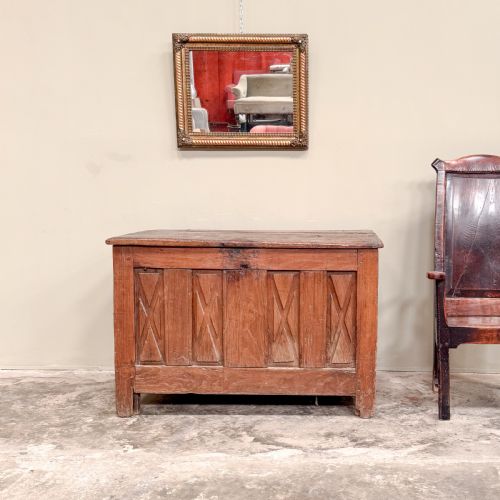
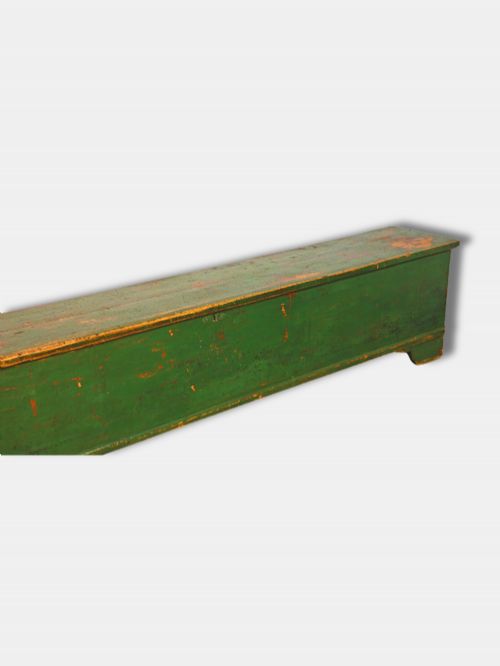
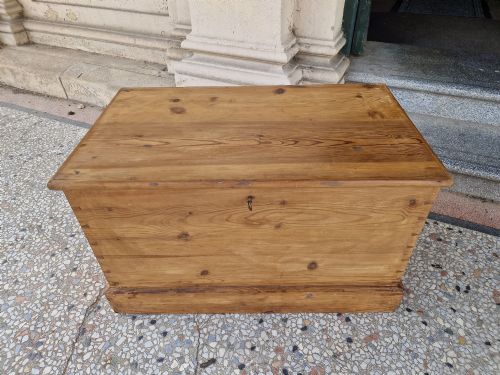
The versions most frequently found on this page date from the 19th century and the Victorian era, alongside earlier Georgian and 18th-century examples from Britain, Scandinavia, France and Hungary. They appear as plain waxed trunks, fitted chests with internal drawers, or painted coffers adorned with original colour.
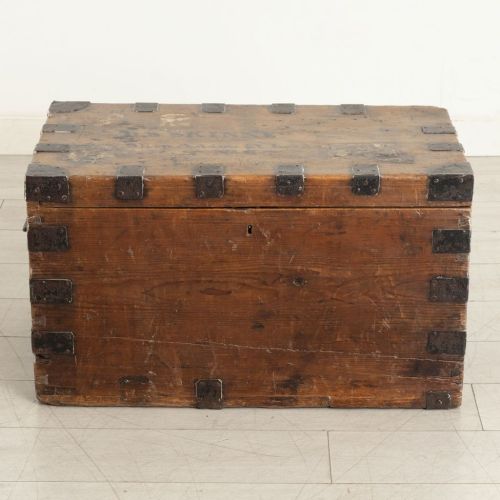
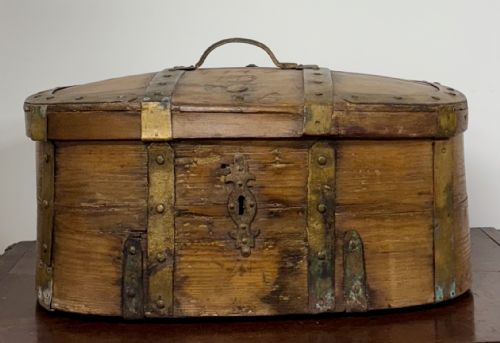
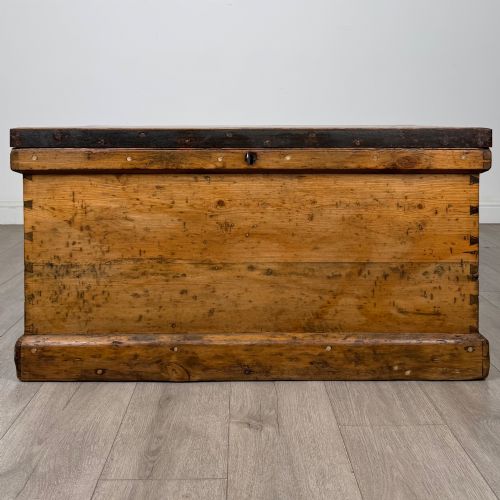
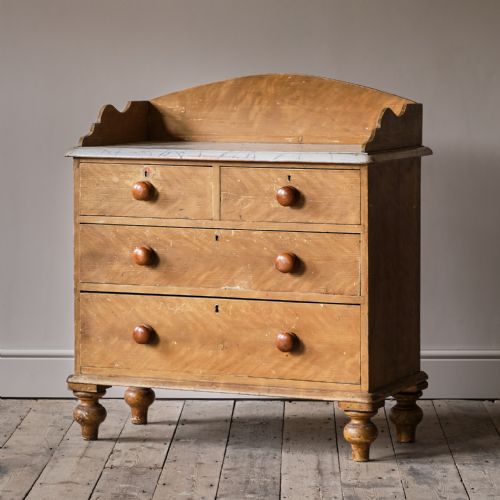
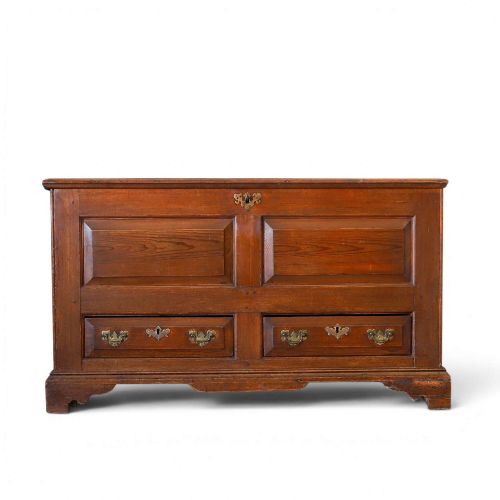
Beyond standard blanket boxes, the selection includes mule chests featuring bottom drawers, dome-top travel trunks, and iron-bound storage boxes. Their forms reflect regional carpentry methods, ranging from simple dovetailed joints to heavy strapwork.
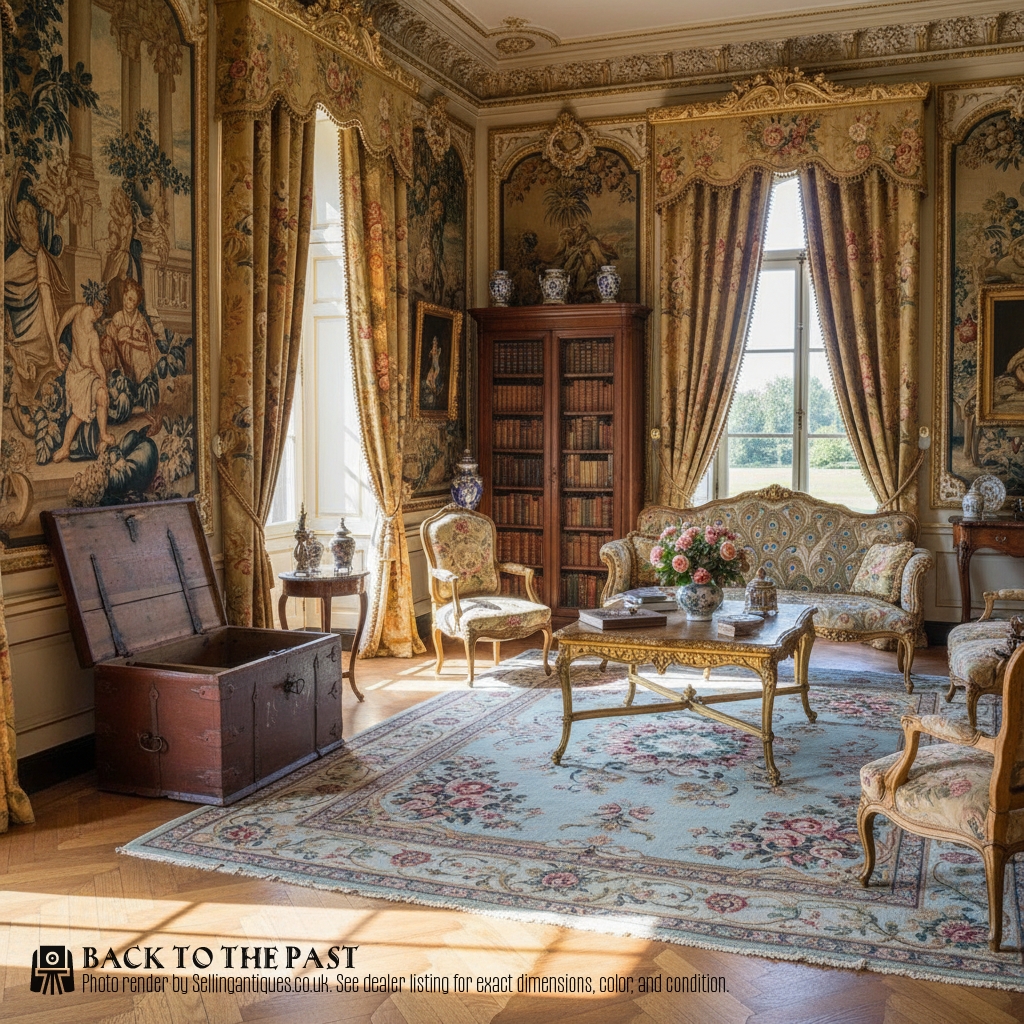
How they were made
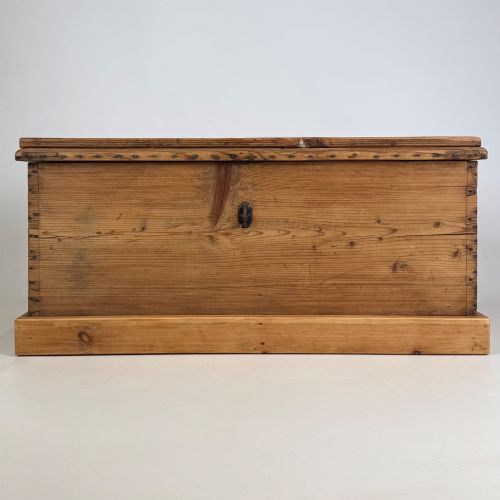
Construction relies primarily on solid pine and pitch pine, selected for accessibility and strength, occasionally complemented by oak or Oregon pine in specific regional pieces. Carpenters joined board sections using dovetails or simple lap joints, reinforcing heavy lids and corners with hand-forged iron strapwork or brass hardware.
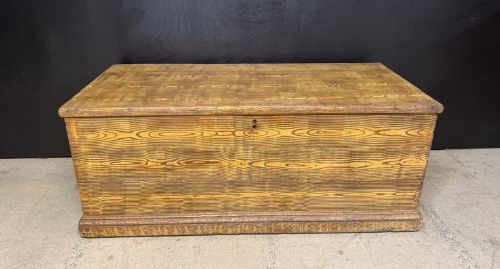
Surface finishes vary significantly between utilitarian waxing and decorative treatment, with many examples retaining original paint, scumble finishes or folk art motifs. Internal fittings such as small till boxes and lower drawers demonstrate domestic ingenuity tailored to specific household storage needs.
One listed chest once belonged to Jessie Degan Cole at Dawn House in Winchester.
What varies in quality
Quality rests in the integrity of the timber, the preservation of original surfaces like early paint or deep wax patination, and the survival of original hardware. Pieces retaining untouched hinges, locks and hand-forged iron straps hold greater integrity than those with replaced components.
Structural refinement distinguishes standard utility trunks from finer fitted pieces, such as those incorporating internal drawers, mule chest configurations or sophisticated dovetailing. The depth of the patina and the honesty of the timber grain determine the visual standing of an individual chest.
The Rustic Pine Blanket Box Glossary
- Mule chest
- A storage chest featuring one or more drawers built beneath the main compartment. This form bridges the traditional trunk and the chest of drawers.
- Scumble
- A decorative painting technique involving a translucent top layer dragged over a lighter base colour to simulate grain or texture. It appears frequently on 19th-century painted trunks.
- Cofer
- An archaic spelling of coffer, denoting a heavy wooden chest used for valuables and textiles. These often display robust construction and early historical origins.
- Pitch pine
- A dense, resinous variety of pine known for its prominent grain pattern and durability. It was frequently utilised for heavy-duty Victorian travel trunks and chests.
- Strapping
- Metal bands or straps, often hand-forged from iron, fixed across the exterior of a chest to reinforce the corners and lid. This hardware adds both structural strength and visual contrast.
Rustic Pine Blanket Box: Frequently Asked Questions
How are rustic pine blanket boxes dated?
Dating relies on examining construction techniques, such as hand-cut dovetails, forged iron hardware, and the type of pine used, such as pitch pine or Oregon pine. Regional styles and surviving original paint or wax finishes also offer clues to the period.
Documentation or provenance notes left by previous owners can further narrow down the decade of manufacture, particularly in nineteenth-century examples.
Can these chests be used as coffee tables?
Many buyers utilise these sturdy pine chests as coffee tables because their flat lids and generous proportions suit living room spaces. Their robust construction handles everyday placement of books and objects.
When using a box this way, checking the stability of the antique hinges and ensuring the top surface is sealed helps protect the aged wood.
What is the difference between a trunk and a mule chest?
A standard trunk consists of a single lidded compartment for general storage, whereas a mule chest incorporates one or more drawers beneath the main box cavity. This drawer addition evolved to allow access to stored items without lifting the heavy lid.
Both forms utilise pine and similar construction methods, but the mule chest offers segmented organisation.
How should I care for a waxed pine box?
Maintaining a waxed pine surface involves applying a traditional beeswax polish periodically to nourish the dry wood and preserve the historic patina. Avoiding direct sunlight and damp environments prevents the pine from warping or splitting.
Gentle dusting with a soft cloth keeps the surface clean without stripping away the accumulated character of the finish.