
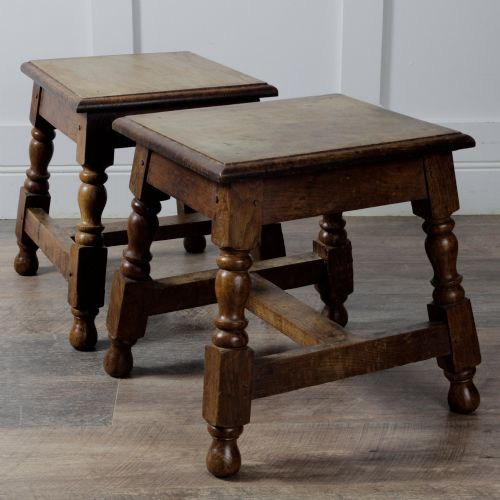
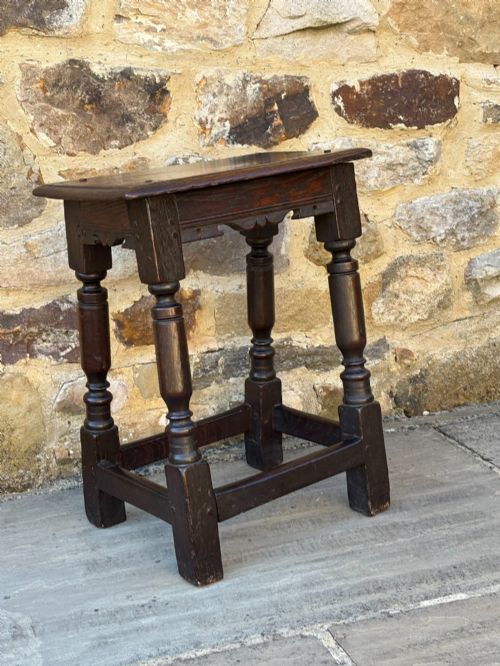
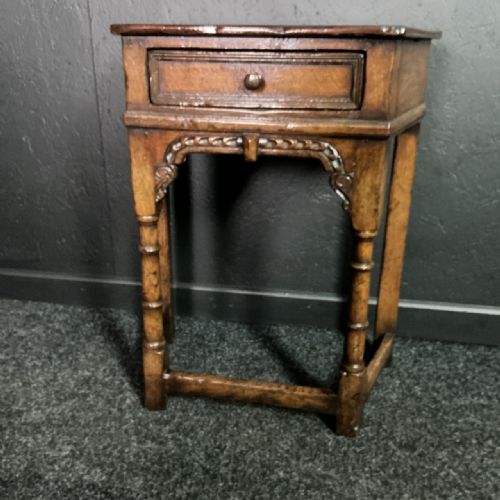
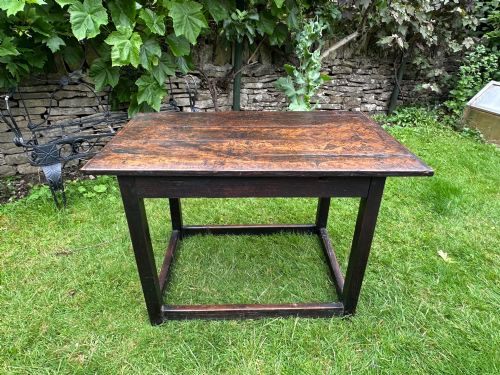




Rustic Oak Joint Stool
A rustic oak joint stool brings sturdy seventeenth-century utility and honest timber into a modern room.
Rustic Oak Joint Stool
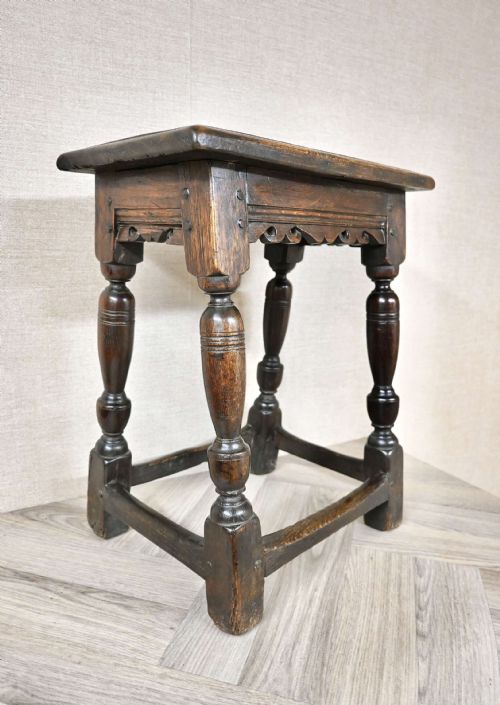
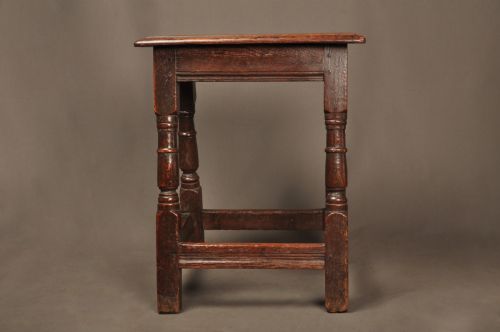
A rustic oak joint stool is a rigid seating form constructed with pegged mortise and tenon joinery rather than simple nailing. When you search for a rustic oak joint stool, you encounter pieces spanning from the seventeenth century through revival periods up to the twentieth century.
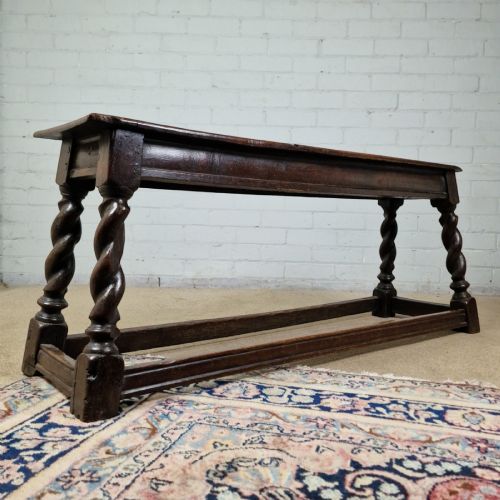
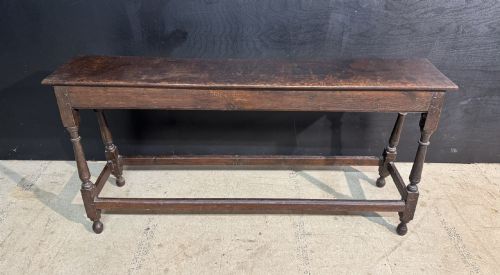
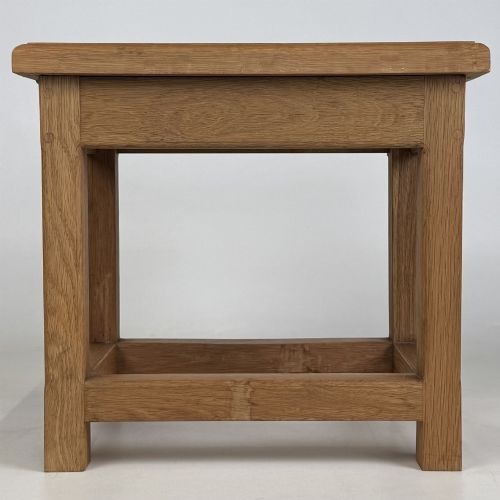
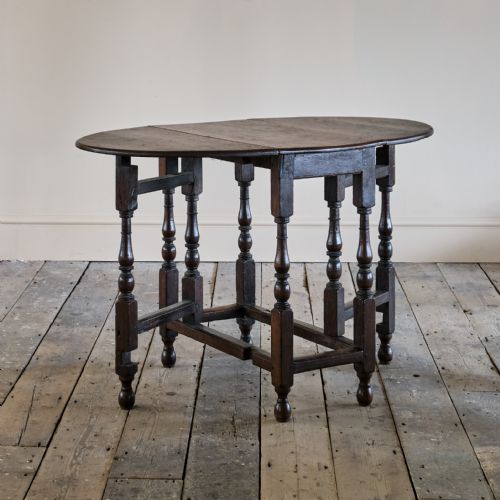
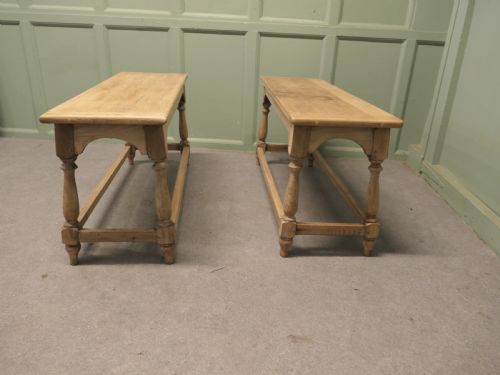
The version most commonly met on this page is the rectangular stool with straight legs and stretcher rails, though variations include long benches, box seats, and low side tables.
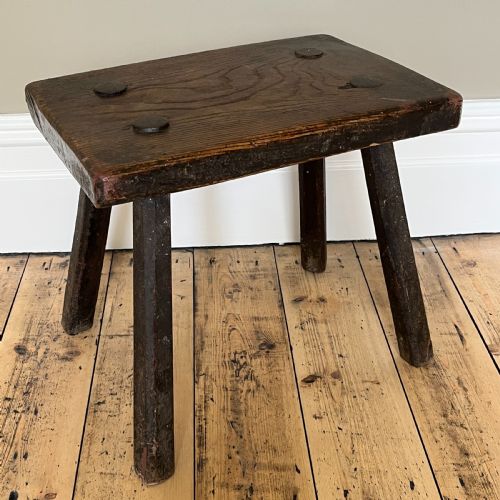
Surviving examples range from authentic seventeenth-century survivors to nineteenth-century interpretations and twentieth-century vernacular workshop creations utilising solid English timber.
Materials and construction methods
Makers relied principally upon solid oak, English oak, and elm, selecting dense timbers capable of bearing weight without iron fasteners. Construction depended on pegged joints, where wooden dowels secure the mortise and tenon connections between legs and rails.
Surface detailing occasionally involved brass, leather, and metal studs, while structural framing drew on Jacobean and Gothic traditions. Plank tops and boarded forms were utilised alongside traditional frame-and-panel assemblies.
One workshop proudly signed their oak stools with the nickname Oakleafman.
Factors separating tiers of quality
Quality rests in the integrity of the timber selection and the retention of original pegged joinery without extensive modern intervention. Pieces fashioned from solid English oak with clean lines and balanced proportions command greater attention from discerning collectors.
The degree of surface wear and the natural patina developed over centuries distinguish superior examples from later revival pieces. Greater refinement shows in the crispness of carved details and the stability of the frame under pressure.
David Oakleafman Langstaff
The Rustic Oak Joint Stool Glossary
- Joint stool
- A rigid wooden seat assembled using pegged mortise and tenon joinery rather than turned or glued parts. The term derives from the joiner trade.
- Mortise and tenon
- A primary wood joint where a protruding tongue fits snugly into a corresponding cavity and is typically secured with a wooden peg.
- Plank top
- A seat or surface constructed from solid boards joined edge to edge, frequently seen on early boarded and trestle forms.
- Stretcher
- A horizontal rail connecting the legs of a stool or table to provide lateral stability and rigidity to the frame.
- Jacobean revival
- A nineteenth and twentieth-century design movement that copied the heavy proportions and dark finishes of seventeenth-century English furniture.
Rustic Oak Joint Stool: Frequently Asked Questions
What is a joint stool?
A joint stool is a sturdy wooden seat built by a joiner using pegged frame construction rather than simple carpentry. These pieces served versatile household roles for sitting or reaching high places.
They date primarily from the seventeenth century onward, remaining a staple of traditional domestic interiors through various revival periods.
How were joint stools used?
Historically, households utilised these robust stools around dining tables and hearths where flexibility was required. Their rigid frame made them suitable for standing upon as well as sitting.
Today they function effectively as side tables, bedside surfaces, or compact seats in smaller rooms.
How do I date a rustic oak joint stool?
Dating relies on observing tool marks, timber shrinkage, construction methods, and overall wear patterns. Seventeenth-century examples display hand-split oak and hand-turned legs, whereas later revivals often show machine-sawn surfaces.
Stylistic cues such as Gothic tracery or Jacobean turnings also help assign a piece to its correct period.
Are these stools comfortable for daily seating?
Being entirely of solid wood without upholstery, they offer a firm and upright seating posture. They are designed for short periods of sitting rather than lounging.
Their compact footprint makes them easy to tuck beneath tables when not in use.