
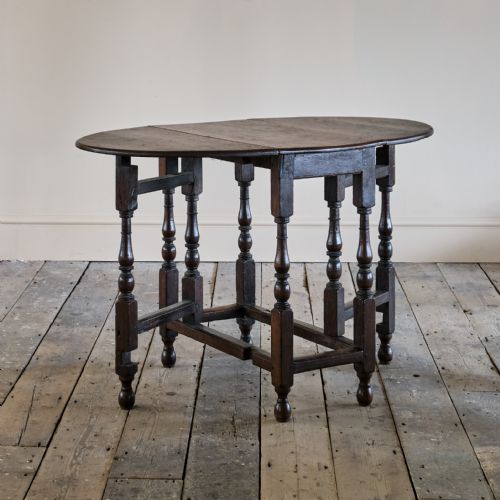
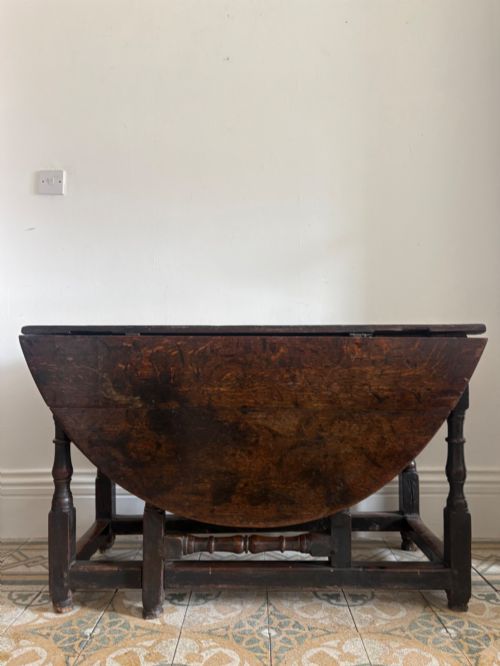


Rustic Oak Folding Table
A rustic oak folding table offers practical history for everyday dining, bringing centuries of clever woodwork straight into the modern room.
Rustic Oak Folding Table
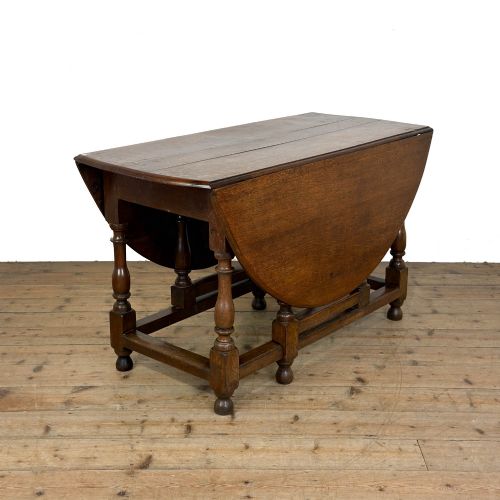
Makers historically engineered these pieces to collapse or swing shut to save floor space in domestic interiors and agricultural settings. Surviving examples range from heavy plank-top dining surfaces down to smaller occasional tables.
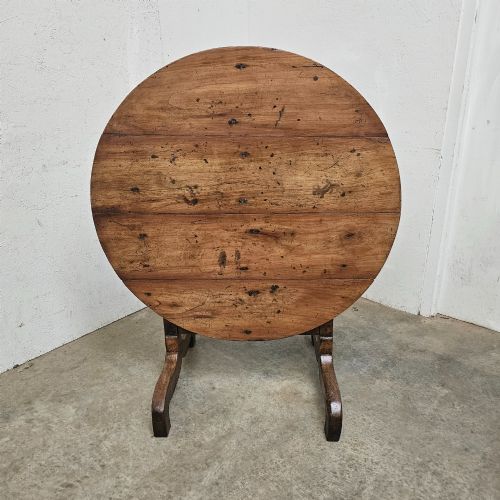
Origins stretch across British country workshops and French provincial vineyards, uniting robust timber framing with functional folding mechanisms. Each piece reflects the practical demands of rural life without sacrificing structural integrity.
Assessing quality and authenticity
Superior pieces maintain original timber patination and tight structural joints in the folding mechanisms, while lesser examples suffer from excessive timber replacement or loose pivot points. The integration of the drop-leaves dictates daily stability.
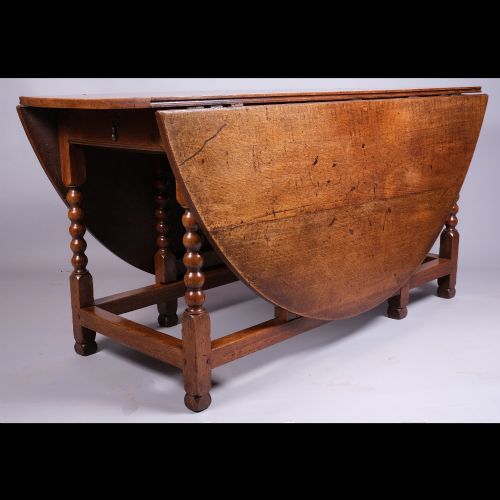
Proportion and turnings separate finer vernacular pieces from purely utilitarian work, where sharper baluster profiles and substantial plank thicknesses elevate the overall presence of the table.
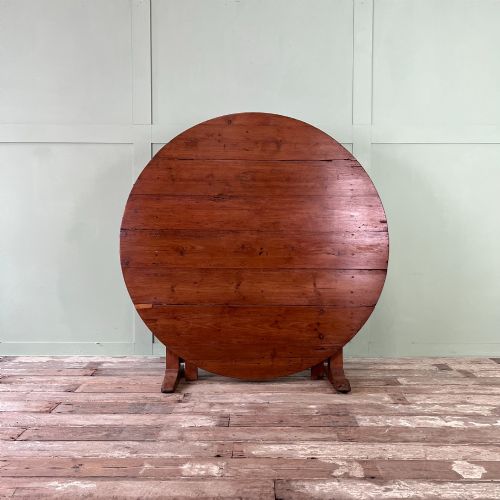
Vineyard workers relied on these folding tables to clear the floor instantly when the wine harvest came indoors.
The Rustic Oak Folding Table Glossary
- Gateleg table
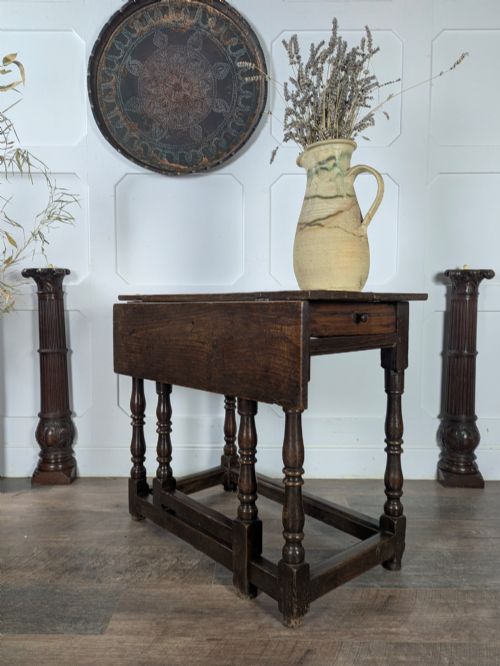
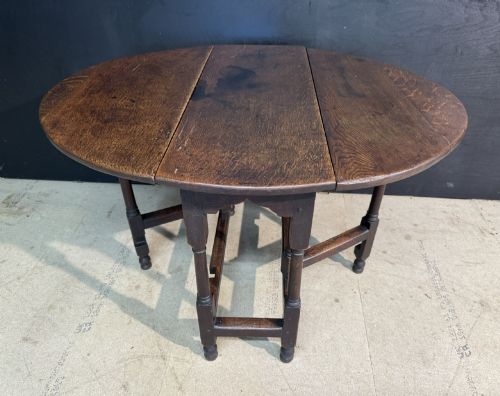
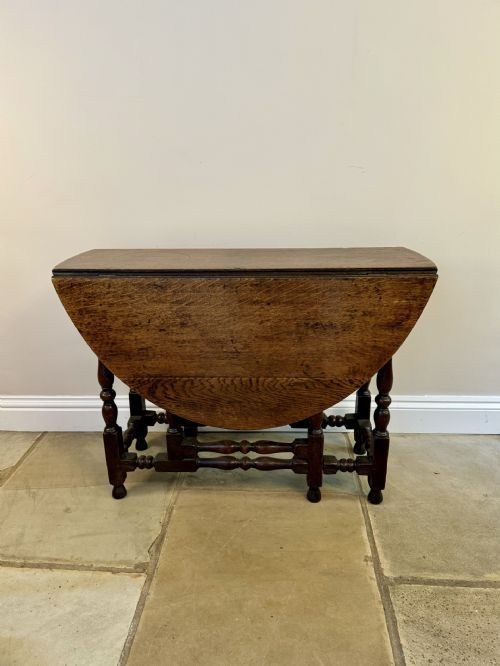
- A table with hinged leaves supported by swing-out legs that resemble a gate. This form dominates early oak examples.
- Vendange table
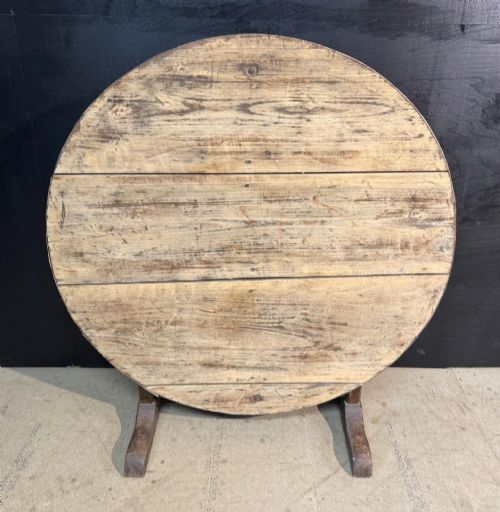
- A French folding wine-harvest table designed to be easily stored when not in use during the off-season. These often combine cherry and oak.
- Drop leaf
- A hinged table section that folds down to reduce the footprint of the furniture. It allows a large dining surface to stow compactly.
- Patina
- The surface sheen and colour developed by aged timber through decades of handling and wax polishing. Original patination marks the better-surviving items.
- Baluster
- A moulded shaft supporting the framework, often turned on a lathe. Seventeenth and eighteenth-century pieces frequently feature turned baluster legs.
Rustic Oak Folding Table: Frequently Asked Questions
How do I date an old oak table?
Examine the joinery methods, tool marks, and hardware types used throughout the underframe and hinges. Hand-cut pegs and irregular board widths generally point to earlier centuries.
Compare the turned leg styles, such as bobbin or baluster shapes, against known historical periods. Original surface patina also offers strong clues to the actual age of the timber.
Are these tables sturdy enough for daily meals?
Solid oak construction provides immense durability, making these pieces well suited for regular dining use. The swing legs on gateleg models offer reliable support when properly aligned.
Check that the pivot joints and hinges move smoothly without excessive wobble. Maintenance involves simple wax polishing to protect the wood from daily wear.
What is a French vendange table?
A vendange table is a traditional French harvest table featuring a folding top designed for easy storage. Vineyards utilised them during grape-picking seasons when workspace needed to be cleared quickly.
They typically pair cherry frames with oak tops, creating a lighter visual profile than traditional British gateleg tables. Their versatile design suits modern kitchens and dining spaces alike.
How much space does a gateleg table save?
Gateleg designs reduce their surface area drastically when both drop leaves hang vertically at the sides. This allows a large multi-person dining table to tuck neatly against a wall as a console.
Opening one or both leaves transforms the narrow frame back into a full dining or work surface. The pivoting gate legs swing securely into place beneath the extended timber.