
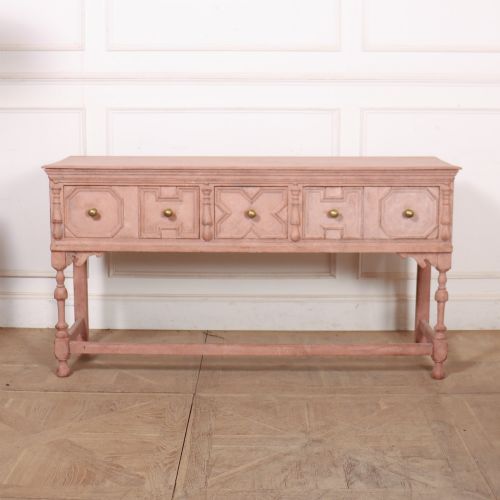
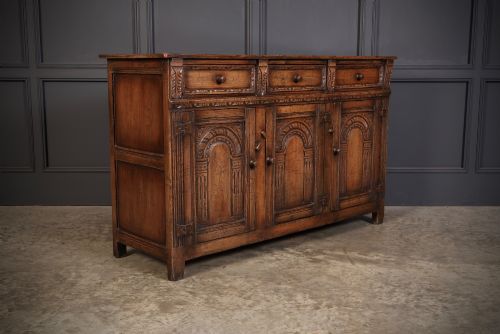
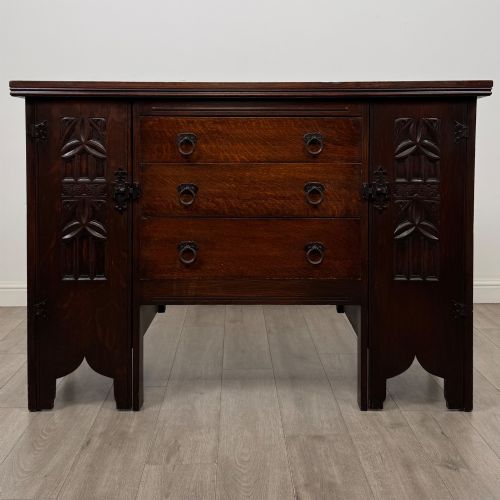
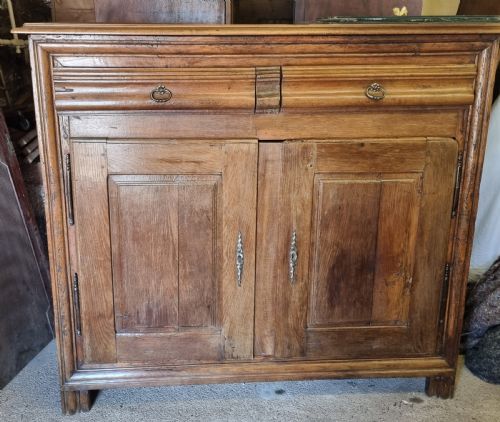
Rustic Oak Dresser Base
A rustic oak dresser base brings honest utility and deep timber grain to a room.
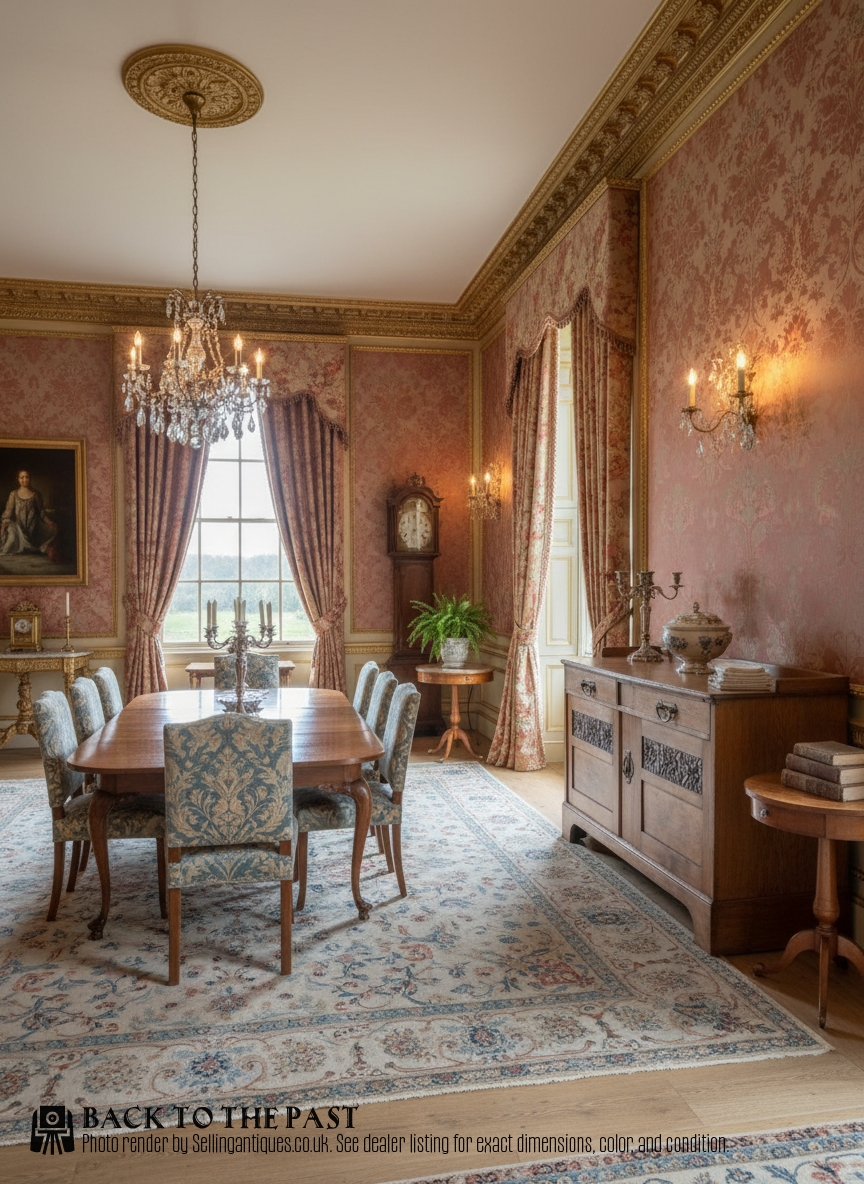
Rustic Oak Dresser Base
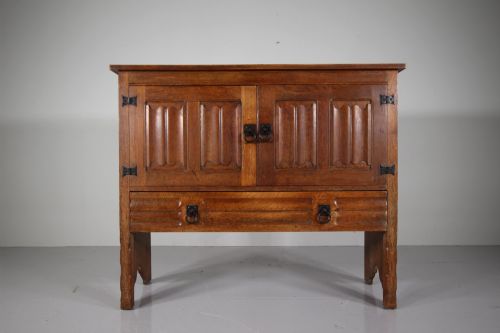
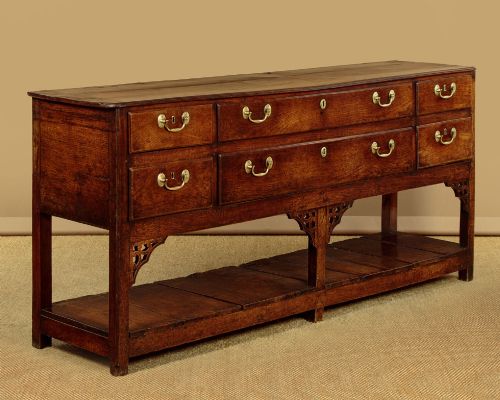
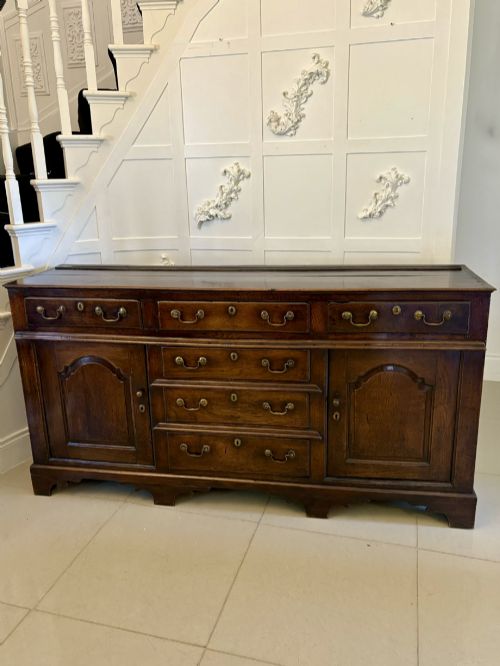
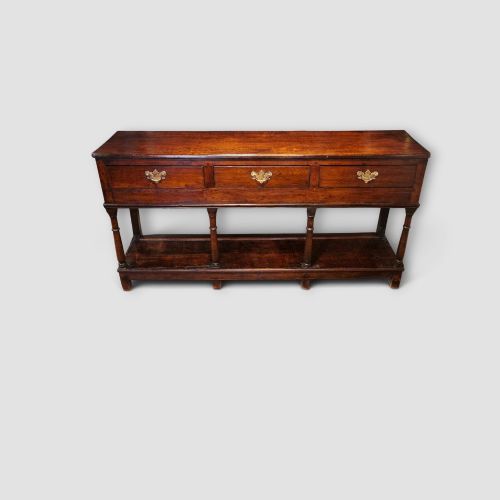
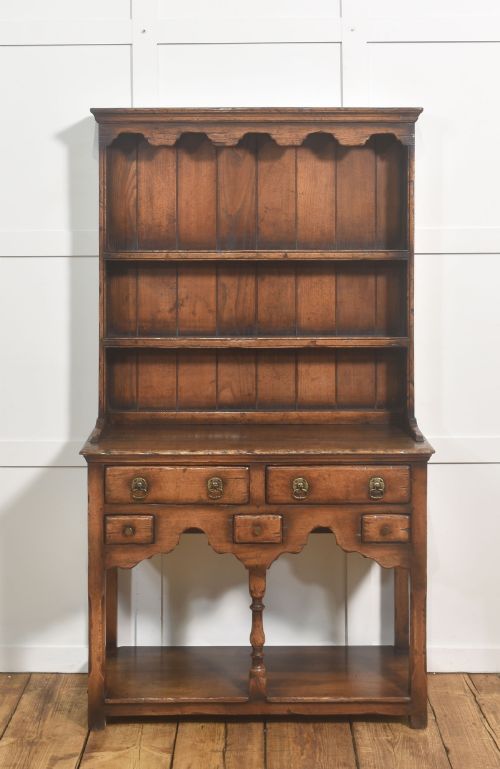
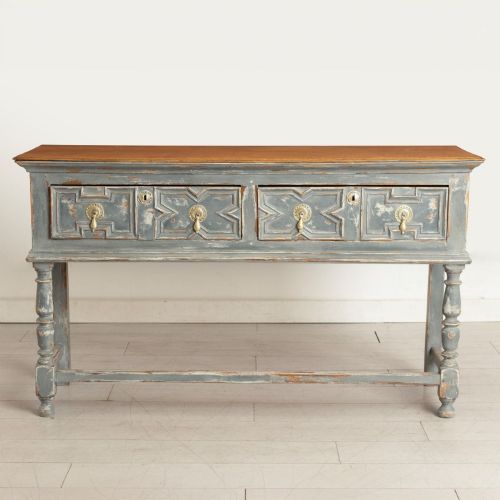
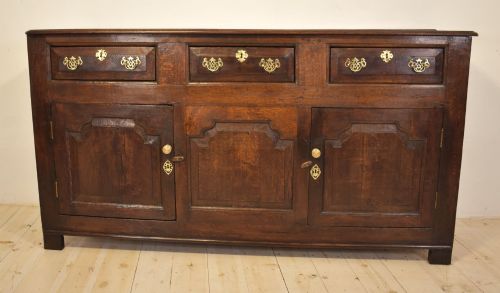
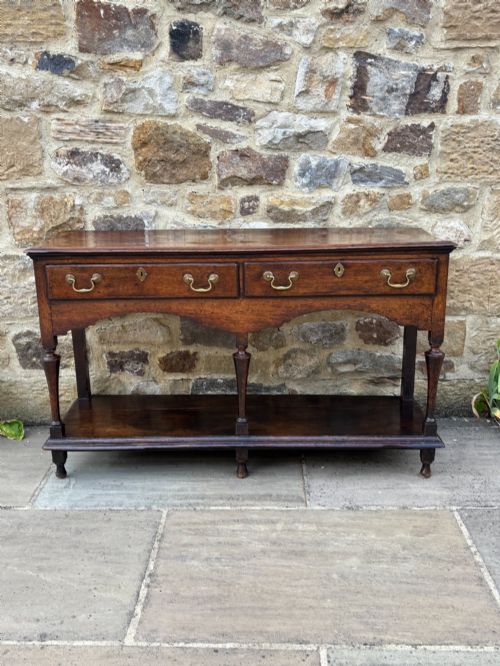
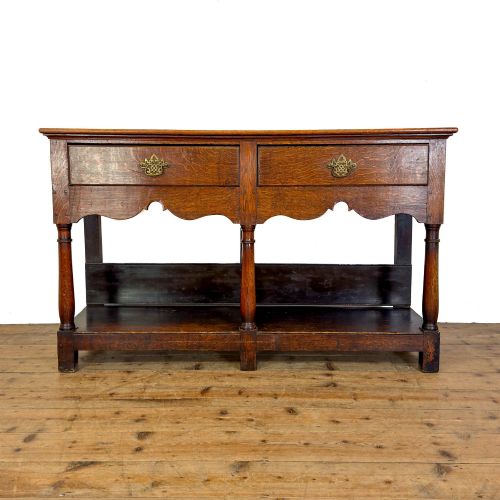
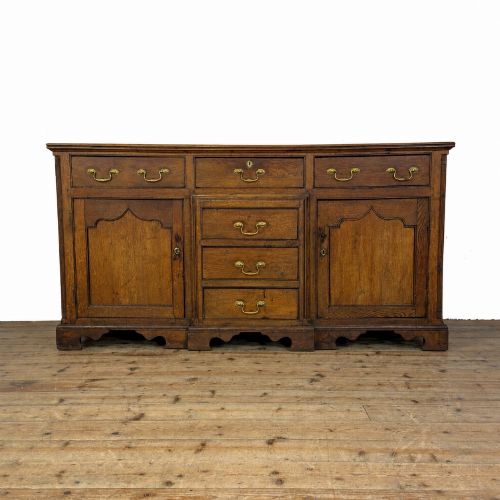
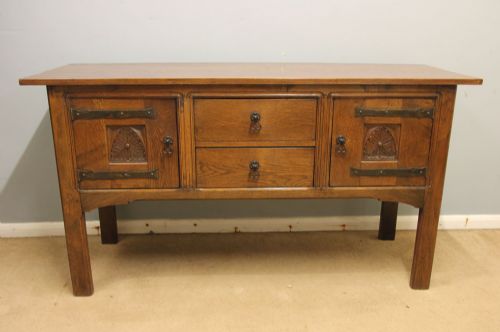
A rustic oak dresser base provides a low-level surface with drawers and cupboards, originally used in country houses for food preparation and storage. When searching for a rustic oak dresser base, buyers encounter pieces spanning from the eighteenth century through to later revivals, reflecting both English and Welsh vernacular traditions.
The most common formats on this page feature open potboards beneath deep drawers or combinations of panelled doors. These items carry the marks of daily domestic use over generations, showing regional variations from English workshops to Welsh country kitchens.
Materials and construction methods
Makers built these pieces primarily from solid oak, sometimes combining fruitwood or elm for drawer linings and secondary elements. Iron and brass hardware, from drop handles to hinges, secured the functional doors and drawers.
Joinery relied on traditional pegged mortise and tenon frames, while boards were hand-planed and secured with wrought iron nails or wooden pins. Surfaces often received simple wax or paint finishes that protected the timber while letting the natural grain show through.
Rustic Oak Dresser Base Retail Price Guide 2026
Typical asking prices for rustic oak dresser base among the pieces listed under this phrase on Sellingantiques today, from the lower quarter to the upper quarter. They describe what is for sale here now, not the wider market.
Housemaids once relied on these sturdy cupboards to store linens and heavy kitchen wares far away from the damp stone floors.
Judging quality in country furniture
Quality rests in the integrity of the original timber and the survival of untouched surfaces, where centuries of polishing create a deep patina. Pieces that retain their original brass or iron hardware and unreplaced boards stand apart from heavily restored examples.
Proportion and regional character define the better specimens, such as those with balanced drawer arrangements and clean potboard supports. The crispness of hand-carved detailing on panels and friezes distinguishes skilled regional joinery from later revival work.
The Rustic Oak Dresser Base Glossary
- Potboard
- An open lower shelf built into a dresser base, traditionally used for storing pots and heavy domestic vessels. This lower tier sits just above the floor on sturdy legs or stiles.
- Tridarn
- A large Welsh storage piece comprising three tiered sections, often featuring enclosed cupboards and display tiers. It represents a more complex cousin to the simpler dresser base.
- Enfilade
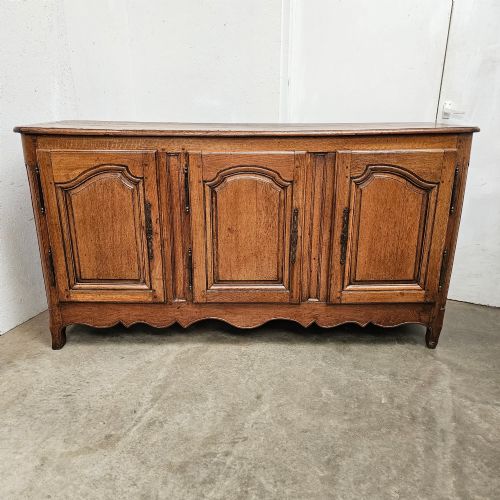
- A long sideboard or low cabinet featuring a series of doors along the front, commonly found in French provincial furniture. These pieces offer substantial enclosed storage space.
- Vernacular
- Furniture made by local country joiners using regional styles and readily available native timbers rather than following strict metropolitan fashions. This tradition produces practical items with distinct local character.
- Patina
- The surface sheen and softening of edges developed by timber over long periods of handling, light exposure and waxing. It serves as a visual indicator of age and genuine use.
Rustic Oak Dresser Base: Frequently Asked Questions
What is a rustic oak dresser base used for today?
These low cabinets serve as sideboards in dining rooms, TV stands in living spaces, or practical storage units in hallways and kitchens.
Their sturdy tops provide generous surface space for lamps and display items, while the deep drawers and cupboards keep household goods organised out of sight.
How do I date an antique oak dresser base?
Dating relies on examining the construction methods, tool marks on the timber, drawer dovetails, and overall hardware style.
Earlier pieces from the eighteenth century show hand-sawn boards and pegged joints, whereas twentieth-century revivals display more uniform machine-cut elements and different internal framing.
Are these pieces English or Welsh?
The listings include examples originating from various regions, with Welsh vernacular pieces often showing distinct proportions and layout differences compared to English country models.
Regional joiners adapted their designs to local domestic needs, utilising native oak and fruitwood available in their immediate area.
How should I care for antique oak furniture?
Maintain the timber by applying natural beeswax sparingly and buffing gently with a soft cloth to nourish the surface.
Keep pieces away from direct heat sources and strong sunlight to prevent the dry oak from splitting or the historic finish from fading.