
Rustic Oak Dining Seats
These rustic oak dining seats bring sturdy vernacular character to the table, spanning centuries of country house dining.
Rustic Oak Dining Seats
When you search for rustic oak dining seats, you encounter robust timber chairs, benches, and stools designed for practical domestic use. The selection spans the eighteenth, nineteenth, and early twentieth centuries, drawing on Georgian, Victorian, Edwardian, and Arts and Crafts traditions.
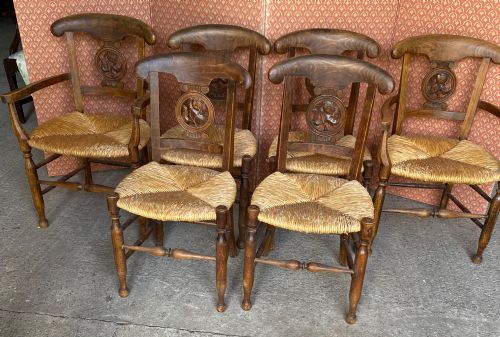
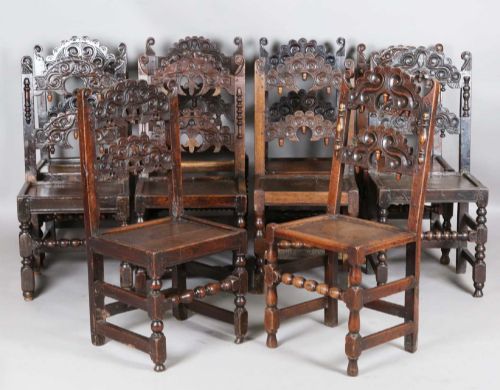
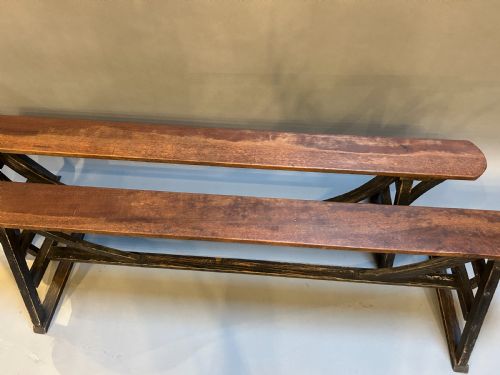
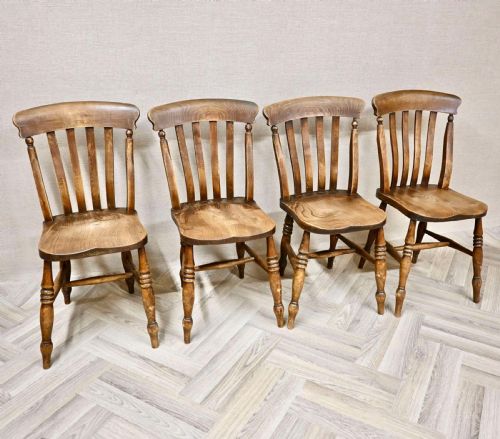
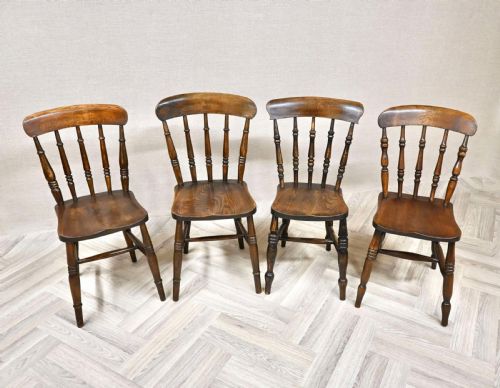
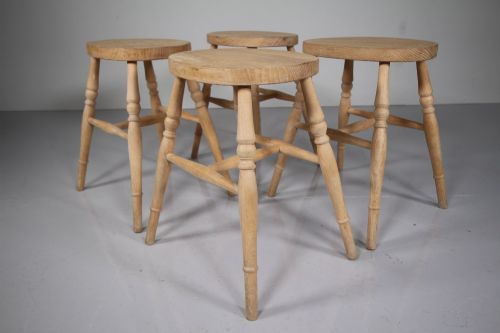
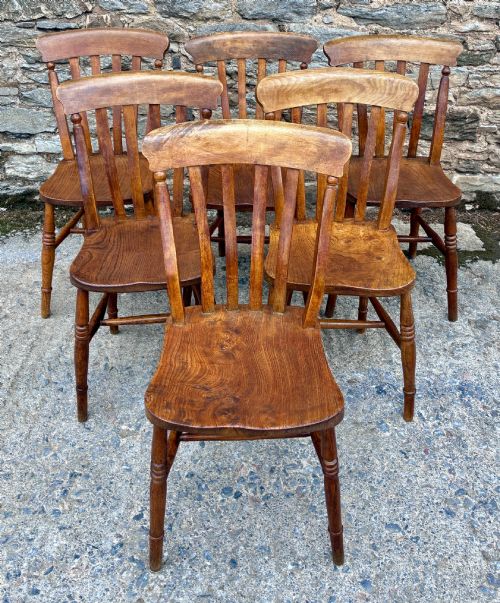
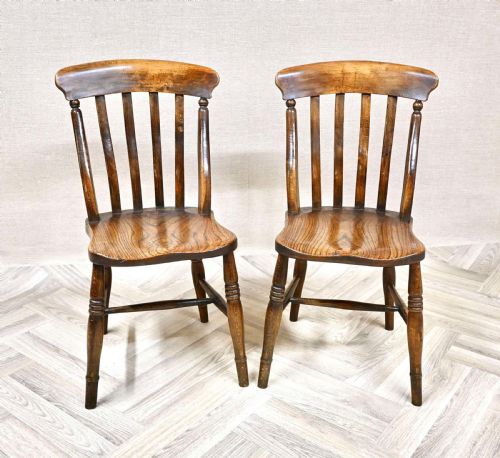
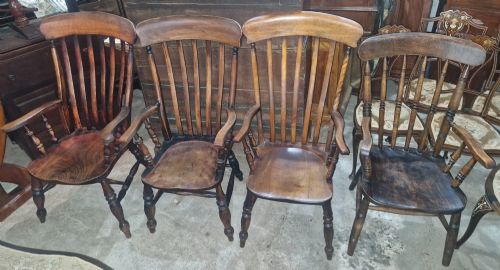
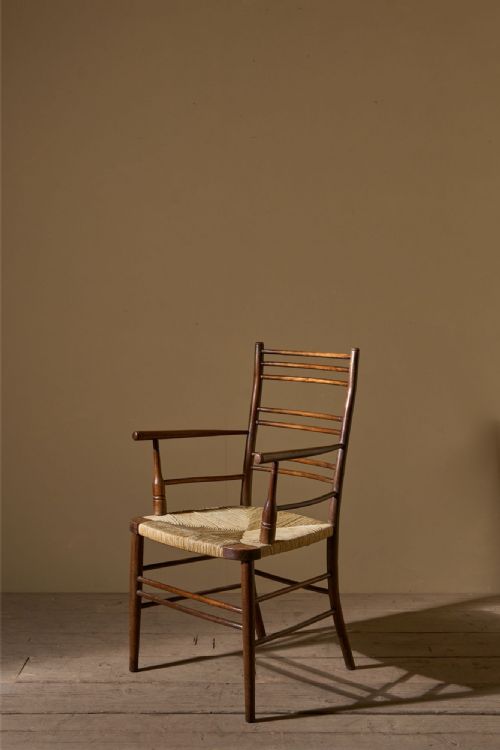
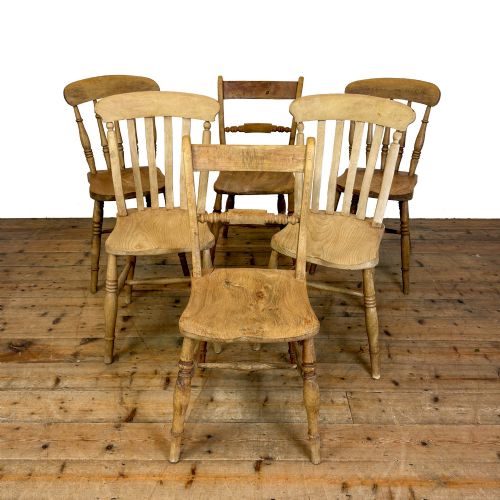
The most common forms you meet on this page are Windsor chairs with hoop backs, comb backs, or lath backs, alongside ladder back dining chairs and solid timber benches. These pieces originate from English country and farmhouse settings, often grouped in sets ranging from pairs to tens.
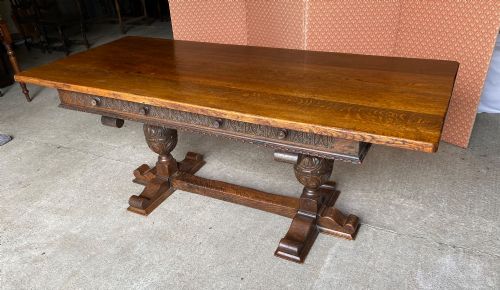
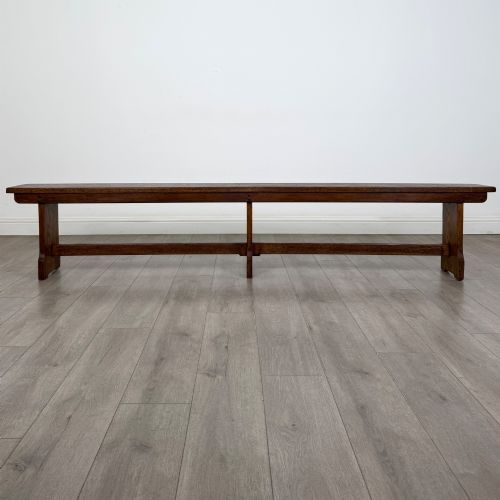
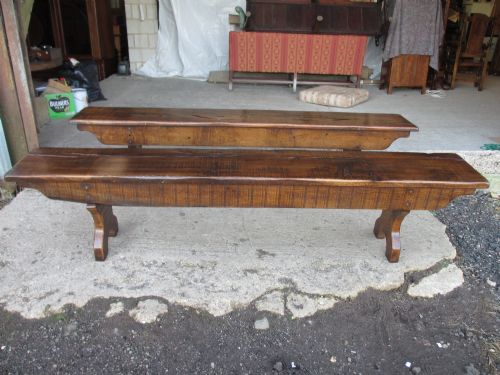
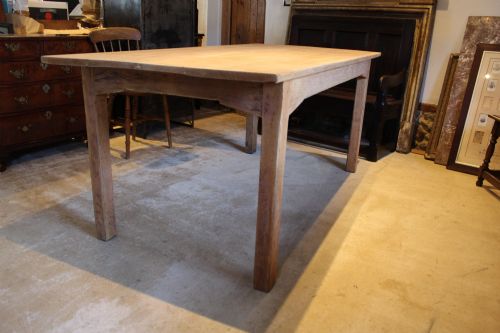
Alongside standard dining chairs, the inventory includes refectory tables, joint benches, and hall benches that share the same utilitarian aesthetic. Materials extend beyond oak to include elm, beech, rush, ash, and pine, reflecting the mixed timbers utilised by regional makers.
Materials and construction
Makers built these rustic oak dining seats using solid timbers selected for local availability and structural strength. Oak provided the primary frames and table tops, while complementary woods like elm and beech were turned for chair spindles, legs, and bentwood components.
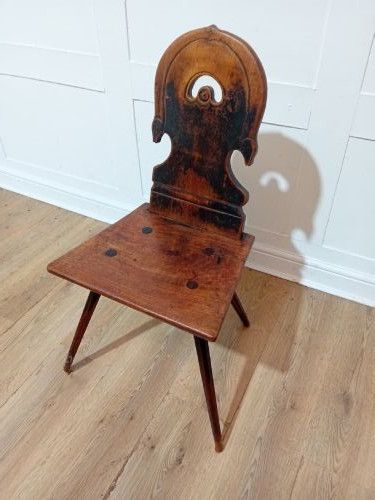
Traditional joinery methods dictate the construction, relying on pegged mortise and tenon joints for ladder backs and frames, and steam-bent components for Windsor hoops. Seats often utilise carved solid timber slabs or woven rush, secured without modern adhesives to allow the wood to move naturally.
Listings span periods from the 18th century through to the 1930s, featuring oak, elm, rush, and pine across dining chairs and benches.
Judging quality in country seating
Quality in these pieces rests upon the integrity of the timber and the tightness of the original joints. Pieces that retain their genuine surface patina and matching timber grain across a set command greater interest than assembled harlequin groups.
Subtlety in the turning of spindles, the comfort of the sculpted seat saddle, and the proportion of the back rail separate standard utility furniture from finer vernacular examples. Wear should show honest use rather than structural compromise.
The Rustic Oak Dining Seats Glossary
- Windsor chair
- A wooden chair built with a solid sculpted wooden seat into which the back and legs are dowelled directly. This design developed in English rural workshops during the eighteenth century.
- Ladder back
- A chair featuring horizontal wooden slats between the upright posts of the back. These rails are often shaped and graduated in width.
- Harlequin set
- A collection of chairs that share a similar style, period, or material but were not originally manufactured together as a single matched group.
- Rush seat
- A woven seating surface created from dried marshland plants twisted into cords. This technique provides a resilient and slightly yielding surface.
- Joint bench
- A wooden bench constructed using traditional mortise and tenon joinery secured with wooden pegs. These pieces served general seating duties in farmhouse kitchens and halls.
Rustic Oak Dining Seats: Frequently Asked Questions
How do I match mismatched chairs?
Gathering a harlequin set relies on pairing pieces that share common stylistic markers, such as ladder back construction or similar timber tones. Differences in height and arm design add individual character rather than disrupting the overall arrangement.
Matching works best when the seating shares an origin within the same regional vernacular tradition. Keeping the timber species consistent, such as oak paired with elm or beech, helps tie the group together around the table.
Are these seats comfortable for daily use?
Most country dining seats feature solid elm or oak saddles that are carved to fit the body. While they lack upholstery, their ergonomic shaping provides stable support during long meals.
Adding loose squab cushions can increase comfort without altering the historic appearance of the timber. The sturdy frame construction ensures they easily withstand regular daily use.
How do I date a Windsor chair?
Dating relies on observing the turning of the legs and the construction of the bow. Earlier examples from the eighteenth century often feature comb backs and ash or yew components, while nineteenth-century versions show thicker steam-bent hoops.
Underside construction also offers clues, as wedges split into the top of leg tenons became less common over time. Tool marks and the method of shaping the seat saddle reveal the manufacturing era.
Can I use oak benches with dining tables?
Solid oak benches fit neatly alongside refectory and farmhouse tables to save floor space. They tuck underneath when not in use, which suits compact kitchens and dining rooms.
Check the height clearance between the underside of the table apron and the top of the bench seat. Benches with trestle ends offer stable support and echo the traditional arrangement of country interiors.