
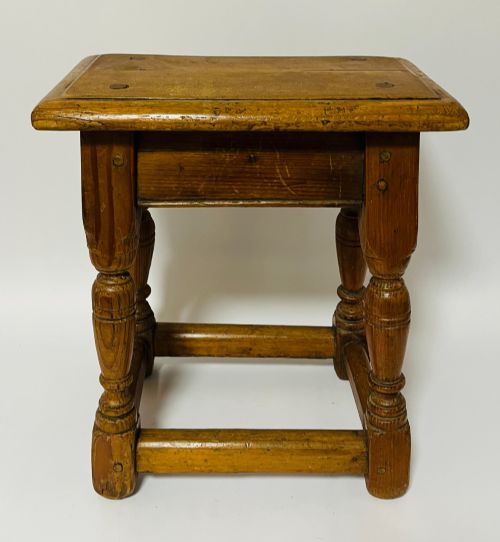
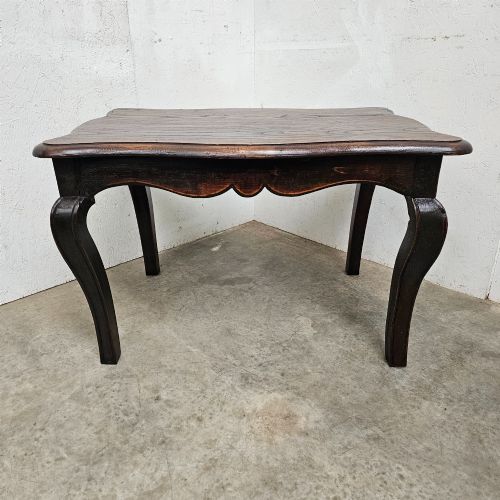


Rustic Low Side Table
A rustic low side table brings honest timber and utility into a room, offering low-slung surfaces shaped by provincial craftsmanship and utilitarian roots.
Rustic Low Side Table
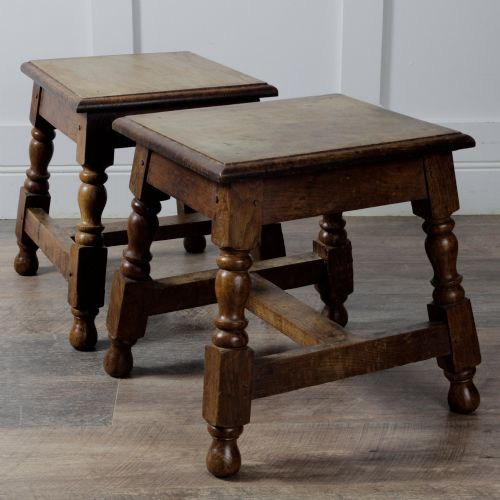
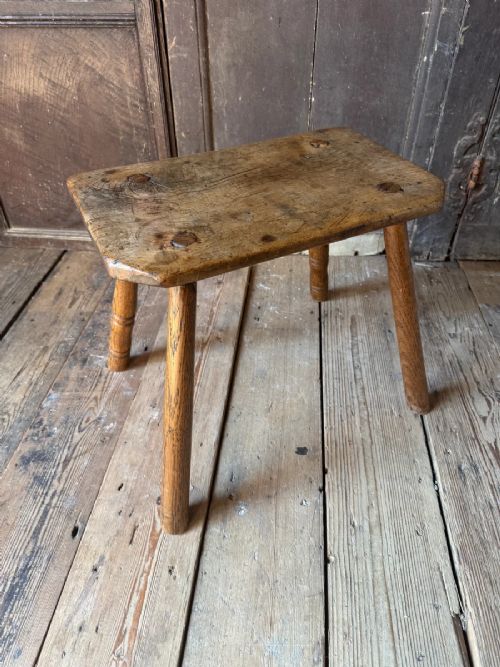
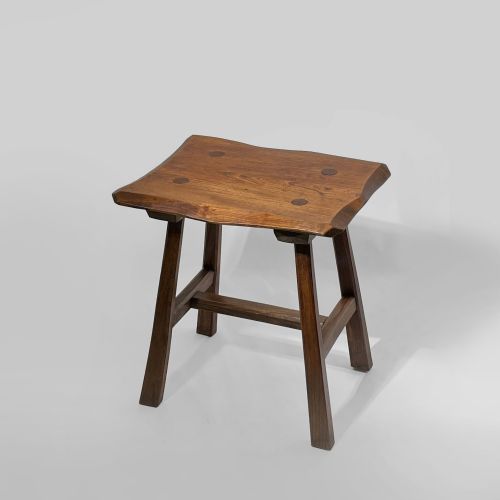
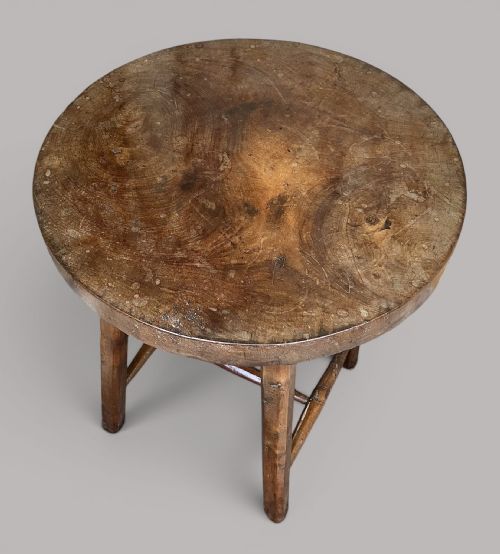
A rustic low side table encompasses low-profile occasional furniture designed for domestic utility, drawing from country workshops rather than metropolitan cabinetmakers. When exploring a rustic low side table on this page, buyers encounter forms that merge low coffee table heights with vernacular side table proportions.
The selections span from 18th-century Georgian and Welsh examples to 19th-century French provincial pieces and Edwardian adaptations. Common formats include low joint stools repurposed as stands, low coffee tables with side drawers, and small occasional tables built for daily service.
Origins vary widely across English, French, Welsh, Dutch, Austrian, and Spanish traditions, reflecting regional domestic habits. These pieces present straightforward construction, relying on solid boards and sturdy legs rather than elaborate veneering.
Materials and construction methods
Construction relies heavily on durable domestic hardwoods and softwoods, predominantly oak, elm, sycamore, ash, pine, walnut, fruitwood, and chestnut. Carpenters utilised solid timber boards for tops, often pairing sturdy oak frames with elm or pine panels.
Joinery methods demonstrate traditional vernacular techniques, featuring pegged joints, joint stools with stretcher bases, and primitive turnings. Surfaces show the marks of hand planes and scrubbed finishes rather than high-gloss French polish.
Listings feature timbers including oak, elm, pine, sycamore, ash, walnut, chestnut, and fruitwood across centuries of provincial craftsmanship.
Distinguishing quality in provincial furniture
Quality rests upon the integrity of the timber selection and the honesty of the construction, where substantial solid planks outperform patched or overly restored surfaces. Grain figures in walnut, sycamore, and figured oak elevate certain examples above standard utility pieces.
Proportion and structural balance dictate the appeal of these low tables, separating straightforward utilitarian benches from refined country furniture with carved aprons or fretted details.
The Rustic Low Side Table Glossary
- Joint stool
- A sturdy wooden stool built with mortise and tenon joints, frequently utilised as a low side table or stand in early domestic settings.
- Vernacular
- Furniture made by local craftsmen using regional styles and readily available timbers, distinct from urban high-style cabinetmaking.
- Dresser base
- The lower section of a Welsh or country dresser featuring drawers and cupboards, often adapted as a low sideboard or table.
- Gateleg table
- A table featuring hinged leaves supported by swing legs that pull out like a gate to hold the drop leaves.
- Scrubbed finish
- A weathered wooden surface resulting from repeated washing and hard scrubbing, leaving the raw grain exposed.
Rustic Low Side Table: Frequently Asked Questions
What rooms suit a rustic low side table?
These low-slung timber tables fit comfortably beside low seating in living rooms or studies, providing convenient surfaces for lamps and books without dominating the floor plan.
Their unpretentious character also allows them to function as bedside stands or hallway surfaces in homes that favour traditional or eclectic interiors.
How do I identify an 18th-century piece?
Eighteenth-century examples typically display hand-cut joinery, pegged framing, and timber surfaces showing deep patination accumulated through generations of domestic use.
Examining the underside and drawer construction reveals tool marks and timber shrinkage characteristic of early provincial workshops.
Are these tables suitable for daily use?
Built from solid hardwoods like oak, elm, and fruitwood, these pieces were originally constructed for heavy everyday labour and domestic service.
Their robust timber frames handle normal modern use easily, provided they are protected from excessive moisture and extreme temperature swings.
What is the difference between a stool and a table?
Many early low tables started life as joint stools or work benches before being repurposed or originally built with low proportions for specific household tasks.
Stools generally feature four vertical or splayed legs joined by stretchers near the floor, whereas tables incorporate wider tops supported by trestle bases, gatelegs, or four-legged frames.