
Turned Leg Low Table
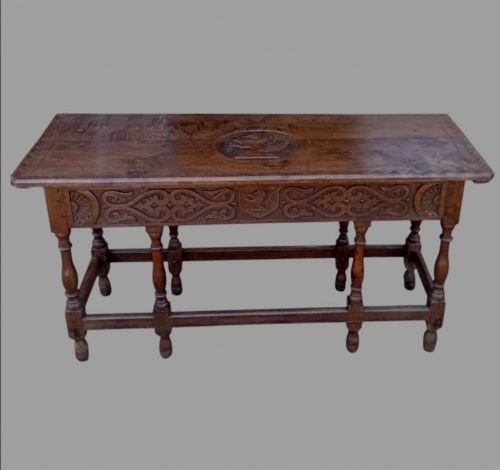
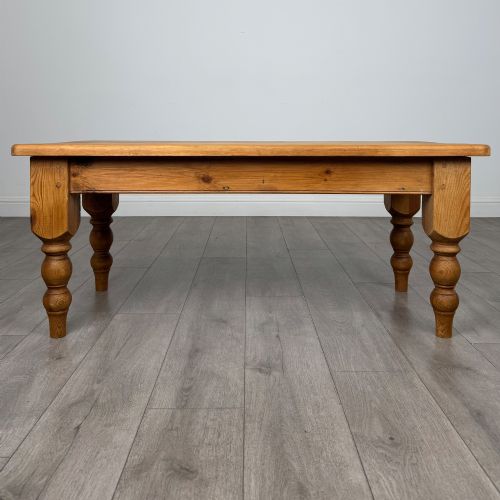
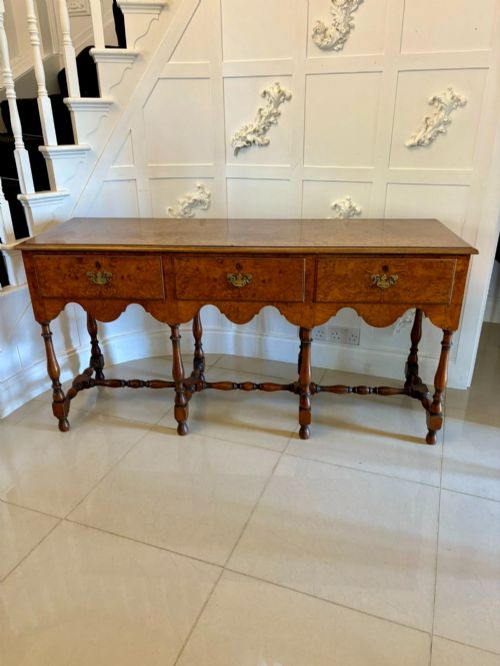
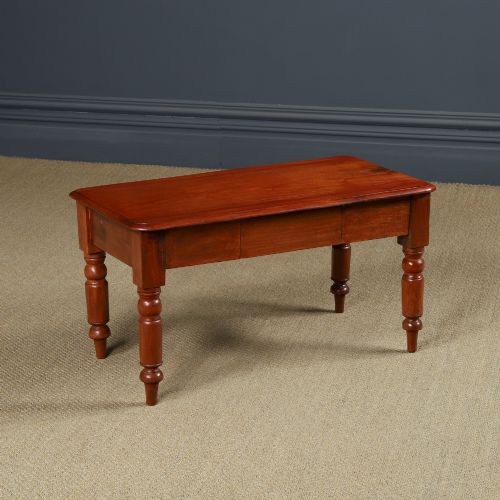
A turned leg low table brings solid timber character and low proportions to a room, spanning periods from the seventeenth century onward in oak, pine, walnut and mahogany.
Turned Leg Low Table
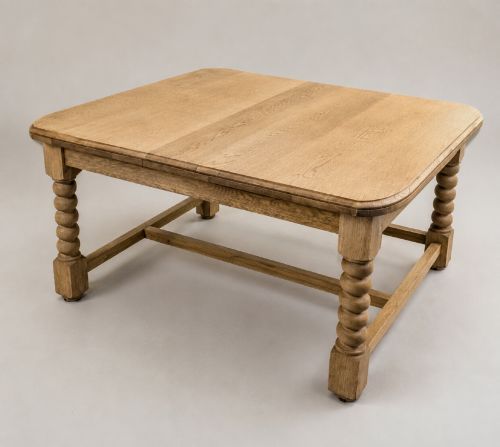
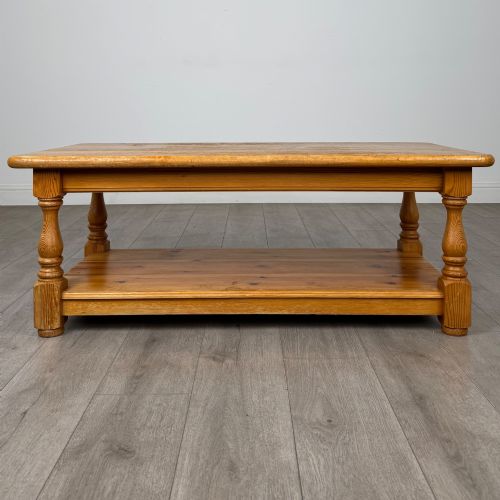
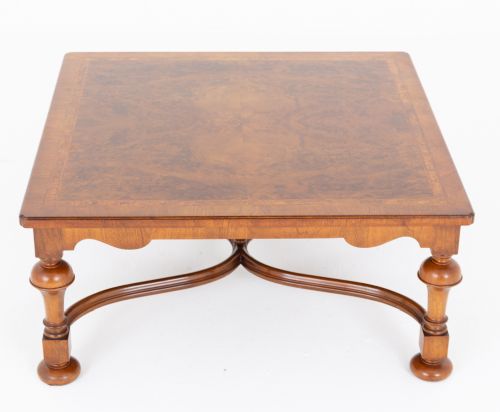
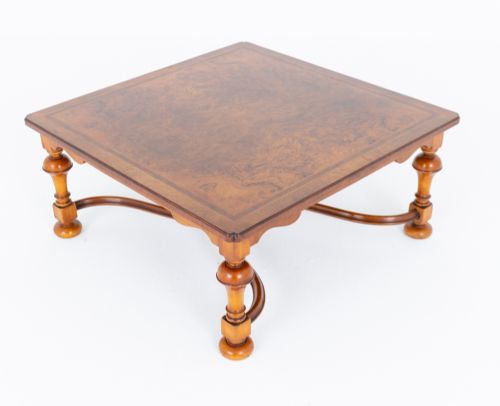
A turned leg low table combines low-level utility with structural support formed on a lathe. Buyers encounter forms ranging from rustic pine and oak coffee tables to walnut occasional pieces and joint stools adapted for modern seating areas.
The inventory on this page draws heavily from the nineteenth and twentieth centuries, alongside earlier examples in oak and walnut. Common formats include coffee tables, side tables, and low stools resting on robust turned supports.
Origins stretch across English country house styles, French provincial designs, and Jacobean revivals. These varied geographic and stylistic roots give each piece distinct proportions, timber markings, and patination.
Materials and Construction
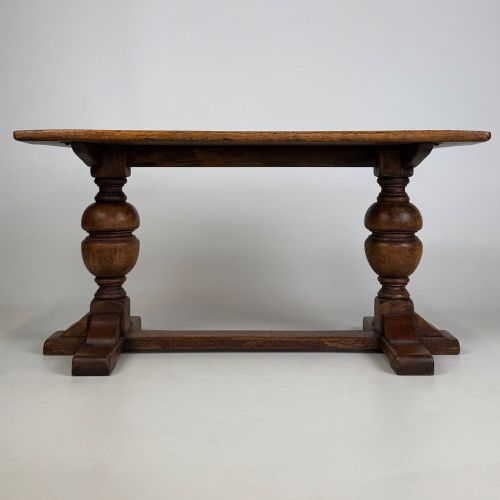
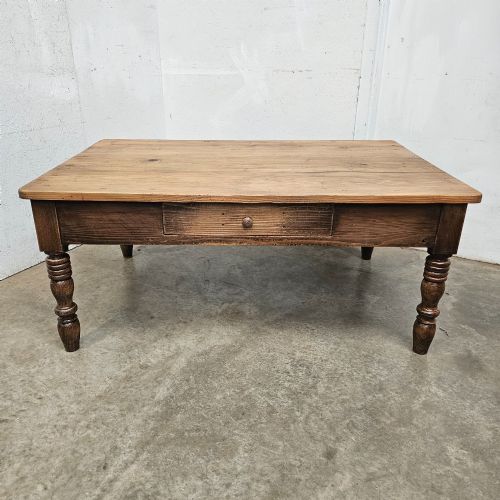
Construction relies heavily on native hardwoods and softwoods, particularly oak, pine, walnut, and mahogany. Carpenters shaped legs on lathes to produce cylindrical, baluster, or bobbin profiles, joining them to tops using traditional pegged or mortice joints.
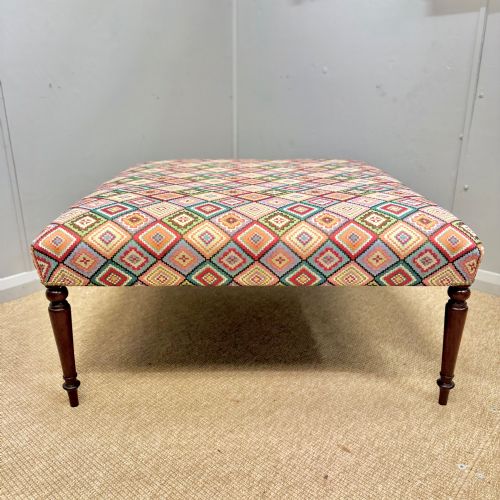
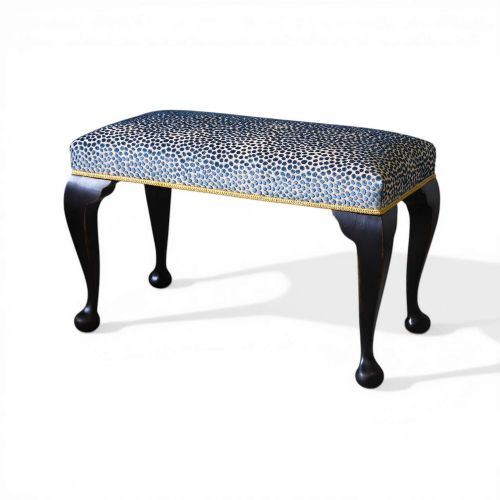
Surfaces often feature secondary woods like elm alongside the primary timber, sometimes complemented by leather inserts, fabric upholstery, or brass hardware. Finishing techniques include traditional wax polishing, bleaching, or ebonising to alter the appearance of the grain.
Listings span multiple centuries from the 17th to the 20th, utilising oak, pine, walnut, and mahogany across various coffee and side table forms.
Assessing Quality and Build
Quality reveals itself in the crispness of the lathe turning and the stability of the timber frame. Superior examples show careful selection of figured walnut or quarter-sawn oak, where grain patterns align harmoniously across the top and legs.
Construction integrity separates standard utility pieces from finer items. Well-made tables retain tight joinery, original stretcher supports, and appropriate timber shrinkage without excessive modern intervention or replacement components.
The Turned Leg Low Table Glossary
- Joint Stool
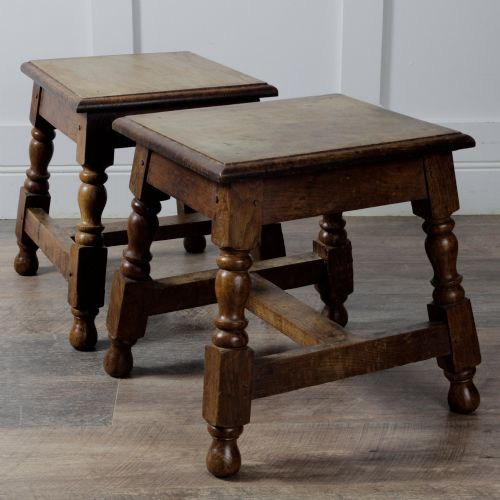
- A sturdy wooden stool constructed with mortice and tenon joints, frequently utilised as a low table in current settings. These pieces often display heavy oak framing and characteristic turned supports.
- Dresser Base
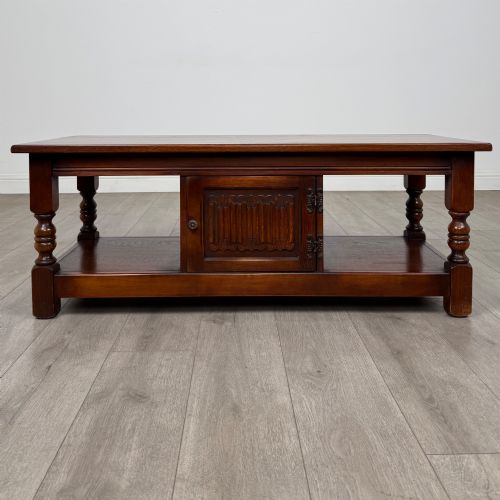
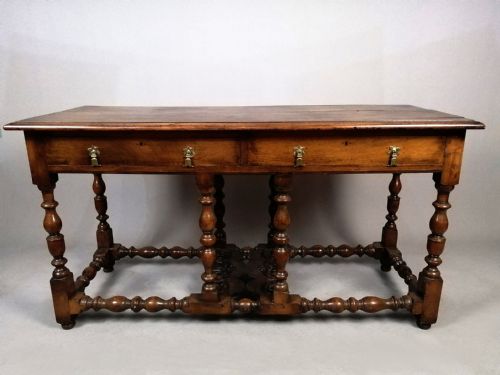
- A low sideboard or serving table featuring drawers or cupboards beneath a main surface. Examples often incorporate turned legs or potboard shelves for open storage.
- Potboard
- An open lower shelf fitted beneath a table or dresser base, traditionally used for storing pottery and heavy kitchen utensils. This structural element provides additional lateral stability to the legs.
- Quarter-Sawn
- Timber cut radially from the growth rings to produce a distinctive medullary ray grain pattern. This method yields stable boards less prone to warping.
- Patina
- The surface sheen and colour acquired by timber through decades of handling, light exposure, and waxing. It indicates age and consistent use.
Turned Leg Low Table: Frequently Asked Questions
What is a turned leg low table used for?
These pieces function primarily as coffee tables, low display surfaces, or occasional tables beside seating. Their reduced height suits contemporary living rooms where traditional tall furniture proves impractical.
Buyers also utilise sturdy low stools and joint stools as flexible surface space for books or drinks. Their compact footprints allow them to fit easily into smaller interior spaces.
How do I identify the wood type?
Oak displays prominent growth rings and silver flecks known as medullary rays, especially in quarter-sawn boards. Walnut offers a richer, darker brown tone with sweeping, fluid grain patterns.
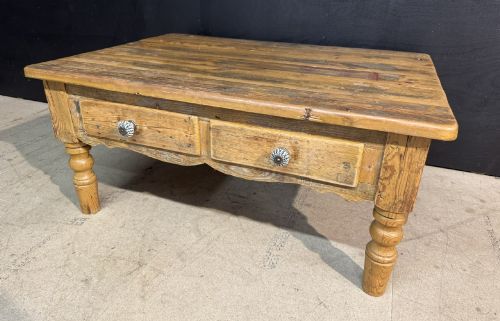
Pine is lighter in weight with knots and a softer golden hue, while mahogany presents a reddish-brown colour with a straight, fine grain. Examining the underside often reveals the unpolished timber clearly.
How do I date a turned leg low table?
Dating relies on examining construction methods, tool marks, timber shrinkage, and design styles. Seventeenth and eighteenth-century pieces typically show hand-split boards, pegged joints, and heavy patination.
Nineteenth-century and Edwardian examples often incorporate machine-sawn elements, standardised fixings, or revival styles like Jacobean and Carolean. Comparing the turning profile against known period furniture helps narrow the manufacturing era.
Are these tables suitable for daily use?
Solid timber construction makes these pieces durable for everyday domestic environments. Hardwoods like oak and walnut handle regular placement of cups and books without structural strain.
Routine maintenance involves applying appropriate beeswax to nourish the timber surface and protect against moisture. Simple coasters prevent ring marks on antique polished finishes.