




18th Century Tavern Table
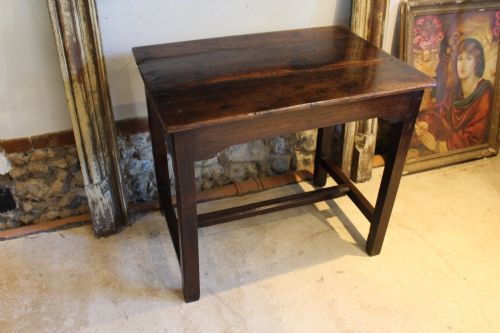
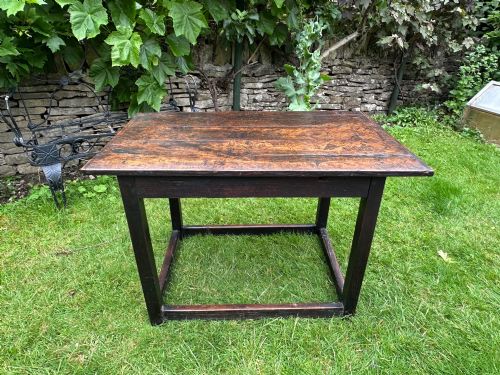
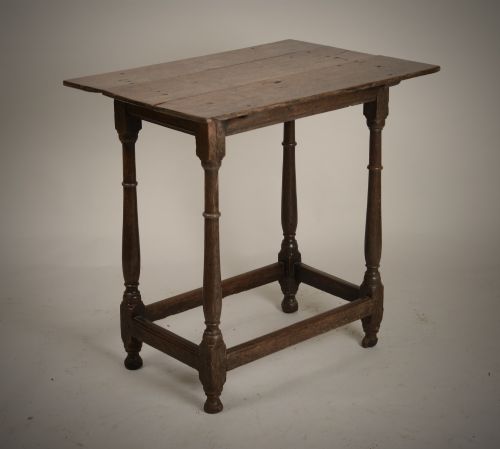
An 18th century tavern table brings robust everyday utility and rich aged timber into a modern interior.
18th Century Tavern Table
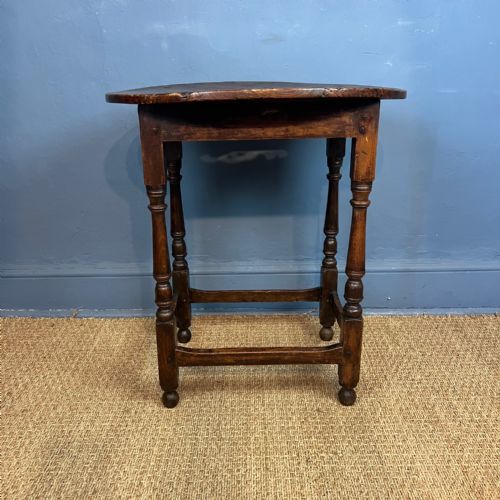
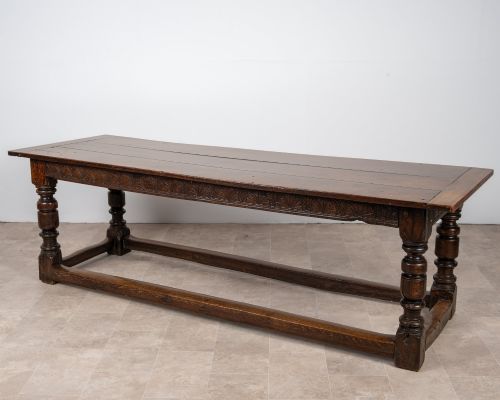
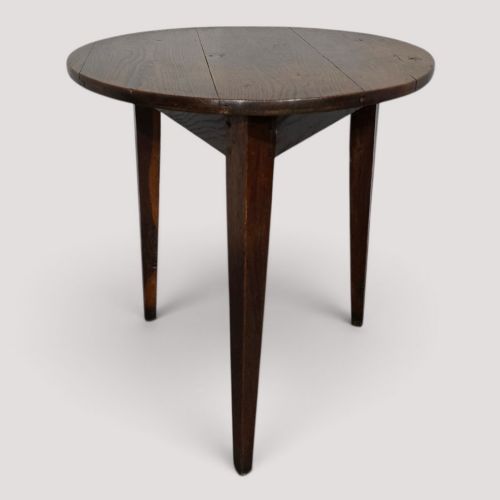
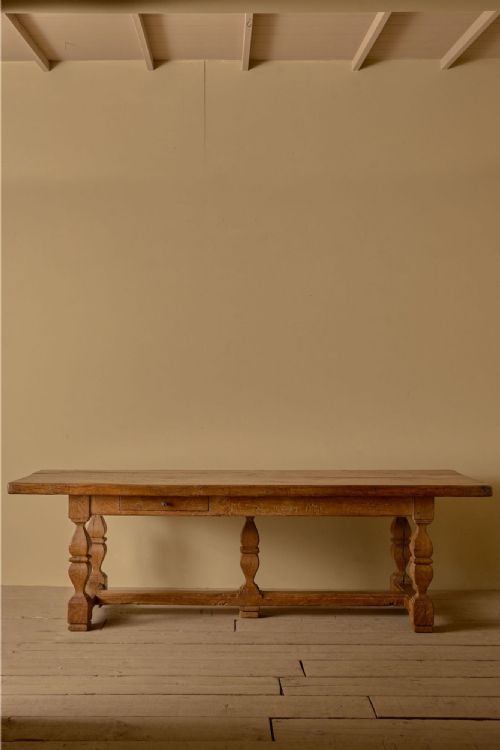
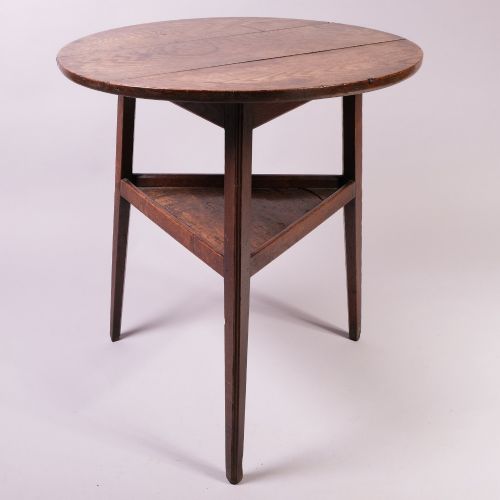
When you search for an 18th century tavern table, you encounter sturdy utilitarian surfaces constructed for heavy use in public houses and domestic kitchens. These pieces span periods from the early 18th century through the Georgian era and around 1800, appearing also in regional guises such as cricket tables and refectory formats.
The version you are most likely to meet on this page is an oak example, often originating from English or Welsh workshops, featuring plank tops and simple stretcher bases. Alongside these, French provincial and Spanish styles emerge in walnut, ash, elm, and yew wood, reflecting varied regional demands.
Forms extend beyond traditional tavern formats to include side tables, occasional tables, coaching tables, and low coffee tables. Their survival relies entirely on the honest thickness of their timber and the straightforward carpentry of provincial makers.
Materials and construction methods
Joinery on these pieces relies on sturdy pegged joints, mortise and tenon framing, and heavy plank construction designed to withstand decades of movement and heavy weight. Timber selection prioritised local availability, resulting in robust native hardwoods like oak, elm, ash, and walnut.
Makers utilised straight-grained oak for structural integrity, often pairing it with softer pine or resilient elm for tops and secondary components. Surface finishing involved simple wax or oil applications that built up deep patinas over centuries of daily handling.
18th Century Tavern Table Retail Price Guide 2026
Typical asking prices for 18th century tavern table among the pieces listed under this phrase on Sellingantiques today, from the lower quarter to the upper quarter. They describe what is for sale here now, not the wider market.
Many tables bear the accidental burn marks and knife scars left by centuries of tavern patrons.
Factors that define quality
The degree of original surface preservation separates standard examples from exceptional survivals, particularly where centuries of scrubbing have left deep patination and warm colour. Evidence of untouched timber, minimal structural timber replacement, and original pegging determine the integrity of each piece.
The 18th Century Tavern Table Glossary
- Cricket table
- A small three-legged round table, typically constructed from oak or ash, designed for uneven floors in period cottages.
- Plank top
- A table surface formed from wide boards of solid timber joined edge to edge, characteristic of vernacular furniture.
- Patina
- The lustrous surface sheen developed on wood through decades of wear, polishing, and exposure to light.
- Stretcher
- A horizontal timber connecting the legs of a table to provide structural rigidity and prevent wobble.
- X frame
- A structural base design formed by intersecting diagonal braces beneath the tabletop for added support.
18th Century Tavern Table: Frequently Asked Questions
What is an 18th century tavern table?
These pieces are sturdy, utilitarian tables built for commercial drinking houses and rural homes during the 1700s. They were designed for heavy daily use rather than formal entertaining.
Constructed mainly in solid oak, elm, and ash, they feature straightforward joinery and thick plank tops intended to endure generations of rough treatment.
How were tavern tables used?
In period taverns and inns, these tables served patrons for eating, drinking, and community gatherings. Their robust construction handled crowded rooms and spilled liquids with ease.
In domestic farmhouse kitchens, the same tables functioned as food preparation surfaces and general work tables for the household.
How do I care for an antique oak table?
Keep the wood nourished by applying natural beeswax periodically, avoiding silicone-based sprays that damage aged finishes. Protect the surface from excess moisture and direct heat sources.
Allow the timber to breathe within a stable indoor environment to prevent shrinkage splits or warping in the old planks.
How can I tell an 18th century table from a later copy?
Examine the underside of the top and the joinery for hand-cut marks, pegged tenons, and natural wear patterns consistent with age. Genuine examples show shrinkage gaps and uneven colouration developed over centuries.
Look for honest patination and timber movement that machine-made reproductions simply cannot replicate authentically.