


Traditional Pub Table
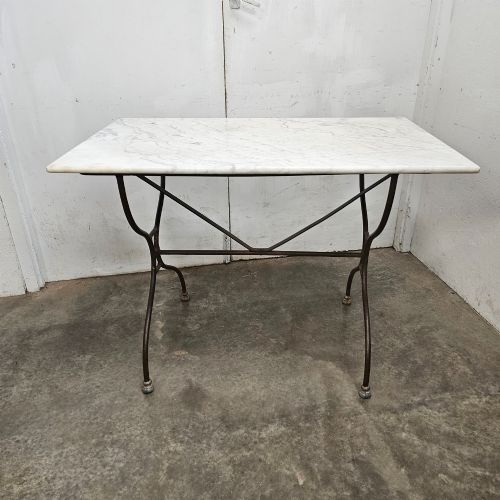
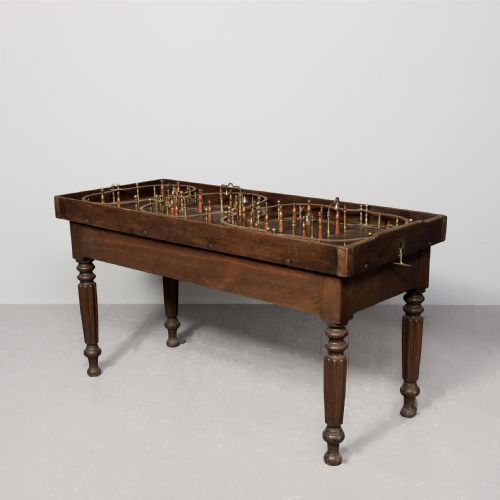
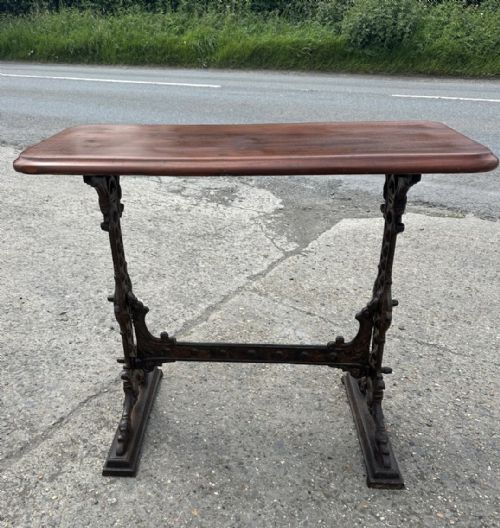
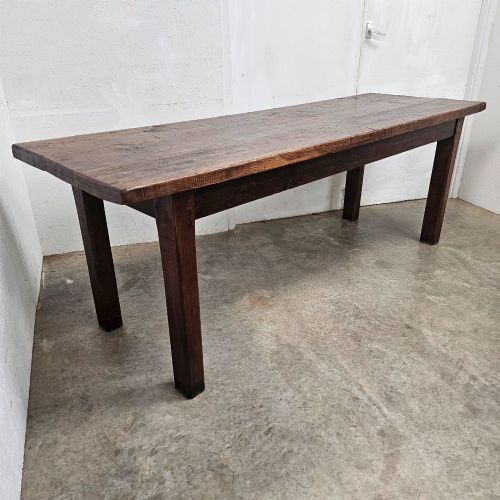
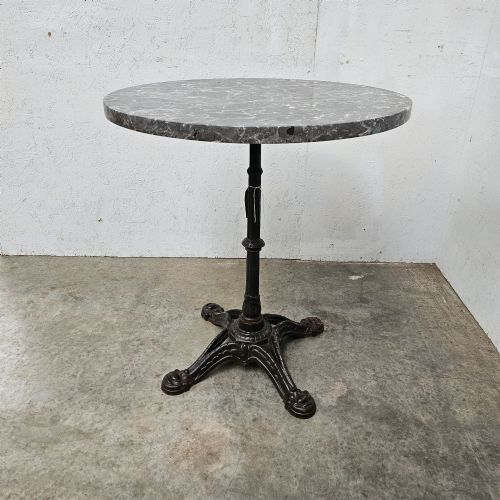
These traditional pub table pieces bring robust tavern character into a room, offering sturdy timbers and heavy cast iron bases built for daily use.
Traditional Pub Table
When you search for a traditional pub table, you find heavy utilitarian furniture designed for public houses and taverns. The selections on this page span the Georgian, Victorian, and Edwardian eras, alongside pieces from around 1900.
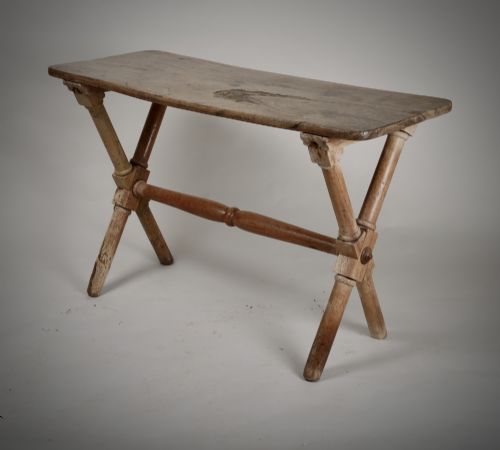
You are most likely to meet sturdy tavern tables and bistro tables featuring thick wooden surfaces supported by cast iron or timber bases. These objects include forms like trestle tables, centre tables, and occasional pieces originating from English and French traditions.
The materials reflect practical utility, combining robust woods with metal frames that withstand heavy daily service. Many examples show the clear marks of their original commercial environments through honest wear and rich patina.
How they were made
Construction relies on solid timbers such as oak, mahogany, pine, elm, and general hardwood joined to heavy cast iron framing. Makers utilised thick wooden tops designed to endure relentless wear in bustling social settings.
Metalwork played a vital structural role, particularly in the cast iron bases that gave these tavern tables stability and weight. Detail work often involved simple turned wooden legs, trestle supports, or distinctive cast iron frames.
Finishes developed naturally through decades of use, highlighting the grain of the wood and the industrial character of the metal components.
The site listings feature oak, pine, mahogany, elm, and cast iron across Georgian, Victorian, and Edwardian periods.
What varies in quality
Quality rests in the substance of the materials and the integrity of the original construction rather than surface ornamentation. Tables featuring thick, substantial timber tops paired with heavy, well-cast iron bases occupy the upper end of the range.
Proportion and stability separate standard utility pieces from finer examples. Well-balanced frames and honest, undisturbed patinas on both wood and metal indicate superior original manufacture and careful survival.
The Traditional Pub Table Glossary
- Tavern table
- A sturdy wooden table traditionally used in public houses for drinking and dining. These pieces typically feature robust legs and thick tops built for heavy commercial use.
- Britannia pub table
- A popular nineteenth-century table design featuring a heavy cast iron pedestal base, often moulded in the shape of Britannia. The iron base provides exceptional stability for public house seating.
- Patina
- The surface sheen and colour developed by wood and metal over decades of handling and use. A rich patina shows the authentic age and history of the piece.
- Trestle table
- A table construction where the top is supported by two or more upright frame assemblies connected by a horizontal beam. This design offers robust support and generous leg room.
Traditional Pub Table: Frequently Asked Questions
What is a traditional pub table?
A traditional pub table is a sturdy piece of furniture originally built for taverns and public houses, combining heavy timber tops with robust wooden or cast iron bases.
These tables were designed to withstand heavy daily use in social environments, resulting in durable construction and practical proportions.
How were pub tables used?
Pub tables served as communal surfaces for drinking, dining, and social gatherings in bustling commercial establishments.
Their substantial weight and sturdy frames ensured they remained stable on uneven floors while accommodating patrons throughout the day.
How do I live with a pub table?
Living with a pub table involves embracing its robust character and everyday utility as a dining or occasional surface.
Their durable construction makes them well-suited to modern living spaces, where their historical patinas add warmth and authenticity to a room.
How do I identify the period?
Identifying the period depends on examining the construction techniques, timber choices, and base designs typical of Georgian, Victorian, or Edwardian manufacturing.
Cast iron components, specific wood species, and overall joinery styles provide clear indicators of when a table was made.