




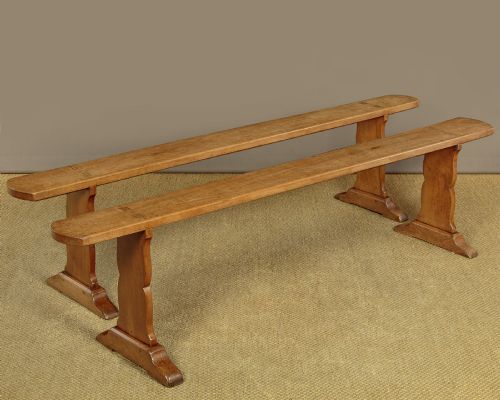
Rustic Wooden Bench Table
A rustic wooden bench table brings centuries of practical utility and honest craft into a room, spanning forms from dairy prep tables to long refectory benches.
Rustic Wooden Bench Table
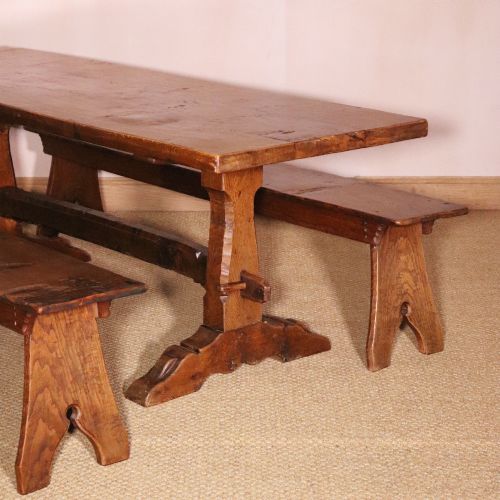
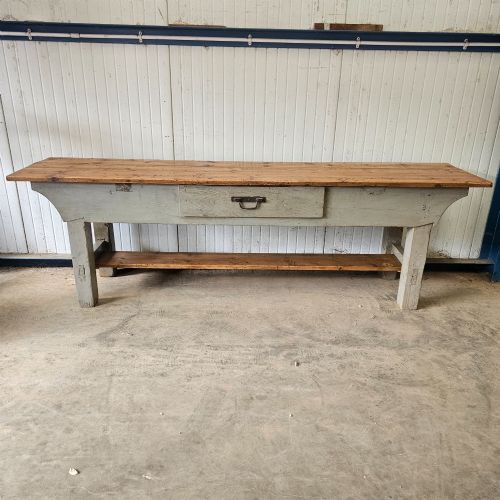
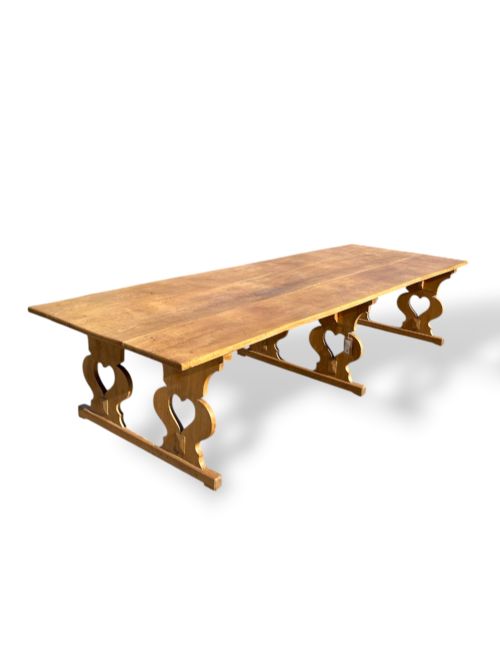
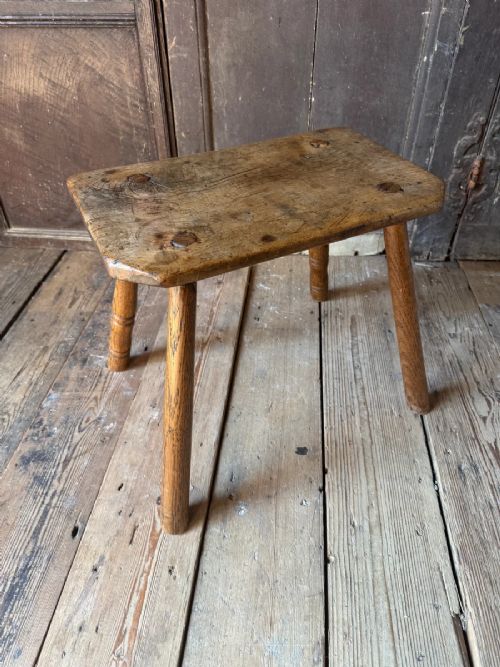
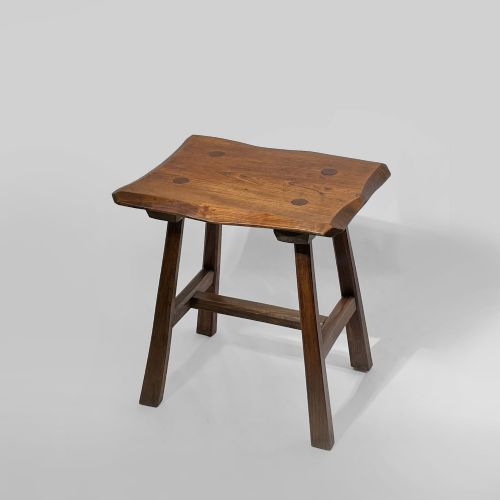
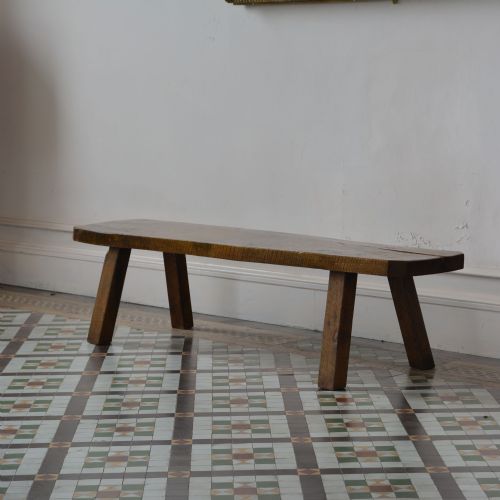
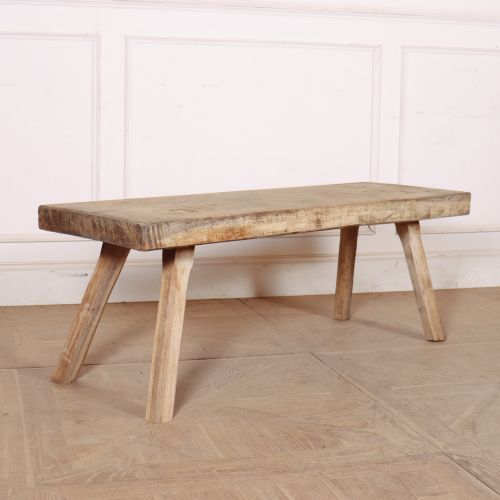
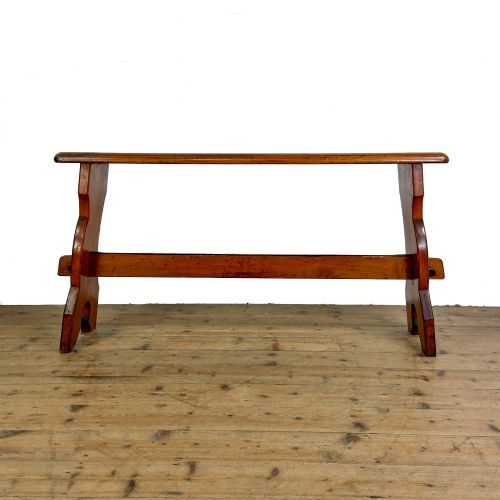
A rustic wooden bench table encompasses robust utilitarian furniture originating from domestic, agricultural and workshop settings across various periods. These pieces include low coffee tables adapted from pig benches, narrow dairy prep tables, and heavy oak refectory benches with trestle ends.
Buyers seeking this phrase encounter sturdy creations formed from pine, oak, elm and sycamore, dating from the eighteenth century through to the early twentieth century. Many items retain original paint or unpretentious surfaces that reflect their hard-working origins in farmhouses, dairies and artisans' workshops.
Materials and construction
Construction relies heavily on domestic hardwoods and softwoods such as oak, pine, elm and sycamore, often joined using traditional pegged methods or heavy trestle supports. Artisans utilised thick planks and sturdy frames designed to withstand daily physical labour, from cheese pressing to carpentry.
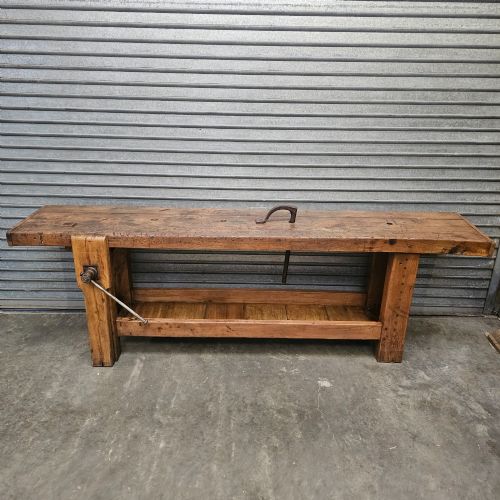
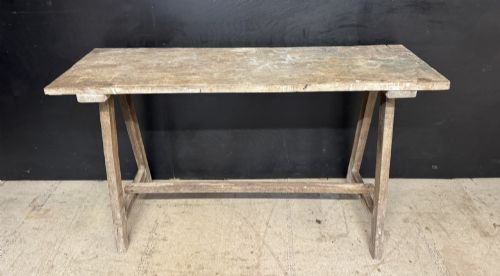
Surfaces frequently show the honest marks of tools, visible grain patterns, and occasionally traces of original paint, verdigris copper or dark polish. Iron hardware, vices and brackets appear on pieces derived from trade workshops, adding structural strength to the timber.
Rustic Wooden Bench Table Retail Price Guide 2026
Typical asking prices for rustic wooden bench table among the pieces listed under this phrase on Sellingantiques today, from the lower quarter to the upper quarter. They describe what is for sale here now, not the wider market.
Several heavy workbenches retain their original iron vices, ready to clamp down on mail rather than timber.
Assessing quality and character
Quality rests in the integrity of the timber, the honesty of the proportions, and the depth of surface patina accumulated through decades of use. Pieces retain greater appeal when their original structural joints remain sound and alterations are minimal.
The distinction between ordinary and exceptional examples lies in the harmony of the timber species, such as figured elm or dense old-growth oak, paired with untouched surface wear that tells a clear story of its past function.
The Rustic Wooden Bench Table Glossary
- Pig bench
- A low, narrow wooden table traditionally used in agricultural butchery, now commonly utilised as a coffee table due to its elongated proportions. These pieces typically feature thick timber tops and simple four-leg or trestle bases.
- Refectory table
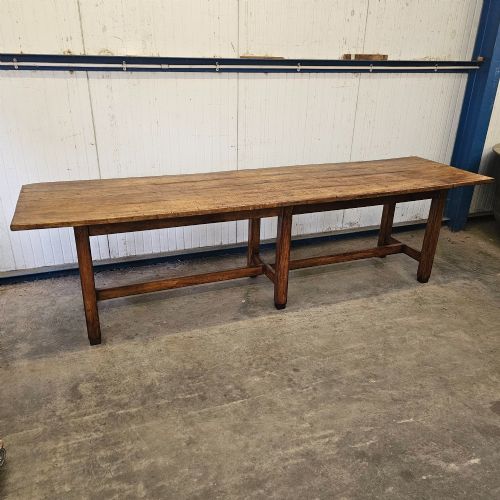
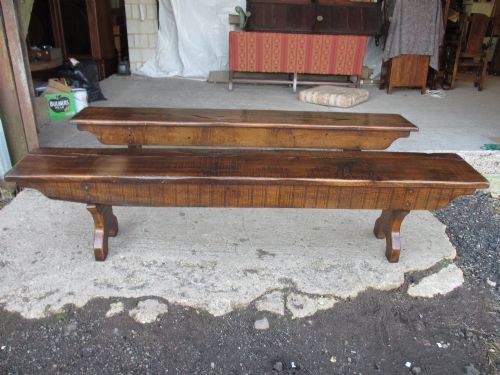
- A long dining table traditionally found in monasteries and large halls, often constructed with sturdy trestle ends and thick stretchers. Examples associated with this search frequently incorporate matching bench forms.
- Workbench
- A heavy-duty table fitted with vices and tool trays, designed for carpentry, artisan trades, or floristry. Their robust construction makes them popular as statement kitchen islands or console tables.
- Patina
- The surface sheen and colour depth developed on wood through years of handling, polishing, and natural ageing. A desirable patina shows genuine wear rather than artificial distress.
- Pegged construction
- A method of joining wooden components using tight wooden pins rather than modern metal fasteners. This traditional technique allows timber to expand and contract naturally with humidity changes.
Rustic Wooden Bench Table: Frequently Asked Questions
What is a pig bench table?
A pig bench is a narrow, low-profile wooden form originally built for agricultural use on farms. Today, these sturdy items function well as coffee tables or narrow console displays.
Their elongated proportions and thick timber tops suit modern living spaces that require character without excessive bulk.
How do I date a rustic wooden table?
Dating relies on observing construction methods, tool marks, timber shrinkage, and overall wear patterns. Hand-sawn boards and pegged joints usually indicate older eighteenth or nineteenth-century origins.
Later pieces from the Edwardian era or early twentieth century often display machine-assisted cuts alongside traditional joinery techniques.
Are these tables suitable for daily dining?
Many sturdy forms, including refectory tables, tavern tables and prep surfaces, provide ample stability for daily meals. Their robust pine, oak or elm construction handles regular use comfortably.
Buyers should check the height clearance beneath the aprons to ensure standard dining chairs fit underneath properly.
How do I care for antique pine and oak?
Maintenance involves dusting with a dry cloth and occasionally applying natural beeswax to nourish dry timber. Avoid placing these pieces near direct heat sources to prevent wood splitting.
Protecting surfaces from excessive moisture preserves the original finish and historical patina built up over generations.