





Rustic Hand Woven Carpet
These rustic hand woven carpet examples bring tactile tribal character to floors through honest village weaving traditions.
Rustic Hand Woven Carpet
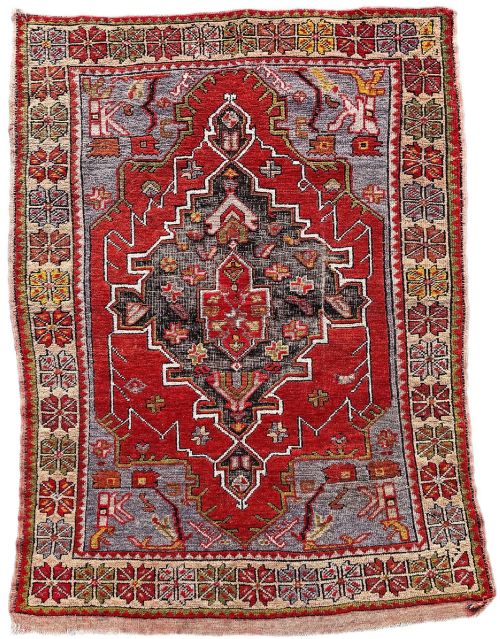
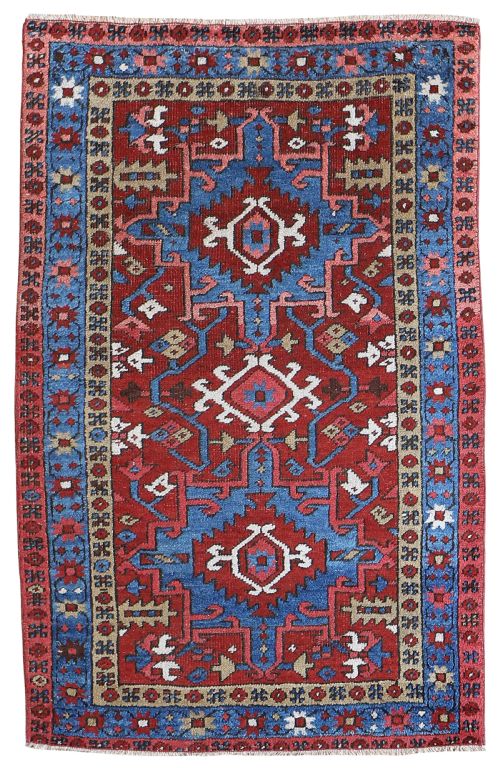
A rustic hand woven carpet brings together nomadic village weaving traditions and resilient floor coverings shaped by tribal makers. When you search for a rustic hand woven carpet, you are looking at floor textiles made in regions such as Persia, Anatolia and the Caucasus during the nineteenth and early twentieth centuries. The pieces on this page span the 1880s through to the 1930s, encompassing tribal formats like Baluch, Heriz, Shiraz, Kurdish and Turkish village rugs.
You will encounter smaller formats alongside area rugs and runners, reflecting the practical output of nomadic and village workshops. These textiles were produced for domestic floor use, bedding or storage, which explains the survival of bag face cushions alongside larger room carpets. The visual language relies on geometric motifs, tribal emblems and abrash colour variations rather than precise court designs.
The most common variants met on this page are tribal rugs originating from Persian and Anatolian weaving groups. These pieces frequently show the heavy wool pile, unrefined handle and asymmetric borders characteristic of rural production. Collectors value this group for the direct connection it maintains to indigenous weaving methods before mass commercialisation altered village outputs.
Materials and construction
The foundation of these textiles rests on natural materials, predominantly wool and cotton, with occasional uses of camel wool for durability and tone. Spinners prepared the wool by hand, resulting in irregular yarn thicknesses that impart a distinctive textural rhythm across the surface. Dyes were traditionally derived from local flora and fauna, yielding saturated earth tones that age gracefully.
Weavers constructed these pieces on portable vertical or horizontal looms using hand knotting techniques passed down through generations. The knot density varies considerably because production occurred in domestic tents and village homes rather than centralised urban manufactories. Finishing touches included overcast edges and secured ends, executed with the same utilitarian mindset.
Rustic Hand Woven Carpet Retail Price Guide 2026
Typical asking prices for rustic hand woven carpet among the pieces listed under this phrase on Sellingantiques today, from the lower quarter to the upper quarter. They describe what is for sale here now, not the wider market.
Several rugs retain the dust and charm of distant village floors, whispering tales of nomadic campfires.
Distinguishing quality in village weaving
Quality in these textiles resides in the integrity of the materials and the vitality of the tribal design expression rather than mechanical perfection. A superior piece demonstrates purposeful yarn selection, where hand-spun wool and natural dye variations create depth and movement across the field. The handling of secondary elements, such as sturdy foundational warps and secure edge bindings, determines the structural longevity of the weave.
The distinction between standard village production and finer examples lies in the execution of the tribal motifs and the balance of the composition. While minor irregularities are inherent to hand-woven items, top-tier pieces retain a crispness in their geometric drawing and a harmonious palette. The character of the pile, whether dense camel wool or well-trodden village wool, dictates how the texture ages underfoot.
The Rustic Hand Woven Carpet Glossary
- Abrash
- A natural variation in rug pile colour caused by changes in dye batches or hand-spun wool lots. This subtle striping adds visual depth to the field.
- Bag face
- The decorative front panel of a utilitarian nomadic storage bag, preserved as an independent small textile. These pieces often feature concentrated tribal iconography.
- Warp
- The vertical foundation threads stretched lengthwise on the loom before knotting begins. Weft threads pass horizontally between these structural elements.
- Pile
- The upright yarn surface of a rug formed by cut knot loops. This tactile layer absorbs wear and displays the primary design.
Rustic Hand Woven Carpet: Frequently Asked Questions
How do I care for a vintage village rug?
Vacuum gently without using a rotating brush roll to protect the wool pile from unnecessary friction.
Keep the rug out of direct sunlight to prevent natural dyes from fading prematurely over the years.
What is camel wool used for?
Camel wool provides exceptional durability and a naturally warm, un-dyed brownish tone in select tribal pieces.
Weavers utilised this robust fibre in areas requiring extra resilience against heavy daily domestic traffic.
Can I place these rugs in high traffic areas?
Sturdy village weaves handle moderate foot traffic well thanks to dense wool construction and strong foundations.
Use a quality rug underlay to prevent slipping and reduce fibre abrasion on hard floors.
How do I identify tribal designs?
Tribal designs feature repeated geometric motifs, stylised animals and symbolic tribal markers rather than floral curves.
These patterns reflect the specific heritage and regional traditions of the weaving group that produced them.