
Rustic Glazed Pine Cabinet
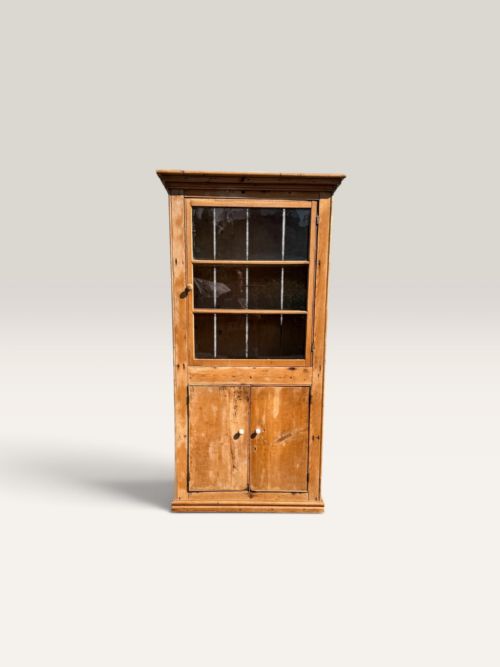
A rustic glazed pine cabinet brings warmth and practical storage to a room, offering glass-fronted display alongside sturdy timber construction.
Rustic Glazed Pine Cabinet
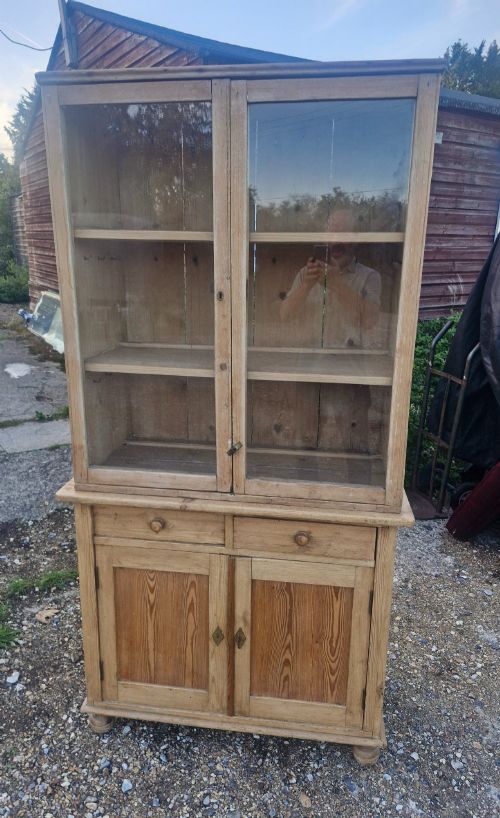
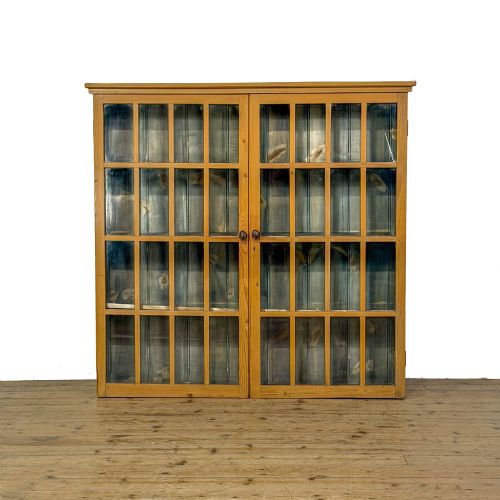
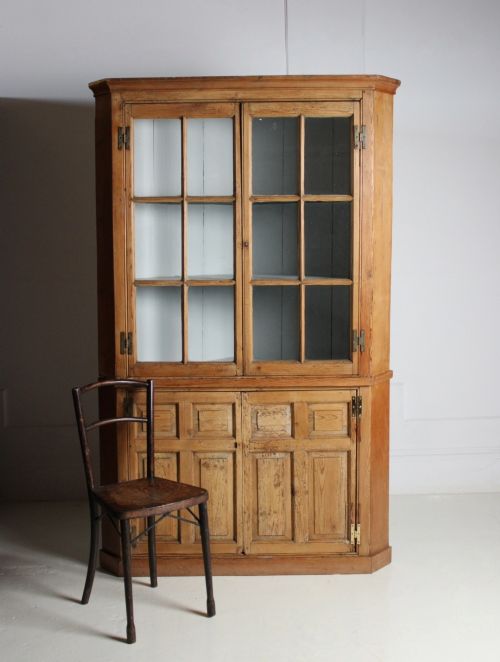
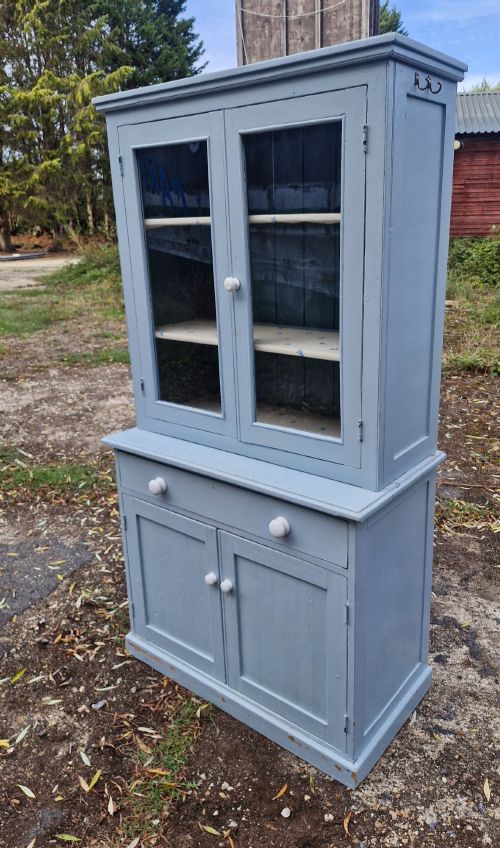
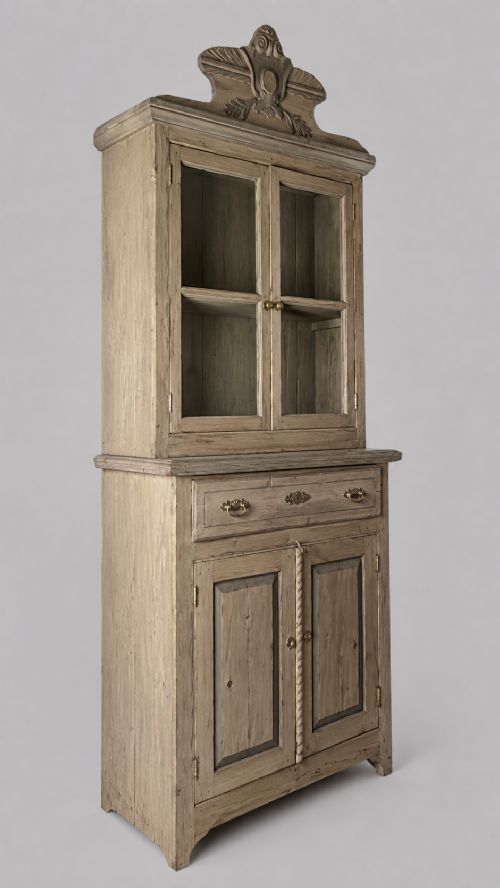
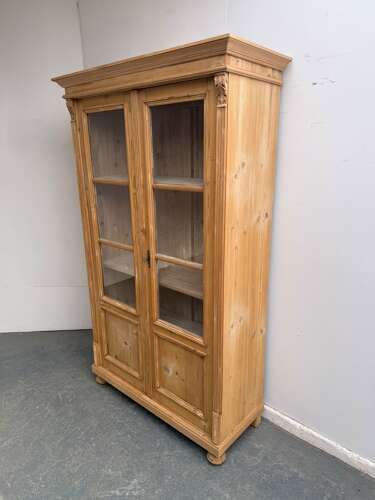
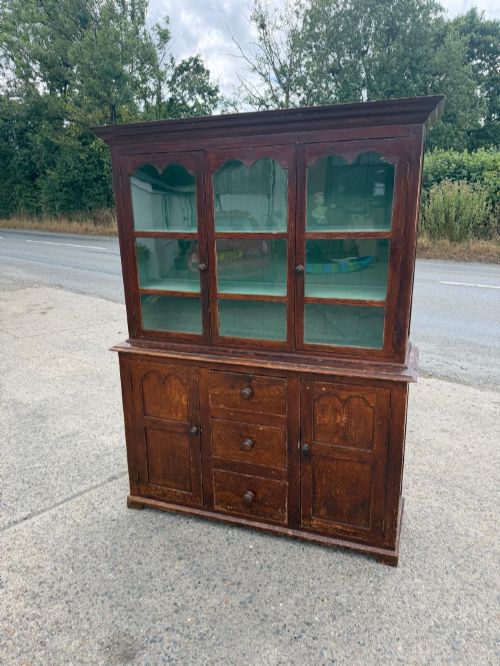
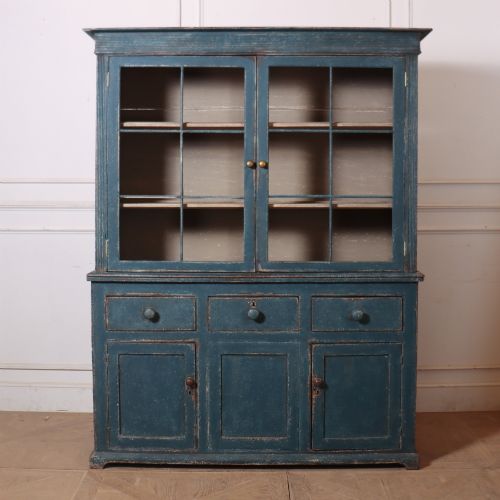
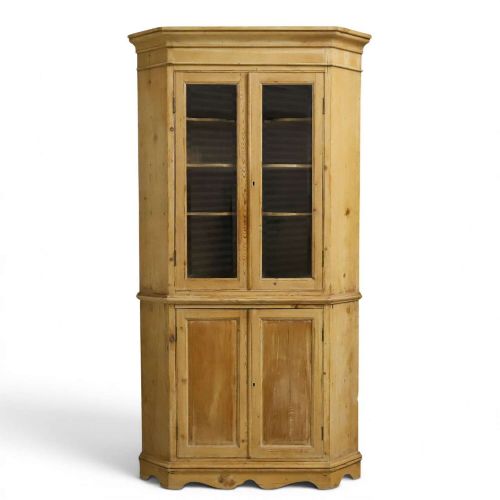
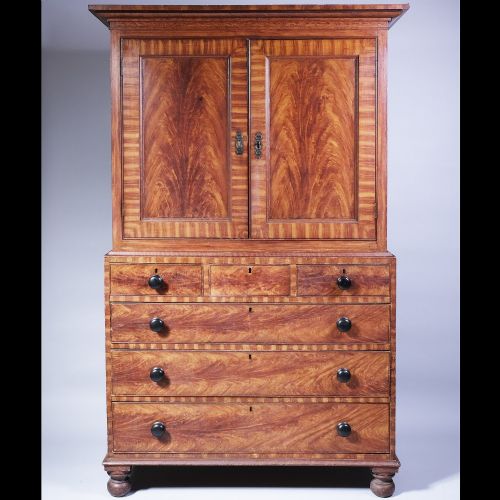
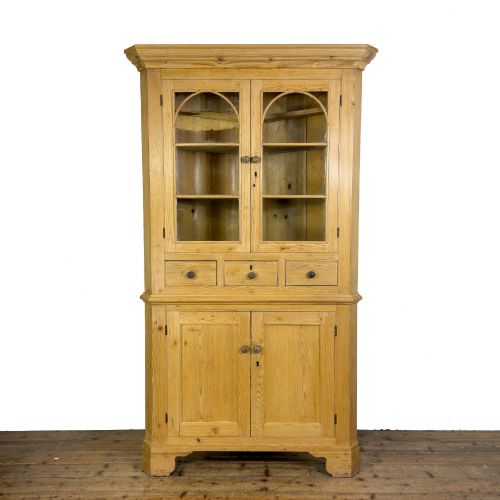
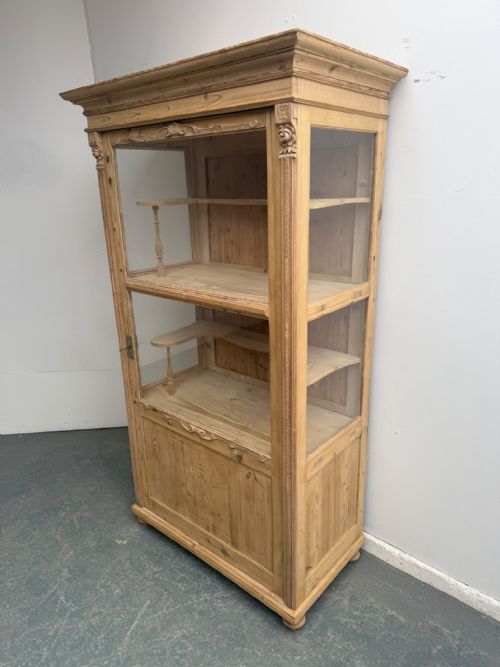
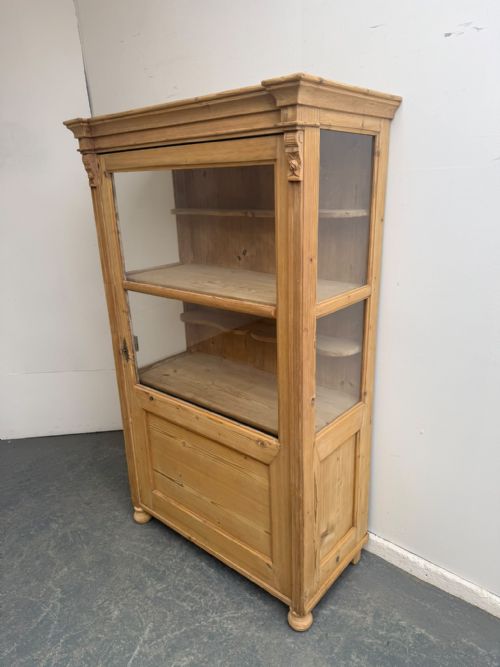
When searching for a rustic glazed pine cabinet, buyers encounter a variety of forms including kitchen dressers, corner cupboards, two-part kitchen cabinets, and flat display cases. These pieces largely date from the nineteenth century and the Victorian era, reflecting practical domestic storage needs of the period.
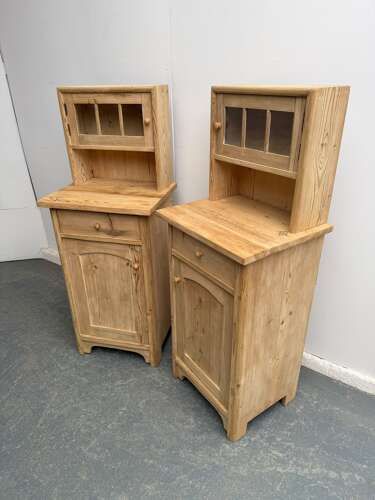
The selection ranges from tall two-part housekeepers cupboards and gun cabinets to smaller bedside cabinets and kitchen cupboards. Regional variations emerge across English, French, Hungarian, and Eastern European pieces, spanning styles from Victorian country to rustic farmhouse.
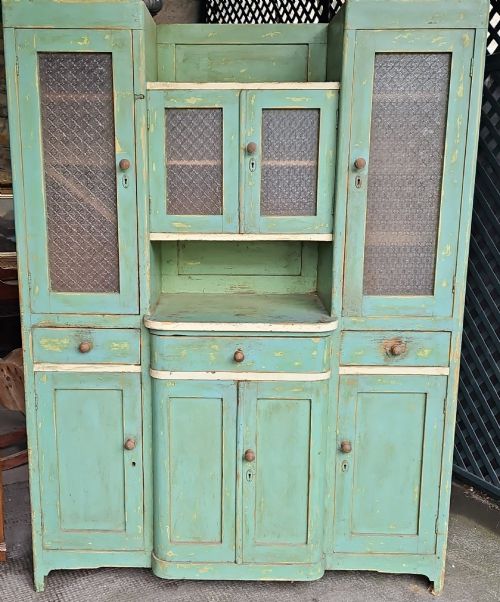
Buyers are most likely to meet two-part configurations and corner cupboards fitted with glass doors. Surfaces appear either stripped to the natural timber, waxed, or finished in original paint, scumble paint, and cream and teal tones.
Assessing quality in pine cabinets
Quality in these cabinets rests upon the integrity of the timber framing, the retention of original glass, and the survival of early or original paint surfaces. Pieces that retain their authentic backboards, internal shelves, and period hardware hold greater integrity than those with extensive modern replacements.
Construction methods such as traditional joinery in two-part forms distinguish sturdier utility cupboards from lighter decorative items. The character of the timber, whether richly grained pitch pine or old deal bearing honest wear, dictates the visual depth of the piece.
One vintage pine cupboard carries later sign-writing advertising Hovis Bread.
The Rustic Glazed Pine Cabinet Glossary
- Scumble paint
- A decorative surface technique involving semi-translucent glazes dragged or brushed over a base coat to simulate finer wood grains or create mottled texture. This finish appears on nineteenth-century housekeeping cupboards.
- Pitch pine
- A dense, resinous variety of pine timber known for prominent growth rings and durability. It was frequently utilised in nineteenth-century cabinetry.
- Two-part form
- A piece of furniture constructed in upper and lower sections that separate for transport. This design facilitates the movement of large dressers and kitchen cupboards.
- Upstand
- A vertical board rising above the back or sides of a smaller cabinet or bedside piece. It prevents items from sliding off the top surface.
Rustic Glazed Pine Cabinet: Frequently Asked Questions
How do I date a pine cabinet?
Dating relies on construction details, timber characteristics, and hardware styles. Nineteenth-century examples often display hand-cut joints and older glass panes.
Paint layers and surface wear also offer clues to age, though many pieces were refinished or stripped during later periods.
What is a two-part cabinet?
A two-part cabinet consists of a separate upper glazed section resting upon a lower base cupboard or dresser. This modular construction made heavy furniture manageable to transport into domestic kitchens.
Many nineteenth-century dressers and housekeepers cupboards utilise this practical format.
Are original painted finishes common?
Original painted finishes survive on certain regional dressers and cupboards, showing historical layers of cream, teal, or scumble glaze. Other pieces have been stripped down to reveal the bare pine beneath.
Paint history significantly affects the visual character and authenticity of country furniture.
Where were these cabinets made?
These pieces originate from various regions including English counties like the West Country, alongside European workshops in France, Hungary, and Eastern Europe. Local vernacular traditions influenced the proportions and decorative details of each piece.
Regional styles range from straightforward farmhouse furniture to more refined provincial designs.