
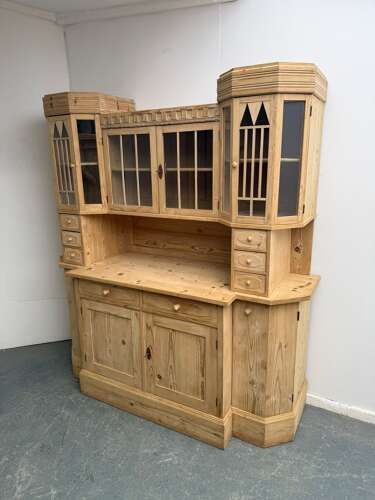
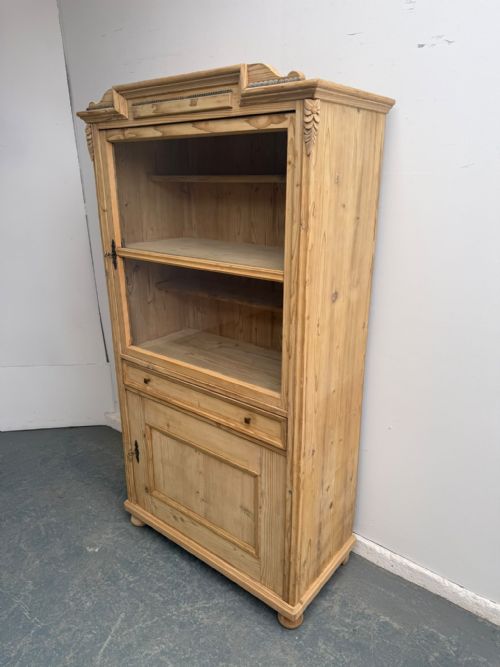
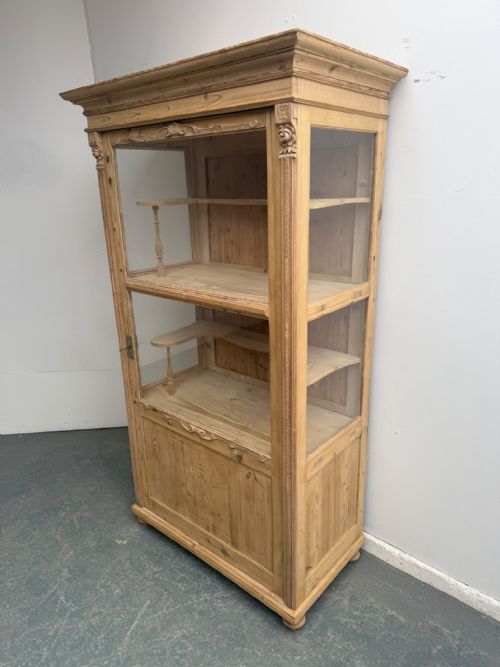
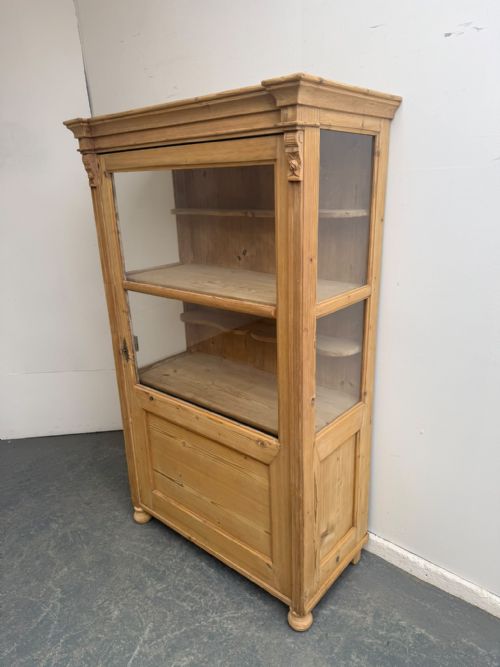


Freestanding Glazed Pine Cabinet
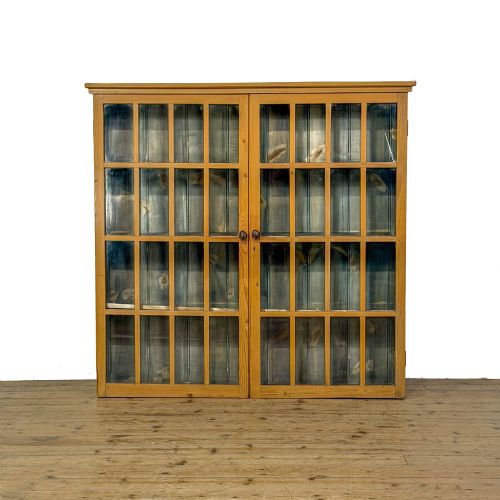
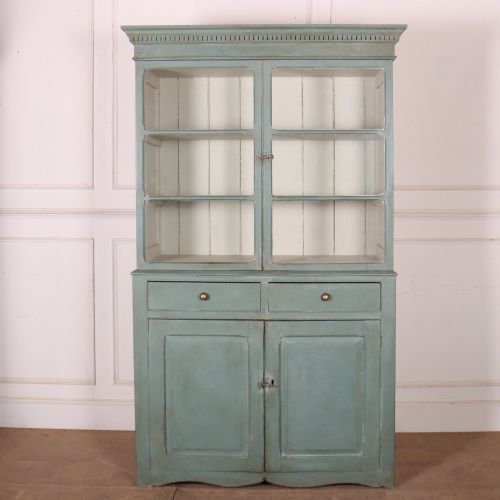
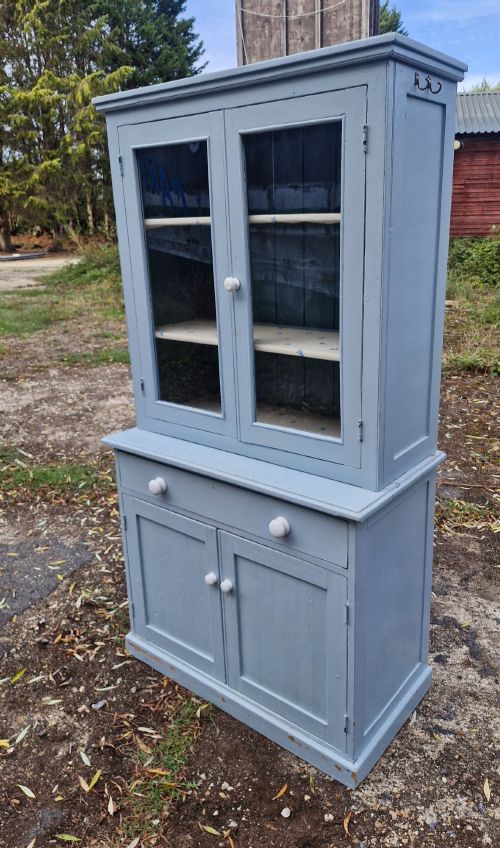
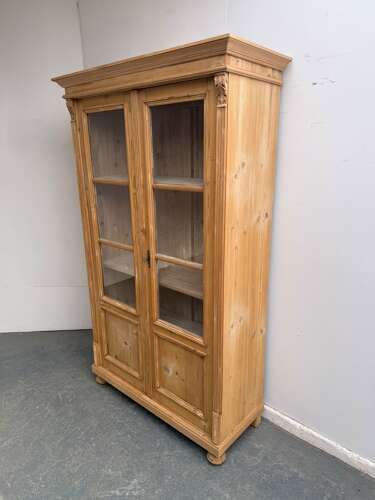
These freestanding glazed pine cabinets bring warmth and utility to a room, offering flexible storage with glass fronts to display your belongings.
Freestanding Glazed Pine Cabinet
A freestanding glazed pine cabinet provides upright storage and display space for books, kitchenware, or ornaments without needing to be fixed to a wall. When you search for a freestanding glazed pine cabinet, you encounter sturdy timber furniture shaped by regional traditions across the nineteenth and early twentieth centuries.
The selections on this page span several decades, featuring Victorian, Edwardian, and later country styles. You will find forms ranging from small kitchen cupboards and two-part dressers to tall bookcases with glass doors.
Origins vary from Scottish country workshops to English farmhouses, reflecting practical domestic needs rather than grand formal design. Many pieces retain traces of old paint or wax finishes applied over generations of household use.
How they were made
Makers relied primarily on solid pine and pitch pine, timbers chosen for their accessibility and workability in regional joinery workshops. Boards were joined to build carcases and shelving, often paired with two-part constructions that made large kitchen dressers easier to transport and install.
Glazing involved fitting glass panes into wooden door frames to protect the contents while keeping them visible. Hardware such as brass or iron handles, hinges, and occasional wire mesh panels completed the functional construction.
One vintage cupboard proudly carries later sign-writing for Hovis Bread, reminding us of its hardworking past life.
What varies in quality
Proportion and architectural detailing distinguish finer examples from standard utility pieces, seen in the balance of the breakfront or the neatness of the glazing bars. Cabinets that retain their original architectural cornices or early painted surfaces carry greater visual character.
The integrity of the timber frame and the smoothness of the door operations dictate how well a cabinet has survived decades of domestic service. Solid construction without excessive alterations ensures the piece maintains its intended form and stability.
The Freestanding Glazed Pine Cabinet Glossary
- Pitch pine
- A dense, resinous variety of pine timber often used for durability in nineteenth-century cabinetry and architectural joinery. It typically shows a prominent grain pattern.
- Breakfront
- A piece of furniture where the central section projects forward from the flanking sections. This configuration adds architectural depth to large bookcases and dressers.
- Two-part
- A cabinet or dresser constructed as separate upper and lower sections placed one on top of the other. This method facilitated movement through narrow farmhouse doorways.
- Wire mesh
- A utilitarian alternative to glass panels fitted into cabinet doors for ventilation. It is frequently found on country kitchen cupboards and larder units.
- Cornice
- The decorative moulded projection that crowns the top of a tall cabinet or bookcase. It provides a finished architectural transition to the ceiling.
Freestanding Glazed Pine Cabinet: Frequently Asked Questions
How do I clean a pine cabinet?
Maintain the timber by dusting gently with a dry or slightly damp cloth, avoiding harsh chemical sprays that can strip historic wax or paint finishes.
Apply a traditional beeswax polish occasionally to nourish the pine and preserve its natural sheen over the years.
Can I place these cabinets in a kitchen?
These cabinets were originally built for domestic environments like kitchens and pantries, making them well-suited for storing dinnerware, dry goods, or glassware.
Ensure the room maintains stable humidity levels to protect the timber carcase and prevent the pine from warping.
How do I date a pine cabinet?
Examine the construction methods, such as hand-cut dovetails, backboards, and the type of glass or hardware used in the doors. Earlier nineteenth-century examples often feature thicker timbers and pegged joints, whereas twentieth-century pieces show lighter framing.
Check for surface evidence like layers of old paint, wax accumulation, or natural patina that build up over decades of domestic use.