
Rustic Garden Bench
A rustic garden bench anchors an outdoor space with enduring character, bringing practical seating shaped by nineteenth-century foundry work and traditional carpentry.
Rustic Garden Bench
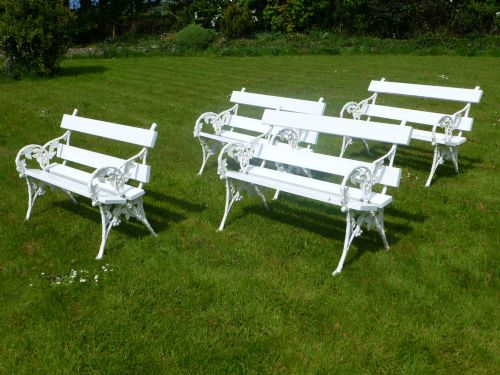
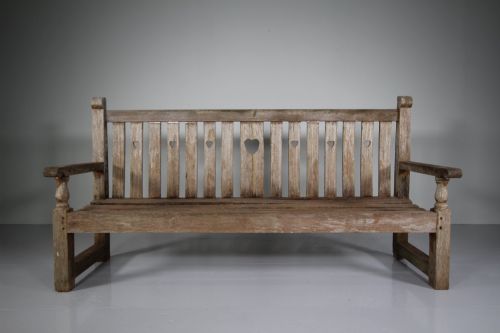
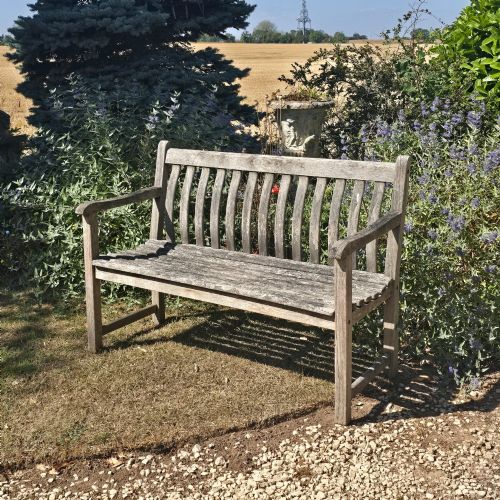
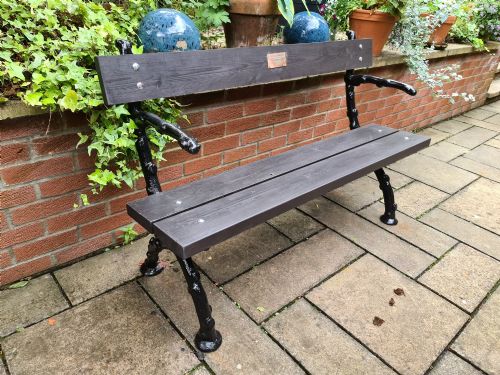
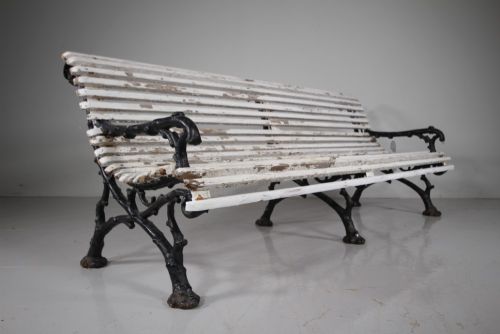
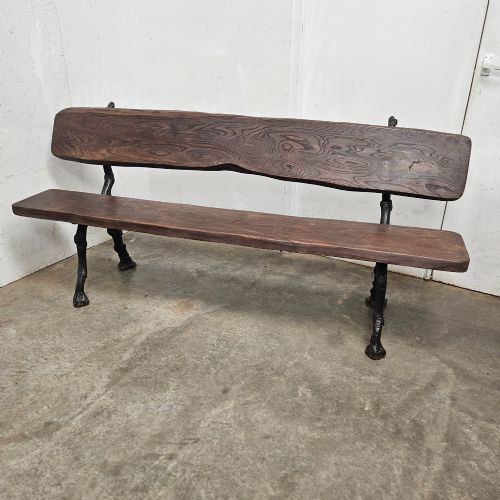
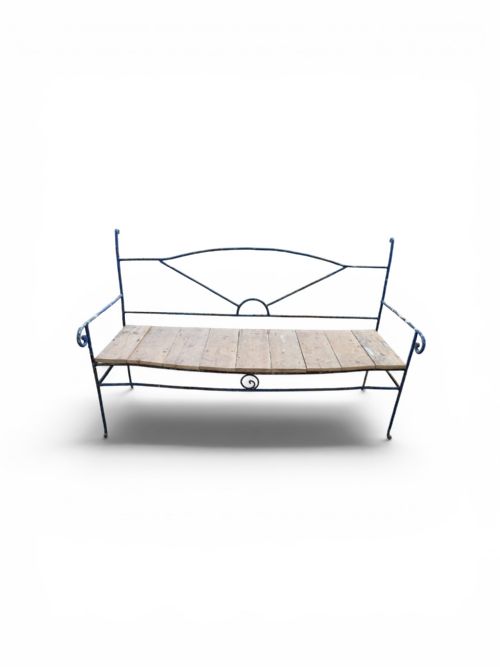
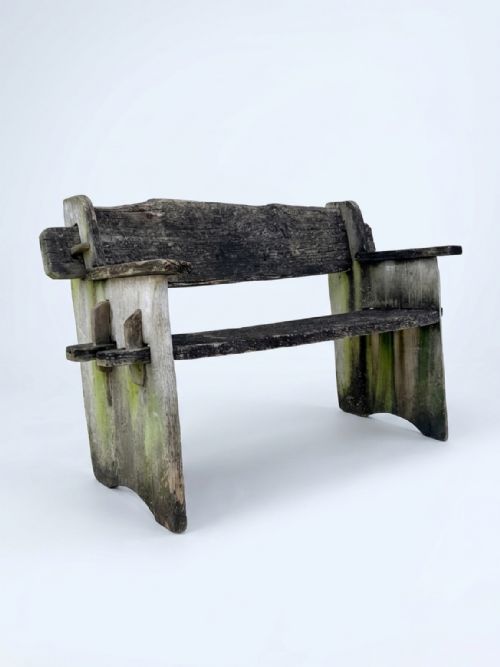
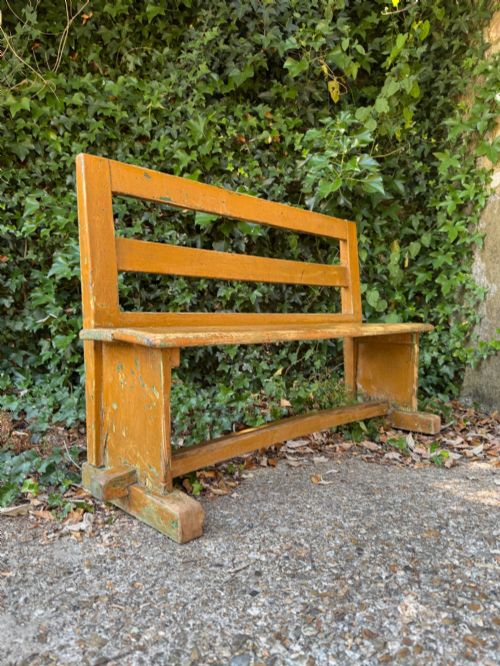
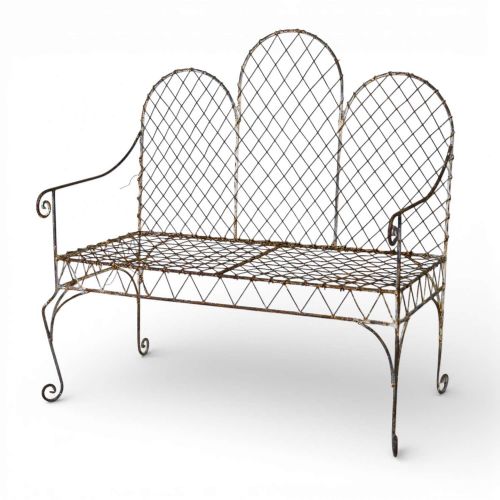
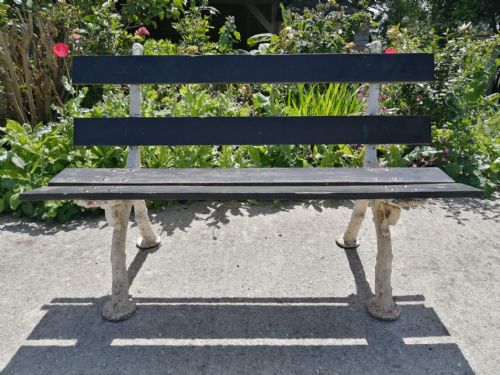
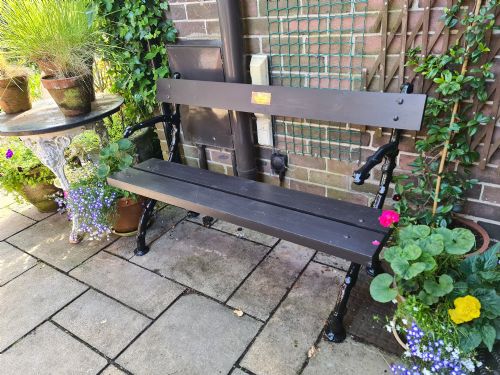
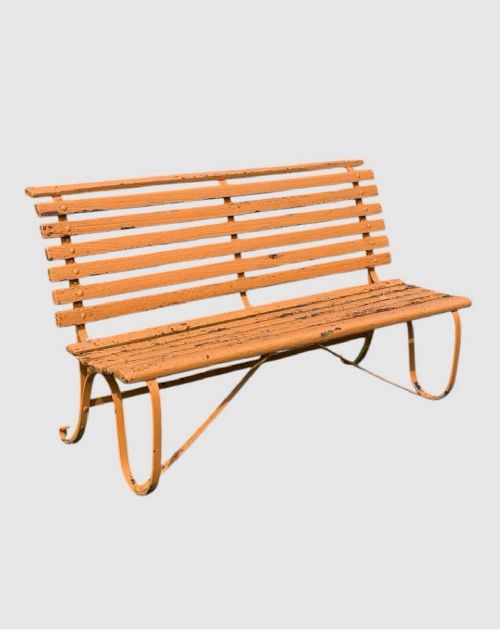
When you search for a rustic garden bench, you encounter a mix of nineteenth-century cast iron ends paired with timber slats, alongside fully wooden designs in teak, pine, elm, and oak. These pieces range from classic Victorian rustic pattern castings to French country examples and English country garden seats.
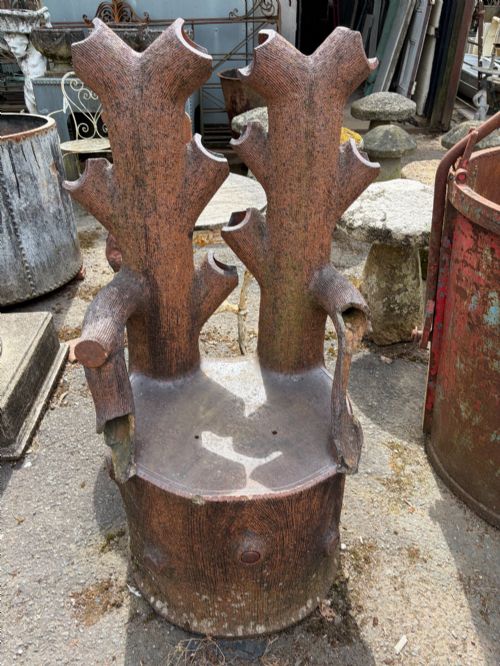
The most common versions on this page combine sturdy metalwork with weathered wood or feature trompe-l'œil faux bois designs mimicking natural branches. You will also find rarer variations such as Arras metalwork benches, Gothic-influenced metal seats, and circular tree benches built to wrap around a trunk.
How they were made
Foundries shaped heavy cast iron and wrought iron into intricate patterns featuring blackberry leaves, branches, and scrollwork, often utilising makers like Coalbrookdale or Falkirk. These metal frames were matched with durable timbers such as teak, oak, pine, and elm for slats and seats.
Carpenters and metalworkers joined these materials using traditional joints and fixings, frequently applying layers of paint or leaving hardwoods to weather naturally outdoors. Faux bois techniques required artisans to carve or cast concrete and metal to faithfully replicate the rough texture of natural wood.
Look closely at the ironwork to spot cast blackberries and leaves hiding among the branches.
What varies in quality
Quality rests in the crispness of the iron casting details and the integrity of the underlying timber. Finer foundry work displays deep relief in leaf and branch motifs without the blurring found in later or secondary castings.
The proportion and weight of the frame dictate durability. Pieces retaining layers of original paint or well-silvered, weathered hardwoods show superior preservation over generations of outdoor exposure.
Coalbrookdale·Falkirk foundry·Phoenix Foundry
The Rustic Garden Bench Glossary
- Faux bois
- Imitation wood. Artisans shaped metal and concrete to mimic the texture and grain of natural timber branches.
- Cast iron
- Iron melted and poured into a mould. Foundries utilised this technique to produce ornate bench ends and decorative backs.
- Wrought iron
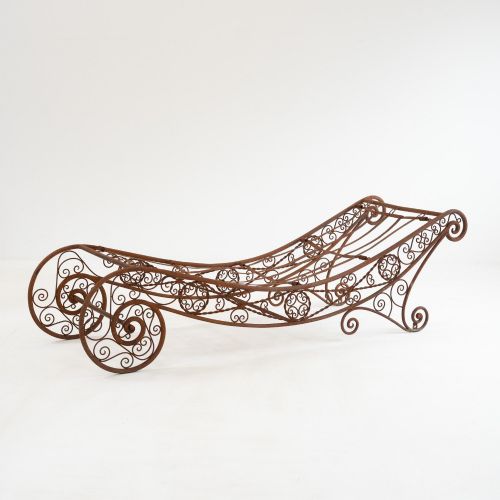
- Iron beaten into shape by hand. This material offers greater flexibility than cast iron, resulting in flowing scroll designs.
- Tree bench
- Seating built in segments. These circular benches encircle the trunk of a mature tree to provide shaded garden seating.
Rustic Garden Bench: Frequently Asked Questions
How do I protect my bench outdoors?
Teak and seasoned hardwoods tolerate the elements well and develop a silver patina over time. Painted metal and softer woods benefit from sheltered spots during harsh winter months.
Applying appropriate protective treatments to wooden slats helps maintain their structural integrity. Keeping iron feet raised slightly off damp ground prevents moisture absorption.
Can I leave cast iron outside year-round?
Cast iron handles outdoor conditions reliably if the paint layer remains intact. Inspecting the surface periodically catches early signs of rust.
Cleaning away accumulated debris prevents moisture retention in the detailed recesses of the casting. Storing pieces under cover during prolonged freezing weather extends their lifespan.
How do I date a metal garden seat?
Nineteenth-century pieces often display registration marks, foundry stamps, or characteristic weight in the ironwork. The complexity of the leaf and branch motifs also points to Victorian production methods.
Later twentieth-century reproductions generally use lighter gauges of metal and simplified fixings. Examining the fasteners and paint layers helps distinguish original period manufacture from subsequent iterations.
What is faux bois furniture?
Faux bois translates from French as false wood, describing items fashioned to resemble natural tree branches and logs. Victorian artisans applied this technique to both iron castings and concrete.
These pieces brought a rustic woodland aesthetic to formal gardens and conservatories. The style remains prized for its sculptural quality and organic forms.