


Edwardian Garden Seat
An edwardian garden seat brings enduring British craftsmanship outdoors, offering sturdy timber and iron resting places designed for lawns and terraces.
Edwardian Garden Seat
When you search for an edwardian garden seat, you encounter robust outdoor resting furniture built during the early twentieth century and surrounding periods. These pieces serve as practical focal points for lawns, conservatories, and country house terraces, combining utility with decorative presence.
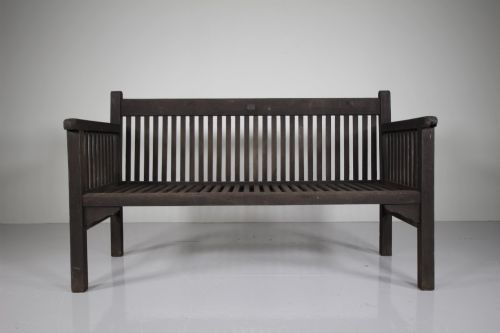
The most common forms on this page include slatted timber benches and iron-framed garden seats. Examples range from simple utilitarian designs found on railway platforms to elaborate country house seating bearing maker labels.
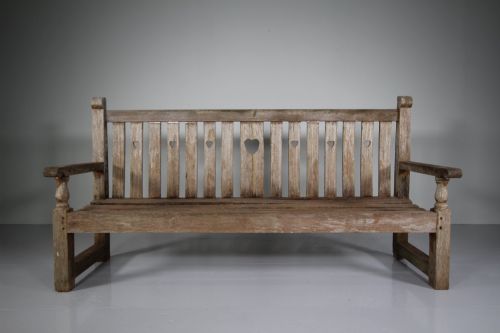
Makers such as Heals produced notable iterations utilising durable timbers like teak and oak. Alongside standard benches, related garden furnishings such as matching chairs, arbours, and occasional ironwork appear within the broader selection.
What varies in quality
The distinction between standard utility seating and high-end examples rests largely on timber selection and maker attribution. Benches constructed from dense teak or bearing maker labels from firms like Heals represent the upper tier of the range.
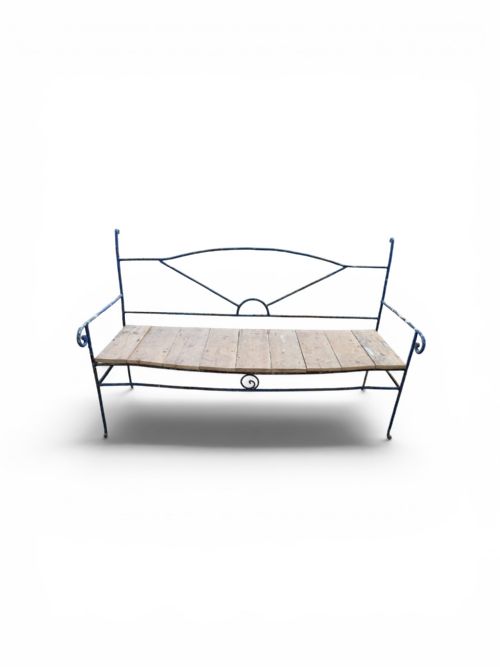
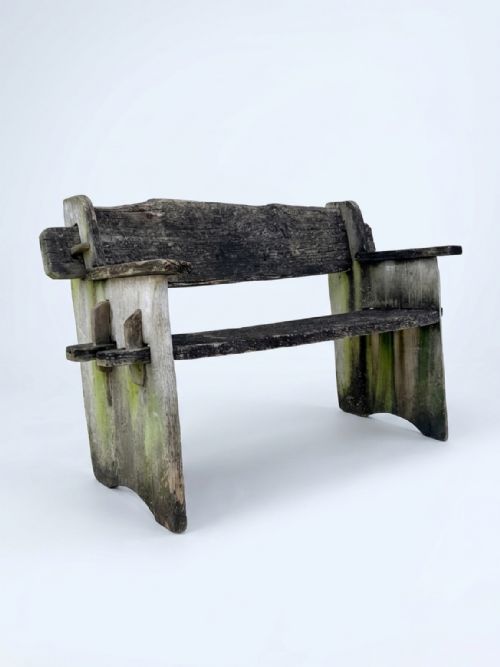
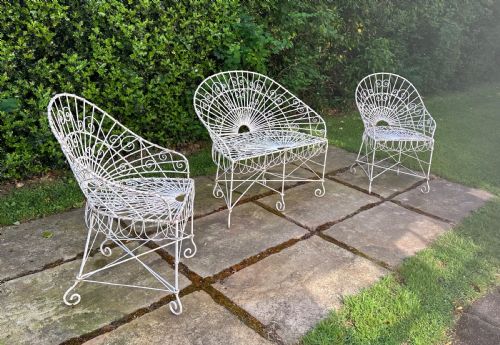
Design complexity also defines quality, moving from simple slatted planks to pieces featuring carved heart motifs, curved wooden slats, or complex iron scrollwork. Original painted surfaces or weathered patination add distinct character to surviving examples.
Structural integrity and the retention of original matching elements, such as paired chairs or arbours, separate complete sets from isolated components. The harmony between iron supports and wooden slats indicates careful initial manufacture.
Listings feature durable materials including wrought iron, cast iron, teak, oak, and weathered wood across various forms.
Heals of London·Sir Edwin Lutyens·Coalbrookdale
The Edwardian Garden Seat Glossary
- Teak
- A durable tropical hardwood known for high oil content and resistance to weathering. This material forms the primary seat slats on many premium benches.
- Wrought iron
- A tough, malleable iron form beaten into shape by hand or machine. It provides strong, decorative framing for garden seats.
- Slatted wood
- Construction method using parallel wooden strips spaced slightly apart. This design allows rainwater to drain quickly from the seating surface.
- Coalbrookdale
- A famous ironworks style associated with ornate cast metal garden furniture. Pieces in this tradition feature detailed floral or geometric patterns.
- Arbour
- A garden seat integrated with a shaded lattice structure for climbing plants. This architectural form creates a sheltered seating nook.
Edwardian Garden Seat: Frequently Asked Questions
What woods were used?
Makers primarily utilised teak, oak, and general timber for the slats and structural frames of these garden seats. Teak gained favour for its natural oils, which resist moisture and decay outdoors.
Oak and other woods also appear, often protected by layers of paint or left to weather naturally over time in English gardens.
Are iron and wood combined?
Many examples feature robust iron frames paired with wooden slats for comfort and stability. Cast iron or wrought iron provides heavy structural ends and decorative side supports.
This hybrid construction gives the benches sufficient weight to remain stable on lawns while offering a comfortable wooden surface for sitting.
How do I identify periods?
Dating relies on stylistic clues, construction techniques, and occasional maker labels attached to the woodwork. Pieces from the early twentieth century often display simpler arts and crafts influences or utilitarian railway designs.
Earlier nineteenth-century examples tend toward heavier decorative cast iron work, while later decades introduce minimalist slatted forms.
Did makers sign seats?
Certain workshops and retailers attached metal plaques or stamped their names directly into the wood or iron. Heals of London frequently marked their teak benches with identifiable labels.
Many functional pieces, such as railway station benches, bear station names or utilitarian stamps rather than traditional maker signatures.