
Rustic Folk Art Carving
A rustic folk art carving brings honest vernacular character into a room through unpretentious hand-shaped wood.
Rustic Folk Art Carving
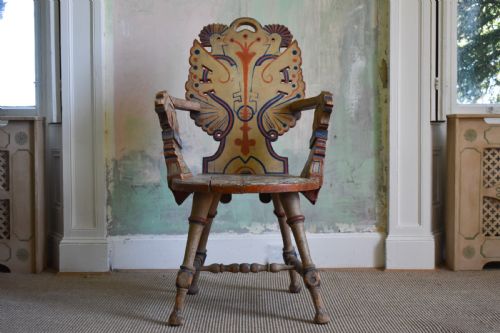
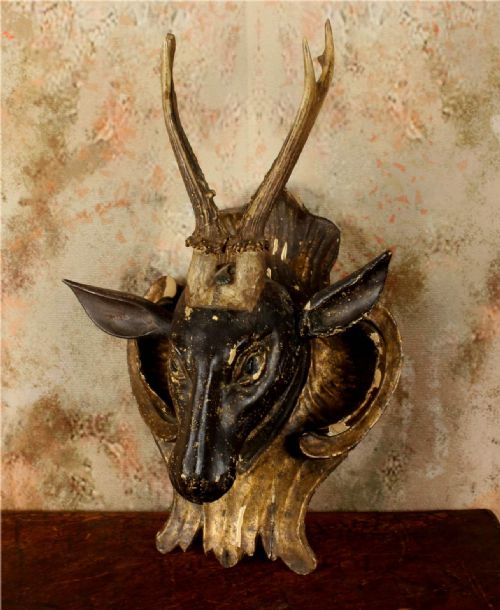
A rustic folk art carving represents the utilitarian and decorative objects shaped by makers outside the formal academic traditions. When exploring this selection, buyers encounter sculptures, decoys, seating, and small household items that reflect regional rural life.
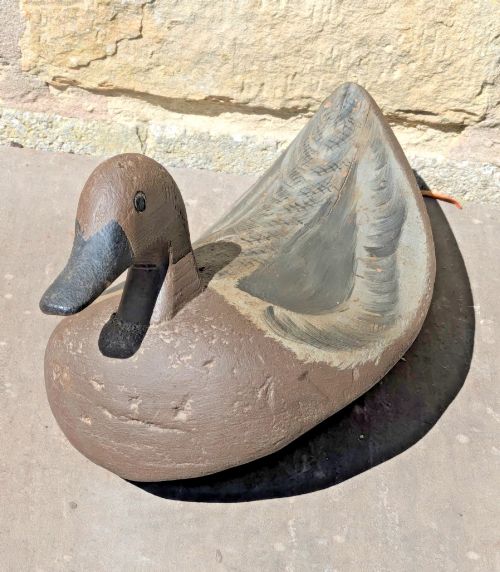
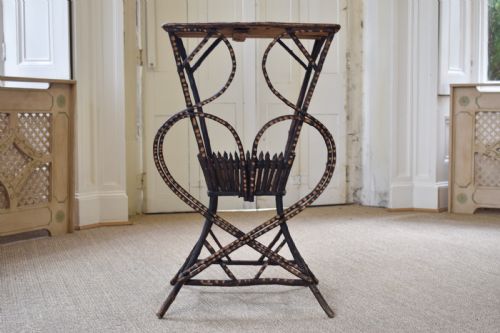
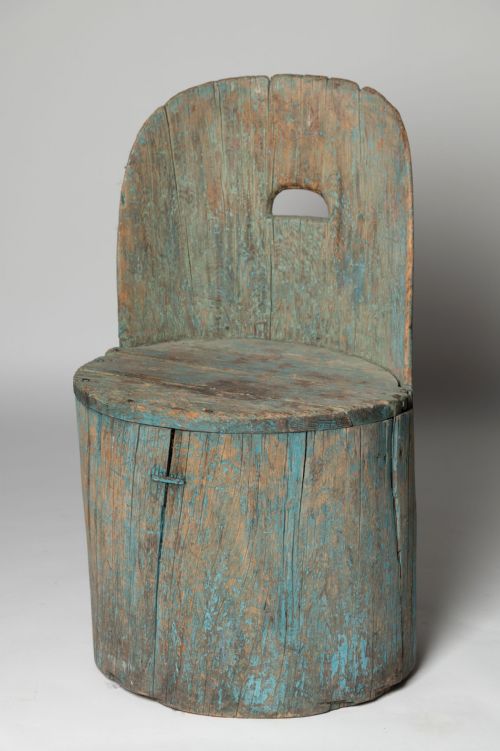
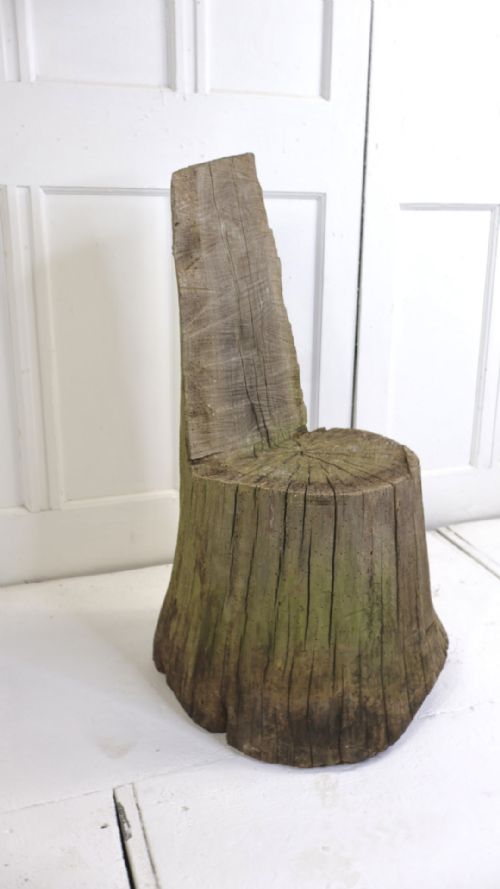
The objects span multiple centuries, with nineteenth-century pieces forming a substantial part of the grouping alongside eighteenth-century works and later items from the early nineteen-hundreds. Common forms include carved animals, decoy birds, rustic stools, and chairs derived from local country traditions.
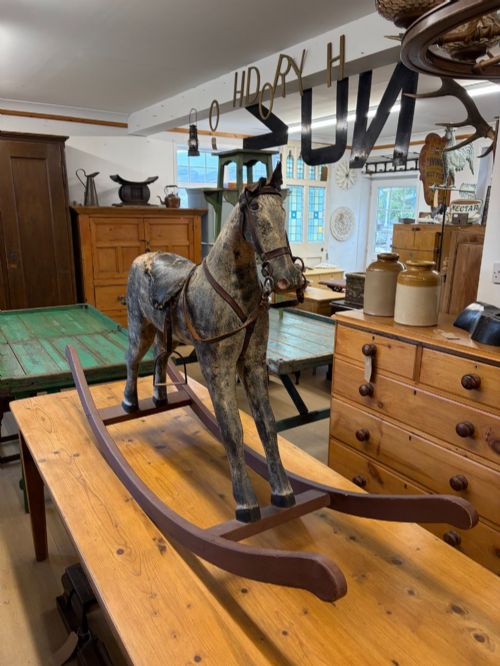
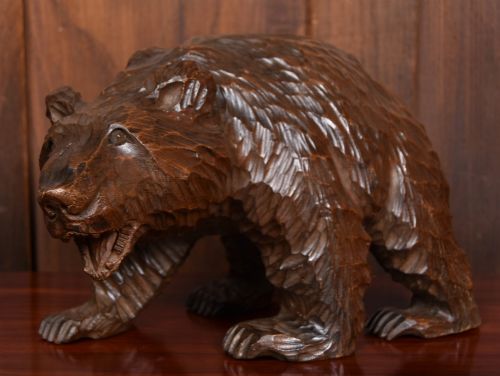
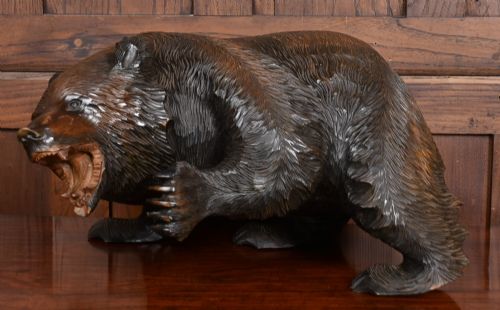
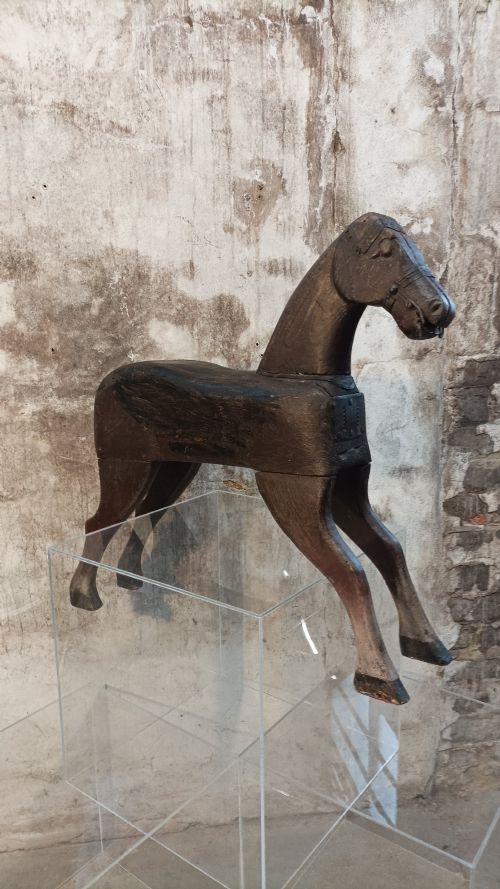
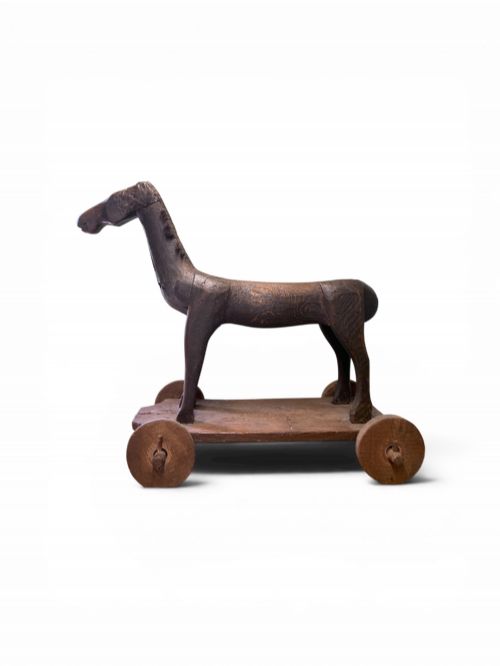
Geographic origins vary widely across these pieces, ranging from English and Scandinavian country workshops to Japanese carvings and continental European furniture. This diversity means buyers find everything from small painted wooden horses and bear sculptures to larger fitted seating and storage chests.
Materials and construction
Makers utilised available local timbers such as pine, oak, and general hardwood, often working green wood or seasoned logs directly in domestic or workshop settings. Surfaces frequently show the direct marks of axes, drawknives, and hand chisels without industrial smoothing.
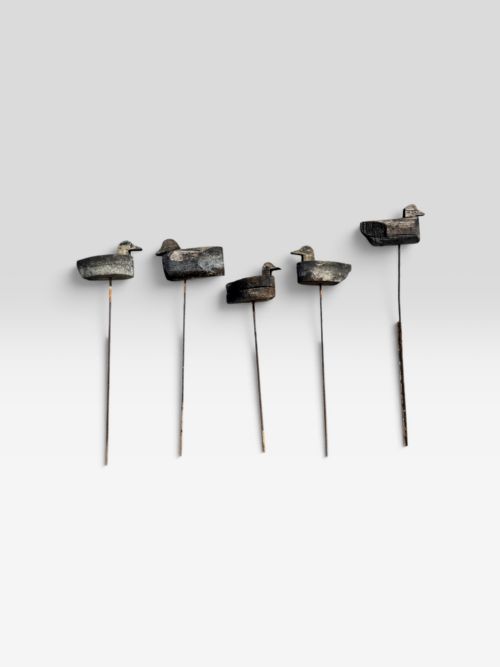
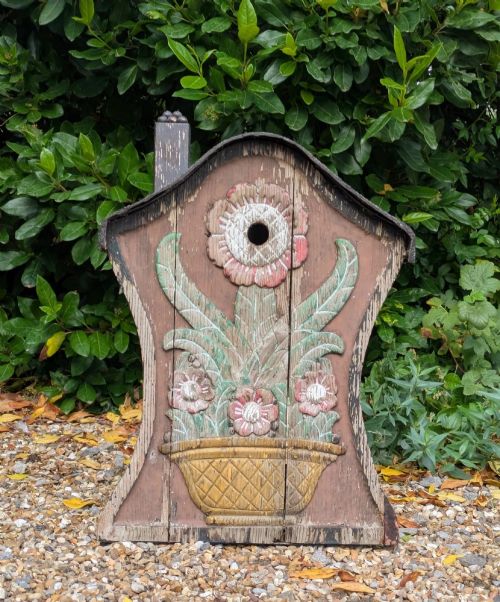
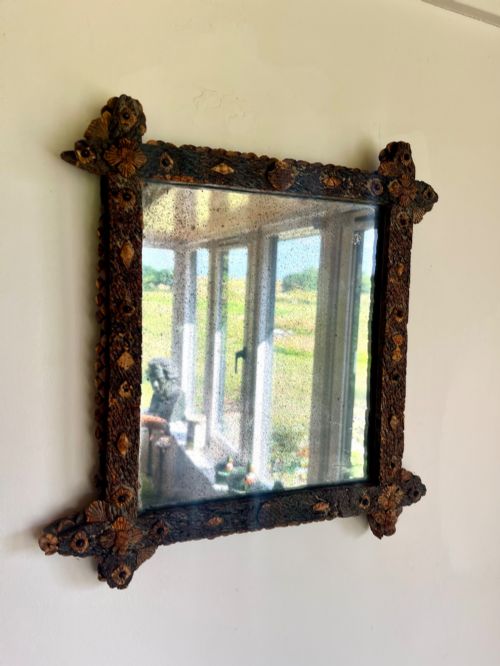
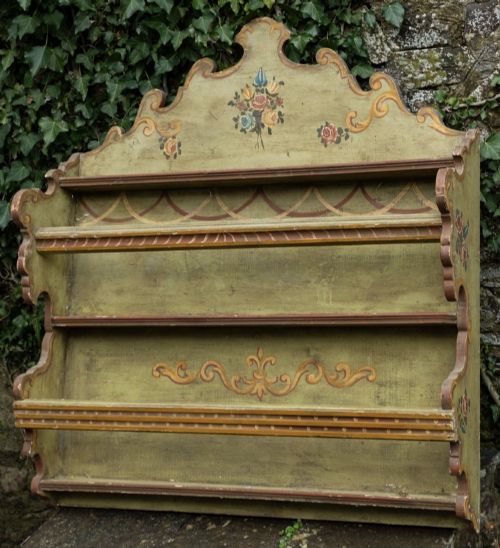
Paint finishes applied to the timber range from plain lead-based colours to detailed polychrome decoration on items like decoy ducks and toy horses. Iron fittings, twigs, and cork also appear as structural or decorative elements in specific dioramas and frames.
Listed objects include nineteenth-century sculptures alongside eighteenth-century bowls and Edwardian wall shelves.
Assessing the examples
Quality in these pieces rests upon the confidence of the carving and the integrity of the surface patination. Stronger examples display expressive lines and purposeful tool work rather than timid or overly corrected execution.
Surfaces that retain their original layered paint or deep uncleaned age patination hold greater character than stripped or overly restored timber. The balance between practical utility and sculptural form also distinguishes the more successful regional items from standard commercial wares.
The Rustic Folk Art Carving Glossary
- Treen
- Small handmade wooden household objects created for functional daily use. These items range from spoons to knitting sheaths and display smooth wear from handling.
- Decoy
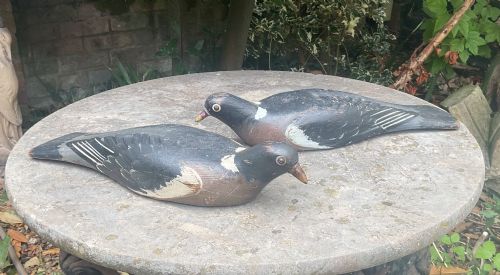
- A carved and painted bird or animal form utilised by hunters to attract wildlife. They are valued today for their sculptural silhouettes and layered paint surfaces.
- Tramps art
- A style of woodworking where makers carved small pieces of scrap timber, often cigar boxes, into layered geometric patterns using a pocket knife. Items commonly include mirrored frames and small boxes.
- Vernacular
- Architecture and objects created by local tradespeople or self-taught makers using traditional regional designs rather than academic styles. This approach prioritises utility and local material availability.
Rustic Folk Art Carving: Frequently Asked Questions
How do I care for wooden folk art?
Keep carved wooden items away from direct heat sources and strong sunlight to prevent the timber from drying out and splitting. Dust gently with a dry cloth and avoid modern chemical polishes that can alter the historic surface.
Maintaining stable room humidity helps preserve original painted finishes and delicate carved details. Allow the natural patina to remain undisturbed rather than attempting to clean or strip the surface.
Were these carvings made by professionals?
Most rustic carvings originate from rural craftspeople, farmers, or sailors working during seasonal lulls rather than trained academic sculptors. Their methods relied on inherited local techniques and simple hand tools.
This lack of formal training often resulted in naive proportions and direct, unpretentious interpretations of animals and figures. Each maker solved structural and aesthetic problems independently.
How do I identify the age of a carving?
Dating relies on tool marks, timber shrinkage patterns, wear markers, and stylistic conventions associated with specific periods. Hand-sawn boards and early fastening methods provide clues to a piece's century of origin.
Compare the surface wear with the expected handling points of the object type. Genuine age typically shows consistent smoothing and oxidation across exposed areas.
Why do some carvings retain old paint?
Many utilitarian objects received protective or decorative coats of paint during their working life, which later owners preserved for visual appeal. Original paint layers record the aesthetic choices of the period and protect the timber underneath.
Surviving early paint adds significant character and depth to sculptural forms. Buyers prize untouched surfaces that show the natural history of use over decades.