
Rustic Farm Table
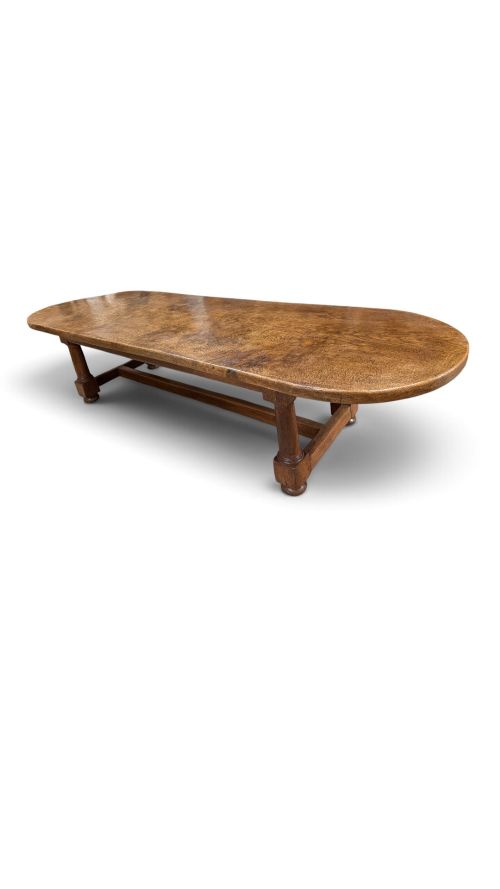
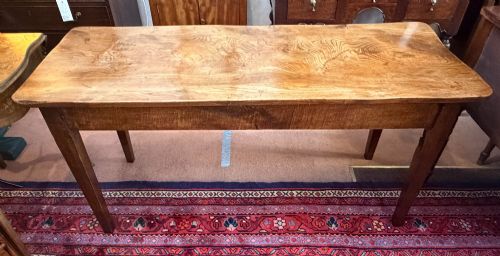
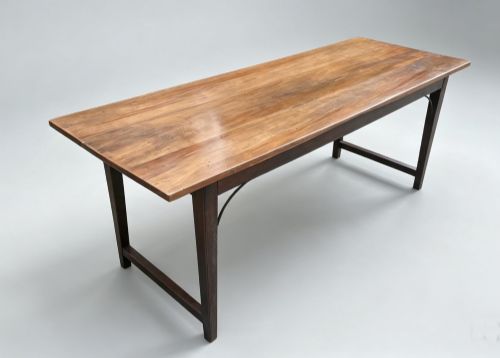
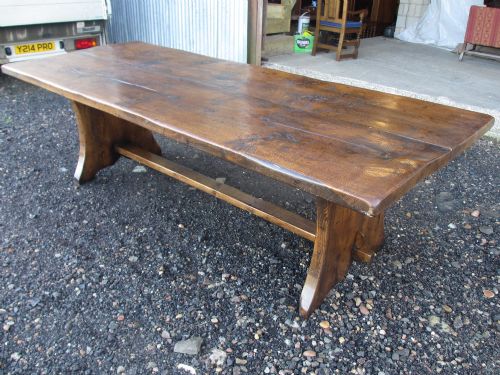
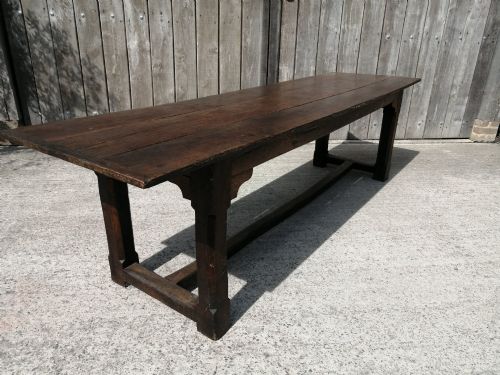
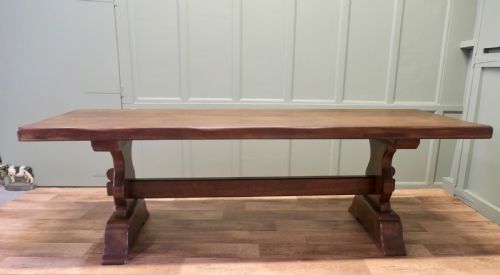
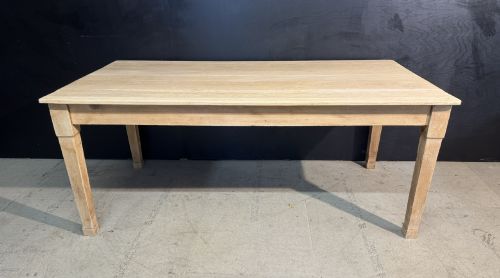
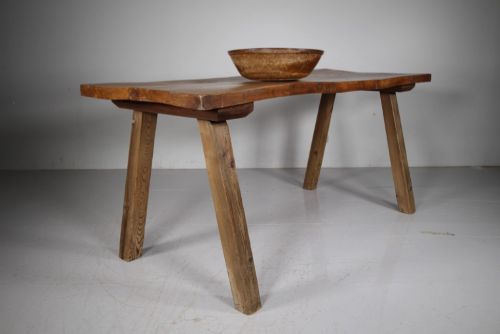
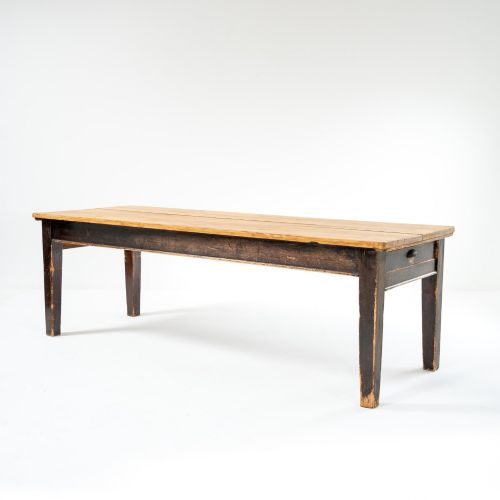
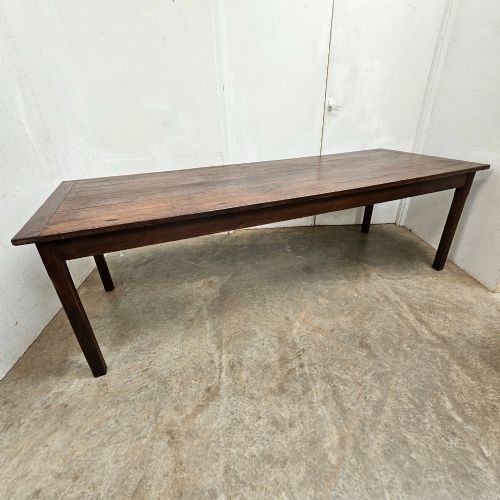
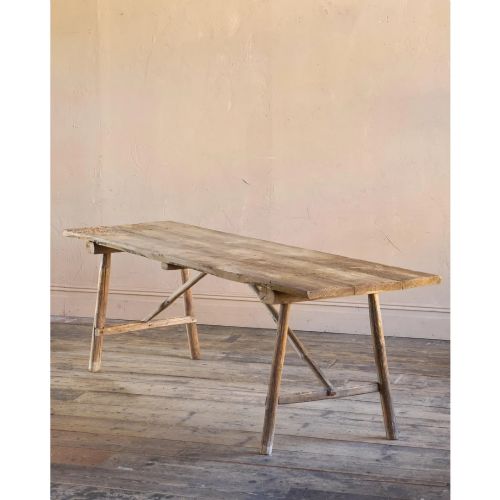
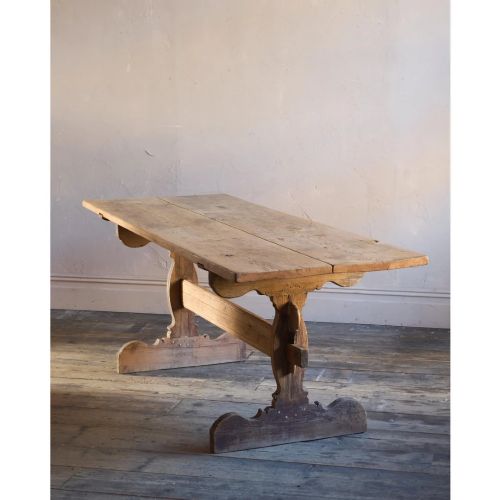
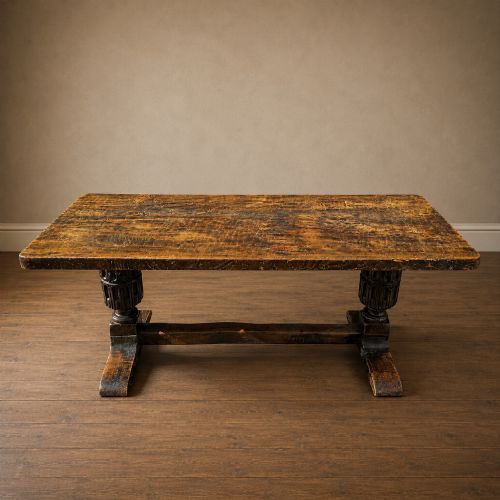
These heavy wooden boards and sturdy trestles are what a rustic farm table means, built for daily work and long meals.
Rustic Farm Table
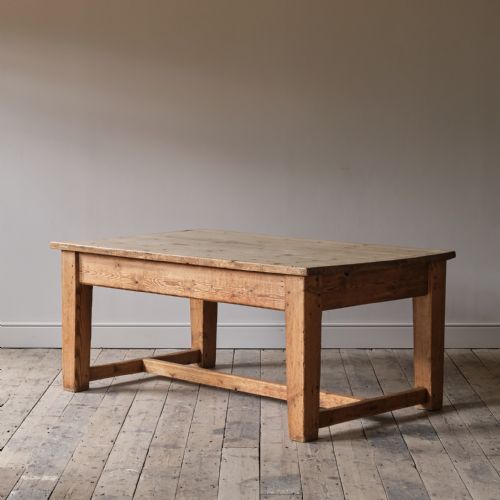
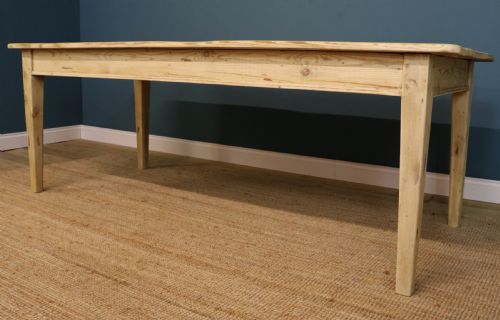
A rustic farm table serves as a heavy timber working surface or dining board, shaped by regional traditions across Britain, France, Sweden, and Italy. The typical piece encountered here is a pine kitchen or harvest table from the Victorian era, or an 18th-century oak refectory form.
Makers constructed these tables for domestic kitchens, dairies, and farmhouses, resulting in varied formats including long dining boards, narrow harvest tables, and occasional drawer-fitted prep surfaces. Oak, pine, and elm dominate the surviving examples, often paired with fruitwood or cherry.
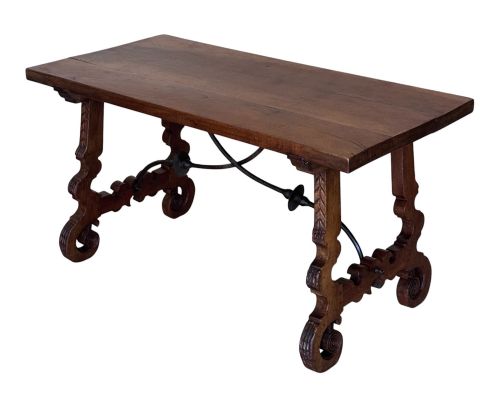
Shorter coffee tables and console variations also appear alongside traditional dining proportions, reflecting subsequent adaptations of utilitarian timbers. Each piece carries the marks of heavy domestic use, from scrubbed pine tops to deep oak grain.
Materials and Technique
Carpenters built these tables using solid native hardwoods and softwoods, frequently joining thick single-plank oak or elm tops to substantial frames with pegged mortise and tenon joints. Pine and fruitwood served widely for domestic kitchen boards, while oak provided the structural rigidity required for large refectory and trestle designs.
Surfaces often show the tool marks of early hand-sawing and adzing, left unvarnished or finished simply with historic paint layers such as Swedish Falu red. Extension mechanisms, bread slides, and frieze drawers reveal practical joinery designed to withstand daily physical labour.
Rustic Farm Table Retail Price Guide 2026
Typical asking prices for rustic farm table among the pieces listed under this phrase on Sellingantiques today, from the lower quarter to the upper quarter. They describe what is for sale here now, not the wider market.
Listings span from the 17th century through the 1920s, featuring oak, pine, elm, and fruitwood across dining, kitchen, and console formats.
Substance and Proportion
Quality rests in the integrity of the timber and the honesty of the construction, where single-plank tops and untouched original bases command greater respect than later adaptations. A well-proportioned frame with balanced leg placement and minimal timber replacement outweighs mere scale.
The character of the surface timber - whether deeply scrubbed pine or richly oxidised 18th-century oak - determines the visual weight of the piece. Tables retaining their original fixings, historic paint, and natural patination demonstrate superior survival over heavily restored examples.
The Rustic Farm Table Glossary
- Refectory table
- A long, narrow dining table historically used in communal dining halls and later adopted in domestic farmhouses. These pieces typically feature sturdy stretcher bases and substantial timber tops.
- Harvest table
- A narrow wooden table designed to be easily moved during seasonal agricultural work and large gatherings. They often feature drop leaves or long pine boards supported by slender legs.
- Bread slide
- A pull-out wooden board integrated beneath the tabletop, historically utilised for cooling loaves or extending the workspace. This feature appears frequently on 19th-century fruitwood and cherry tables.
- Frieze
- The horizontal band situated directly beneath the tabletop, frequently housing functional storage drawers. In older pieces, this section reveals hand-cut dovetailing and original wooden pulls.
- Trestle
- A structural support system comprising horizontal beams and angled feet rather than four corner legs. This configuration allows maximum seating space along the length of the table.
Rustic Farm Table: Frequently Asked Questions
How were these tables used originally?
These tables functioned as the central workspace for rural households, accommodating food preparation, dairy work, and communal family meals. Their heavy timber construction was designed to withstand daily agricultural labour and heavy domestic use.
Over decades, many transitioned from working farm kitchens into primary dining spaces. Their enduring structural strength allowed them to adapt easily to modern domestic life without losing their utilitarian character.
What woods should I expect to find?
Surviving examples utilise regional timber availability, most commonly oak, pine, and elm, alongside cherry and fruitwood. Oak and elm provide the dense, heavy framework for earlier refectory styles, while pine and fruitwood dominate 19th-century kitchen tables.
Each timber ages differently, with pine acquiring a pale, scrubbed surface and oak developing a dark, patinated grain. Secondary woods like birch and sycamore occasionally appear in internal framing or dairy prep surfaces.
How do I date an older wooden table?
Dating relies on examining joinery methods, tool marks, and timber shrinkage rather than relying solely on surface finishes. Hand-sawn boards, pegged joints, and primitive drawer construction generally indicate 18th-century or earlier origins.
Later Victorian and 20th-century pieces often display machine-cut elements and standardised hardware. Comparing the wear patterns on the feet and topboards also helps determine the age of the piece.
Are these tables suitable for everyday dining?
Their original construction for heavy domestic work makes them exceptionally durable for modern dining use. The thick timber tops naturally absorb daily wear without compromising their structural integrity.
Care involves utilising appropriate protection against moisture and heat to preserve the historic surface patination. Regular cleaning with mild soap maintains the texture of the old wood.