



Rustic English Oak Stool
These rustic english oak stool pieces bring sturdy seventeenth-century craft and simple country utility straight into a modern room.
Rustic English Oak Stool
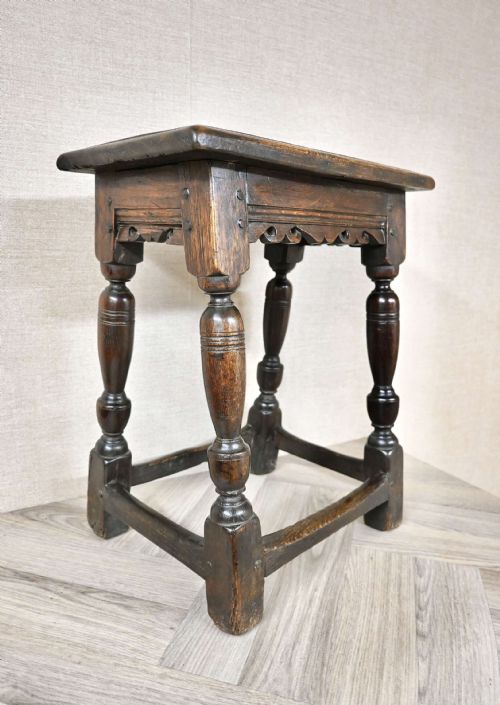
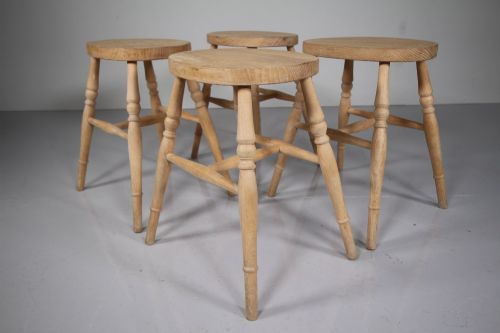
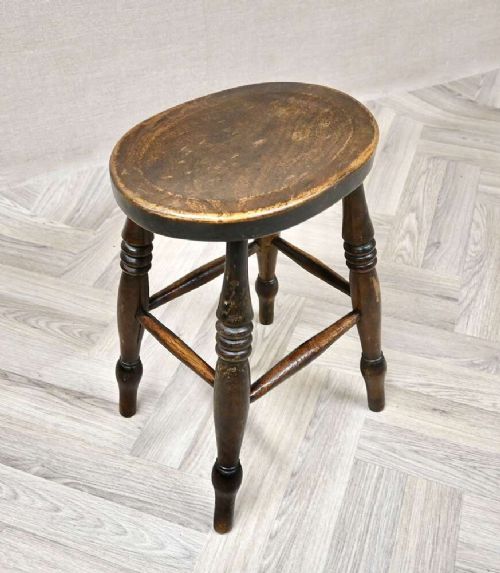
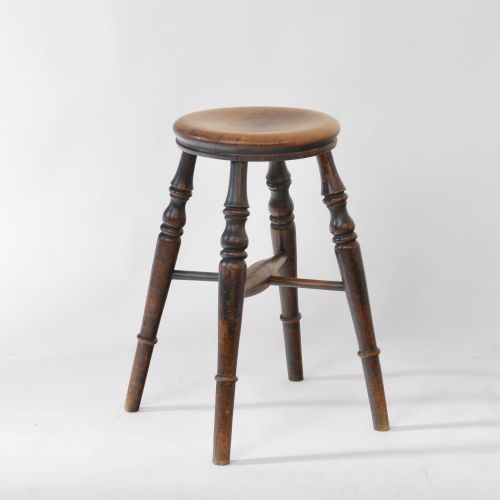
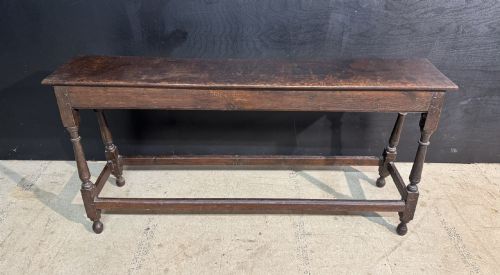
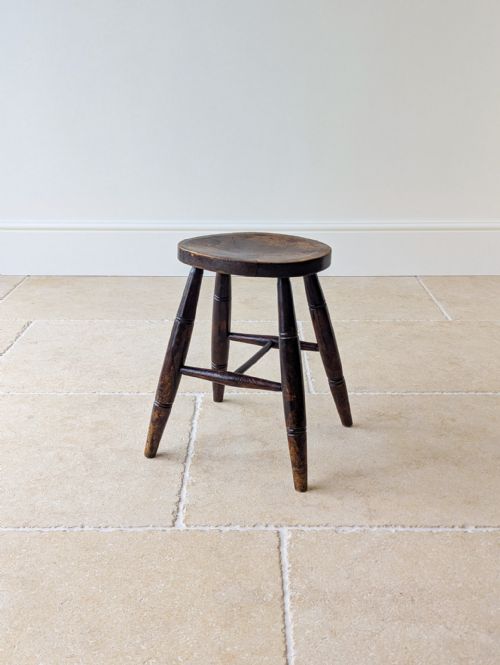
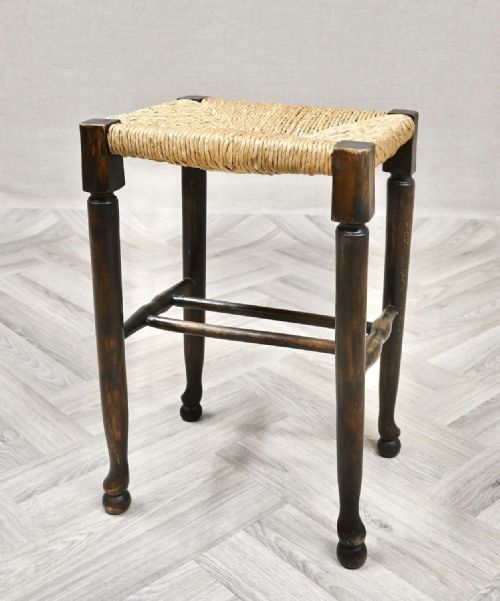
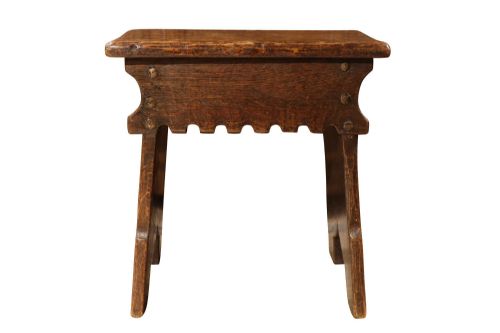
A rustic english oak stool spans centuries of domestic seating, from seventeenth-century joint stools to nineteenth-century farmhouse and tavern variants. Buyers encounter formal joint constructions alongside simpler country forms with rush seats or Windsor oval tops.
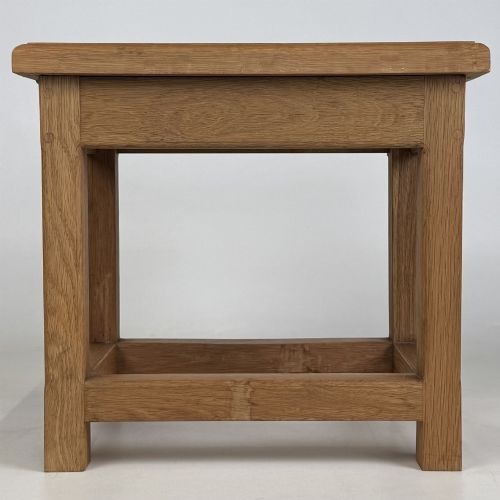
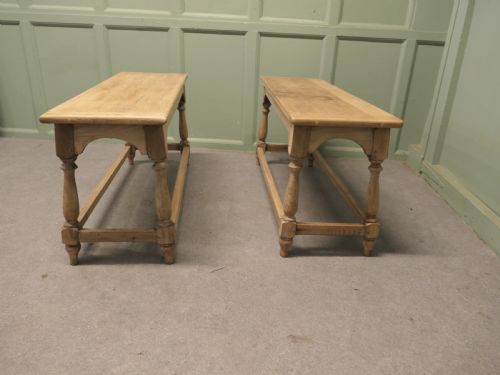
The selection ranges across extended periods including the Georgian and Victorian eras, alongside twentieth-century revivals and later vernacular pieces. Alongside standard stools, related forms such as footstools, low side tables, and benches appear across the inventory.
How They Were Made
Carpenters relied primarily on English oak, often supplemented by timbers like elm, sycamore, and miscellaneous woods for specific components like seats. Traditional pegged construction secured joints firmly without relying on modern metal fasteners.
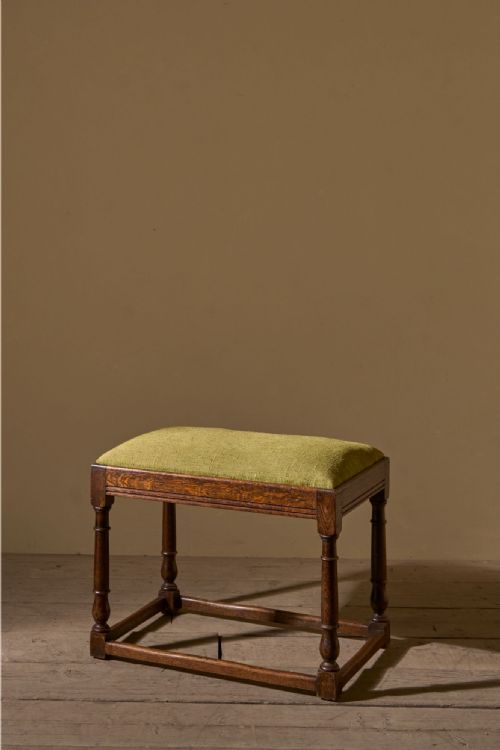
Surface details incorporate carved elements, turned legs, and rush weaving for seating pads, while some examples feature heavy linen upholstery. Bleached finishes and waxed surfaces appear alongside natural patinas accumulated over generations of use.
The inventory records oak alongside elm, sycamore, and rush across periods spanning from the seventeenth century through the mid-twentieth century.
What Varies in Quality
The standard of craftsmanship shows in the tightness of the pegged joints and the proportional balance of the turned legs and stretchers. Early seventeenth-century examples demonstrate rigorous joinery traditions that contrast with lighter nineteenth-century vernacular pieces.
Material selection and surface preservation dictate the distinction between everyday utility items and finer period specimens. Original timber surfaces with honest wear separate well-preserved historical pieces from heavily altered later interpretations.
David Oakleafman Langstaff
The Rustic English Oak Stool Glossary
- Joint Stool
- A traditional wooden stool built with mortise and tenon joints secured by wooden pegs. These sturdy pieces served multiple domestic purposes in early households.
- Rush Seat
- A seating surface woven from dried marsh rushes around a wooden frame. This technique creates a resilient and pliable pad common in traditional country seating.
- Windsor Stool
- A seating form featuring turned legs inserted directly into a solid carved wooden seat. The design derives from traditional Windsor chair making traditions.
- Jacobean
- An architectural and decorative style spanning the early seventeenth century. Pieces from this era typically exhibit dark oak and robust rectilinear proportions.
- Pegged Construction
- A method of joining wooden components using handmade wooden pins rather than metal nails. This allows the timber to expand and contract naturally with seasonal humidity changes.
Rustic English Oak Stool: Frequently Asked Questions
How do I date an early stool?
Dating relies on observing construction methods, tool marks, and timber characteristics. Seventeenth-century examples typically employ heavy pegged joinery and hand- cleft oak.
Later nineteenth-century pieces often show different lathe turning styles and softer secondary woods. Comparing joint tightness and wear patterns helps place an item within its broader period.
Were these stools used for dining?
Many early versions served as primary seating around communal household boards before chairs became common. Their sturdy frames accommodated daily domestic activity in farmhouses and taverns.
Later nineteenth-century and Edwardian examples often functioned as occasional seats or side furniture. Sets of dining stools also appear in specific regional contexts.
How should I care for old oak?
Maintaining antique timber requires stable indoor humidity away from direct heat sources and strong sunlight. Regular application of traditional beeswax helps nourish the grain and preserve the surface.
Avoid modern liquid polishes that can build up sticky residues over time. Gentle dusting with a dry cloth keeps the patina intact without harming the wood.
What is the difference between a joint stool and a side table?
Joint stools feature rigid underframing with stretchers positioned near the floor to reinforce the legs and provide a footrest. Their tops are proportioned specifically for seating.
Side tables generally lack the low structural stretchers found on joint stools and may incorporate lower heights or modified top dimensions. Historical usage often overlapped as portable furniture served multiple domestic roles.