

Rustic Elm Seat Chairs
Rustic elm seat chairs bring tactile grain and vernacular warmth into modern dining spaces through centuries of English country craftsmanship.
Rustic Elm Seat Chairs
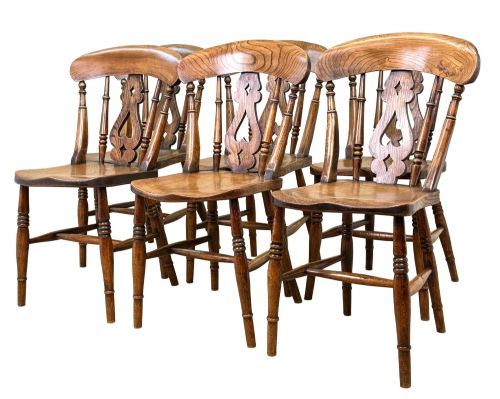
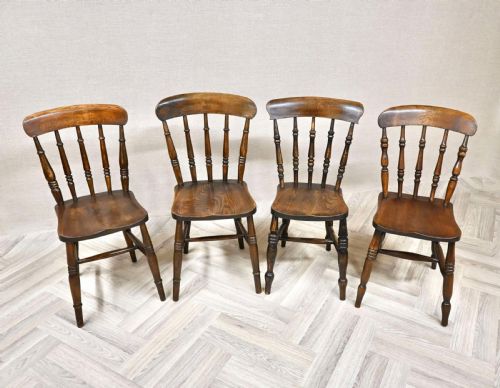
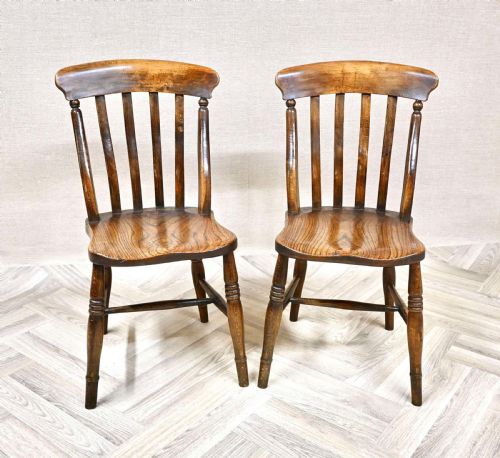
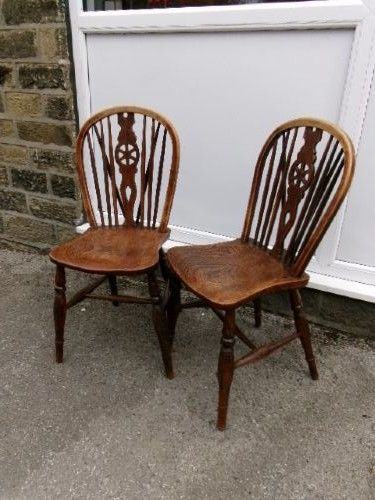
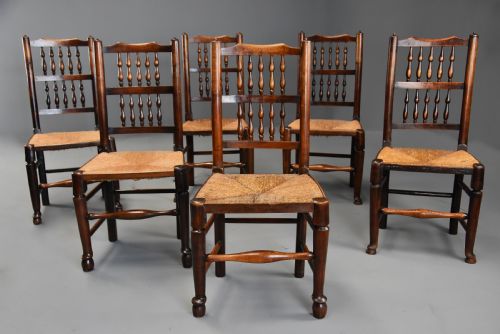
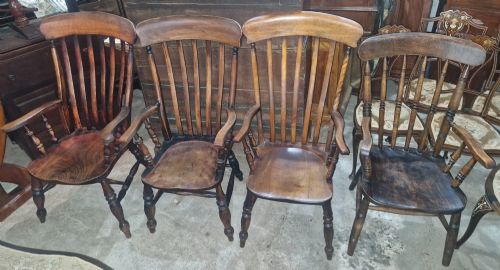
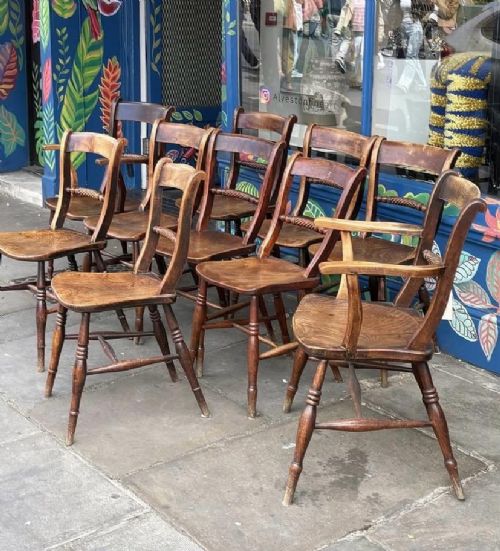
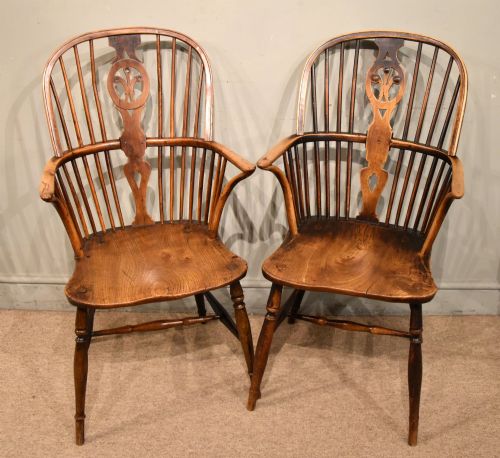
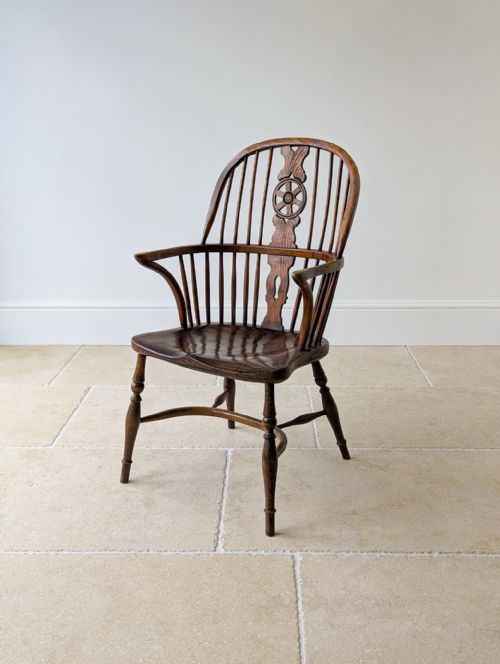
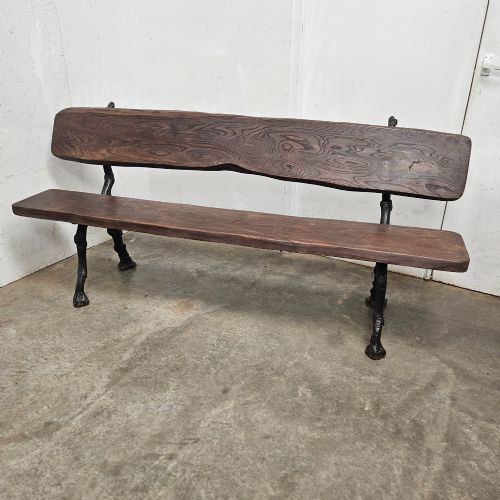
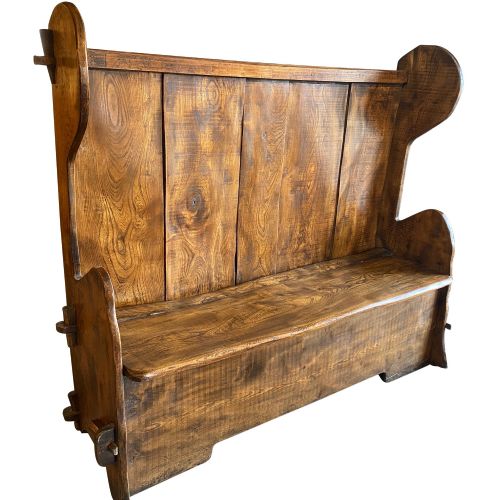
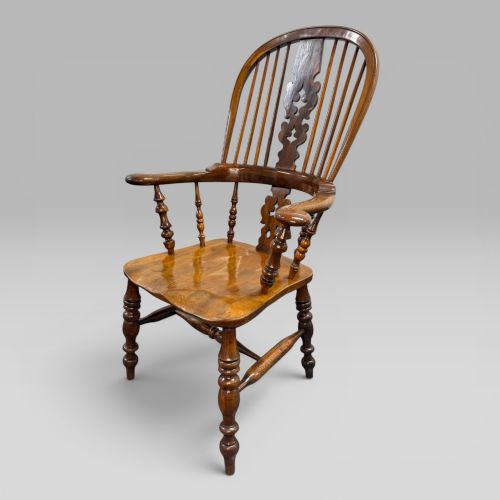
Rustic elm seat chairs encompass a variety of seating forms built by country artisans, most frequently encountered as Windsor dining chairs, ladderbacks, and spindle backs from the eighteenth and nineteenth centuries. These pieces display local vernacular designs, ranging from low-back Nottinghamshire models to high-back Thames Valley armchairs and simple rush-seated farmhouse singles.
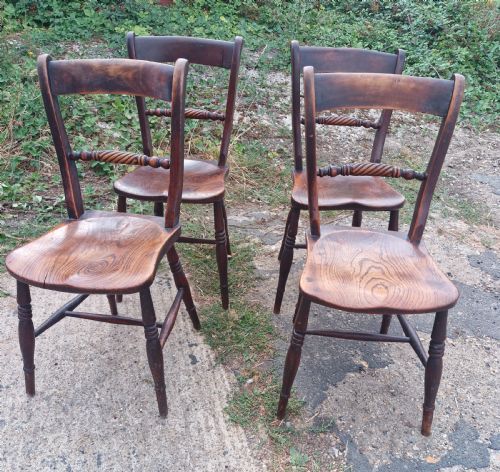
The inventory on this page draws heavily from Victorian kitchen chairs and Georgian country seating, spanning specific years like 1850, 1880, and 1900 alongside broader periods. Buyers frequently encounter matched sets of four or six alongside individual armchairs, benches, and child-sized variants designed for everyday domestic utility.
Materials and construction methods
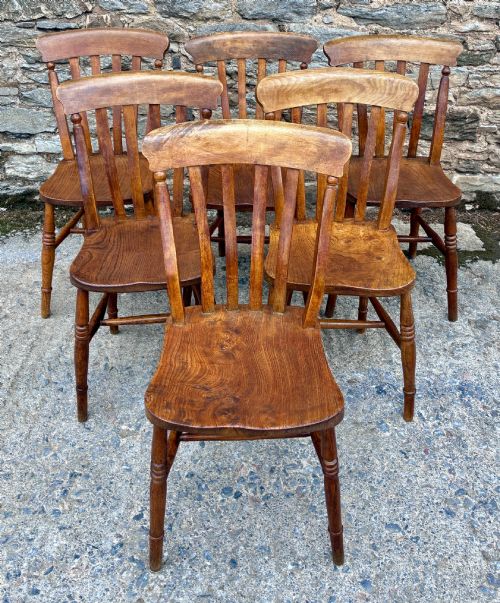
Makers utilised solid elm specifically for the saddle-shaped seats because the interlocking grain resists splitting when drilled and shaped by hand. Ash and beech formed the turned spindles, legs, and bow backs, providing the necessary tensile strength for slender structural components.
Joinery relied heavily on traditional wedged tenons and through-joints, where leg tenons pass completely through the elm seat slab and are locked in place with hardwood wedges. Some regional variants incorporate rush seating woven directly onto wooden frames, while others utilise steam-bent hoops to form continuous backrests.
Listings incorporate multiple periods from the eighteenth century through to the Edwardian era, spanning Georgian, Regency, and Victorian vernacular styles.
Assessing quality and character
Quality in these chairs rests in the depth of figure within the elm seat and the integrity of the original turned underframe. Seats carved with deep, comfortable dishing demonstrate superior craftsmanship compared to flat, thin planks.
The degree of original surface wear and patination dictates the visual appeal of a piece. Examples retaining untouched wax finishes and minimal structural replacement hold greater historical integrity than heavily sanded or over-restored equivalents.
The Rustic Elm Seat Chairs Glossary
- Windsor chair
- A chair built with a solid wooden seat into which the legs and back sticks are independently inserted. These pieces typically feature bowed backrests and regional variations such as wheelbacks or comb backs.
- Lathe back
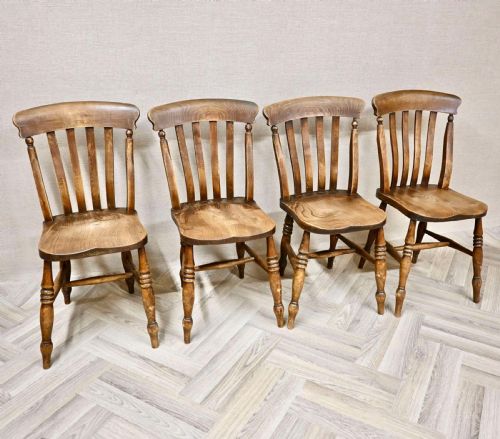
- A chair back featuring flat, vertical wooden slats shaped on a lathe or drawn by hand. This design appears frequently on nineteenth-century kitchen and farmhouse dining chairs.
- Vernacular
- Objects designed and built by local craftsmen using regional traditions and readily available materials rather than following formal academic design rules. These pieces reflect the practical needs of English country life.
- Crindoline stretcher
- A bent metal or wooden stretcher connecting the legs of a Windsor chair in a curved loop. This reinforcement provides lateral stability while adding a distinct decorative element to the underframe.
- Fiddle back
- A chair back featuring a splat shaped in the silhouette of a violin or fiddle. This form is common in nineteenth-century country dining chairs.
Rustic Elm Seat Chairs: Frequently Asked Questions
How do I clean an elm seat?
Dust regularly with a dry cloth and feed the dry wood periodically with a traditional beeswax polish. Avoid modern silicone sprays or excessive moisture which can damage historic finishes.
Allow the natural patina to develop over time rather than attempting to strip the surface down to bare timber.
Are these chairs comfortable for daily use?
Most antique country chairs were shaped to fit the human body through deeply dished wooden seats and supportive bowed backs. They offer surprising ergonomic support for modern dining.
Purchasing matched sets of four or six provides practical seating for everyday meals around a kitchen table.
How do I date a Windsor chair?
Examine the construction marks, turning styles on the legs, and the wear patterns around the footings and seat edges. Eighteenth-century models often feature more refinedcomb backs and slender proportions.
Victorian iterations tend to show heavier underframes, crisper lathe work, and common regional motifs like wheelbacks or lathbacks.