



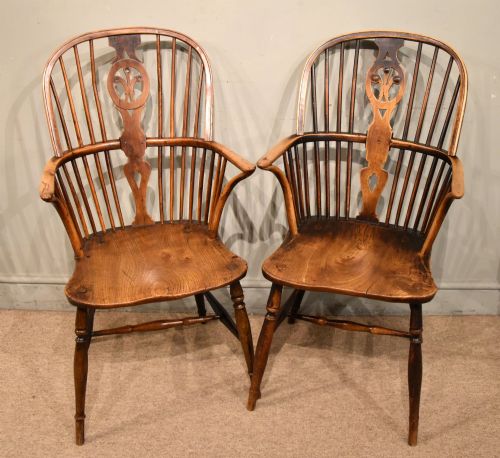
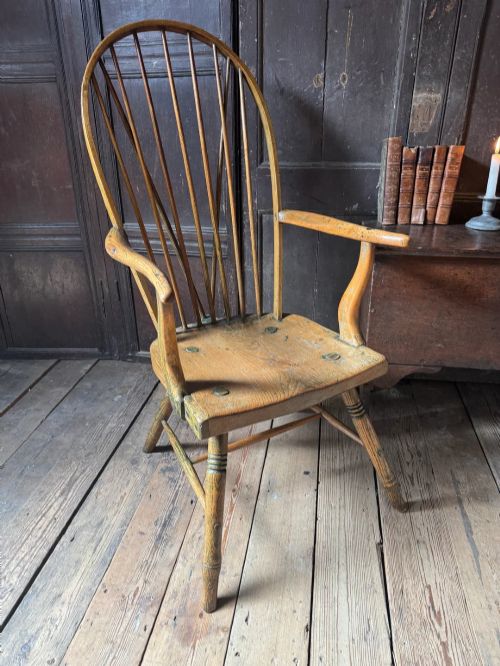
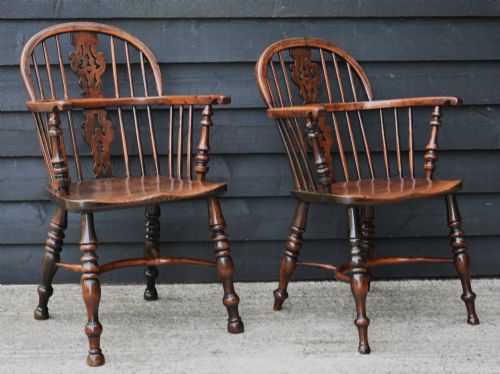
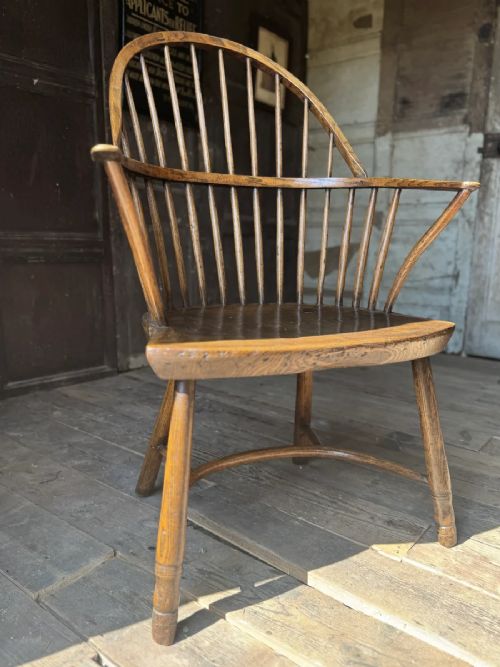
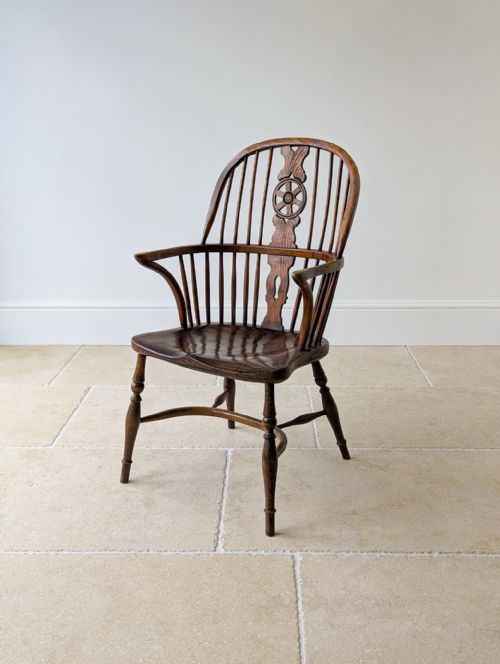
Georgian Elm Chairs
Georgian elm chairs combine the honest utility of English vernacular seating with the rich figure of native timber.
Georgian Elm Chairs
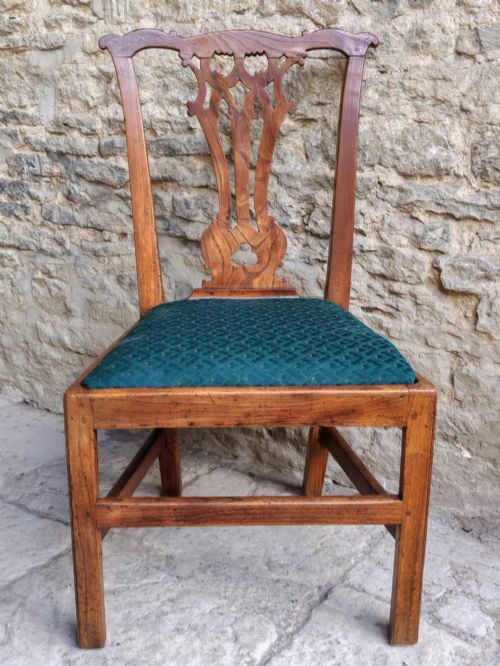
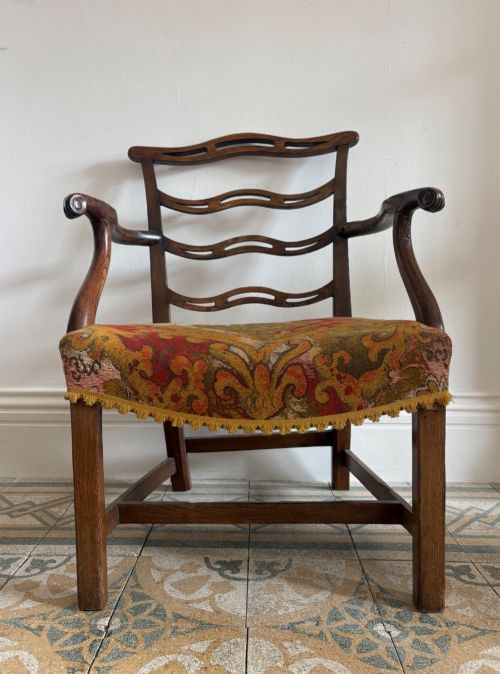
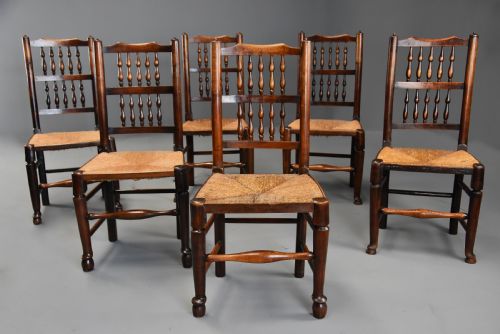
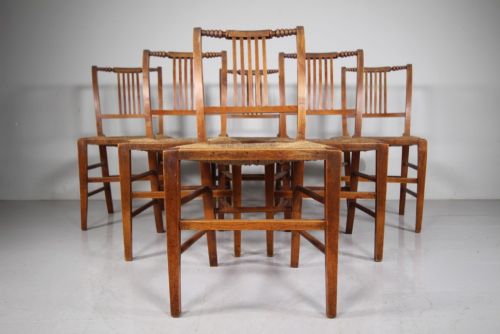
These seating pieces encompass provincial dining chairs, ladderbacks, and robust Windsor armchairs produced across English regions during the eighteenth and nineteenth centuries.
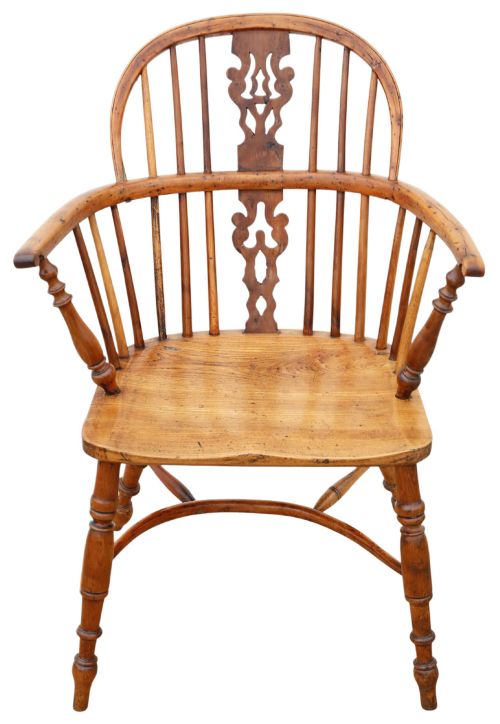
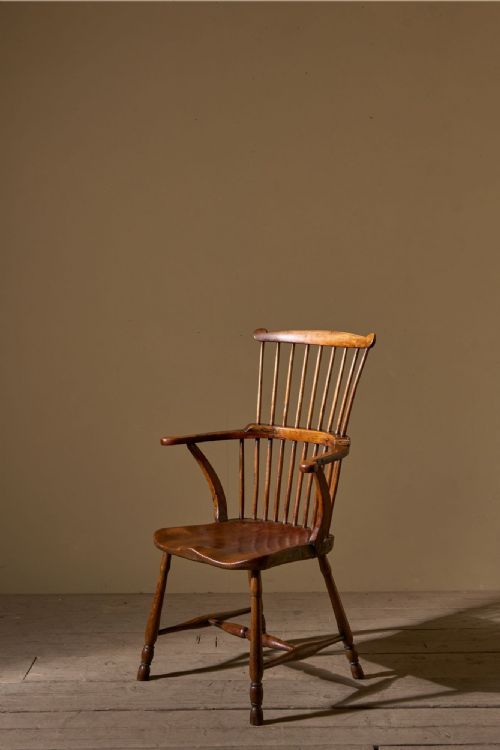
A buyer seeking georgian elm chairs encounters robust farmhouse seating, ranging from simple side chairs to high-backed Windsor carvers with ash or yew secondary woods.
Makers in rural workshops and regional centres such as Lancashire, the Thames Valley, and the West Country shaped these forms for domestic and farmhouse utility.
Materials and construction methods
Elm provides the tough, interlocking grain needed for thick seats, paired with ash or yew for spindles, legs, and steam-bent hoops.
Joinery relies on traditional Windsor framing, pegging, and rush or upholstered drop-in seats supported by H-stretchers or crinoline stretchers.
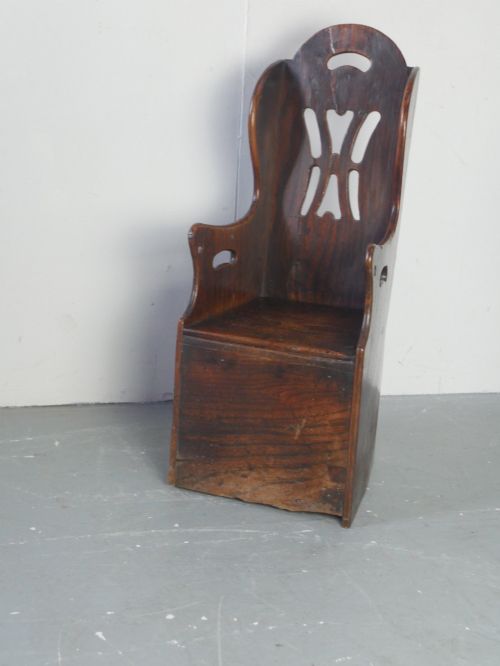
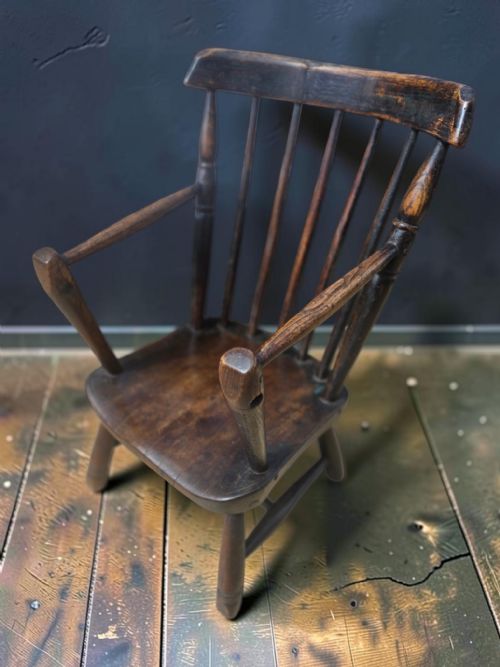
Some provincial child chairs preserve the distinct wear marks of early household occupants who swung their legs against the stretchers.
Distinguishing quality in provincial seating
Superior examples display deep timber patination, well-proportioned Windsor hoops, and retained original stretchers without excessive replacement parts.
The sophistication of regional turning, the thickness of the solid elm saddle seat, and the integrity of the wedged leg joints determine the standing of each piece.
The Georgian Elm Chairs Glossary
- Windsor chair
- A wooden chair featuring a solid carved saddle seat into which the legs and back spindles are directly socketed. This form dominates regional English vernacular seating.
- Crinoline stretcher
- A bent-wood horseshoe stretcher linking the legs of a Windsor chair to provide rigidity. The design often curves toward the rear legs.
- Comb back
- A Windsor chair variation where the top rail resembles the spine of a comb, holding vertical spindles. This style frequently incorporates an elm seat and ash uprights.
- Vernacular
- Objects designed by local craftsmen for everyday regional utility rather than court or high-style fashion. These pieces utilise locally available timbers like elm and fruitwood.
- Patina
- The surface sheen and colour developed by wood over centuries through handling, wax, and light. This quality distinguishes period timber from later alterations.
Georgian Elm Chairs: Frequently Asked Questions
How do I identify a Windsor armchair?
Windsor armchairs are characterised by a solid elm saddle seat that receives the tenoned legs and back components directly. They often feature bentwood hoops and arm bows.
Regional variations include comb backs, wheel backs, and high hoops originating from areas such as the Thames Valley or the West Country.
What woods were used alongside elm?
Cabinet makers and country joiners combined elm with ash for flexible spindles, yew for striking grain contrast, and occasionally oak or beech for structural framing.
Rush and fruitwood also appear in regional dining chairs and ladderbacks from the period.
Where were these country chairs made?
Production centred in rural workshops across English counties, including Lancashire, Cheshire, Shropshire, and Lincolnshire. Regional styles developed distinct turning and bracing habits.
Makers utilised local timber stocks rather than imported hardwoods, grounding the furniture in its specific geographic origin.
How do I care for antique elm furniture?
Maintain the timber by applying traditional beeswax sparingly and avoiding direct heat sources or dry atmospheric conditions. This preserves the surface patina and prevents the elm from splitting.
Inspect the wedged joints and stretchers periodically to ensure stability without altering the historical fabric of the chair.