
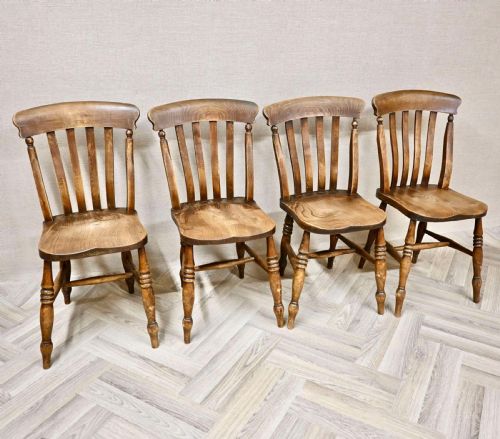
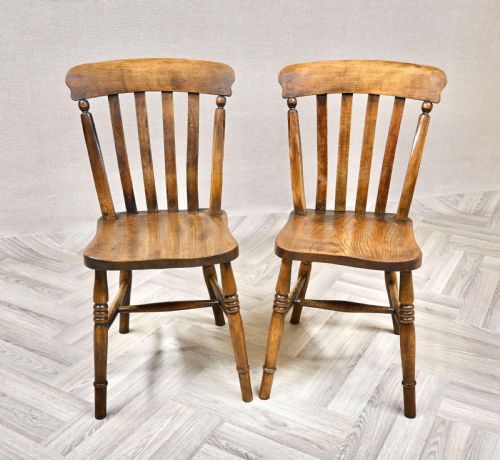
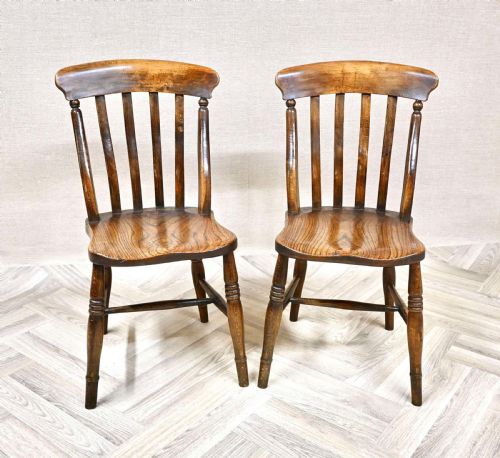
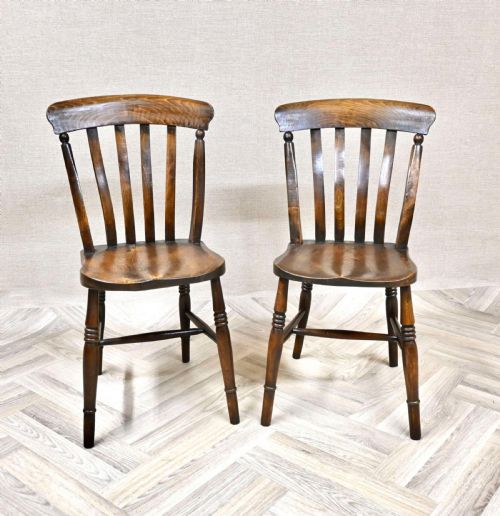
Vintage Country Side Chairs
These vintage country side chairs bring honest vernacular character to a room, built for utility and everyday domestic life.
Vintage Country Side Chairs
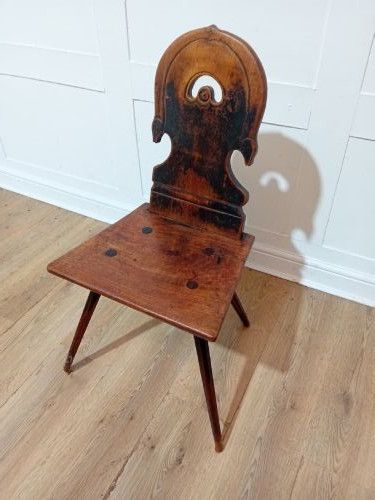
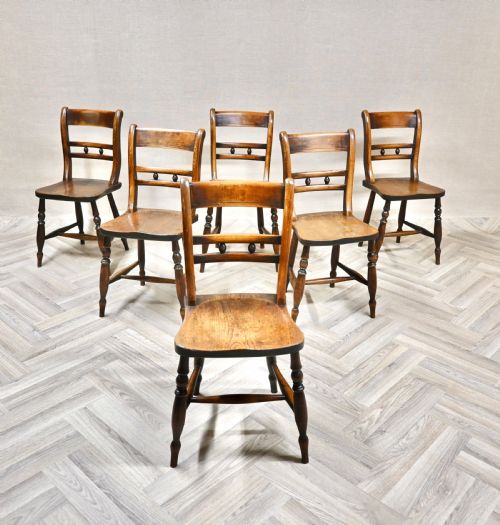
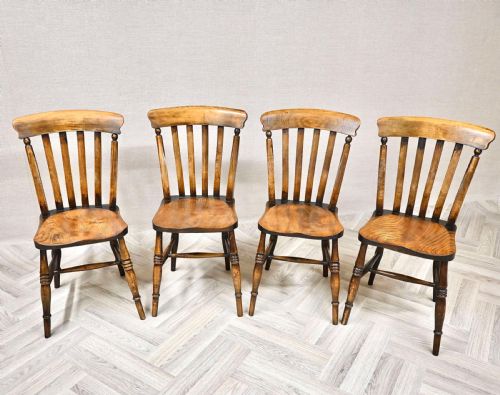
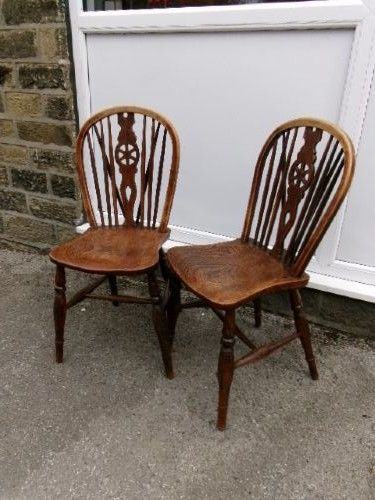
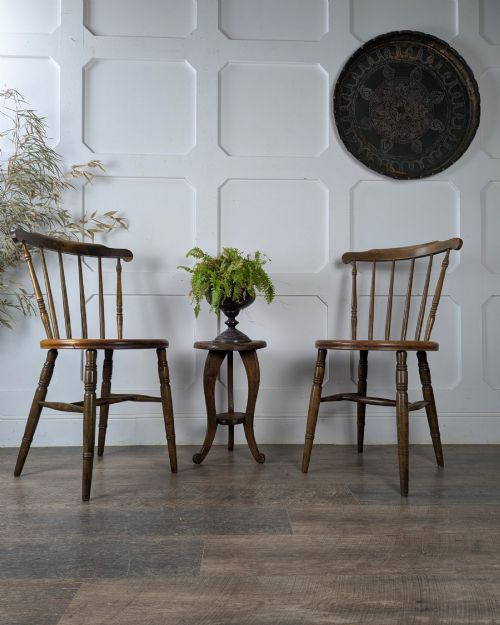
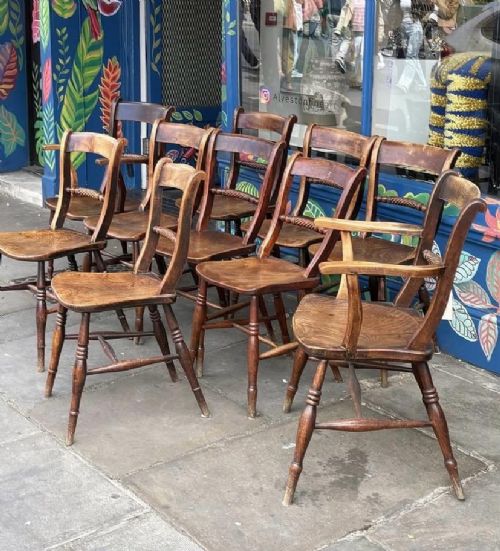
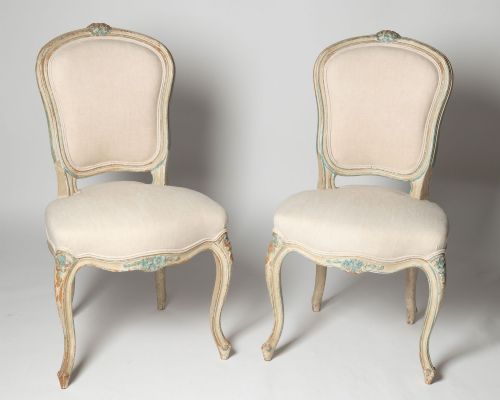
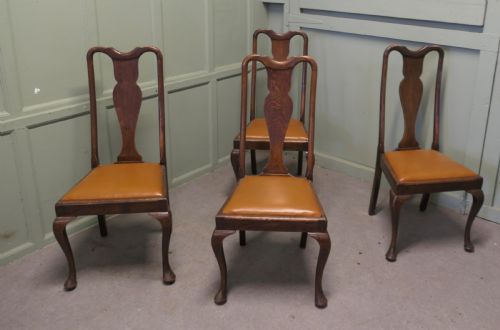
When you search for vintage country side chairs, you enter a diverse field of utilitarian seating shaped by regional traditions. The selections here centre on robust dining chairs, kitchen chairs and simple side chairs designed for practical service rather than formal display. Elm, oak and beech frame these pieces, often paired with rush or timber seats.
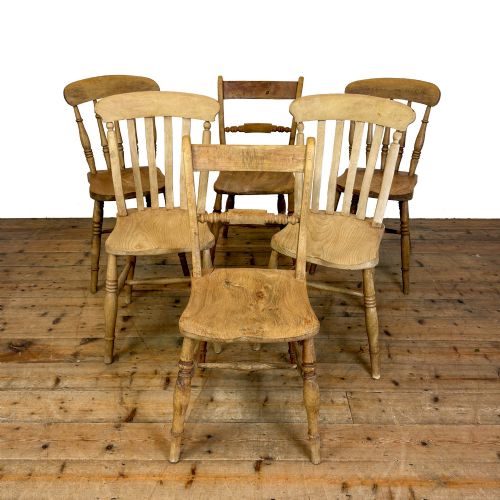
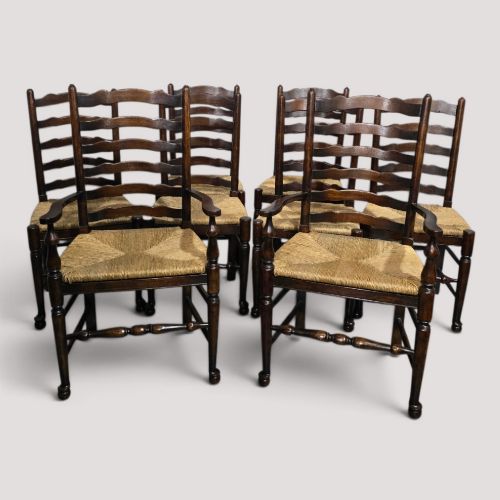
You are most likely to meet Windsor chairs, ladder backs and spindle-backed kitchen chairs originating from the nineteenth century and the early twentieth century. Sets appear frequently alongside matched pairs and harlequin groups gathered over time. These forms reflect the vernacular furniture traditions of English country houses, French provincial settings and farmhouse kitchens.
How they were made
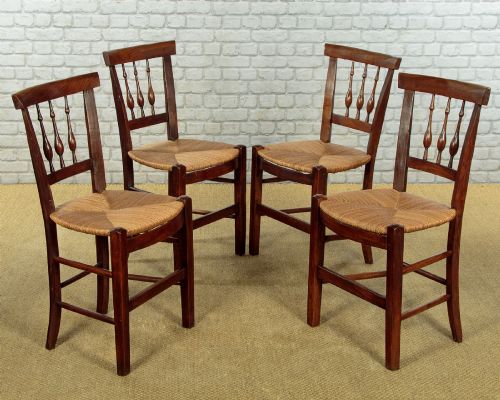
Traditional makers built these chairs using a combination of dense hardwoods and pliable timbers chosen for specific structural roles. Elm frequently provided strong, shock-resistant seats, while beech, ash and oak formed resilient spindles, legs and bentwood parts. Rush seats were hand-woven to create a durable, textured surface on dining and side chairs.
Construction relied on time-tested joinery methods such as mortise and tenon joints and turned components shaped on lathes. Many Windsor designs utilised stick-back or layback configurations wedged directly into solid timber seats. Simple surface treatments ranged from clear wax finishes to old painted coats applied during subsequent decades.
Listings feature robust nineteenth-century elm and oak country chairs alongside early twentieth-century ladder backs and rush-seated dining suites.
What varies in quality
Quality in these vernacular seats rests on the integrity of the timber and the tightness of the original joinery. Chairs retaining their original patination and uncompromised structural frames stand apart from pieces with heavily replaced components or compromised stretchers. Timber selection also dictates grade, with carefully matched sets of elm or quarter-sawn oak representing higher tiers of craftsmanship.
The harmony of a harlequin set or the crispness of turned spindles and carved details distinguishes finer workshop output from basic utilitarian seating. Original surface finishes that have aged naturally without excessive sanding preserve the historical character that collectors value most.
Wheelers of Arncroach·Dinco
The Vintage Country Side Chairs Glossary
- Windsor chair
- A wooden chair built with a heavy solid timber seat into which the legs and back spindles are separately bored and wedged. This sturdy vernacular form developed numerous regional variations across Britain and America.
- Harlequin set
- A collection of dining or side chairs that share a similar period, style or overall proportion but were not originally manufactured together as a single matched suite. They offer a collected, authentic look for large dining tables.
- Ladder back
- A chair style featuring horizontal arched slats between the rear upright posts of the backrest. These seats typically utilise woven rush or timber slats.
- Rush seat
- A seating surface woven from dried marsh rushes or sedges twisted into cord and wrapped around a wooden frame. This technique creates a resilient and flexible platform for everyday sitting.
- Stretcher
- A horizontal rail connecting the legs of a chair to provide structural rigidity and prevent the joints from loosening under weight. Double stretchers offer additional bracing in hard-wearing kitchen chairs.
Vintage Country Side Chairs: Frequently Asked Questions
What is a harlequin dining set?
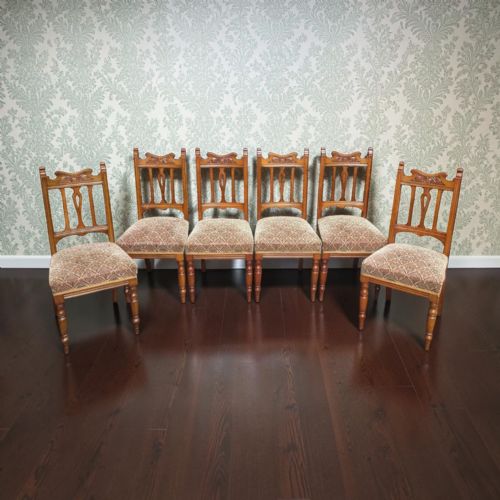
A harlequin set is a group of chairs sharing similar stylistic traits, periods or proportions that were gathered together rather than made as a single original factory batch. These sets allow buyers to seat larger numbers of guests around a table using period-appropriate pieces.
Examine the minor variations in turning, height and wood grain that distinguish individual chairs while maintaining a cohesive overall appearance.
Are rush seats durable for daily use?
Hand-woven rush seats are surprisingly strong and resilient when kept in stable indoor environments away from excessive moisture. Natural marsh grasses form a tight cord that supports daily sitting without immediate sagging.
Protect the weave from sharp objects and damp conditions to ensure the longevity of the traditional seating surface.
How can I tell the age of these chairs?
Dating relies on observing construction marks, timber shrinkage, tool traces and wear patterns accumulated across generations of use. Hand-turned spindles and pegged joints often indicate nineteenth-century or earlier vernacular production.
Compare the form and wood patination against documented examples from specific stylistic eras such as the Victorian period or early twentieth-century farmhouse traditions.